
For travelers planning a journey to the heart of the [Pacific Ocean], the primary gateway is the [Daniel K. Inouye International Airport]. Located in the city of [Honolulu] on the island of [Oahu], this bustling transportation hub serves as the main entry point for the [State of Hawaii]. Whether you are arriving from the [United States] mainland, [Japan], [Canada], [Australia], or [South Korea], your first experience of the [Aloha State] typically begins on the runways of this expansive and culturally rich facility. Known by its [IATA] code [HNL], the airport is not merely a transit point but a vital piece of infrastructure that connects the [Hawaiian Islands] to the rest of the world.
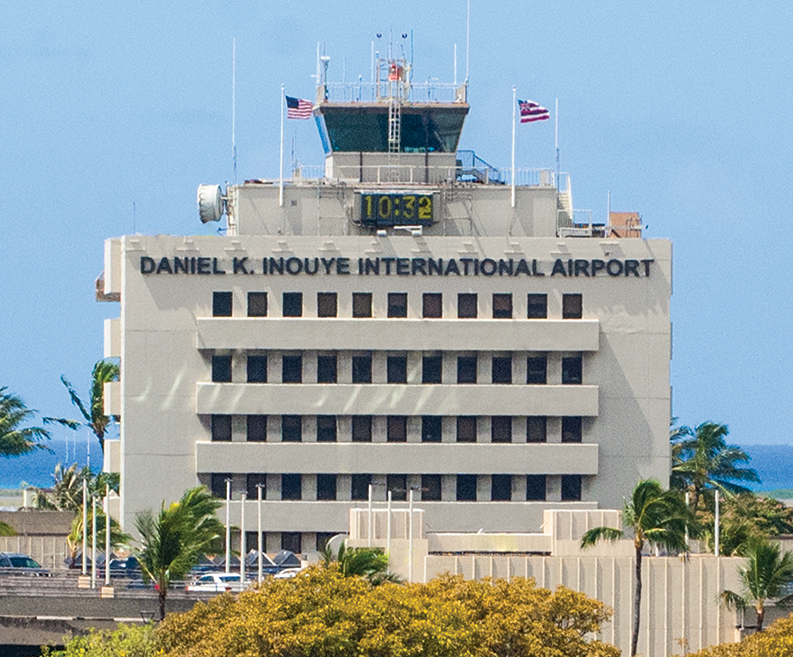
An Overview of Daniel K. Inouye International Airport (HNL)
The [Daniel K. Inouye International Airport] is one of the busiest airports in the [United States], covering thousands of acres of land and water just northwest of downtown [Honolulu]. Named in honor of the late [Daniel K. Inouye], a highly decorated [World War II] veteran and a long-serving U.S. Senator from [Hawaii], the airport reflects the pride and history of the islands. Its strategic location makes it a crucial stopover for trans-Pacific flights, linking [North America] with [Asia] and [Oceania].
The Layout and Terminals
Navigating [HNL] is a unique experience compared to many mainland airports due to its open-air corridors and tropical landscaping. The airport is divided into three main terminals. [Terminal 1] is primarily used by [Hawaiian Airlines] for inter-island flights and some domestic mainland routes. It is a bustling area where travelers often catch short hops to [Maui], [Kauai], or the [Big Island].
[Terminal 2] is the largest facility, handling the majority of domestic carriers such as [United Airlines], [American Airlines], [Delta Air Lines], and [Southwest Airlines], as well as all international arrivals. This terminal is known for its sprawling gates and the iconic [Wiki Wiki Shuttle], a bus system that helps passengers navigate the long distances between gates, although recent renovations have introduced modern moving walkways to supplement the shuttle. [Terminal 3] is a smaller, dedicated facility used primarily by [Mokulele Airlines] for commuter flights to smaller airfields across the [Hawaiian Islands].A Legacy of Service: The Naming of the Airport
Before being renamed in 2017, the facility was widely known as the [Honolulu International Airport]. Its history dates back to 1927 when it was originally opened as [John Rodgers Airport]. Over the decades, it evolved from a modest landing strip into a world-class international hub. The renaming to [Daniel K. Inouye International Airport] was a tribute to the senator’s immense contributions to the infrastructure and economic development of [Hawaii]. Today, the airport stands as a testament to his legacy, welcoming millions of visitors each year with a blend of modern efficiency and traditional [Hawaiian] hospitality.
Navigating the Gateway: Arrival and Essential Travel Tips
Arriving at [Oahu] is a sensory experience. As you deplane, the warm, floral-scented air of [Honolulu] greets you immediately, especially in the areas where the architecture allows for natural ventilation. However, the arrival process involves several logistical steps that travelers should be prepared for to ensure a smooth transition to their [Oahu] vacation.
Customs, Immigration, and Agricultural Inspections
For those arriving on international flights from [New Zealand], [Japan], or [South Korea], the [International Arrivals Building] is the first stop. Here, passengers clear [U.S. Customs and Border Protection]. One unique aspect of traveling to and from [Hawaii] is the strict agricultural regulations. Because the islands have a delicate ecosystem, all passengers arriving from the [United States] mainland must fill out an [Agricultural Declaration Form]. Conversely, when leaving [Oahu] to return to the mainland, your luggage must pass through a [USDA] agricultural inspection to ensure no invasive species or prohibited fruits and plants are transported out of the state.
Connecting to Other Hawaiian Islands
If [Oahu] is merely a stopover on your way to [Lihue Airport] on [Kauai] or [Kahului Airport] on [Maui], the inter-island transfer process is relatively straightforward. Most inter-island flights depart from [Terminal 1]. If you arrive at [Terminal 2] and need to transfer, you can use the intra-terminal shuttle or walk through the connecting corridors. Travelers should allow ample time for security re-screening, although many connecting flights within the [Hawaiian Airlines] network are designed to minimize layover times.
Transportation and Logistics from Honolulu International
Once you have collected your luggage from the baggage claim—which is located on the ground level of the terminals—the next step is reaching your destination. Whether you are staying at a luxury resort in [Waikiki] or a secluded rental on the [North Shore], there are several transportation modes available.
Reaching Waikiki and Beyond

Most visitors head directly to [Waikiki Beach], which is approximately 10 miles from the airport. A taxi or a rideshare service like [Uber] or [Lyft] is the most convenient way to travel, typically taking about 20 to 30 minutes depending on the infamous [Honolulu] traffic. For those looking for a more economical option, several shuttle companies provide door-to-door service to major hotels like the [Hilton Hawaiian Village], [Sheraton Waikiki], and [The Royal Hawaiian].
For the truly budget-conscious traveler, the local public transit system, known as [TheBus], operates several routes that service the airport. However, please note that [TheBus] has strict luggage policies, usually requiring that bags fit under the seat or on your lap, which may not be ideal for those traveling with large suitcases.
The Rental Car Facility and Public Transit
In recent years, [HNL] opened a consolidated Rental Car Center, which houses the majority of major rental agencies like [Hertz], [Avis], [Enterprise], and [Budget]. This facility is easily accessible via a short walk from [Terminal 2] or a dedicated shuttle from [Terminal 1]. Renting a car is highly recommended if you plan to explore areas beyond the city, such as the [Leeward Coast], the [Windward Coast], or the surf-rich [North Shore].
The Oahu Travel Experience: Cultural and Aesthetic Highlights
What sets [Daniel K. Inouye International Airport] apart from other major global hubs is its commitment to showcasing [Hawaiian] culture. From the moment you step off the plane, you are immersed in an environment that celebrates the history of the [Polynesian] people and the natural beauty of the [Pacific Rim].
Gardens and Open-Air Architecture
One of the most beloved features of the airport is the series of cultural gardens located between the terminal buildings. These include the [Chinese Garden], the [Japanese Garden], and the [Hawaiian Garden]. These tranquil spaces feature koi ponds, traditional pagodas, and native flora like [Hibiscus] and [Plumeria]. They offer a peaceful retreat for travelers during long layovers and serve as a beautiful introduction to the diverse cultural heritage of [Hawaii]. The open-air design of the terminals also allows travelers to enjoy the tropical climate of [Honolulu] even before they leave the airport grounds.
Arts and Exhibits Throughout the Terminals
As you walk through the corridors of [HNL], you will encounter various art installations and museum-quality exhibits. These displays often feature traditional [Hawaiian] quilts, feather work, and historical photographs of the [Hawaiian Monarchy]. The airport also frequently hosts live music and hula performances, particularly during holiday seasons or special events, providing a festive and welcoming atmosphere that embodies the [Aloha Spirit].
Maximizing Your Stay: Proximity to Iconic Oahu Destinations
The airport’s location is incredibly central, making it easy to begin your sightseeing immediately after arrival. It is situated on the southern coast of the island, nestled between [Hickam Air Force Base] and the [Keehi Lagoon].
Immediate Landmarks Near the Airport
One of the most significant historical sites in the [United States], the [Pearl Harbor National Memorial], is located just minutes away from the airport. Many travelers with long layovers choose to take a quick excursion to see the [USS Arizona Memorial], the [Battleship Missouri Memorial], and the [Pearl Harbor Aviation Museum] on [Ford Island].
For those looking to shop, the [Ala Moana Center], one of the largest open-air shopping malls in the world, is a short drive away toward [Waikiki]. Additionally, the vibrant neighborhood of [Kakaako], known for its street art and modern eateries, is easily accessible from the airport corridor.
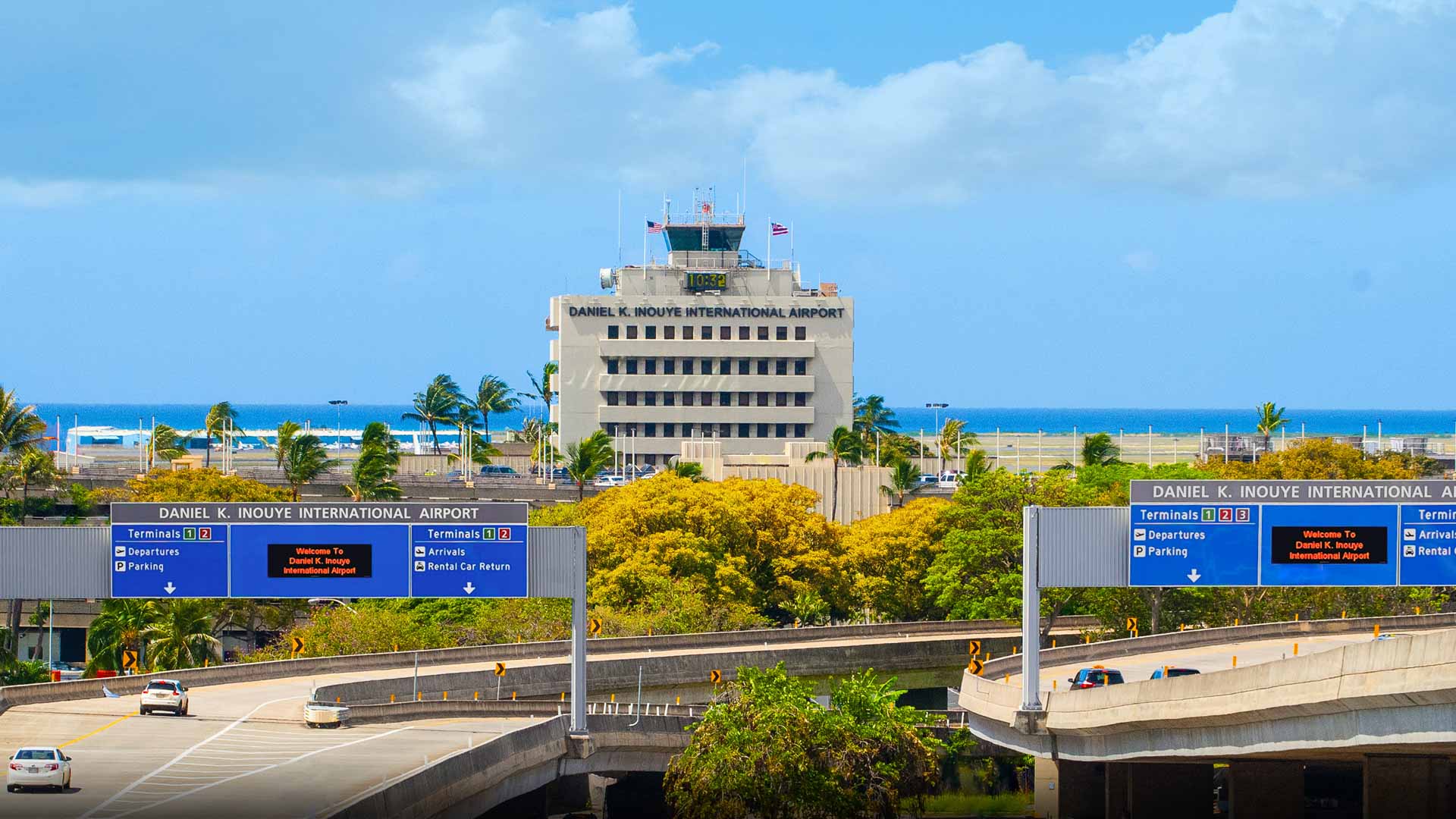
Planning Your Return Journey
When it is time to leave the [Aloha State], it is recommended to arrive at [Daniel K. Inouye International Airport] at least two to three hours before your scheduled departure. The security lines, managed by the [TSA], can be quite long, especially during peak travel periods in the mid-afternoon when many mainland-bound flights depart.
Before heading to your gate, you can browse the duty-free shops for local delicacies such as [Macadamia Nuts], [Kona Coffee], and [Pineapple] treats to bring home. The airport also offers several premium lounges, including the [Hawaiian Airlines Plumeria Lounge] and various airline-specific clubs like the [United Club], where passengers can relax in comfort before their trans-Pacific flight.
In summary, the airport in [Oahu], [Hawaii], is far more than just a place to catch a plane. The [Daniel K. Inouye International Airport] is a cultural landmark and a sophisticated travel hub that perfectly captures the transition from the fast-paced modern world to the relaxed, beautiful lifestyle of the [Hawaiian Islands]. From its lush gardens and historical tributes to its efficient transportation links to [Honolulu], [Waikiki], and the [North Shore], it remains the quintessential starting point for any [Oahu] adventure.
LifeOutOfTheBox is a participant in the Amazon Services LLC Associates Program, an affiliate advertising program designed to provide a means for sites to earn advertising fees by advertising and linking to Amazon.com. Amazon, the Amazon logo, AmazonSupply, and the AmazonSupply logo are trademarks of Amazon.com, Inc. or its affiliates. As an Amazon Associate we earn affiliate commissions from qualifying purchases.