
Alaska, the Last Frontier, beckons travelers with its raw, untamed wilderness, towering glaciers, and abundant wildlife. For those planning a journey to this majestic state, understanding its unique natural heritage offers a deeper appreciation of the destination. Among the many fascinating creatures that call Alaska home, one unassuming bird holds a special place: the state bird. Identifying and learning about this feathered emblem enriches any travel itinerary, connecting visitors to the spirit of the Alaskan landscape.
The Willow Ptarmigan: Alaska’s Resilient Symbol
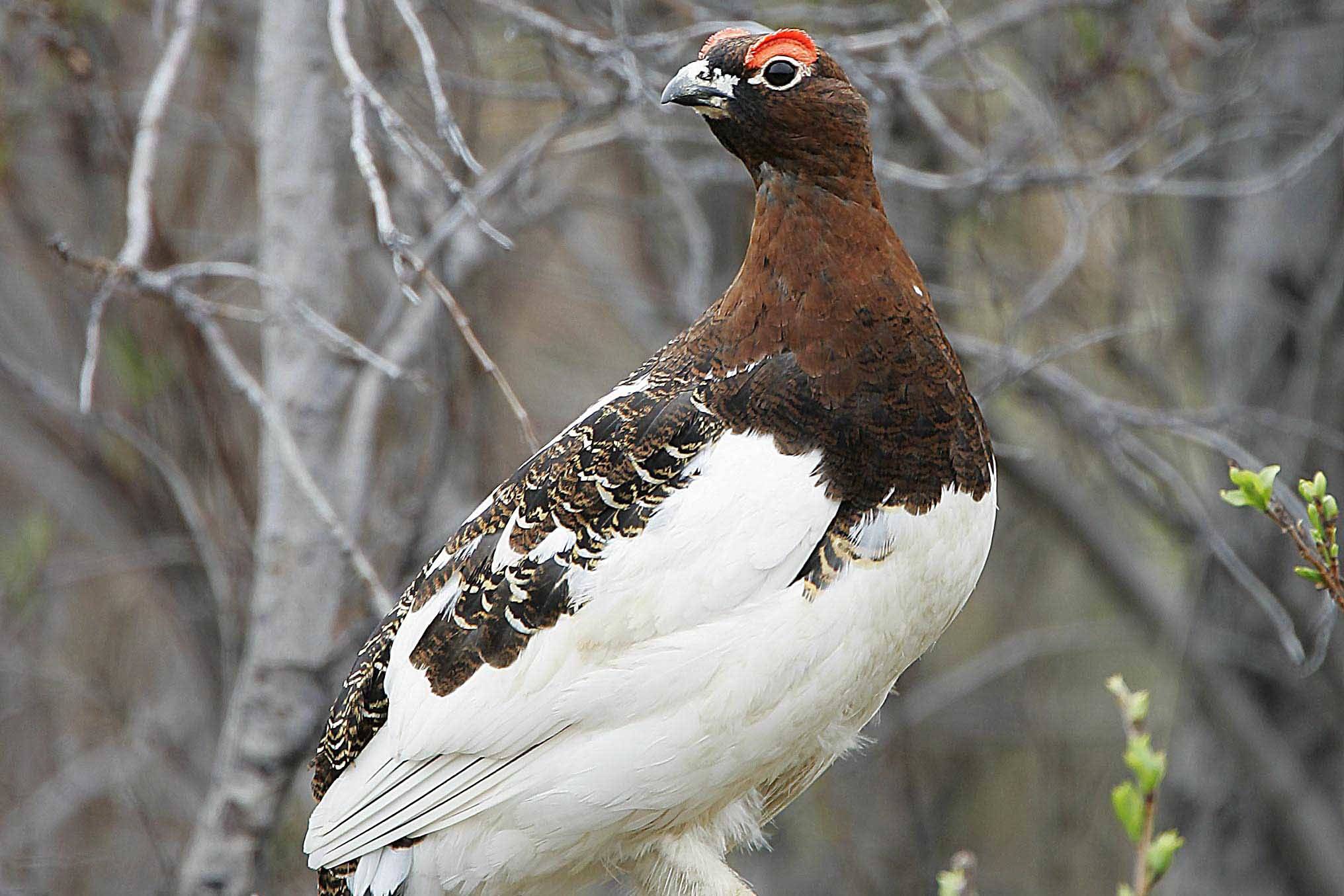
The official state bird of Alaska is the Willow Ptarmigan (Lagopus lagopus), designated in 1955. This choice reflects Alaska’s rugged beauty and the remarkable adaptability of its wildlife. Unlike many state birds chosen for their vibrant plumage or melodious songs, the Willow Ptarmigan stands out for its resilience, its mastery of camouflage, and its integral role in the subarctic ecosystem. It embodies the very essence of survival in a land of extremes, making it a compelling natural attraction for any visitor.
Distinctive Features and Adaptations for the Alaskan Environment
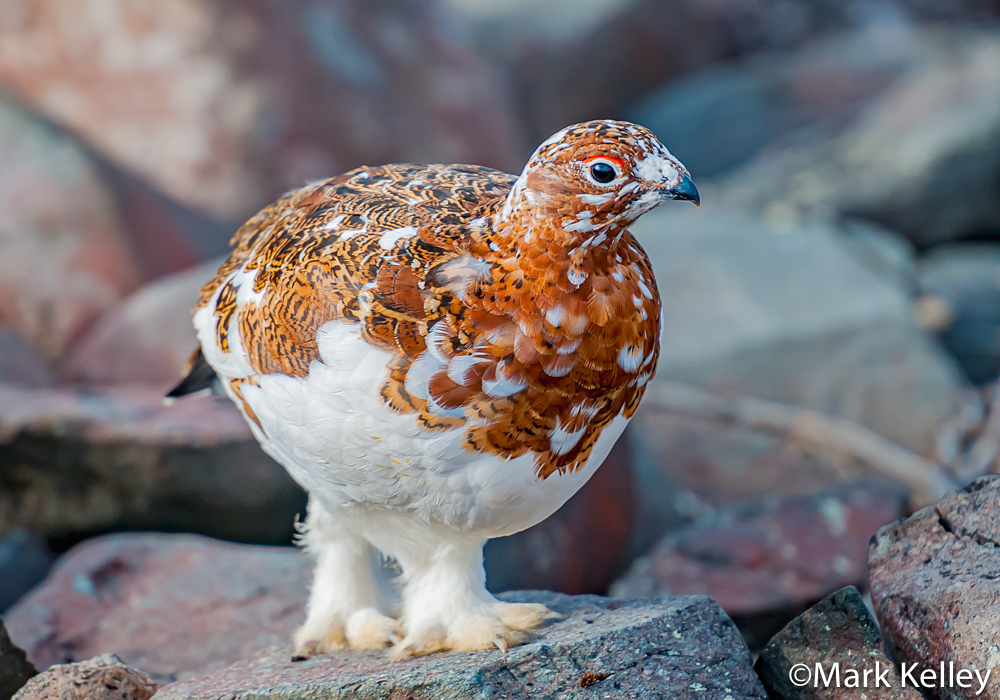
The Willow Ptarmigan is a medium-sized grouse, perfectly equipped for life in Alaska’s harsh climate. Its most striking feature, and perhaps its greatest survival tool, is its seasonal plumage change. In summer, the male ptarmigan displays a mottled reddish-brown body with white wings, allowing it to blend seamlessly with the tundra shrubs and rocks. Females exhibit similar patterns but are generally lighter in coloration. As winter approaches, both sexes undergo a dramatic transformation, molting into an almost entirely white coat, save for a few black tail feathers and the male’s distinctive red eye comb (caruncle). This remarkable camouflage makes them virtually invisible against the snow-covered landscape, a crucial defense against predators like arctic foxes and gyrfalcons.
Beyond its plumage, the Willow Ptarmigan possesses other incredible adaptations. Its feet are feathered, providing insulation and acting like snowshoes, distributing its weight to prevent sinking into deep snow. This also helps it forage effectively, scratching through snow to find willow buds, twigs, and berries – its primary diet. Its strong, short beak is perfectly suited for clipping vegetation. For travelers interested in observing wildlife that thrives in challenging environments, understanding these adaptations enhances the experience of spotting a ptarmigan in its natural habitat.
The Symbolism of the State Bird for Travelers
The Willow Ptarmigan symbolizes more than just survival; it represents the understated beauty and rugged spirit of Alaska itself. For tourists, encountering this bird is a tangible connection to the wild heart of the state. It’s not a flashy bird, but its presence signifies a healthy, vibrant ecosystem, a testament to Alaska’s commitment to preserving its natural wonders. Its ability to adapt and endure serves as an inspiration, mirroring the fortitude often associated with Alaskan pioneers and the state’s enduring allure for adventurers. When you spot a Willow Ptarmigan, you’re not just seeing a bird; you’re witnessing a living emblem of Alaska’s untamed wilderness and the intricate balance of nature.
Where to Experience the Willow Ptarmigan in Alaska
For wildlife enthusiasts and nature photographers, spotting the Willow Ptarmigan can be a highlight of an Alaskan adventure. These birds inhabit tundra and subalpine regions, often near willow thickets and dwarf birch, making them accessible in many of Alaska’s iconic natural areas. Incorporating birdwatching into your itinerary offers a unique perspective on the state’s diverse ecosystems and allows for quiet, immersive engagement with nature.
Prime Birdwatching Locations
Several of Alaska’s most popular travel destinations offer excellent opportunities to observe the Willow Ptarmigan.
- Denali National Park and Preserve: This world-renowned park is a prime location. Along the Denali Park Road, particularly in the tundra sections, ptarmigans are often seen foraging. Bus tours through the park offer elevated vantage points, and hikers on designated trails should keep a keen eye on the shrubby areas. The sheer vastness and preserved nature of Denali make it an ideal place to witness the Willow Ptarmigan in its natural, undisturbed habitat.
- Gates of the Arctic National Park and Preserve: For the more adventurous traveler seeking a true wilderness experience, this remote park in northern Alaska is teeming with ptarmigans. While access is challenging (typically by bush plane), the rewards are unparalleled solitude and pristine wildlife viewing.
- Chugach National Forest: Closer to major population centers like Anchorage and Seward, the subalpine slopes and alpine tundra of the Chugach National Forest are accessible for day hikes. Trails around areas like Flattop Mountain or near Girdwood can yield sightings, especially during shoulder seasons.
- Arctic National Wildlife Refuge: Similar to Gates of the Arctic, this refuge in northeastern Alaska offers a remote and pristine environment. While challenging to reach, the sheer abundance of wildlife, including ptarmigans, makes it a destination for truly dedicated nature observers.
- Kodiak Island: Known for its bears, Kodiak Island also features excellent ptarmigan habitat on its higher elevations and tundra plateaus.
Best Seasons for Sightings

Observing the Willow Ptarmigan offers different experiences depending on the season:
- Summer (June to August): This is when ptarmigans are most active and visible in their mottled brown plumage. They are often seen foraging in open tundra or along the edges of willow thickets. The longer daylight hours increase opportunities for sightings, and their calls, a distinctive cackle, can help pinpoint their location. This is generally the easiest time for most travelers to visit Alaska and undertake birdwatching excursions.
- Fall (September to October): As the tundra colors change, so too does the ptarmigan’s coat, gradually transitioning to white. This can be a particularly fascinating time to observe their camouflage in action, as they might be a mix of brown and white, perfectly blending with patches of snow and barren ground. This season offers a unique photographic opportunity.
- Winter (November to March): While challenging due to cold and snow, winter offers the chance to see the Willow Ptarmigan in its full white winter plumage. Spotting a white bird against a white landscape requires patience and a keen eye, but the reward is a truly magical and authentic Alaskan experience. They are often found huddled together for warmth or foraging in sheltered areas. Snowshoeing or cross-country skiing trips in appropriate areas can lead to unique sightings.
- Spring (April to May): Similar to fall, this is a transitional period as they shed their white winter coat for their summer brown. Males begin to display their red eye combs more prominently as mating season approaches.
Beyond the Bird: Exploring Alaska’s Wild Wonders
While the Willow Ptarmigan is a captivating symbol, it is just one thread in the rich tapestry of Alaska’s natural attractions. Travel to Alaska is synonymous with encountering unparalleled wilderness and diverse wildlife, making it a premier destination for nature lovers.
National Parks and Wildlife Refuges
Alaska boasts an impressive array of national parks, preserves, and wildlife refuges, each offering distinct opportunities for exploration and animal encounters.
- Denali National Park and Preserve: Beyond the ptarmigan, Denali is famous for its “Big Five” wildlife: grizzly bears, moose, caribou, Dall sheep, and wolves. The park’s single road offers access to diverse ecosystems, from taiga forests to alpine tundra, all under the shadow of North America‘s tallest peak, Denali.
- Kenai Fjords National Park: Located near Seward, this park showcases dramatic coastal landscapes, tidewater glaciers, and abundant marine life. Boat tours are popular for observing humpback whales, orcas, sea lions, otters, and countless seabirds.
- Katmai National Park and Preserve: Best known for its brown bears congregating at Brooks Falls to feast on salmon, Katmai offers arguably the best bear-viewing opportunities in the world. Access is typically by floatplane.
- Tongass National Forest: The largest national forest in the United States, covering much of Southeast Alaska. This temperate rainforest is home to black bears, Sitka black-tailed deer, bald eagles, and salmon-rich rivers, ideal for fishing and kayaking.
Unforgettable Alaskan Experiences
A trip to Alaska offers a myriad of experiences that go beyond wildlife viewing, deeply enriching the travel journey:
- Glacier Viewing: Whether cruising through Prince William Sound or Tracy Arm Fjord, or flightseeing over the vast icefields, witnessing Alaska’s glaciers calve into the sea is a profound experience.
- Alaskan Railroad Journeys: Traveling by rail from Anchorage to Fairbanks or Seward offers scenic views inaccessible by road, including chances to spot wildlife from the comfort of a train.
- Dog Sledding: Experience Alaska’s official state sport. Many tours offer summer wheeled sled rides or winter snow adventures, providing insight into this essential part of Alaskan culture and history.
- Fishing and Kayaking: Alaska’s pristine waters are a paradise for anglers and paddlers, offering opportunities to catch salmon or halibut, or to silently glide through serene fjords alongside marine mammals.
- Northern Lights Viewing: In winter months, especially from Fairbanks or further north, the aurora borealis paints the night sky in spectacular fashion, a bucket-list experience for many travelers.
Integrating Wildlife Encounters into Your Alaskan Itinerary
To maximize your chances of seeing the Willow Ptarmigan and other Alaskan wildlife, strategic planning is key. Consider booking guided tours focused on birdwatching or wildlife photography, as local experts often know the best spots and times for sightings. Early morning or late evening often yield the best results for many species.
Ethical Wildlife Viewing Practices
When venturing into Alaska’s wild spaces, responsible and ethical behavior is paramount.
- Maintain Distance: Always keep a safe and respectful distance from all wildlife. Use binoculars or a telephoto lens for close-up views. Never approach animals for a better photo opportunity.
- Do Not Feed Animals: Feeding wild animals can alter their natural behaviors, lead to dependency, and put both animals and humans at risk.
- Leave No Trace: Pack out everything you pack in. Stay on designated trails to minimize your impact on delicate ecosystems.
- Be Prepared: Carry bear spray in bear country and know how to use it. Inform others of your travel plans, especially for remote hikes.
- Respect Their Space: If an animal changes its behavior because of your presence, you are too close. Back away slowly and quietly.
By adhering to these guidelines, travelers can ensure their experiences in Alaska are not only unforgettable but also contribute to the preservation of its extraordinary natural heritage, allowing creatures like the resilient Willow Ptarmigan to thrive for generations to come. Understanding Alaska’s state bird is more than just knowing a fact; it’s an invitation to explore and appreciate the intricate beauty of its wild domains.
LifeOutOfTheBox is a participant in the Amazon Services LLC Associates Program, an affiliate advertising program designed to provide a means for sites to earn advertising fees by advertising and linking to Amazon.com. Amazon, the Amazon logo, AmazonSupply, and the AmazonSupply logo are trademarks of Amazon.com, Inc. or its affiliates. As an Amazon Associate we earn affiliate commissions from qualifying purchases.