
The rugged beauty and vast wilderness of Alaska are often celebrated through its diverse wildlife, majestic mountains, and unparalleled natural phenomena. Yet, one of the most enduring symbols of this northern frontier is its state tree, a silent sentinel that has witnessed centuries of change and continues to define the Alaskan landscape. While perhaps not as immediately striking as a soaring bald eagle or the ethereal dance of the Aurora Borealis, the Alaskan state tree holds a significant place in the state’s identity and ecology.
The Majestic Sitka Spruce: Alaska’s Arboreal Icon
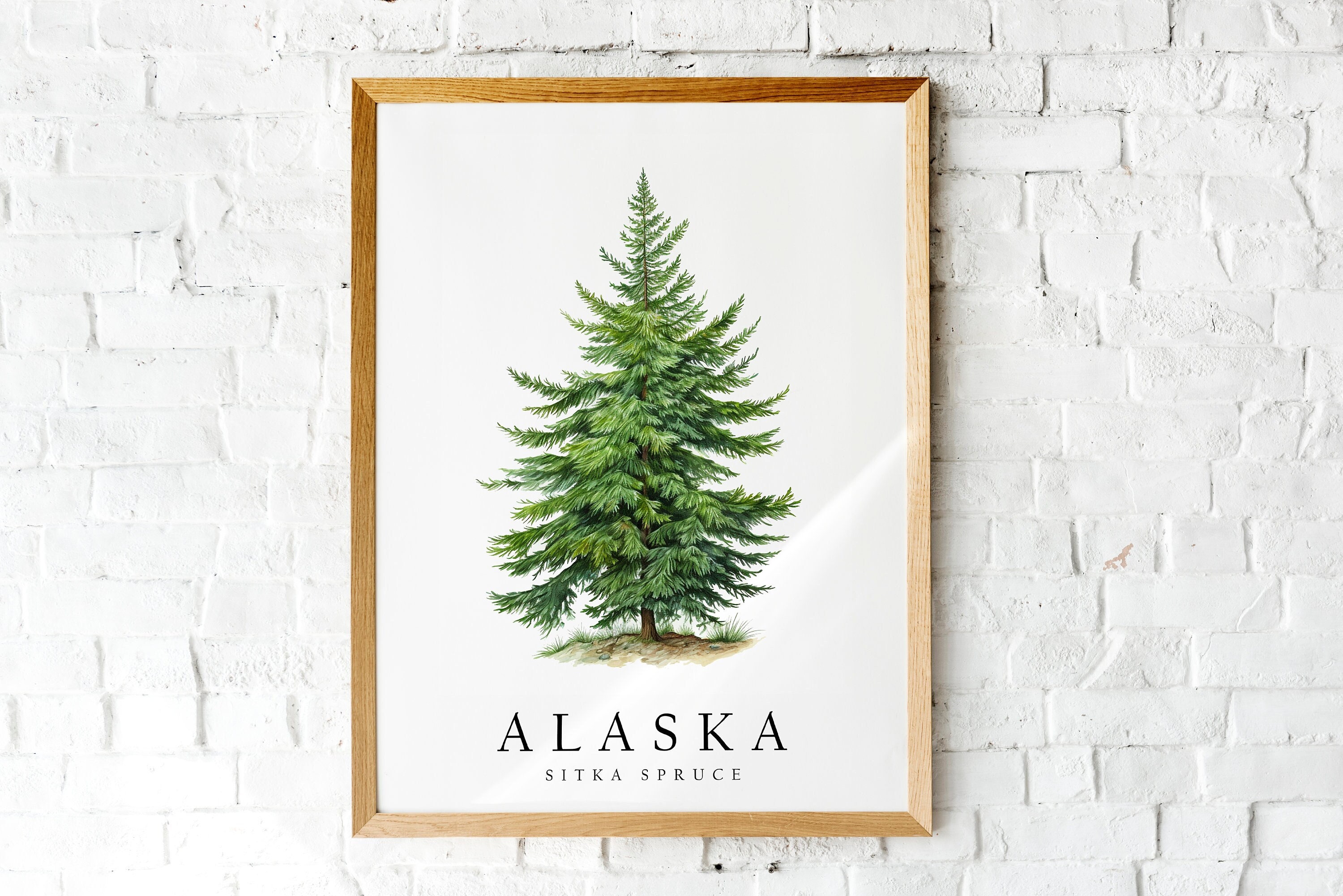
The official state tree of Alaska is the Sitka Spruce (Picea sitchensis). This magnificent conifer is not only the largest spruce species in the world but also a defining characteristic of the Pacific Northwest’s coastal forests, stretching from Alaska down to northern California. Its impressive stature and resilience have made it an integral part of the Alaskan ecosystem and culture.

A Giant of the North
The sheer size of the Sitka Spruce is awe-inspiring. These trees can reach heights of over 300 feet, with trunk diameters often exceeding 7 feet. Their massive presence creates a cathedral-like atmosphere in the dense coastal forests, casting dappled sunlight onto the forest floor below. The oldest Sitka Spruce trees can live for hundreds of years, some even reaching over 900 years of age. This longevity allows them to stand as silent witnesses to the ebb and flow of history in Alaska, from the time of indigenous peoples to the arrival of explorers and modern-day settlers.
Habitat and Distribution
The ideal habitat for the Sitka Spruce is the cool, moist, and nutrient-rich environment found along Alaska’s coastal regions. They thrive in areas with abundant rainfall and fog, which are characteristic of the Panhandle, as well as the islands of the Alexander Archipelago. This includes popular tourist destinations like Ketchikan, Juneau, and Sitka itself, the city for which it is named. Further inland, their numbers diminish, giving way to other species more adapted to drier continental climates. The presence of the Sitka Spruce is a key indicator of the unique temperate rainforest ecosystem that makes these areas so ecologically significant.
Ecological Significance
The Sitka Spruce plays a crucial role in the Alaskan environment, supporting a diverse array of flora and fauna. Its dense canopy provides shelter and nesting sites for numerous bird species, including the iconic Bald Eagle. The understory beneath these giants is often rich with mosses, ferns, and other shade-tolerant plants, creating a lush and complex forest floor.
A Food Source for Wildlife
Beyond providing shelter, the cones and seeds of the Sitka Spruce offer a vital food source for various wildlife. Small mammals, such as squirrels and chipmunks, rely on these seeds for sustenance, especially during the harsh winter months. Birds also benefit from this readily available food supply. In this way, the Sitka Spruce forms the base of a complex food web, demonstrating its importance beyond its aesthetic appeal.
Soil Health and Erosion Control
The extensive root systems of mature Sitka Spruce trees are instrumental in stabilizing soil, particularly on the often steep and unstable slopes of the coastal mountains. This helps prevent erosion, which is crucial in an environment prone to heavy rainfall and seismic activity. Their fallen needles and decaying organic matter contribute to the rich humus layer of the forest floor, enriching the soil and supporting the growth of other plant species.
A Symbol of Alaskan Heritage and Industry
The Sitka Spruce has long been valued by the indigenous peoples of Alaska for its wood, which is strong, lightweight, and possesses excellent acoustic properties. This has led to its significant use in various industries throughout the state’s history.
Traditional Uses by Indigenous Peoples
For millennia, the Tlingit, Haida, and Tsimshian peoples, who inhabit the coastal regions of Alaska, have utilized the Sitka Spruce in their daily lives and cultural practices. The wood was used to construct durable canoes, essential for transportation and fishing in the coastal waters. It was also fashioned into tools, carvings, and shelter. Spruce bark was employed for weaving and crafting, while its inner bark could be processed for medicinal purposes. The spruce roots, when carefully prepared, were exceptionally strong and flexible, making them ideal for lashing and sewing.
Modern Industrial Importance
In the modern era, the Sitka Spruce remains a valuable timber resource. Its superior strength-to-weight ratio makes it highly sought after for applications where lightness and durability are paramount. This includes the production of aircraft parts, propellers, and high-quality paper. The resonant qualities of the wood also make it a preferred choice for musical instruments, such as guitars and violins, contributing to the global demand for Alaskan spruce. While logging practices have evolved to emphasize sustainability, the timber industry continues to be an important economic driver in some Alaskan communities, closely tied to the health and management of the Sitka Spruce forests.
Experiencing the Sitka Spruce in Alaska
For visitors to Alaska, encountering the Sitka Spruce is an integral part of the natural experience. These majestic trees are a defining feature of many landscapes, offering opportunities for exploration and appreciation.
Exploring the Tongass National Forest
The vast majority of Sitka Spruce in Alaska can be found within the Tongass National Forest, the largest national forest in the United States. This immense expanse of temperate rainforest is a haven for outdoor enthusiasts. Hiking trails wind through groves of towering spruce, offering breathtaking views and the chance to immerse oneself in the serene beauty of the ancient forest. Popular areas for experiencing these forests include those surrounding Ketchikan, Juneau, and Skagway.
Hiking and Nature Walks
Numerous trails within the Tongass National Forest are specifically designed to showcase the grandeur of the Sitka Spruce. Trails like the Mendenhall Glacier Visitor Center trails near Juneau or the rainforest trails near Ketchikan provide accessible opportunities to walk among these giants. The cool, damp air, the scent of pine needles, and the soft crunch of moss underfoot create a truly immersive sensory experience. Guided nature walks often focus on the unique ecology of the temperate rainforest and the role of the Sitka Spruce within it.
The Role of the Sitka Spruce in Tourism
The presence of the Sitka Spruce enhances the appeal of Alaska as a tourist destination. The visual impact of these colossal trees contributes to the state’s reputation for wild, untamed natural beauty. Many lodges and resorts are situated within or near these forests, offering guests the opportunity to wake up to spectacular arboreal vistas. The timber products derived from the Sitka Spruce are also frequently incorporated into the design and construction of Alaskan tourism infrastructure, from cozy cabins to handcrafted furniture in hotels and visitor centers, further embedding the tree’s presence into the visitor experience.
Photography and Artistic Inspiration
The dramatic scale and unique textures of the Sitka Spruce make them a favorite subject for photographers and artists. The play of light and shadow within the dense canopy, the intricate patterns of bark, and the sheer verticality of the trees offer endless creative possibilities. Capturing the essence of the Alaskan wilderness often involves showcasing these arboreal giants, drawing visitors who seek to witness their magnificence firsthand.

Conservation Efforts and Future Outlook
As a cornerstone of the Alaskan ecosystem, the Sitka Spruce is the subject of ongoing conservation efforts. Balancing its economic value with ecological preservation is a key challenge. Sustainable forestry practices are employed to ensure the long-term health of the forests, and efforts are made to protect old-growth stands, which are vital for biodiversity and the continued flourishing of this iconic species. Understanding and appreciating the Sitka Spruce is not just about identifying a tree; it’s about recognizing a fundamental element of Alaska’s identity, its ecological richness, and its enduring natural heritage.
LifeOutOfTheBox is a participant in the Amazon Services LLC Associates Program, an affiliate advertising program designed to provide a means for sites to earn advertising fees by advertising and linking to Amazon.com. Amazon, the Amazon logo, AmazonSupply, and the AmazonSupply logo are trademarks of Amazon.com, Inc. or its affiliates. As an Amazon Associate we earn affiliate commissions from qualifying purchases.