
Las Vegas, the dazzling entertainment capital of the world, is renowned for its vibrant nightlife, world-class resorts, and endless attractions. From the iconic Las Vegas Strip to the thrilling shows and exquisite dining, it’s a destination that promises unforgettable experiences for every traveler. Yet, amidst the excitement, a less frequently discussed but equally important aspect for visitors is the city’s altitude. Understanding the elevation of Las Vegas and its surrounding areas can significantly enhance your trip planning, health considerations, and overall enjoyment, whether you’re on a luxury getaway, a budget-conscious adventure, or a family vacation.

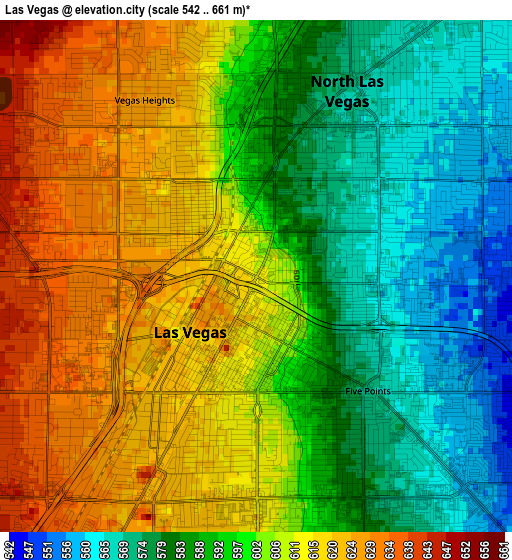
The city of Las Vegas generally sits at an elevation of approximately 2,030 feet (620 meters) above sea level. This elevation isn’t considered “high altitude” in the same vein as mountainous regions like the Rocky Mountains or parts of the Andes, which can reach 8,000 feet or more. However, it is certainly not at sea level, and this moderate elevation, combined with the extreme arid climate of the Mojave Desert, can have subtle yet noticeable effects on visitors, especially those accustomed to lower elevations. For anyone planning travel to this unique destination, delving into the specifics of its elevation, its implications, and how to best adapt is key to a seamless Las Vegas experience.
Understanding Las Vegas’s Elevation and Geographical Context
The exact altitude within the Las Vegas metropolitan area can vary slightly depending on the specific location. For instance, Harry Reid International Airport (formerly McCarran International Airport) is situated at an elevation of about 2,181 feet (665 meters). The Las Vegas Strip itself hovers around 2,000 to 2,200 feet, with specific landmarks like the Bellagio Fountains or the base of the Stratosphere Tower falling within this range. This moderate elevation positions Las Vegas in a unique geographical bowl, surrounded by mountain ranges that create stunning vistas but also contribute to its distinctive climate.
The Mojave Desert Landscape
Las Vegas is nestled within the Mojave Desert in southern Nevada, a vast, arid region characterized by sparse vegetation, dramatic rock formations, and extreme temperatures. The dry air is a hallmark of desert climates, and this dryness is intensified by the city’s elevation. At higher altitudes, the air is thinner, meaning there’s less oxygen per breath. While 2,000 feet isn’t drastically high, this reduced atmospheric pressure can cause the body to lose moisture more rapidly through respiration and perspiration. This is particularly relevant for tourists arriving from sea-level environments, as their bodies may not be accustomed to the dual challenge of altitude and severe dryness. Understanding this geographical context is fundamental for preparing for a trip to Las Vegas, impacting everything from how you pack to how you stay hydrated.
Surrounding Mountain Ranges and Their Influence
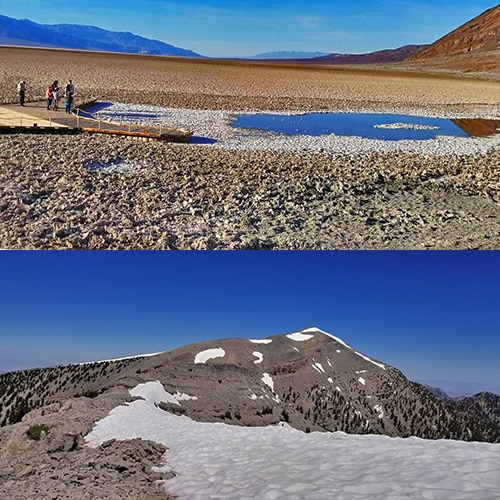
The Las Vegas Valley is flanked by several impressive mountain ranges, most notably the Spring Mountains to the west, which include Mount Charleston, and the Sheep Range to the north. These natural landmarks significantly influence the local weather patterns and offer a dramatic contrast to the bustling city below. The presence of these ranges means that while Las Vegas itself is at a moderate elevation, many popular day trip destinations are at considerably different altitudes, ranging from much higher (like Mount Charleston at over 11,000 feet) to lower (such as Death Valley National Park in nearby California, which is largely below sea level). This variability is crucial for travelers planning to explore beyond the city limits, as each destination presents its own set of acclimatization requirements.
The Impact of Las Vegas’s Altitude on Visitors
While Las Vegas’s elevation isn’t typically associated with severe altitude sickness, it’s enough to cause noticeable effects for some individuals, especially when combined with the dry desert environment and the common indulgences of a vacation. Being aware of these potential impacts can help travelers proactively manage their health and energy levels, ensuring they get the most out of their travel experiences.
Potential for Mild Altitude Symptoms
For the majority of visitors, 2,000 feet won’t present serious health risks. However, individuals particularly sensitive to changes in atmospheric pressure, or those traveling from very low elevations, might experience mild symptoms of altitude adjustment. These can include:
- Headaches: Often the first and most common symptom.
- Fatigue or Lethargy: Feeling unusually tired or lacking energy.
- Dizziness or Lightheadedness: Especially when standing up quickly.
- Shortness of Breath: Particularly during physical exertion.
- Nausea: Though less common at this moderate elevation.
- Disrupted Sleep: Difficulty falling asleep or staying asleep.
These symptoms are usually temporary and subside within a day or two as the body acclimatizes. However, it’s essential to listen to your body and not dismiss persistent discomfort.
The Exacerbating Effect of Dryness and Dehydration
Perhaps the most significant challenge presented by Las Vegas’s environment is the combination of moderate altitude and extreme dryness. The Mojave Desert has very low humidity, which accelerates the rate at which your body loses moisture. At 2,000 feet, the air is also thinner, making your breathing slightly faster and more shallow, which further increases fluid loss through respiration. This double whammy can lead to rapid dehydration if not actively managed.
Dehydration can mimic or worsen altitude sickness symptoms and severely impact your overall well-being. It can lead to headaches, fatigue, muscle cramps, and a general feeling of malaise, making it difficult to enjoy the city’s vibrant attractions and experiences. For tourists, this is particularly important to consider, as many activities in Las Vegas, from walking the extensive Las Vegas Strip to enjoying poolside relaxation, can increase fluid loss.
Alcohol, Caffeine, and Physical Exertion
The effects of alcohol and caffeine can also be intensified at altitude. Alcohol, a diuretic, contributes to dehydration, and its impact might feel stronger or set in more quickly. Similarly, excessive caffeine intake can also be dehydrating and might exacerbate feelings of restlessness or anxiety. Many travelers come to Las Vegas to enjoy its vibrant nightlife, which often involves consuming alcoholic beverages. Being mindful of how your body reacts in this environment is crucial for a pleasant and safe experience.
Furthermore, engaging in strenuous physical activities, such as hiking in nearby natural parks or intense workouts, can be more challenging. While the resorts boast incredible amenities, including state-of-the-art gyms, visitors should pace themselves initially. Understanding these impacts is vital for planning a fun and responsible trip, encompassing everything from enjoying the local culture and food to participating in various activities.
Exploring Beyond the Strip: Altitude in Surrounding Landmarks
Las Vegas is an ideal base for exploring a wealth of natural wonders and landmarks in the surrounding Nevada and Arizona deserts. However, the altitude can vary dramatically between these destinations, adding another layer of consideration for day-trippers and adventure seekers.
Higher Elevations: Mount Charleston and Red Rock Canyon
Just a short drive from the city, the Spring Mountains offer a dramatic change in scenery and climate. Mount Charleston, the highest peak in the Spring Mountains, reaches an impressive 11,918 feet (3,632 meters) above sea level. This elevation brings a completely different ecosystem, complete with pine forests, cooler temperatures, and even snow in winter, making it a popular spot for skiing and hiking. Visitors heading to Mount Charleston should be prepared for significant altitude changes and take appropriate precautions, especially if planning strenuous activities.
Closer to Las Vegas is the Red Rock Canyon National Conservation Area, a beloved spot for hiking, rock climbing, and scenic drives. While its base is similar to Las Vegas (around 2,500 to 4,000 feet), some of its trails and viewpoints ascend to higher points within that range. The combination of elevation, sun exposure, and physical activity in Red Rock Canyon means hydration and pacing are even more critical. These destinations offer incredible experiences, from breathtaking views to opportunities for outdoor adventures, but require respect for their unique geographical challenges.
Lower Elevations: Valley of Fire and Death Valley
Conversely, some popular attractions are at lower, and often hotter, elevations. Valley of Fire State Park, famous for its vibrant red sandstone formations, is typically at an elevation ranging from 1,000 to 2,500 feet (300 to 760 meters). While this isn’t a significant drop from Las Vegas’s elevation, the park’s desert floor can be considerably hotter, often experiencing some of the highest temperatures in the region during summer months. The primary concern here is heat exhaustion and dehydration, rather than altitude sickness.
Further afield, into California, lies Death Valley National Park, which holds the record for the lowest point in North America at Badwater Basin, 282 feet (86 meters) below sea level. A trip to Death Valley from Las Vegas involves descending significantly. While altitude sickness isn’t a concern, the extreme heat and dry conditions require meticulous planning, especially regarding hydration and sun protection.
Moderate Elevations: Hoover Dam and Lake Mead
The iconic Hoover Dam and the vast expanse of Lake Mead also present varying elevations. The top of Hoover Dam is around 1,232 feet (375 meters) above sea level, while the surface elevation of Lake Mead fluctuates based on water levels, but typically ranges between 1,050 and 1,220 feet (320 and 372 meters). These destinations are at a lower altitude than Las Vegas itself, meaning the primary environmental concerns remain heat and sun exposure, especially during boat tours or exploring the dam.
For travelers seeking diverse experiences, from architectural marvels to natural beauty, understanding these elevation differences is crucial for safe and enjoyable exploration of Las Vegas’s incredible surroundings. Each landmark offers unique attractions and experiences, catering to various travel styles and interests, from nature lovers to history buffs.
Adapting to Las Vegas’s Altitude: Tips for Travelers
Despite its moderate elevation, preparing for Las Vegas’s environment, particularly its dryness, is a smart strategy for any visitor. By following a few simple guidelines, you can minimize any potential discomfort and ensure your trip is filled with enjoyment rather than fatigue. These tips are valuable for all types of travel, whether it’s a bustling business stay, a relaxing luxury trip, or an action-packed family vacation.
Hydration is Key
This is, without a doubt, the most important piece of advice. Drink plenty of water before, during, and after your travel to Las Vegas. Carry a reusable water bottle and refill it frequently. Many hotels and resorts, like Caesars Palace or the Wynn Las Vegas, offer bottled water or filtered water stations. Avoid excessive consumption of dehydrating beverages like alcohol and high-caffeine drinks, especially in your first 24-48 hours. If you do indulge, alternate with water. Staying well-hydrated helps your body cope with both the altitude and the arid conditions, supporting your energy levels for all the attractions and activities Las Vegas has to offer.
Pace Yourself Upon Arrival
Especially if you’re coming from a very low elevation, give your body a day or two to adjust. Avoid strenuous activities immediately upon arrival. Take it easy the first afternoon and evening, allowing your body to acclimatize. While the temptation to hit the ground running on the Las Vegas Strip is strong, a gradual start will pay dividends in sustained energy and enjoyment throughout your stay. This advice applies to any travel experience, ensuring a smoother transition and more relaxed vacation.
Mind Your Alcohol and Caffeine Intake
As mentioned earlier, the effects of alcohol can be amplified at moderate altitudes, and both alcohol and excessive caffeine contribute to dehydration. Consider moderating your intake, particularly during your initial days. Opt for refreshing mocktails or simply enjoy the vast selection of non-alcoholic beverages available at Las Vegas’s many acclaimed restaurants and bars. This conscious choice contributes to a more balanced and enjoyable lifestyle while traveling.
Protect Your Skin and Eyes
The desert sun in Las Vegas is intense, and at a higher elevation, UV radiation can be stronger. Always use high-SPF sunscreen, wear sunglasses, and consider a hat, especially if you’re spending time outdoors at pools, golfing, or exploring nearby landmarks. The dry air can also irritate eyes and skin, so a good moisturizer and eye drops can be beneficial additions to your travel essentials.
Consider Your Accommodation
Many modern hotels and resorts in Las Vegas are designed with guest comfort in mind, often featuring climate-controlled rooms and sometimes even humidifiers in suites. While not directly addressing altitude sickness, these amenities can help combat the dry air. When booking accommodation, especially for longer stays, consider how the hotel’s amenities might contribute to your overall comfort and well-being in the desert climate. Reviews and comparisons can often highlight hotels that prioritize such guest needs.
Listen to Your Body and Seek Medical Advice If Needed
Above all, pay attention to how you feel. If you experience persistent or worsening symptoms of altitude sickness or severe dehydration, do not hesitate to seek medical attention. Las Vegas has excellent medical facilities, and hotel staff can often assist in connecting you with healthcare providers. While rare for this elevation, knowing when to seek help is crucial for responsible tourism.
Altitude and the Las Vegas Experience: What to Expect
Ultimately, the moderate altitude of Las Vegas is rarely a deterrent for a fantastic travel experience. With a little awareness and proactive planning, visitors can fully immerse themselves in everything the city has to offer without significant health concerns related to elevation. The overall Las Vegas experience is shaped by its incredible hotels, diverse tourism options, luxurious lifestyle, and the sheer volume of attractions.
For most, the primary impact will be the need for increased hydration to combat the dry desert air. This becomes a fundamental aspect of navigating the city, whether you’re strolling through the themed lobbies of resorts like Paris Las Vegas or enjoying a show at the MGM Grand. The vibrant atmosphere, world-class entertainment, and exceptional dining experiences remain the focal point.
The distinct elevation, however, does contribute to the unique visual appeal of Las Vegas. The clear desert air often results in brilliant sunsets and unparalleled views of the surrounding Mojave Desert and Spring Mountains from rooftop bars and observation decks. The city’s moderate elevation ensures that while you’re enjoying the urban marvels, you’re always connected to the stunning natural landscape that embraces it.
Whether your trip involves exploring iconic landmarks, indulging in fine dining, relaxing by a resort pool, or embarking on adventurous day trips to higher or lower elevations, understanding and respecting the altitude and climate of Las Vegas will enhance your comfort and enjoyment. By staying hydrated, pacing yourself, and listening to your body, you are well-equipped to create lasting memories in this extraordinary desert oasis. Las Vegas stands ready to offer an unparalleled travel experience, an alluring blend of human ingenuity and natural grandeur, all at a unique desert elevation.
LifeOutOfTheBox is a participant in the Amazon Services LLC Associates Program, an affiliate advertising program designed to provide a means for sites to earn advertising fees by advertising and linking to Amazon.com. Amazon, the Amazon logo, AmazonSupply, and the AmazonSupply logo are trademarks of Amazon.com, Inc. or its affiliates. As an Amazon Associate we earn affiliate commissions from qualifying purchases.