
Colorado Springs, nestled at the eastern foot of the majestic Rocky Mountains in Colorado, is a destination that captivates travelers with its stunning natural beauty, vibrant culture, and a plethora of outdoor adventures. However, one of the most significant characteristics defining a visit to this captivating city is its altitude. Understanding the elevation of Colorado Springs is not just a matter of curiosity; it’s a crucial aspect of planning a comfortable and enjoyable trip, influencing everything from physical activity levels to packing choices. For those contemplating a journey to this United States gem, knowing what to expect from its elevated position is key to making the most of the experience.
The city serves as a gateway to some of America’s most iconic landmarks, including Pikes Peak, often referred to as “America’s Mountain,” and the breathtaking Garden of the Gods Park. With an average elevation that places it among the higher-altitude cities in the country, visitors often feel the subtle, and sometimes not-so-subtle, effects of thinner air. This comprehensive guide will delve into the precise altitude of Colorado Springs, explain the implications of high-altitude travel, offer practical advice for acclimatization, and highlight the incredible attractions that await, ensuring your high-altitude adventure is nothing short of spectacular. Whether you’re planning a luxurious resort stay, a family hiking trip, or a cultural exploration, understanding the altitude is your first step to a memorable Colorado Springs experience.
Understanding the Altitude of Colorado Springs
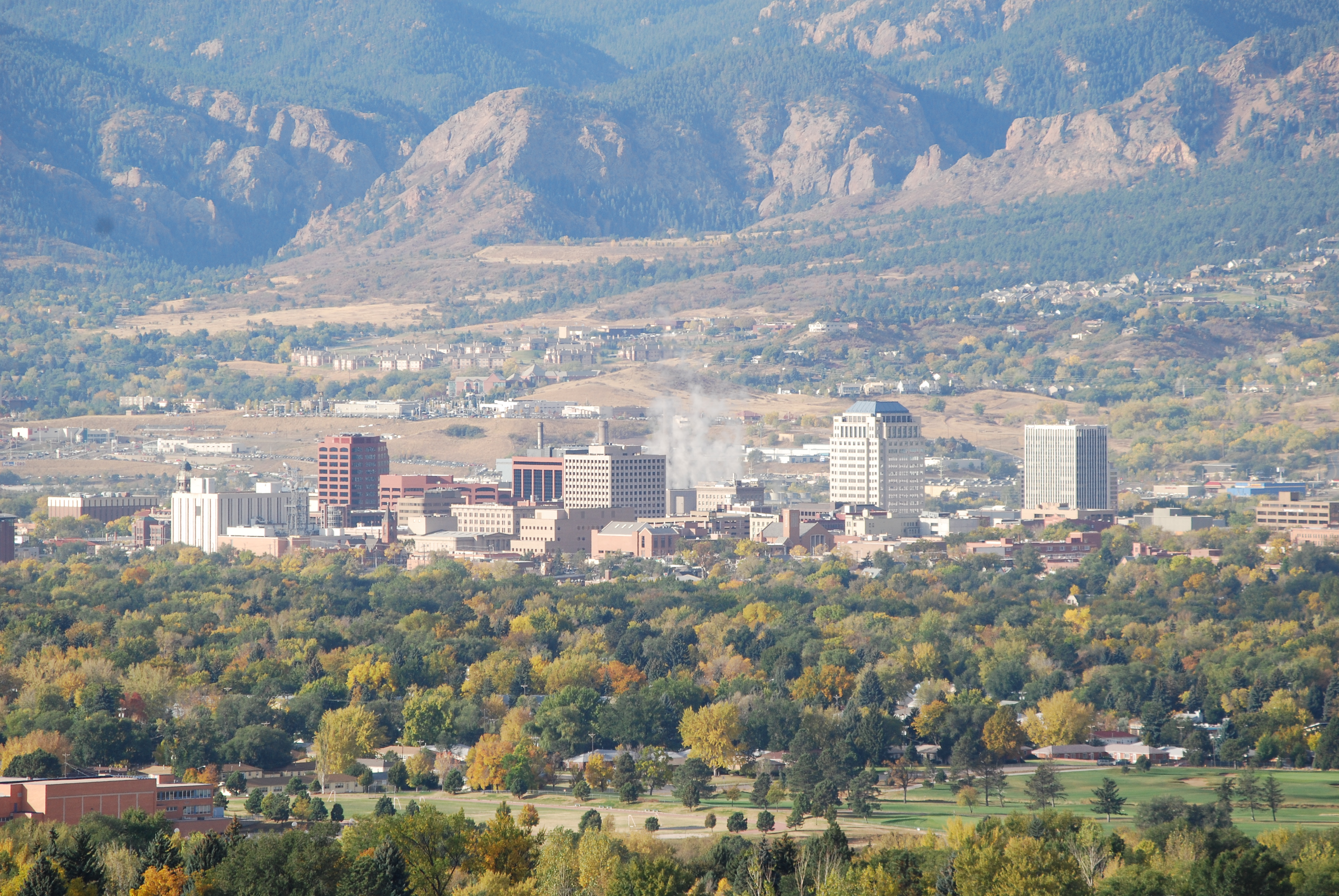
The elevation of Colorado Springs is a fundamental aspect of its geography, significantly shaping its climate, ecology, and the experience of its visitors. Being situated in a high-altitude environment means that the air is thinner, containing less oxygen than at sea level. This natural phenomenon necessitates a certain level of awareness and preparation for travelers.
The Official Elevation
The official average elevation of Colorado Springs is approximately 6,035 feet (1,839 meters) above sea level. This places it well above the threshold where altitude effects can begin to be noticed by some individuals, typically around 5,000 feet (1,524 meters). For reference, this is significantly higher than major cities like Denver, which is often called the “Mile High City” at 5,280 feet (1,609 meters), though the difference is not vast. This elevation contributes to the city’s crisp air, vibrant sunshine, and distinct four-season climate.
Varying Elevations Within the Region
It’s important to note that while 6,035 feet is the average elevation for Colorado Springs, the topography of the area is quite varied. The city sprawls across a diverse landscape, from relatively flatter eastern plains to the dramatic foothills of the Rocky Mountains to the west.
- Higher Elevations: Areas closer to the mountains, such as parts of west Colorado Springs, Manitou Springs, and certainly the ascent to Pikes Peak itself, can reach much higher altitudes. The summit of Pikes Peak towers at 14,115 feet (4,302 meters), representing a significant jump in elevation from the city floor. Similarly, landmarks like the Cheyenne Mountain Zoo are situated at elevations higher than the city average, offering panoramic views that come with added altitude.
- Lower Elevations: Conversely, some eastern parts of Colorado Springs might be slightly below the average. However, for most tourist purposes and general living, the 6,035-foot figure is the most relevant benchmark.
Understanding this variability is crucial, especially when planning activities. A leisurely stroll through downtown Colorado Springs might feel different than an strenuous hike up a trail closer to Pikes Peak, even for well-acclimated individuals.
Navigating the Effects of High Altitude
Visiting Colorado Springs means embracing its high-altitude environment. While many visitors experience no significant issues, it’s wise to be prepared for the potential effects of thinner air, especially if you’re traveling from a lower elevation. Taking proactive steps can ensure your trip remains enjoyable and comfortable.
Common Symptoms of Altitude Sickness
Altitude sickness, or Acute Mountain Sickness (AMS), occurs when your body doesn’t adapt quickly enough to the reduced oxygen levels at higher elevations. Symptoms can range from mild to severe, typically appearing within 6-24 hours after arrival. Common mild symptoms include:
- Headache: Often the most prevalent symptom.
- Nausea or Loss of Appetite: You might feel a bit queasy or not want to eat much.
- Dizziness or Lightheadedness: A sensation of imbalance.
- Fatigue or Weakness: Feeling unusually tired.
- Shortness of Breath: Even with minimal exertion.
- Difficulty Sleeping: Trouble falling or staying asleep.
These symptoms are usually temporary and resolve as your body acclimatizes. However, if symptoms worsen or become severe (e.g., severe headache, persistent vomiting, confusion, difficulty walking), it’s crucial to seek medical attention immediately and descend to a lower elevation if possible.
Essential Acclimatization Strategies
The key to a successful high-altitude visit is proper acclimatization. Here are some indispensable strategies:
- Take it Easy on Arrival: Resist the urge to dive straight into strenuous activities. Plan a relaxed first day or two. Explore downtown, visit a museum, or enjoy a gentle walk. This allows your body to adjust gradually.
- Stay Hydrated: Dehydration can exacerbate altitude sickness. Drink plenty of water throughout the day, even if you don’t feel thirsty. Avoid excessive alcohol consumption, as it can dehydrate you and impair your body’s ability to acclimatize. Caffeinated beverages should also be consumed in moderation initially.
- Eat Light, Healthy Meals: Opt for easily digestible foods and complex carbohydrates. Your body uses more energy to process oxygen at altitude, so proper nutrition is vital.
- Listen to Your Body: Pay close attention to how you’re feeling. If you start to experience symptoms, rest, hydrate, and consider descending if they don’t improve. Don’t push yourself if you’re feeling unwell.
- Consider Medications (Consult Your Doctor): For those particularly susceptible to altitude sickness or planning a rapid ascent, your doctor might recommend prescription medications like Acetazolamide (Diamox) to aid acclimatization.
Hydration and Sun Protection
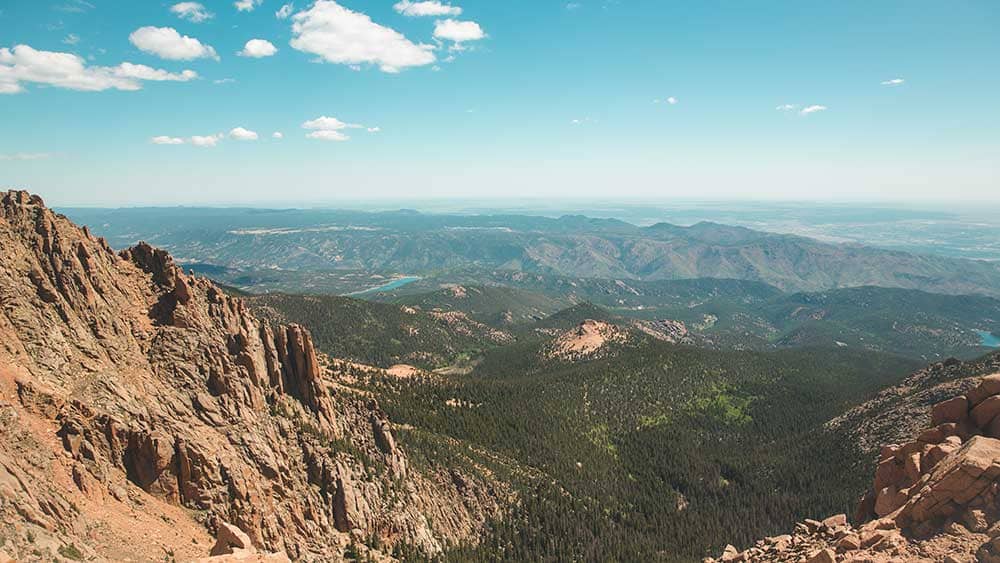
Beyond acclimatization, two other crucial elements for enjoying Colorado Springs’ high-altitude climate are hydration and sun protection. The dry air at elevation can lead to increased fluid loss, while the thinner atmosphere offers less protection from the sun’s powerful ultraviolet (UV) rays.
- Hydration: Always carry a reusable water bottle and refill it frequently. Many accommodations, like The Broadmoor, offer excellent amenities to help guests stay hydrated. Juices, broths, and electrolyte-rich drinks can also be beneficial.
- Sun Protection: Sunburn can happen quickly at high altitudes, even on cloudy days. Apply high-SPF sunscreen regularly, wear sunglasses to protect your eyes, and consider a wide-brimmed hat. Light, long-sleeved clothing can also offer protection during outdoor activities.
By following these guidelines, you can significantly mitigate the challenges of high altitude and fully immerse yourself in the wonders of Colorado Springs.
Iconic Attractions and Experiences at Elevation
Colorado Springs is a treasure trove of attractions, many of which leverage its dramatic mountainous backdrop and elevated position to offer unparalleled experiences. From natural wonders to historical sites and family-friendly venues, the city caters to every type of traveler, each offering a unique perspective on Colorado’s high-altitude beauty.
Pikes Peak – America’s Mountain
Dominating the western skyline of Colorado Springs, Pikes Peak stands as an enduring symbol of the American West. Reaching its summit at 14,115 feet (4,302 meters) is an unforgettable experience. Visitors can ascend via the scenic Pikes Peak Highway, the historic Pikes Peak Cog Railway (recently reopened with new trains), or for the adventurous, a challenging hike on the Barr Trail. At the summit, the newly built Pikes Peak Summit Visitor Center offers stunning 360-degree views and world-famous Pikes Peak donuts. Remember that the air here is significantly thinner than in the city, so take it slow and be mindful of altitude effects.
Garden of the Gods Park – A Geological Marvel
A designated National Natural Landmark, Garden of the Gods Park is an extraordinary landscape of towering sandstone rock formations, some reaching heights of 300 feet. Located just west of downtown Colorado Springs, this free public park offers paved and unpaved trails perfect for hiking, biking, and rock climbing (with a permit). The park’s Visitor and Nature Center provides insightful exhibits on its geology, ecology, and cultural history. Its relatively lower elevation compared to Pikes Peak, yet still elevated within the city, makes it an excellent place to enjoy nature while acclimatizing.
United States Air Force Academy – A Glimpse into Military Excellence
The United States Air Force Academy (USAFA) is a prestigious institution and a fascinating landmark to visit. Its stunning contemporary chapel, futuristic architecture, and expansive grounds offer a unique insight into military life and education. Visitors can explore the Cadet Chapel, the Visitor Center, and various overlooks. The campus is beautiful, with rolling hills and distant mountain views, reflecting the elevated setting of Colorado Springs itself.
Cheyenne Mountain Zoo – America’s Only Mountain Zoo
Perched on the side of Cheyenne Mountain, the Cheyenne Mountain Zoo offers an unparalleled zoo experience. As America’s only mountain zoo, it boasts incredible views of Colorado Springs and the plains beyond, alongside its impressive animal exhibits. The zoo’s terraced layout means there’s a fair amount of uphill walking, but the unique animal encounters – including the opportunity to feed giraffes – and the panoramic vistas make it well worth the effort. Consider taking the Mountaineer Sky Ride for an easier ascent and even more spectacular views.
Broadmoor Seven Falls – Nature’s Cascading Beauty
Tucked away in a magnificent 1,250-foot-wall box canyon, Broadmoor Seven Falls is a series of seven cascading waterfalls, considered Colorado’s only waterfall designated on National Geographic’s list of international wonders. Accessible through The Broadmoor resort grounds, visitors can reach the base of the falls via a scenic tram. From there, a challenging 224-step staircase leads to the top, offering exhilarating views and access to hiking trails. The natural beauty here is profound, embodying the raw, majestic essence of the Rocky Mountains foothills.
Exploring Downtown Colorado Springs
Beyond the iconic natural landmarks, downtown Colorado Springs offers a vibrant urban experience. Stroll along Tejon Street, lined with local boutiques, art galleries, and diverse restaurants. Discover historical architecture, enjoy the lively atmosphere of outdoor cafes, or visit the Colorado Springs Pioneer Museum to delve into the city’s rich past. The downtown area provides a great base for exploring, with many hotels and accommodation options, from luxury suites to budget-friendly apartments. Even here, the crisp, high-altitude air adds a unique character to your urban explorations.
Planning Your High-Altitude Colorado Springs Adventure
Preparing for a trip to Colorado Springs involves more than just booking flights and hotels; it requires an understanding of its unique high-altitude environment to ensure a smooth and enjoyable experience. Integrating travel, accommodation, and lifestyle choices with awareness of the elevation will elevate your entire trip.
Choosing the Right Accommodation
Colorado Springs offers a vast array of accommodation options to suit every preference and budget. When considering where to stay, think about proximity to attractions and amenities that can aid in acclimatization.
- Luxury Resorts: For an opulent experience, The Broadmoor is an iconic five-star resort known for its impeccable service, world-class golf courses, spa, and fine dining. Staying here offers comfort and access to amenities that can help you relax and adjust.
- Boutique Hotels and Downtown Stays: Hotels in downtown Colorado Springs like the Kinship Landing or the historic Antlers, a Wyndham Hotel provide convenient access to urban attractions, dining, and shops. They often feature amenities like fitness centers and in-house dining options.
- Family-Friendly Options: Many hotels and resorts cater to families, offering suites with extra space, pools, and activities. Consider places with easy access to attractions like the Cheyenne Mountain Zoo or Garden of the Gods Park.
- Vacation Rentals: For longer stays or those desiring a home-away-from-home feel, vacation rentals (apartments, villas) are abundant. These can offer kitchens for preparing your own meals, which can be helpful for managing dietary needs while acclimatizing.
When booking, reviews often highlight aspects relevant to high-altitude living, such as air conditioning (important for dry air), proximity to medical facilities, or quiet rooms for restful sleep.
Packing Smart for Colorado’s Climate
Colorado’s high-altitude climate is characterized by intense sunshine, dry air, and often dramatic temperature swings, even within a single day. Layering is paramount for your wardrobe.
- Layers: Pack versatile clothing that can be easily added or removed. Think t-shirts, long-sleeved shirts, sweaters or fleece, and a waterproof/windproof outer jacket. Even in summer, evenings can be cool.
- Sun Protection: Include sunglasses, a wide-brimmed hat, and high-SPF sunscreen. UV radiation is more intense at higher elevations.
- Comfortable Footwear: For exploring attractions like Garden of the Gods Park or hiking trails, comfortable walking shoes or hiking boots are essential.
- Hydration Gear: A reusable water bottle is a must. Consider a small backpack for day trips to carry water, snacks, and extra layers.
Embracing a Relaxed Pace
High-altitude travel is an invitation to slow down and savor the journey. While Colorado Springs offers countless thrilling activities, try not to overschedule your days, especially at the beginning of your trip.
- Gentle Exploration: Start with less strenuous activities like scenic drives, museum visits, or leisurely walks in Garden of the Gods Park.
- Scheduled Rest: Integrate rest periods into your itinerary. Enjoy an afternoon coffee at a local cafe, relax by the pool at your resort, or simply unwind in your accommodation.
- Flexible Itinerary: Be open to adjusting your plans based on how you feel. If symptoms of altitude sickness emerge, prioritize rest and hydration over sticking rigidly to a packed schedule.
Family Trips and Adventure Seekers
Colorado Springs is an excellent destination for both family adventures and thrill-seekers, with activities tailored to various energy levels.
- Family Fun: Many attractions, like the Cheyenne Mountain Zoo and the Ghost Town Museum, are perfect for all ages. Teach children about hydration and sun protection, and ensure they also take breaks.
- Adventure Sports: For those craving adrenaline, activities like rock climbing, mountain biking, and white-water rafting in nearby areas like the Royal Gorge (though further afield) are popular. However, always assess your physical condition and acclimatization level before engaging in strenuous sports at elevation. Guides and outfitters are generally experienced in high-altitude safety.
By considering the altitude of Colorado Springs in your planning, from accommodation choices to daily activities, you’ll be well-equipped to enjoy a fantastic, comfortable, and unforgettable experience in this magnificent Colorado destination. The city’s unique charm, stunning natural beauty, and wealth of attractions truly shine when approached with respect for its elevated environment.
LifeOutOfTheBox is a participant in the Amazon Services LLC Associates Program, an affiliate advertising program designed to provide a means for sites to earn advertising fees by advertising and linking to Amazon.com. Amazon, the Amazon logo, AmazonSupply, and the AmazonSupply logo are trademarks of Amazon.com, Inc. or its affiliates. As an Amazon Associate we earn affiliate commissions from qualifying purchases.