
Often referred to as the “Mile High City“, Denver, Colorado, holds a distinct place on the map, not just for its vibrant culture and stunning urban landscape, but for its remarkable elevation. Perched exactly one mile above sea level, Denver sits at an official elevation of 5,280 feet (1,609 meters). This unique geographical characteristic is more than just a fun fact; it profoundly influences everything from the climate and the local lifestyle to the travel experiences of visitors. For anyone planning a trip to this captivating destination, understanding Denver’s altitude is key to a comfortable and enjoyable stay.
The city’s elevation offers breathtaking views of the majestic Rocky Mountains to the west and contributes to its reputation as a haven for outdoor enthusiasts. However, it also presents a unique set of considerations for travelers, particularly those unaccustomed to higher elevations. From how the air feels to the effects on physical activity, the altitude shapes much of the Denver experience. This guide delves into the specifics of Denver’s altitude, its implications for visitors, and how to make the most of your adventure in the Mile High City. Whether you’re interested in exploring Denver’s world-class museums, savoring its burgeoning culinary scene, or embarking on an exhilarating hike in the nearby mountains, being prepared for the elevation will ensure your visit is nothing short of spectacular.
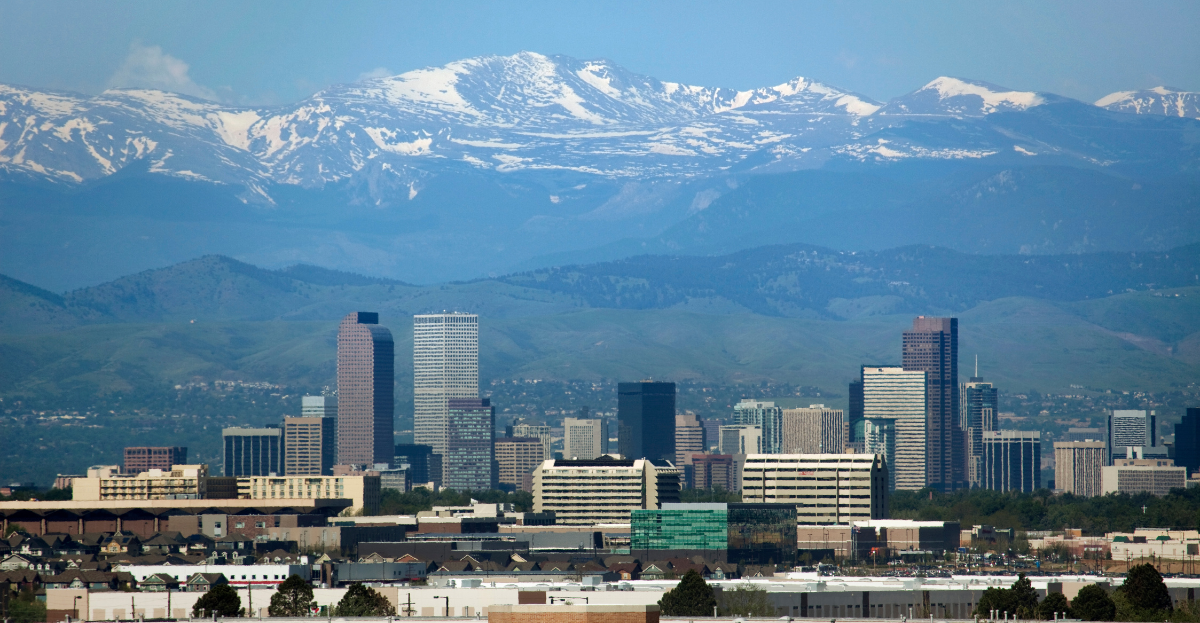
The Mile-High City Defined: Understanding Denver’s Unique Elevation
The moniker “Mile High City” isn’t just a catchy phrase; it’s a precise geographical reality for Denver. The city’s exact elevation is meticulously measured and celebrated, making it one of the most famous high-altitude urban centers in the United States. This elevation directly impacts various aspects of daily life and travel, setting Denver apart from many other major cities.
Pinpointing Denver’s Elevation
The most iconic marker of Denver’s altitude is found on the steps of the Colorado State Capitol Building. There, a brass marker on the 13th step explicitly states that it is “One Mile Above Sea Level,” at 5,280 feet. Another marker, placed higher on the 18th step in 2003, acknowledges more precise measurements by engineering students, stating 5,280 feet 6 inches. Regardless of the few inches, the city proudly stands at the one-mile mark, a fact that has become deeply embedded in its identity and culture.
This consistent elevation means that Denver experiences certain atmospheric conditions unique to high-altitude environments. The air pressure is lower, and there’s less oxygen per breath compared to sea level. While these differences are generally subtle enough not to pose severe issues for most healthy individuals, they are significant enough to warrant awareness and minor adjustments, especially for visitors. The relatively dry climate and intense sunshine, common in high-altitude desert regions, further define Denver’s environmental character. This combination of factors contributes to clear skies and an abundance of sunny days, making Denver a consistently bright and inviting destination.
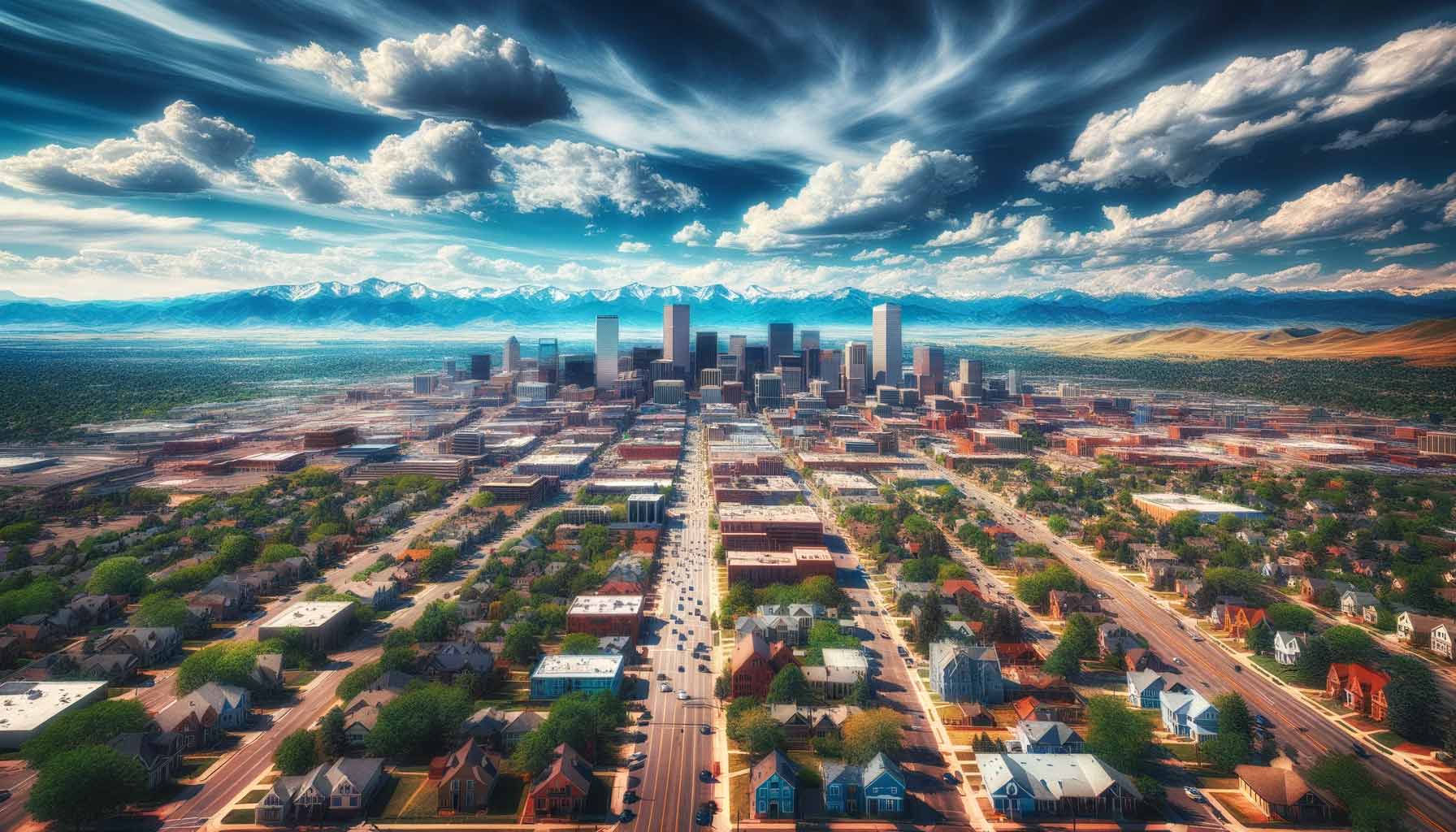
Denver in a High-Altitude Context
Globally, many major cities sit at high altitudes, but Denver is unique among large North American cities in its precise “mile-high” designation. Other notable high-altitude cities around the world include Mexico City (over 7,300 feet), Nairobi, Kenya (around 5,889 feet), and Santa Fe, New Mexico (approximately 7,199 feet). In South America, cities like La Paz, Bolivia (over 11,900 feet), Bogota, Colombia (around 8,660 feet), and Quito, Ecuador (about 9,350 feet), are significantly higher. Compared to these, Denver’s mile-high elevation is relatively moderate, making acclimatization generally easier for most visitors. Nevertheless, it’s an elevation that still requires respect and preparation, particularly for those coming from sea level.
The proximity of even higher peaks of the Rocky Mountains means that residents and visitors often venture to elevations significantly greater than 5,280 feet for hiking, skiing, and other outdoor sports. Popular ski resorts like Breckenridge and Vail are located at elevations well over 9,000 feet, and some mountain passes exceed 12,000 feet. This highlights why understanding and preparing for altitude is a common thread throughout travel and lifestyle in Colorado.
Navigating Denver’s High Altitude: Tips for Visitors
For many travelers, particularly those arriving from sea level, the primary concern when visiting Denver is the potential impact of its altitude. While Denver’s elevation is manageable for most, it’s crucial to be aware of how your body might react and to take proactive steps to ensure a comfortable and healthy trip. Proper acclimatization can make all the difference in enjoying everything the city and its surrounding areas have to offer.
Common Symptoms and Prevention
The most common altitude-related condition is Acute Mountain Sickness (AMS), often manifesting as headaches, dizziness, nausea, fatigue, and shortness of breath. These symptoms typically appear within 6-24 hours of arrival and are usually mild in Denver due to its moderate elevation. However, for some, they can be more pronounced.
Prevention is key to a smooth transition:
- Hydrate, Hydrate, Hydrate: This is arguably the most important tip. The dry air at altitude and increased respiration can lead to faster dehydration. Drink plenty of water before and during your trip. Avoid excessive alcohol and caffeine, as they can contribute to dehydration.
- Take it Easy: Upon arrival, resist the urge to immediately embark on strenuous activities. Allow your body 24-48 hours to adjust. Opt for light sightseeing and gentle strolls rather than intense hikes or workouts on your first day.
- Listen to Your Body: Pay close attention to any changes in how you feel. If symptoms worsen, rest. If they become severe, descend to a lower altitude or seek medical advice.
- Eat Lightly: Opt for easily digestible meals. Heavy, fatty foods can sometimes exacerbate nausea at altitude.
- Consider Acclimatization Days: If your itinerary includes venturing to significantly higher elevations (e.g., skiing in Aspen or Winter Park), consider spending a day or two in Denver first to allow your body to begin adapting before ascending further.
- Sun Protection: At higher altitudes, the sun’s UV rays are more intense. Wear sunscreen, hats, and sunglasses, even on cloudy days.
By following these simple guidelines, most visitors will experience little to no significant issues with Denver’s altitude, allowing them to fully immerse themselves in the travel experiences, local culture, and stunning landscapes that await.
Exploring Denver: Attractions and Experiences at Elevation
Denver’s elevation is intrinsically linked to its identity, influencing not only the air you breathe but also the types of attractions and experiences that thrive here. From natural wonders showcasing its mountain backdrop to vibrant urban districts pulsating with art and cuisine, the Mile High City offers a diverse array of activities tailored for every kind of traveler.
Iconic Landmarks and Outdoor Adventures
Denver’s position as the gateway to the Rocky Mountains makes it an ideal base for both urban exploration and outdoor adventure.
- Red Rocks Park and Amphitheatre: Just a short drive from downtown, this geological marvel and world-renowned concert venue offers stunning natural beauty and panoramic views. It’s a perfect spot for a hike or to catch a memorable live performance, allowing visitors to experience the striking landscape Colorado is famous for.
- Denver Botanic Gardens: This oasis in the heart of the city showcases an incredible array of plants from around the world and arid regions, beautifully adapted to the high-altitude climate. It’s a peaceful retreat and a testament to horticultural innovation.
- City Park: One of Denver’s largest and most popular urban parks, offering stunning views of the city skyline against the backdrop of the Rocky Mountains. It’s home to the Denver Zoo and the Denver Museum of Nature & Science, providing entertainment for families and culture seekers alike.
- 16th Street Mall: A mile-long pedestrian promenade designed by I.M. Pei, featuring shops, restaurants, and street performers. A free shuttle bus, the MallRide, makes it easy to explore this bustling urban artery, connecting Union Station to the State Capitol Building.
- Day Trips to the Mountains: For those looking for more strenuous outdoor activities, the Rocky Mountains are practically on Denver’s doorstep. Hiking, mountain biking, and during winter, world-class skiing, are all within a two-hour drive, offering exhilarating experiences for the adventurous traveler. Remember to allow for acclimatization before tackling these higher elevations.
Culinary Delights and Cultural Hotspots
Denver’s cultural scene is as vibrant and diverse as its landscape, with a particular emphasis on local flavors and artistic expression.
- RiNo Art District: The River North Art District is a former industrial area transformed into a hub for street art, galleries, creative businesses, and trendy eateries. It’s a fantastic place to wander, discover unique boutiques, and enjoy innovative cuisine.
- LoDo (Lower Downtown): This historic district boasts Victorian architecture, an energetic nightlife, sports venues, and some of the city’s finest restaurants and bars. Union Station, a beautifully restored Beaux-Arts landmark, serves as a central transportation hub and a destination in itself, with upscale dining and boutique shops.
- Museums and Galleries: The Denver Art Museum offers an impressive collection of Native American art and modern and contemporary works. For an immersive and interactive art experience, the Meow Wolf Denver Convergence Station provides an unforgettable journey through surreal worlds.
- Craft Beer Scene: Colorado is a leader in the craft beer movement, and Denver is at its heart. Numerous breweries offer tours and tasting rooms, providing a taste of the local lifestyle and a chance to socialize with residents.
These attractions provide a rich tapestry of experiences that showcase Denver’s unique blend of urban sophistication and wild Western spirit, all under the expansive Colorado sky.
Where to Stay in Denver: Accommodations for Every Traveler
Selecting the right accommodation is a crucial part of any travel plan, and Denver offers a wide spectrum of options to suit every preference, budget, and lifestyle. From luxurious suites with panoramic city views to cozy boutique hotels nestled in vibrant neighborhoods, the Mile High City ensures that every visitor finds their ideal home away from home. When booking, consider the proximity to attractions, the ambiance you seek, and any specific amenities that will enhance your stay at altitude.
Luxury Hotels and Boutique Stays
For travelers seeking an opulent experience, Denver’s luxury hotel scene rivals that of any major metropolitan area. These establishments typically offer exceptional service, high-end amenities, and prime locations that put you at the heart of the action.
- The Brown Palace Hotel and Spa: A historic landmark since 1892, The Brown Palace is synonymous with elegance and grandeur. Its stunning atrium, exquisite dining options, and classic charm make it a top choice for a luxurious stay. It’s located downtown, offering easy access to business districts and cultural sites.
- Four Seasons Hotel Denver: Known for its unparalleled service and sophisticated ambiance, the Four Seasons provides a lavish escape. Guests can enjoy a rooftop pool, a world-class spa, and fine dining, all while being steps away from the Denver Center for the Performing Arts.
- Ritz-Carlton, Denver: Offering spacious rooms, a highly-rated spa, and exceptional service, The Ritz-Carlton is another excellent choice for luxury travelers. It provides a serene retreat amidst the vibrant energy of downtown.
- Hotel Clio, a Luxury Collection Hotel, Denver Cherry Creek: Situated in the upscale Cherry Creek neighborhood, this hotel offers a blend of modern design and local flair. It’s ideal for those who enjoy high-end shopping, art galleries, and gourmet dining within walking distance.
- Kimpton Hotel Monaco Denver: A favorite for boutique hotel enthusiasts, Kimpton Hotel Monaco blends quirky design with personalized service. Its central location makes it perfect for exploring downtown attractions, and it often features complimentary wine hours and pet-friendly policies, catering to a diverse range of lifestyles.
- The Crawford Hotel: Located within the historic Union Station, The Crawford offers a unique and stylish stay. Each room is distinct, reflecting different eras of the building’s history, and guests have immediate access to Union Station’s array of shops, restaurants, and direct rail service to Denver International Airport.
Budget-Friendly Options and Extended Stays
For travelers keeping an eye on their budget or planning a longer visit, Denver also provides a variety of economical and practical accommodation choices.
- Hostels: For solo travelers or those on a shoestring budget, hostels like Hostel Fish in LoDo offer affordable dormitory-style lodging with a vibrant social atmosphere. They are excellent for meeting fellow travelers and often provide organized activities and local tips.
- Chain Hotels: Major hotel chains such as Marriott, Hilton, and Hyatt have numerous properties throughout Denver and its surrounding areas. These options often provide reliable quality, essential amenities like breakfast and Wi-Fi, and competitive pricing, especially when booked in advance. Many also offer loyalty programs for frequent travelers.
- Extended Stay Apartments/Hotels: For longer visits, whether for business or leisure, serviced apartments or extended-stay hotels are a great choice. Brands like Residence Inn or Homewood Suites offer kitchenettes, more living space, and often laundry facilities, making them ideal for families or those planning to explore Colorado for several weeks. These options cater to a lifestyle that requires more than just a typical hotel room, allowing guests to settle in and experience local life more authentically.
- Vacation Rentals: Platforms like Airbnb and Vrbo are popular in Denver, offering a wide range of apartments, houses, and unique stays. This option is perfect for travelers looking for a more personalized experience, often with local insights from hosts, and can be particularly cost-effective for groups or longer durations.
When booking your stay, consider using reputable comparison websites and reviews to find the best deals and ensure your chosen accommodation meets your expectations. Regardless of your budget or travel style, Denver’s diverse accommodation landscape ensures a comfortable and memorable visit to the Mile High City.
In conclusion, Denver’s altitude of 5,280 feet is a defining characteristic that shapes much of the city’s appeal and experience. While it requires a degree of awareness and simple preparation from visitors, it contributes to the stunning natural backdrop, the vibrant outdoor lifestyle, and the unique charm of this Colorado gem. By understanding its elevation and embracing the tips for acclimatization, travelers can fully immerse themselves in Denver’s rich cultural scene, explore its iconic landmarks, indulge in its culinary delights, and embark on unforgettable adventures in the nearby Rocky Mountains. The Mile High City truly offers an elevated experience, inviting everyone to discover its boundless opportunities and breathtaking beauty.
LifeOutOfTheBox is a participant in the Amazon Services LLC Associates Program, an affiliate advertising program designed to provide a means for sites to earn advertising fees by advertising and linking to Amazon.com. Amazon, the Amazon logo, AmazonSupply, and the AmazonSupply logo are trademarks of Amazon.com, Inc. or its affiliates. As an Amazon Associate we earn affiliate commissions from qualifying purchases.