
Florida, often celebrated as the Sunshine State, beckons millions of travelers each year with its pristine beaches, vibrant cities, world-class attractions, and diverse natural landscapes. From the magical theme parks of Orlando to the Art Deco charm of Miami, and the historic cobblestone streets of St. Augustine to the tranquil shores of the Panhandle, the state offers an unparalleled array of experiences. However, before you pack your bags and plan your itinerary, there’s a crucial logistical detail that savvy travelers must consider: Florida’s time zones. Unlike many states that adhere to a single time zone, Florida spans two, a fact that can significantly impact everything from flight schedules and hotel check-ins to tour bookings and even family communication. Understanding these nuances is key to a smooth and stress-free journey, ensuring your travel, accommodation, and tourism plans unfold without a hitch.
This comprehensive guide will demystify Florida’s time zones, detailing which areas fall into which category, explaining the impact of Daylight Saving Time, and providing essential tips for optimizing your travel experience in this geographically diverse state. By the end, you’ll be well-equipped to navigate Florida’s temporal landscape like a seasoned globetrotter, making the most of every precious moment, whether you’re embarking on a luxury escape, a budget-friendly adventure, or a memorable family trip.
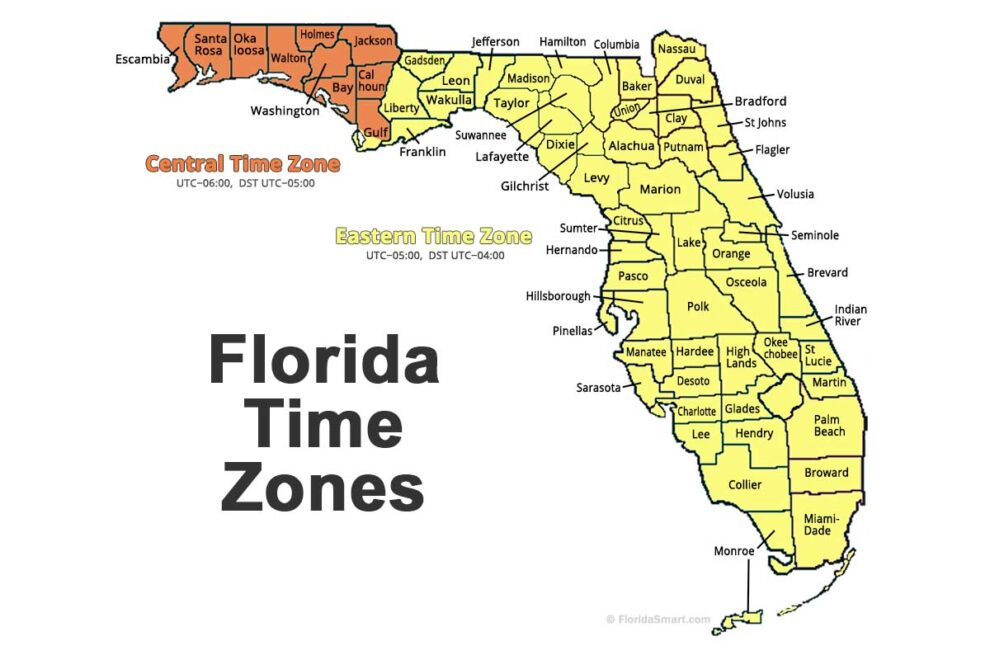
The Sunshine State’s Dual Time Zones
Florida’s geographical expanse means it doesn’t fit neatly into a single time zone. The vast majority of the state operates on the Eastern Time Zone, aligning with major East Coast cities. However, a significant portion of its westernmost region, particularly the Florida Panhandle, observes the Central Time Zone. This demarcation point, often overlooked, is crucial for planning any itinerary that involves traversing the state from east to west or vice-versa.
Eastern Standard Time (EST) / Eastern Daylight Time (EDT)
The predominant time zone across Florida is the Eastern Time Zone, which means most visitors will likely find themselves operating under Eastern Standard Time (EST) during colder months and Eastern Daylight Time (EDT) during warmer months. This encompasses the state’s most iconic and densely populated destinations, making it the default assumption for many who visit.
Major cities and tourist hubs adhering to EST/EDT include:
- Miami, famous for its vibrant nightlife, stunning beaches like South Beach, and Cuban culture in Little Havana.
- Orlando, home to world-renowned theme parks such as Walt Disney World Resort, Universal Orlando Resort, and countless hotels ranging from luxury resorts to budget-friendly apartments.
- Jacksonville, Florida’s largest city by area, offering beautiful coastline and a thriving arts scene.
- Tampa, known for its historic Ybor City, vibrant waterfront, and attractions like Busch Gardens Tampa Bay.
- Fort Lauderdale, often called the “Venice of America” due to its extensive canal system, and a popular cruise ship port.
- Key West and the entire Florida Keys, offering unique island lifestyles, stunning sunsets, and incredible marine activities.
- Tallahassee, the state capital, with its historic sites and beautiful nature parks.

For travelers heading to these destinations, understanding EST/EDT is crucial for coordinating flight arrivals, managing hotel check-in times at properties like the Grand Hyatt Tampa Bay or a Marriott International resort, and scheduling visits to attractions. Theme park opening and closing times, restaurant reservations, and showtimes are all meticulously set according to Eastern Time. Even booking a long-term stay in a Fort Lauderdale apartment or a Miami villa for an extended luxury travel experience requires this awareness.
Central Standard Time (CST) / Central Daylight Time (CDT)
The westernmost counties of the Florida Panhandle fall within the Central Time Zone. This means they are consistently one hour behind the rest of the state. During the non-Daylight Saving period, this is Central Standard Time (CST), and during Daylight Saving, it’s Central Daylight Time (CDT). This region is celebrated for its stunning emerald coast beaches, charming coastal towns, and natural landmarks like the Gulf Islands National Seashore.
The counties observing CST/CDT include:
- Escambia County (home to Pensacola).
- Santa Rosa County.
- Okaloosa County (including popular destinations like Destin and Fort Walton Beach).
- Walton County (known for Seaside and 30A communities).
- Bay County (where Panama City Beach is located).
The time zone boundary largely follows the Apalachicola River. East of the Apalachicola River, Gulf County and Franklin County observe Eastern Time, while west of the river, they are in Central Time. This can create a very localized time zone shift, particularly in towns bisected by the river or near the county lines. Imagine booking an attraction in Panama City Beach (CST) and then driving an hour east for a dinner reservation in Apalachicola (EST) – you would effectively lose an hour, which could lead to missed appointments if not accounted for. This is particularly relevant for road trips from neighboring states like Alabama or Mississippi, which are largely in the Central Time Zone. For anyone planning accommodation in a Destin resort or a Panama City Beach vacation rental, confirming the time zone of your booking is as critical as verifying the address.

Navigating Daylight Saving Time in Florida
Like most of the United States, Florida observes Daylight Saving Time (DST). This biannual adjustment further complicates the time zone landscape for travelers, particularly those planning trips around the spring forward or fall back dates.
Daylight Saving Time typically begins on the second Sunday in March, when clocks “spring forward” one hour. This means 2 AM becomes 3 AM, effectively shortening the night and extending daylight into the evening. It ends on the first Sunday in November, when clocks “fall back” one hour, with 2 AM becoming 1 AM, returning to Standard Time. During DST, Eastern Standard Time (EST) becomes Eastern Daylight Time (EDT), and Central Standard Time (CST) becomes Central Daylight Time (CDT). The one-hour difference between the two zones in Florida remains consistent.
For travelers, the impact of DST can be subtle yet significant. If your flight arrives early on the day clocks spring forward, you might arrive an hour “later” than anticipated by your body clock, potentially affecting hotel check-in times or scheduled tours. Conversely, if you depart as clocks fall back, you might gain an hour, which could be beneficial for an early flight but also requires careful attention to avoid arriving at the airport an hour too early. For those on extended stays or business trips, coordinating with clients or family members outside of Florida during these transitions demands an extra layer of awareness.
There have been discussions and legislative efforts in Florida to make Daylight Saving Time permanent, meaning the state would perpetually operate on EDT. While the state legislature passed a bill, the “Sunshine Protection Act,” it requires approval from the U.S. Congress, which has not yet been granted. Therefore, for the foreseeable future, travelers to Florida should anticipate the biannual time change and factor it into their planning, especially if their travel dates straddle the DST transition. This constant shift underscores the importance of relying on devices that automatically adjust time and always double-checking booking confirmations.
Why Time Zones Matter for Your Florida Travel Experience
Understanding Florida’s time zones is far more than just a trivial detail; it’s a foundational element of successful travel planning, directly influencing your experience, from the efficiency of your logistics to your enjoyment of local culture and attractions.
Seamless Travel Planning and Logistics
For any journey, precision in timing is paramount. This is especially true when dealing with a state that has two time zones.
- Flights and Transportation: An airline ticket might list an arrival time in Pensacola (CST/CDT) that, if miscalculated, could lead to a frantic rush or a frustrating wait if you’re coming from or connecting through Miami (EST/EDT). Similarly, bus or train schedules traversing the state will adhere to the local time zones they pass through. When booking rental cars or private transfers, confirming the pickup/drop-off times in the correct time zone is vital to avoid delays or additional charges.
- Hotel Check-ins and Check-outs: Most hotels, from luxury resorts like The Breakers Palm Beach to Airbnb rentals in St. Petersburg, have strict check-in and check-out times. Arriving an hour late or early due to a time zone miscalculation can impact your ability to access your room immediately or result in unexpected fees. For those exploring different parts of the state, say moving from an Orlando apartment rental to a Destin condo, synchronizing these times is essential for a smooth transition.
- Booking Attractions, Tours, and Dining: Florida is replete with attractions, from theme parks to museums, historical landmarks like the Castillo de San Marcos in St. Augustine, and natural wonders like Everglades National Park. Each has specific operating hours and often requires advance booking for tours or timed entry. A misjudgment of an hour can lead to missing your slot for a Kennedy Space Center Visitor Complex tour or arriving late for a coveted dining reservation at a popular Key West restaurant. This applies equally to budget travel, where missing a pre-booked, non-refundable tour can significantly impact the trip’s cost-effectiveness, or luxury travel, where missed reservations can be highly inconvenient.
Enhancing Your Tourism and Lifestyle Activities
Beyond pure logistics, time zone awareness contributes significantly to the quality of your tourism and lifestyle experiences in Florida.
- Maximizing Time at Destinations: Being aware of the local time allows you to effectively plan your days, maximizing your time at theme parks, beaches, or historical sites. Imagine gaining an “extra” hour of daylight when traveling west into the Central Time Zone, or conversely, having an hour less than expected when moving east, requiring earlier starts to fully enjoy your planned activities. For family trips, this can mean the difference between fitting in one more ride at LEGOLAND Florida Resort or a relaxed evening stroll on the beach.
- Local Culture and Events: Florida’s local culture, festivals, and nightlife operate on local time. Missing an evening concert in Pensacola because you mistakenly arrived an hour late, thinking it was Eastern Time, would be a regrettable oversight. Understanding the rhythm of local time ensures you can fully immerse yourself in the destination’s unique offerings, from food festivals to art walks.
- Business Stays and Communication: For business travelers, time zone discrepancies are critical for scheduling virtual meetings, conference calls, or client appointments, especially when collaborating with teams across the country or internationally. Even for leisure travelers, staying connected with family and friends back home requires knowing the correct time difference to avoid inconvenient calls.
Accommodation and Communication Considerations
Your choice of accommodation and how you communicate around it are also influenced by time zones.
- Coordinating with Vacation Rentals: If you’re staying in a vacation rental managed by an individual owner or a smaller local agency rather than a large hotel chain, direct communication about arrival and departure times in the correct local time zone is crucial. This helps prevent misunderstandings about key handoffs or service schedules. Platforms like Vrbo or local property managers often specify the time zone of the property in their listings, but it’s always wise to double-check.
- Concierge and Guest Services: For luxury travel and stays at high-end resorts, the concierge desk is an invaluable resource. They are always aware of local time and can help coordinate bookings and activities accordingly. However, even with their assistance, a basic understanding on your part can help streamline your requests.
- Connecting with the Outside World: Whether it’s a family video call or a check-in with a pet sitter, being mindful of the time difference between your Florida location and your home base or other contacts is essential for smooth communication.
Practical Tips for a Time-Zone-Savvy Florida Trip
To ensure your Florida adventure is as seamless and enjoyable as possible, keep these practical tips in mind:
- Always Confirm Times for All Bookings: This is the golden rule. Whether it’s an airline ticket, a hotel reservation, a car rental pickup, or a tour, explicitly confirm the time zone for all scheduled activities. Many booking confirmations will state the time zone, but a quick double-check can prevent major headaches.
- Set Devices to Automatic Time Updates: Most smartphones, tablets, and smartwatches automatically adjust to the local time zone when connected to cellular networks or Wi-Fi. Ensure this feature is enabled on all your devices to avoid manual errors.
- Be Aware of the Panhandle Time Zone Boundary: If your itinerary involves traveling into or within the Florida Panhandle, especially across the Apalachicola River area, pay extra attention. Consider setting a reminder on your phone to alert you to the time change as you approach the boundary. Road signs in this region may also indicate time zone changes.
- Plan for “Jet Lag” When Crossing Time Zones within Florida: While not true jet lag, the one-hour difference can still affect your internal clock, especially if you’re sensitive to schedule changes. If you’re moving from EST to CST, you gain an hour, which can feel like an early night. Moving from CST to EST, you lose an hour, which might feel like an early morning. Adjust your sleep schedule slightly the night before or plan for a relaxed first few hours in the new zone.
- Leverage Hotel Concierge Services: Don’t hesitate to utilize the expertise of your hotel’s concierge or front desk staff. They are a local resource and can clarify any timing questions, confirm bookings, and provide invaluable insights into local schedules, especially if you are staying at a full-service resort or a boutique hotel.
- Utilize Travel Apps: Many travel apps, including flight trackers and itinerary organizers, can display times in both your local time zone and the destination’s time zone, offering a convenient way to keep track of schedules.
- Communicate Clearly with Travel Companions: If you’re traveling with a group or family, make sure everyone is aware of the time zones, especially if you’re splitting up or coordinating meet-up times. A quick huddle each morning can prevent confusion.
By understanding Florida’s dual time zones and implementing these practical tips, you can ensure your trip is not only filled with unforgettable experiences but also operates with precision and ease. From booking a luxury suite overlooking Palm Beach to finding the perfect budget accommodation near Clearwater Beach, or exploring the natural beauty of the Everglades to the bustling streets of Tampa, your time in the Sunshine State will be maximized and thoroughly enjoyed, free from temporal confusion. Happy travels!
LifeOutOfTheBox is a participant in the Amazon Services LLC Associates Program, an affiliate advertising program designed to provide a means for sites to earn advertising fees by advertising and linking to Amazon.com. Amazon, the Amazon logo, AmazonSupply, and the AmazonSupply logo are trademarks of Amazon.com, Inc. or its affiliates. As an Amazon Associate we earn affiliate commissions from qualifying purchases.