
Las Vegas, often hailed as the Entertainment Capital of the World, is renowned for its dazzling casinos, world-class resorts, and vibrant nightlife. Yet, beyond the neon glow and desert mirages, there’s a fundamental geographical detail that subtly shapes the city’s climate, landscape, and even the experience of its millions of visitors: its altitude. Situated in the heart of the Mojave Desert in Nevada, United States, Las Vegas isn’t at sea level, nor is it perched atop a towering mountain range. Its elevation offers a unique blend of desert heat and a surprisingly distinct atmosphere. Understanding this altitude is key to appreciating the city’s environment, planning your visit, and even adapting to the local conditions, whether you’re there for a fleeting weekend or an extended stay.

Unveiling the Elevation of Sin City
The altitude of Las Vegas is one of those facts that often surprises first-time visitors who envision a flat, low-lying desert expanse. In reality, the city sits at a respectable elevation that influences everything from the air quality to the breathtaking views of the surrounding natural landscapes.
The Specifics: How High is Las Vegas?
The average elevation of the Las Vegas metropolitan area is approximately 2,030 feet (620 meters) above sea level. This is a general figure, as the city’s terrain isn’t perfectly flat. For instance, McCarran International Airport, a common entry point for most travelers, is located at around 2,181 feet (665 meters). Different neighborhoods and specific attractions within the valley might vary by a few dozen feet. For instance, some areas of the iconic The Strip might be slightly lower, while upscale residential areas nestled against the foothills could be higher. This elevation places Las Vegas significantly above sea level, making it higher than many major coastal cities, but considerably lower than high-altitude hubs like Denver, Mexico City, Bogota, or Quito.
Geographical Context: A Desert Oasis in the Sky
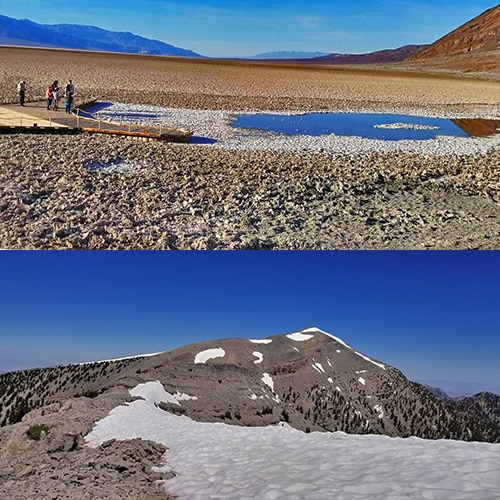
The elevation of Las Vegas is intrinsically linked to its geological setting. The city lies within the Las Vegas Valley, a basin surrounded by mountains. To the west, the majestic Spring Mountains rise dramatically, culminating in Mount Charleston at an impressive 11,918 feet (3,632 meters) – a stark contrast to the city’s arid floor and often visible from its bustling streets. To the east and south, the landscape gently descends towards the Colorado River and Lake Mead, while to the north, the terrain becomes more rugged, leading to vast expanses of the Mojave Desert. This basin-and-range topography is characteristic of the Great Basin region and contributes to the city’s unique climate and the distinct feeling of its air. The surrounding peaks play a critical role, not just in providing a picturesque backdrop but also in influencing local weather patterns, occasionally even bringing snow to higher elevations while the city enjoys mild winter temperatures. This geographical positioning is a key element of what makes Las Vegas a truly exceptional travel destination, combining urban spectacle with raw natural beauty.
The Subtle Impacts of Las Vegas’s Altitude
While Las Vegas’s altitude isn’t considered “high” enough to trigger severe altitude sickness for most people, it’s still significant enough to have subtle but noticeable effects on visitors, particularly those coming from sea level. These impacts touch upon health, weather, and the overall physical experience of being in the city.
Health Considerations for Travelers
For the vast majority of visitors, the elevation of Las Vegas will not pose a significant health risk or cause debilitating altitude sickness. However, those arriving from very low elevations might notice a few minor adjustments their body has to make. The air at 2,000 feet is slightly thinner, meaning there’s less oxygen per breath. This can sometimes lead to:
- Mild Dehydration: The dry desert air combined with slightly increased respiration can accelerate fluid loss. This is exacerbated if you’re indulging in alcoholic beverages, which are diuretics. Staying well-hydrated is crucial, especially when exploring the extensive grounds of resorts or walking The Strip.
- Increased Sun Sensitivity: With less atmosphere above, UV radiation can be more intense. Sunscreen, hats, and sunglasses are essential, even on seemingly overcast days.
- Minor Fatigue or Breathlessness: You might feel a little more tired than usual, or slightly out of breath during strenuous activities, especially if you’re not accustomed to the elevation. This is usually temporary and resolves within a day or two.
- Dry Skin and Nasal Passages: The combination of low humidity inherent to a desert climate and the higher elevation can lead to dry skin, chapped lips, and dry nasal passages. Moisturizers and lip balm can be helpful.
Hotels and resorts in Las Vegas are well-equipped to manage these common issues indirectly. Many luxury properties offer spa services designed to rehydrate and rejuvenate, while all accommodations provide access to plenty of water. Understanding these minor adjustments can help travelers better prepare and enjoy their trip without unexpected discomfort. For those with pre-existing heart or respiratory conditions, it’s always wise to consult a doctor before traveling to any elevation significantly different from their usual environment.
Weather Patterns and Climate Nuances
The altitude, coupled with the desert environment, shapes the distinctive weather patterns of Las Vegas.
- Temperature Extremes: The elevation contributes to significant diurnal temperature swings. While summer days can be scorching, the nights often cool down considerably due to the dry air and higher elevation allowing heat to escape quickly. Winter days are typically mild and sunny, but nights can be quite chilly.
- Low Humidity: One of the most defining characteristics of Las Vegas is its extremely low humidity. The higher elevation, coupled with its position in the Mojave Desert, means the air holds very little moisture. This is why “dry heat” is a common descriptor, and it’s also why staying hydrated is so important.
- Clear Skies: The dry air and elevation also contribute to the famously clear skies over Las Vegas, making for stunning sunrises and sunsets, and excellent visibility of the surrounding mountain ranges. Stargazing is particularly rewarding outside the city limits.
- Monsoon Season: While generally arid, Las Vegas does experience a monsoon season, typically from July through September. During this time, the city can receive sudden, intense thunderstorms. The elevation can play a role in how these storm systems develop and interact with the surrounding topography.
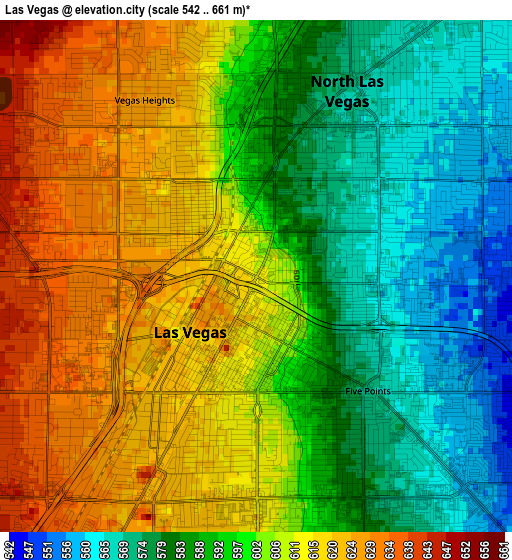
Understanding these climate nuances is crucial for planning any visit, from deciding what to pack to scheduling outdoor activities. Whether you’re lounging by a pool or exploring natural landmarks, the altitude is an ever-present, if subtle, factor in the Las Vegas weather experience.
Altitude and the Las Vegas Experience
The unique elevation of Las Vegas extends its influence far beyond mere meteorological data. It plays a significant role in shaping the city’s tourism offerings, the types of outdoor adventures available, and even the considerations for planning your stay.
Outdoor Adventures and Natural Landmarks
The proximity to diverse terrain, thanks in part to the varying altitudes around Las Vegas, makes it a hub for outdoor enthusiasts. While the city itself is a desert basin, just a short drive away, visitors can find themselves in vastly different environments.
- Mountain Escapes: The Spring Mountains, with their highest point at Mount Charleston, offer a dramatic escape from the desert heat. At altitudes over 7,000 feet, visitors can enjoy hiking, skiing in winter, and cooler temperatures. The contrast between the alpine environment and the desert city below is truly remarkable, making it a popular year-round attraction.
- Red Rock Canyon National Conservation Area: Just a short drive west of Las Vegas, Red Rock Canyon National Conservation Area sits at an elevation comparable to the city but features stunning geological formations and opportunities for hiking, rock climbing, and scenic drives. The slightly higher elevation and unique rock formations create a microclimate distinct from the urban core.
- Water-Based Activities: Lake Mead, formed by the Hoover Dam on the Colorado River, is also within easy reach. While the lake itself is at a lower elevation than the city, the journey to it often involves descending into the Colorado River valley, offering diverse landscape views. Boating, swimming, and fishing are popular activities here.
- Beyond Nevada: For those willing to travel a bit further, the elevation of Las Vegas serves as a gateway to other majestic natural landmarks in California, Utah, and Arizona. Iconic destinations like the Grand Canyon, Valley of Fire State Park, Zion National Park, and Bryce Canyon National Park are all accessible, each with its own unique elevations and climates. This makes Las Vegas a prime base for exploring the vast natural wonders of the American Southwest.
These diverse recreational opportunities are a testament to the varying altitudes and topography surrounding Las Vegas, enhancing its appeal far beyond the casino floors.
Planning Your Las Vegas Getaway: Travel and Accommodation Tips
Considering Las Vegas’s altitude can enhance your travel planning, ensuring a more comfortable and enjoyable experience.
- Pacing Yourself: Especially on your first day, take it easy. If you’re planning a packed itinerary with lots of walking, such as exploring the length of The Strip or navigating the Fremont Street Experience, allow yourself time to adjust.
- Hydration is Key: This cannot be stressed enough. Carry a reusable water bottle and refill it frequently. Most hotels and casinos offer water stations or readily available bottled water. Remember that alcohol and caffeine can dehydrate you faster, so balance them with plenty of water.
- Sun Protection: Even in cooler months, the sun’s rays are intense. Pack high-SPF sunscreen, sunglasses, and a wide-brimmed hat, especially if you plan on spending time by the pool or exploring outdoor attractions.
- Dress in Layers: Given the significant temperature swings between day and night, and the often-chilly air conditioning inside many venues, dressing in layers is a smart strategy. This allows you to adapt to both the outdoor climate and indoor environments.
- Choosing Accommodation: While altitude isn’t usually a direct factor in choosing specific accommodation in Las Vegas, opting for a hotel with excellent air conditioning and perhaps in-room humidifiers (sometimes available upon request in luxury suites) can add to your comfort, especially if you are prone to dry air discomfort. Resorts like Bellagio, Caesars Palace, or The Venetian Resort are known for their amenities that enhance guest comfort.
- Booking Experiences: If your itinerary includes adventurous activities like hiking in Red Rock Canyon National Conservation Area or a day trip to Mount Charleston, factor in the physical demands and potential for varying temperatures. Pack appropriate footwear and clothing.
By keeping the altitude and its implications in mind, visitors can optimize their travel plans, making their Las Vegas experience as seamless and enjoyable as possible.
Living and Thriving at Elevation: Lifestyle in the Mojave Desert
The average altitude of Las Vegas plays a fundamental role in shaping the everyday lifestyle of its residents and the long-term experience of those on extended stays. It influences urban planning, outdoor activities, and even how businesses cater to the needs of the population.
From Luxury Resorts to Budget-Friendly Stays: Comfort at Altitude
Las Vegas’s diverse range of accommodation options, from opulent luxury resorts like MGM Grand, Wynn Las Vegas, Cosmopolitan of Las Vegas, and Aria Resort & Casino to more budget-friendly hotels and apartments, all implicitly address the environmental conditions set by its altitude and desert location. Advanced climate control systems are standard, ensuring comfortable indoor temperatures regardless of the scorching summer heat or chilly winter nights. Many newer buildings incorporate energy-efficient designs to combat the desert climate, and amenities like sprawling pools and misting systems are ubiquitous, offering refreshing relief. Even subtle touches, such as complimentary water bottles or the availability of humidifiers in suites, are responses to the dry, elevated air. For long-term stays, individuals often find themselves adapting their personal hydration and skincare routines to combat the pervasive dryness. This proactive approach by the tourism and hospitality industry ensures that comfort remains paramount, allowing guests to focus on enjoying the unique Las Vegas experience.
Embracing the Unique Las Vegas Lifestyle
The elevation and desert setting aren’t merely background details; they are integral to the Las Vegas lifestyle. Residents embrace the challenges and opportunities presented by their environment.
- Outdoor Recreation Culture: Despite the heat, there’s a strong outdoor recreation culture. The cooler temperatures at higher elevations in the Spring Mountains provide year-round opportunities for hiking, mountain biking, and even skiing. Shorter hikes and trail runs in areas like Red Rock Canyon National Conservation Area are popular during the cooler months.
- Water Conservation: Living in a desert at a certain elevation brings a keen awareness of water as a precious resource. Las Vegas is a leader in water conservation efforts, from stringent landscaping regulations to advanced water recycling programs, all crucial for a population center in such an environment.
- Adaptation and Resilience: The unique conditions foster a resilient and adaptable community. From designing homes with desert-friendly landscaping to scheduling outdoor activities during cooler parts of the day, residents have learned to thrive in this distinctive environment. The clear, dry air also means less pollen for many, which can be a boon for allergy sufferers compared to more humid climates.
- Vibrant Events and Festivals: The consistent dry weather, influenced by the altitude, allows for a packed calendar of outdoor events and festivals throughout the cooler months, from music concerts to art shows. Even in summer, events are carefully planned for evenings or indoor venues.
In conclusion, while the altitude of Las Vegas at approximately 2,030 feet (620 meters) above sea level may not be as dramatic as some other global destinations, it is a significant factor shaping the city’s identity. From the dry climate and intense sunlight to the diverse outdoor recreational opportunities in the surrounding Spring Mountains and Mojave Desert, the elevation subtly yet profoundly influences the visitor experience and the daily lifestyle of its residents. For travelers, understanding this geographical detail allows for better preparation, ensuring optimal comfort and enjoyment whether they’re exploring the bustling The Strip, venturing into a serene national park, or simply unwinding in a world-class resort. Las Vegas truly is a unique desert oasis, elevated both in its entertainment offerings and its actual geological placement.
LifeOutOfTheBox is a participant in the Amazon Services LLC Associates Program, an affiliate advertising program designed to provide a means for sites to earn advertising fees by advertising and linking to Amazon.com. Amazon, the Amazon logo, AmazonSupply, and the AmazonSupply logo are trademarks of Amazon.com, Inc. or its affiliates. As an Amazon Associate we earn affiliate commissions from qualifying purchases.