
Vail, Colorado, is synonymous with world-class skiing, stunning alpine scenery, and a vibrant resort atmosphere. A critical aspect that defines the experience of visiting this iconic destination, and one that travelers frequently inquire about, is its elevation. Understanding Vail and its surrounding terrain’s altitude is essential not only for practical travel planning, such as anticipating potential physiological effects, but also for appreciating the unique environment that makes it a premier Rocky Mountain retreat.
Understanding Vail’s Elevation Profile
Vail’s altitude is not a single, monolithic number, but rather a range that encompasses its various base villages and the expansive terrain of Vail Mountain. This variation in elevation plays a significant role in how visitors experience the resort, from the air they breathe in the pedestrian villages to the exhilarating heights reached on its ski slopes.
The Village Altitude
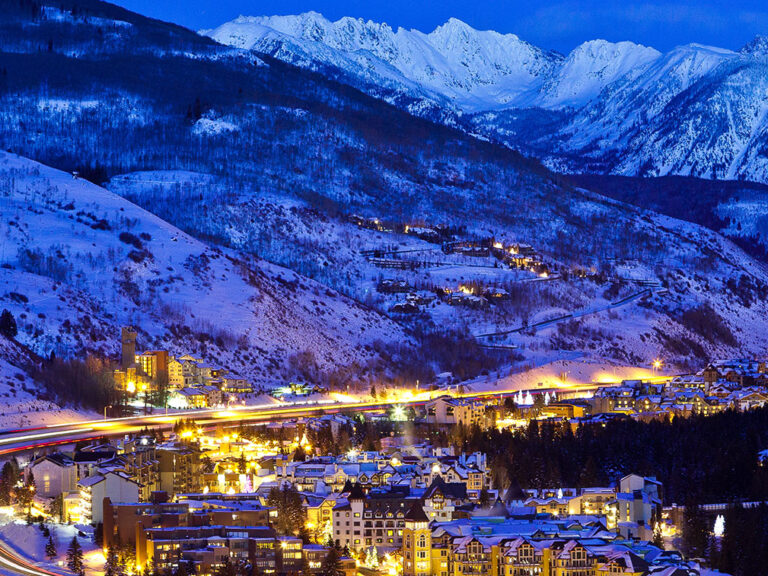
The heart of Vail, primarily Vail Village and Lionshead Village, sits at an impressive elevation of approximately 8,120 feet (2,475 meters) above sea level. This substantial elevation means that even at the base of the mountain, visitors are well into what is considered high-altitude territory. For comparison, many major cities in the United States are at or near sea level, making Vail’s base elevation a significant jump for most travelers. This immediate high altitude necessitates a period of acclimatization for many individuals, as the air is noticeably thinner than at lower elevations.
Vail Mountain’s Summit
The true grandeur of Vail’s elevation becomes apparent when ascending Vail Mountain itself. The summit of Vail Mountain reaches a breathtaking 11,570 feet (3,527 meters). This remarkable height is where the expansive Back Bowls and other iconic ski areas like Blue Sky Basin unfold, offering unparalleled views and some of the world’s best ski and snowboard terrain. The difference of over 3,400 feet from the village to the summit is substantial and contributes to the mountain’s diverse microclimates and varied skiing conditions. At these heights, the effects of altitude are even more pronounced, impacting physical exertion and requiring careful attention to personal well-being.
Elevation Differences Across the Valley
While Vail Village and Lionshead Village share similar base elevations, the Vail Valley itself stretches along Gore Creek, with slight variations. Areas further down-valley, such as Edwards or Avon (home to Beaver Creek Resort), are at slightly lower altitudes, often around 7,500 to 7,800 feet. While these differences may seem minor, they can sometimes offer a slightly easier adjustment for those particularly sensitive to high altitude before ascending to Vail’s main villages or the mountain peak. However, for most, the primary concern remains the base village’s elevation and the significant jump to the summit.
The Impact of Altitude on Your Vail Travel Experience
The high altitude of Vail, Colorado, is more than just a number; it profoundly influences various aspects of a traveler’s visit. From physical well-being to activity levels and even local weather patterns, understanding these impacts is key to a successful and enjoyable trip.
Acclimatization and Altitude Sickness
One of the most immediate and critical considerations for visitors to Vail is the need for acclimatization. Acute Mountain Sickness (AMS), commonly known as altitude sickness, can affect individuals even at Vail Village’s base elevation. Symptoms can include headaches, nausea, dizziness, fatigue, and difficulty sleeping. While typically mild, it can certainly dampen a vacation. The best approach is to take it easy on your first day or two, avoid strenuous activity, stay well-hydrated, and limit alcohol consumption. Ascending too quickly to the summit of Vail Mountain without proper acclimatization at the base can exacerbate these symptoms.
Activities and Performance
The thinner air at Vail’s elevation means there is less oxygen available with each breath. This directly impacts physical performance, especially for those accustomed to sea-level living. Skiing, snowboarding, hiking, and other strenuous activities will feel more demanding. You might find yourself breathing heavier and feeling fatigued more quickly than usual. Athletes often train at altitude to gain an advantage, but for the casual traveler, it means adjusting expectations and pacing activities. Take more frequent breaks, listen to your body, and don’t push yourself beyond your limits, especially during the initial days of your trip. Even a simple walk around Vail Village can feel like more of a workout than anticipated.
Weather and Snowfall Patterns
Altitude also plays a crucial role in Vail’s weather and snowfall. Higher elevations generally experience colder temperatures and more significant snowfall. The summit of Vail Mountain will almost always be colder and receive more snow than the base villages. This elevation difference contributes to Vail’s reputation for abundant powder, as storms often deposit their heaviest snowfalls at the highest points. However, it also means weather can change rapidly. What might be rain in Denver could be heavy snow in Vail, and conditions at the top of the mountain can be dramatically different from those at the base. Travelers should always be prepared for varying conditions, regardless of the season.
Preparing for High-Altitude Travel in Vail
A memorable and comfortable trip to Vail hinges significantly on adequate preparation for its high altitude. Proactive steps can mitigate potential challenges and ensure you make the most of your mountain escape.
Hydration and Nutrition
Staying properly hydrated is perhaps the most crucial advice for high-altitude travel. The dry air at elevation, combined with increased respiration rates, leads to faster fluid loss. Drink plenty of water before and throughout your trip, aiming for more than you typically would at lower elevations. Avoid excessive alcohol consumption, especially upon arrival, as it can contribute to dehydration and exacerbate altitude sickness symptoms. Similarly, consume a balanced diet. While cravings for comfort food are common after a day on the slopes, ensure you’re also eating nutrient-rich foods that provide sustained energy. Some find that a diet higher in carbohydrates can be beneficial at altitude.
Pacing Yourself
Resist the urge to hit the slopes or trails immediately upon arrival. Allow your body time to adjust to the decreased oxygen levels. Plan a lighter itinerary for your first 24-48 hours. This might mean exploring Vail Village on foot, enjoying a leisurely meal, or relaxing by a fireplace instead of tackling the steepest runs. When engaging in activities, take frequent breaks, especially if you feel winded or tired. Listen to your body and descend if you experience persistent symptoms of altitude sickness. Remember, Vail offers enjoyment at every pace.
Essential Gear and Clothing
Packing appropriately for Vail’s altitude and variable mountain weather is critical. Even in summer, evenings can be cool, and sudden storms can bring drops in temperature. In winter, layering is key. Start with moisture-wicking base layers, add insulating mid-layers like fleece or down, and top with a waterproof and windproof outer shell. Don’t forget accessories such as hats, gloves, and sunglasses, as the sun’s intensity is much higher at altitude. Sunscreen is essential year-round, as UV radiation increases significantly at higher elevations, and snow reflects up to 80% of UV light. Good quality, comfortable footwear is also important, whether for navigating snowy village streets or hiking mountain trails.
Beyond the Altitude: Why Vail is a Premier Travel Destination
While its impressive altitude is a defining characteristic, Vail offers far more than just high-elevation thrills. It’s a comprehensive travel destination renowned for its luxury amenities, vibrant culture, and an extensive array of activities that appeal to every type of traveler.
World-Class Skiing and Snowboarding
Vail’s reputation as a top ski and snowboard destination is well-earned. With over 5,300 acres of skiable terrain, including the legendary Back Bowls and Blue Sky Basin, it caters to all skill levels. From gentle groomed runs for beginners to challenging moguls and expert tree skiing, the mountain offers endless possibilities. The consistently excellent snow quality, often aided by its high elevation, and the vast, diverse landscape make every day on the slopes an adventure. The resort also boasts state-of-the-art lift systems, renowned ski schools, and a commitment to maintaining pristine conditions throughout the winter season.
Summer Adventures and Outdoor Recreation
Vail truly transforms in the warmer months, offering a completely different set of adventures. The melting snow reveals lush alpine meadows, pristine hiking and biking trails, and crystal-clear mountain streams. Activities abound, including scenic gondola rides, fly fishing in Gore Creek, golfing on championship courses, white-water rafting, and rock climbing. The White River National Forest surrounding Vail provides endless opportunities for exploration and connection with nature, making it an ideal destination for outdoor enthusiasts seeking relief from summer heat at lower elevations.
Cultural Experiences and Dining
Beyond its outdoor pursuits, Vail provides a sophisticated cultural scene and exceptional culinary experiences. Vail Village and Lionshead Village are home to an array of art galleries, boutiques, and world-class restaurants catering to diverse palates. From casual eateries to fine dining establishments, the gastronomic offerings are as varied as the terrain. The resort also hosts numerous festivals, concerts, and cultural events throughout the year, adding another layer of appeal to the travel experience. Visitors can enjoy live music, art exhibits, and outdoor performances against the stunning backdrop of the Rocky Mountains.
Getting to Vail and Navigating the Area
Understanding the altitude of Vail also extends to practical logistics like travel and local transportation, which can be influenced by mountain geography.
Airport Access
Travelers typically access Vail through one of two main airports. The closest is Eagle County Regional Airport (EGE), located approximately 35 miles west of Vail in Gypsum, Colorado. This airport offers direct flights from several major U.S. cities during peak seasons. Alternatively, many visitors fly into Denver International Airport (DIA), which is about 120 miles east of Vail. The drive from DIA involves navigating Interstate 70 through mountain passes, reaching elevations of over 11,000 feet, which can be a dramatic introduction to Colorado’s high country and an immediate acclimatization challenge for some.
Ground Transportation
From both airports, numerous ground transportation options are available, including shared ride shuttles, private car services, and rental cars. The drive from DIA typically takes about 2 to 2.5 hours in good weather, but can be significantly longer with snow or heavy traffic on Interstate 70. For those driving themselves, be aware of mountain driving conditions, especially in winter, and ensure your vehicle is equipped for snow and ice. The high passes on I-70 can be challenging, and road closures due to weather are not uncommon.
Getting Around Vail Village
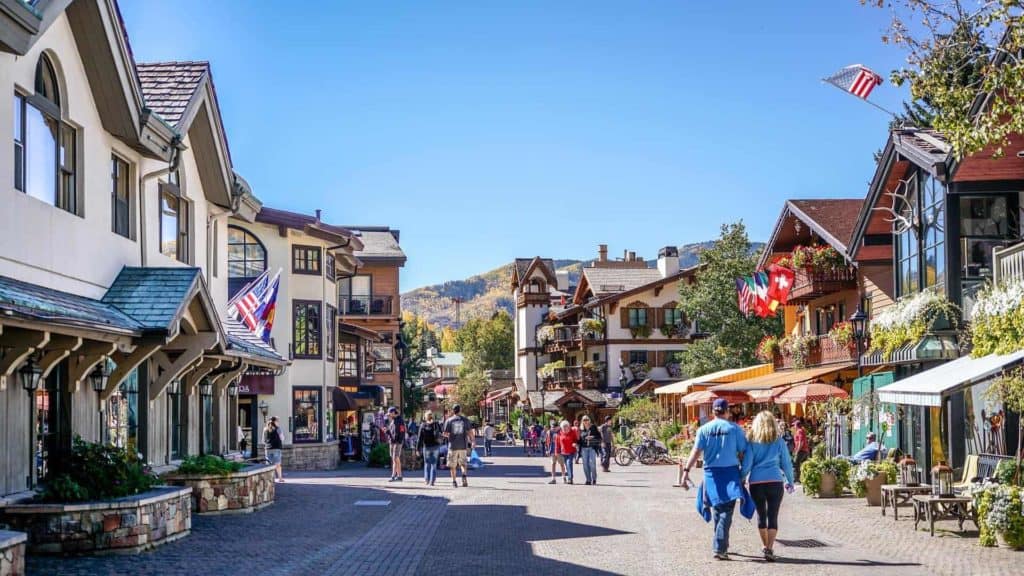
Once in Vail, navigating the villages is remarkably easy, and often, a car is unnecessary. Both Vail Village and Lionshead Village are largely pedestrian-friendly, with heated cobblestone streets. A free, efficient in-town bus system connects the various sections of Vail, including the villages, outlying areas, and the base of the mountain. This public transit system operates frequently and reliably, making it convenient to get to ski lifts, restaurants, and shops without the hassle of driving and parking in high-altitude conditions.
In conclusion, the altitude of Vail, Colorado, is a defining characteristic that shapes much of the travel experience, from physical preparation to enjoying its world-class activities. By understanding and respecting its elevation, travelers can ensure a safe, comfortable, and truly unforgettable journey to this magnificent Rocky Mountain destination.
LifeOutOfTheBox is a participant in the Amazon Services LLC Associates Program, an affiliate advertising program designed to provide a means for sites to earn advertising fees by advertising and linking to Amazon.com. Amazon, the Amazon logo, AmazonSupply, and the AmazonSupply logo are trademarks of Amazon.com, Inc. or its affiliates. As an Amazon Associate we earn affiliate commissions from qualifying purchases.