
Embarking on a California adventure, whether it’s a coastal road trip, a desert escape, or an urban exploration, often involves navigating the state’s extensive highway system. A crucial element in budgeting for such travel is understanding the cost of fuel, which in California is notoriously higher than the national average. For any traveler planning to experience the Golden State by car, a clear grasp of gas prices, their fluctuations, and strategies for managing them is paramount to a smooth and budget-friendly journey.
Navigating California’s Fuel Landscape: A Traveler’s Overview
The price at the pump in California can often be a surprising figure for visitors. While the exact average changes daily, travelers should consistently expect to pay significantly more per gallon than in most other U.S. states. This disparity isn’t arbitrary but a result of several unique factors embedded in the state’s policies and geography.
Why California Gas Prices Stand Out
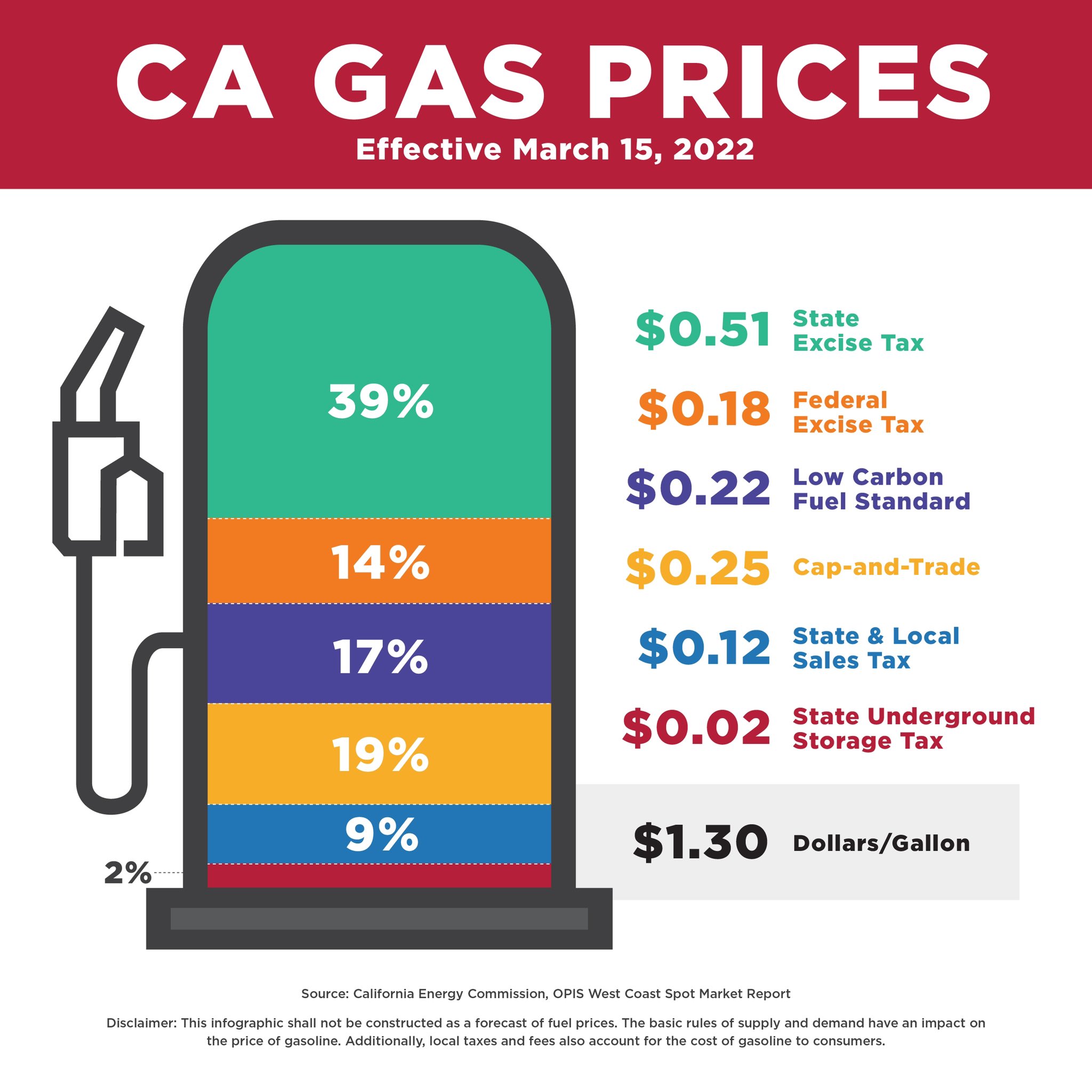
Several key elements contribute to California’s elevated fuel costs. Firstly, the state mandates a special blend of gasoline, often referred to as “CARB gasoline,” which is designed to reduce emissions. This cleaner-burning fuel is more expensive to produce and transport. Secondly, California levies some of the highest state excise taxes on gasoline in the nation, alongside a cap-and-trade program that adds to the cost per gallon. These taxes directly fund infrastructure projects but indirectly impact the traveler’s wallet. Lastly, the state’s distance from major oil refineries and the occasional logistical challenges, such as refinery maintenance shutdowns, can lead to supply constraints that further drive up prices. For travelers, this means budgeting more for fuel than they might anticipate for a similar trip elsewhere.
Understanding Price Fluctuations
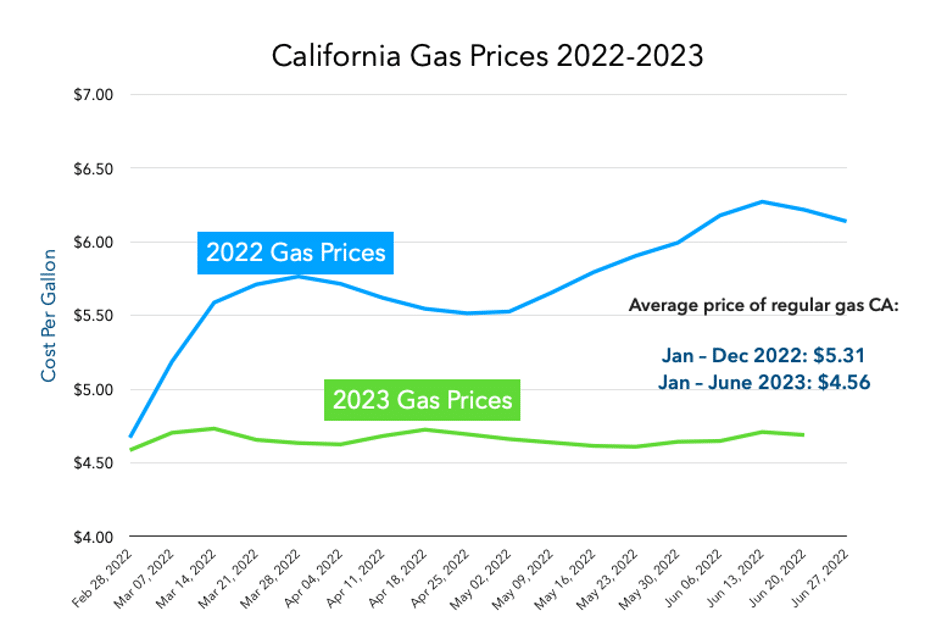
Gas prices are rarely static, and in California, these fluctuations can be quite pronounced. Seasonal travel patterns often influence demand, with prices typically rising during peak summer months and major holidays when more people hit the road. California’s dependence on specific refinery operations means that local issues, like an unexpected refinery outage, can cause immediate and significant price spikes. Global oil prices, geopolitical events, and even the strength of the dollar also play a role, albeit less directly, in the prices seen at local stations. Travelers planning their trips should be aware of these trends and check current prices closer to their departure date to gain the most accurate picture.
Regional Variances: Fuel Costs Across Popular California Destinations
While the overall state average provides a benchmark, gas prices within California are far from uniform. They vary considerably depending on the region, impacting travel budgets differently based on your chosen destinations.
Major Metros: Los Angeles and San Francisco Challenges
Exploring the bustling metropolises of Los Angeles and San Francisco by car inherently comes with higher fuel costs. These urban centers often report the highest gas prices in the state, driven by higher operational costs for gas stations, increased demand, and competitive market dynamics. For travelers planning to spend considerable time navigating Los Angeles’s freeways to visit attractions like Hollywood or the beaches of Santa Monica, or driving through San Francisco’s iconic hills to see the Golden Gate Bridge, fuel expenses will be a significant line item. It’s wise to factor in the additional cost of driving within these areas, often compounded by parking fees.
Coastal Drives vs. Inland Escapes
The iconic California coastal Highway 1 offers breathtaking views, but gas prices in charming coastal towns like Santa Barbara, Monterey, or Big Sur can be above average. These popular tourist destinations often see prices inflated due to increased demand and less competition. Conversely, exploring the vast agricultural expanses of the Central Valley, with cities like Fresno or Bakersfield, might offer slightly lower prices than the major metros or coastal areas. Desert regions, such as those surrounding Palm Springs or near Joshua Tree National Park, can also present varying costs, sometimes higher due to remoteness, sometimes lower if they are on a major transit route.
Mountain Retreats and National Parks
Venturing into California’s stunning mountain ranges and national parks, while immensely rewarding, typically means encountering some of the highest gas prices. Destinations like Yosemite National Park, Lake Tahoe, or Death Valley National Park are often remote, with fewer gas stations and higher transportation costs for fuel deliveries. This scarcity and logistical challenge directly translate to steeper prices at the pump. Travelers exploring these natural wonders should plan their fuel stops carefully, filling up before entering the park boundaries or remote areas where prices are almost guaranteed to be higher.
Smart Budgeting for Your California Road Trip
Effective budgeting is key to enjoying your California travels without financial stress. Given the state’s gas prices, allocating a realistic amount for fuel is crucial.
Estimating Your Fuel Costs
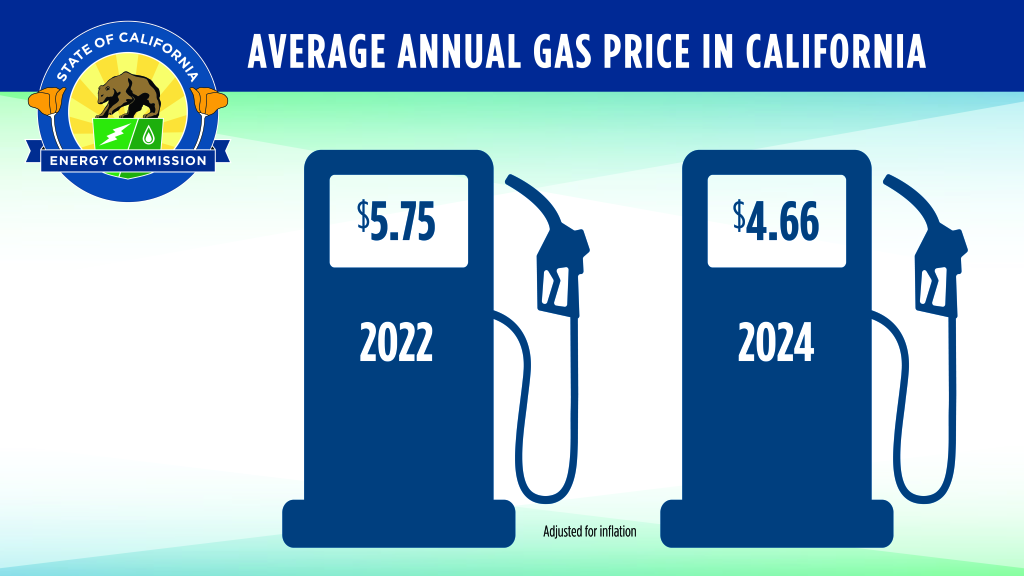
To accurately estimate your fuel budget, start by knowing your vehicle’s approximate miles per gallon (MPG). Next, map out your intended route and calculate the total estimated mileage. Divide the total mileage by your vehicle’s MPG to determine the total number of gallons needed. Finally, multiply this by a realistic average gas price for California, perhaps adding a buffer for unexpected detours or price increases. Online mapping tools and gas price apps can provide estimated mileage and current price averages, making this calculation much simpler. Remember to factor in potential price variations between regions.
Incorporating Gas into Your Overall Travel Budget
Gas expenses should be treated as a major category in your travel budget, alongside accommodation, food, and activities. For a multi-day California road trip, fuel could easily account for 15-25% of your total expenses, depending on the itinerary and your vehicle’s efficiency. Overlooking or underestimating this cost can lead to unpleasant surprises, potentially forcing cuts in other areas of your trip, such as dining experiences or attraction entries. A robust fuel budget allows for greater flexibility and peace of mind.
The Impact on Trip Duration and Route Planning
High gas prices can influence how you plan your California itinerary. Travelers on a tighter budget might opt for shorter road trips or choose destinations closer to their starting point to minimize driving distance. Alternatively, they might select more fuel-efficient routes, even if slightly longer, to avoid highly congested areas that consume more gas. Understanding fuel costs beforehand enables you to make informed decisions about the scope and pace of your journey, ensuring your travel plans remain enjoyable and financially viable.
Fuel-Saving Strategies for California Explorers
While high gas prices in California are a reality, smart planning and driving habits can significantly mitigate their impact on your travel budget.
Pre-Trip Planning and App Utilization
Before hitting the road, leverage technology to your advantage. Apps like GasBuddy provide real-time gas prices at stations along your route, allowing you to identify the cheapest options and plan strategic fill-ups. It’s often beneficial to fill your tank in areas known for lower prices, such as inland towns or cities with more competition, rather than waiting until you’re in a remote or highly touristy location. Planning your route to minimize backtracking and unnecessary detours also contributes to fuel efficiency.
Driving Habits and Vehicle Maintenance
The way you drive plays a significant role in fuel consumption. Adopting eco-driving habits, such as maintaining a steady speed, avoiding rapid acceleration and hard braking, and using cruise control on highways, can improve your vehicle’s MPG. Ensuring your vehicle is well-maintained is equally important: properly inflated tires can boost fuel efficiency by up to 3%, and a regularly serviced engine runs more efficiently. If renting a car, consider opting for a compact or hybrid model for better fuel economy, especially for extensive road trips.
Loyalty Programs and Discount Opportunities
Many gas stations and supermarket chains in California offer loyalty programs that provide discounts on fuel. Joining these programs, even for a short trip, can yield savings. Some credit cards also offer cash back or rewards specifically on gas purchases. While these savings might seem small per fill-up, they can add up over the course of a long California journey.
Beyond the Gas Pump: Alternative Travel in California
For travelers looking to minimize or avoid gas expenses altogether, California offers various alternative transportation options, particularly in its urban centers.
Public Transportation in Urban Centers
When exploring major cities, consider utilizing California’s robust public transportation networks. San Francisco boasts the Bay Area Rapid Transit (BART) and Muni systems, allowing easy access to popular attractions without a car. Los Angeles’ Metro system, including buses and trains, has expanded significantly, offering viable routes to many parts of the city. In San Diego, the Metropolitan Transit System (MTS) provides bus and trolley services. Opting for public transport can save not only on gas but also on often-exorbitant urban parking fees.
The Rise of Electric Vehicles (EVs) for Travelers
As EV technology advances and charging infrastructure expands, renting an electric vehicle is becoming an increasingly attractive option for California travelers. Many car rental agencies now offer EVs, and the state has a comprehensive network of charging stations, especially along major highways and in urban areas. While the upfront rental cost might be slightly higher, the savings on fuel (or the cost of electricity, which is generally much lower) can be substantial, especially for longer trips. Planning charging stops becomes a part of the itinerary, similar to planning gas fill-ups.
Carpooling and Ride-Sharing Services
For shorter distances within cities or for specific legs of a journey, ride-sharing services like Uber or Lyft can be a convenient alternative to driving your own car. If traveling with companions, carpooling not only splits the cost of fuel but also reduces the number of vehicles on the road, contributing to a more sustainable travel experience. For specific inter-city routes, services like Amtrak California offer scenic and economical alternatives to driving.
Ultimately, understanding the average cost of gas in California is about more than just a number; it’s about intelligent travel planning. By anticipating higher prices, budgeting wisely, and employing smart strategies, travelers can ensure that fuel costs remain a manageable part of their unforgettable Golden State adventure, rather than an unexpected burden.
LifeOutOfTheBox is a participant in the Amazon Services LLC Associates Program, an affiliate advertising program designed to provide a means for sites to earn advertising fees by advertising and linking to Amazon.com. Amazon, the Amazon logo, AmazonSupply, and the AmazonSupply logo are trademarks of Amazon.com, Inc. or its affiliates. As an Amazon Associate we earn affiliate commissions from qualifying purchases.