
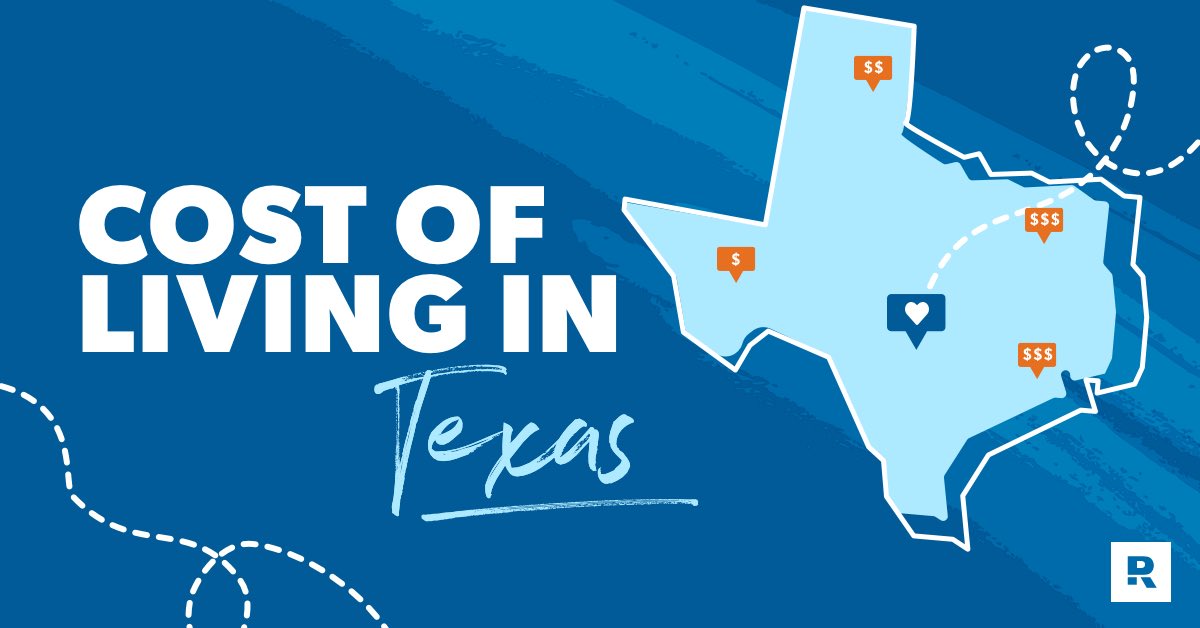
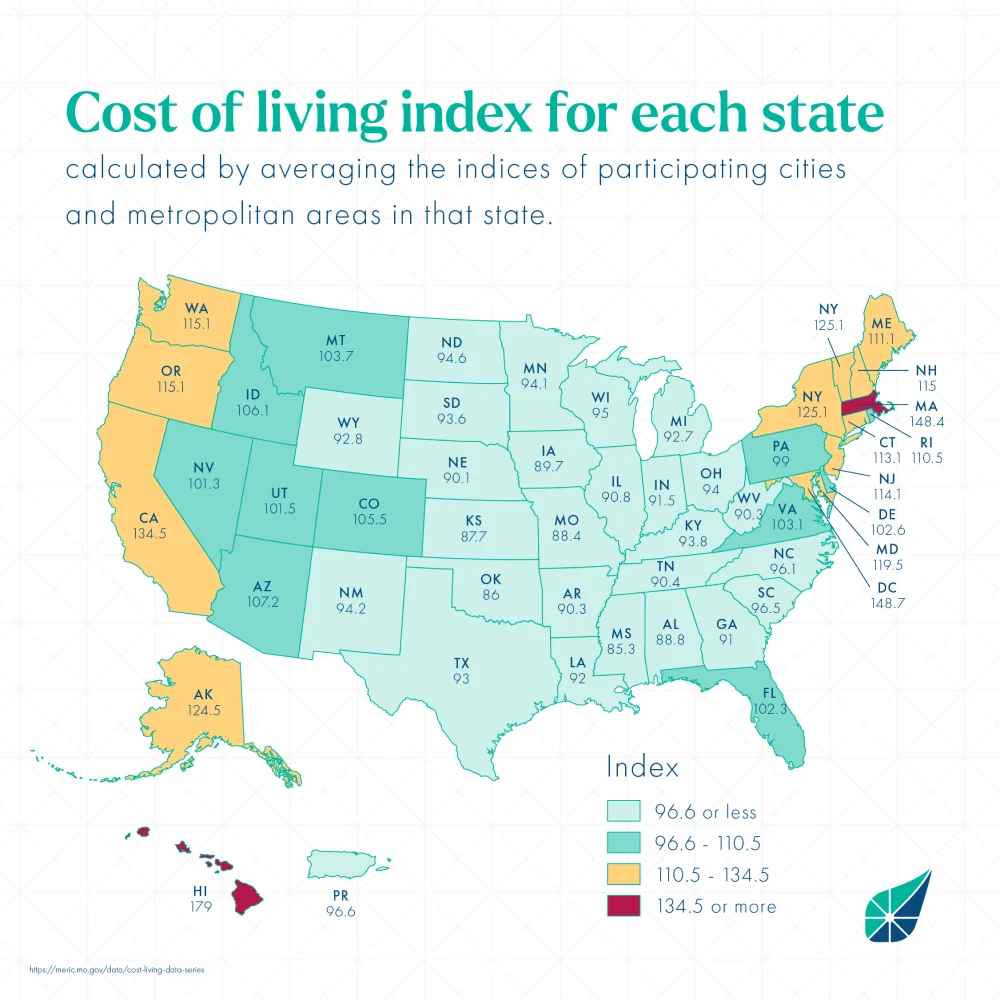
Texas, a state synonymous with vast landscapes, burgeoning economies, and a distinct cultural identity, presents an alluring prospect for many. From the vibrant arts scene of Austin to the sprawling ranches of West Texas, the Lone Star State offers a diverse array of living experiences. However, as with any major relocation or extended stay, understanding the financial implications is paramount. The cost of living in Texas, while often perceived as more affordable than many coastal counterparts, is a nuanced subject, varying significantly by city, lifestyle, and personal spending habits. This exploration delves into the key components that contribute to the average cost of living in Texas, providing insights for travelers contemplating a longer sojourn or individuals planning a permanent move.
Housing Expenses Across the Lone Star State
Housing is invariably the largest expenditure for most households, and Texas offers a broad spectrum of options, from the high-rise apartments of Dallas to the charming bungalows of San Antonio. The median home price and average rent fluctuate dramatically depending on the metropolitan area and its surrounding suburbs.
Major Metropolitan Areas: A Comparative Look
- Houston: As the most populous city in Texas, Houston offers a diverse housing market. While some neighborhoods boast luxury apartments and upscale single-family homes, many areas provide more affordable options. The median home price in Houston tends to be lower than in Austin, but rent for comparable properties can be competitive, especially in desirable districts.
- Dallas-Fort Worth Metroplex: This vast urban expanse encompasses numerous cities, each with its own housing characteristics. Dallas and Fort Worth themselves have seen significant appreciation in real estate values due to robust economic growth. Suburbs like Plano and Frisco offer family-friendly communities with varying price points. Renting in these areas can range from budget-friendly studio apartments to luxurious townhomes.
- Austin: Known for its booming tech industry and vibrant cultural scene, Austin has experienced a dramatic increase in housing costs over the past decade. It is generally considered one of the most expensive cities in Texas for both renting and buying property. The demand for housing often outstrips supply, driving up prices in popular neighborhoods and surrounding areas.
- San Antonio: With a rich historical heritage and a more relaxed pace of life, San Antonio generally offers more affordable housing options compared to Austin or Dallas. The median home price and average rent are typically lower, making it an attractive choice for those seeking to maximize their housing budget.
- El Paso: Situated in West Texas, El Paso presents a unique housing market influenced by its border location and distinct culture. Housing costs here are often considerably lower than in the major urban centers, offering substantial value for residents.
Rental vs. Ownership Costs
For those planning a short-term stay or preferring flexibility, renting is a primary consideration. Average monthly rents for a one-bedroom apartment can range from $900 in smaller cities or less sought-after neighborhoods to upwards of $1,600 or more in prime areas of Austin or Dallas. For families or those seeking more space, a three-bedroom house could range from $1,500 to $2,500+ per month, again heavily dependent on location.
Homeownership involves mortgage payments, property taxes, homeowners insurance, and potential homeowner association (HOA) fees. Texas property taxes are notoriously high compared to national averages, a factor that significantly impacts the overall cost of homeownership, even if the initial purchase price is lower. These taxes are crucial to factor into any budget for those considering buying property.
Daily Expenses: Food, Transportation, and Utilities
Beyond housing, the cost of day-to-day living encompasses essential services and amenities. Texas offers a generally favorable environment for these expenses, though variations exist.
Groceries and Dining Out
The cost of groceries in Texas is often comparable to the national average, with variations based on shopping habits and preferred retailers. Major supermarket chains like H-E-B, Kroger, and Walmart offer a wide range of products. For those who enjoy dining out, Texas boasts a vibrant culinary scene. From casual barbecue joints to upscale restaurants in cities like Houston, the cost of eating out can vary widely. A moderate meal for two at a casual restaurant might cost $40-$60, while a fine dining experience could easily exceed $100.
Transportation: The Role of the Automobile
Texas is a car-centric state, and the cost of owning and operating a vehicle is a significant factor for most residents. This includes the price of the vehicle itself, auto insurance, fuel, and maintenance. Gas prices in Texas are often lower than the national average, providing some relief. Public transportation systems are developing in larger cities like Dallas and Houston, offering alternatives for some, but for most, a personal vehicle remains a necessity for navigating the expansive state. Commuting distances can also influence fuel and maintenance costs.
Utilities: Keeping the Lights On and the Home Comfortable
Utility costs in Texas can fluctuate based on the season, with air conditioning usage in the hot summer months being a significant expense. Electricity rates vary by provider and location. A typical monthly electricity bill for a moderately sized home might range from $150 to $300 or more during peak summer or winter months. Water, sewer, and trash collection costs are generally more stable but add to the monthly overhead, often ranging from $50 to $150 per month. Internet and cable services are comparable to national averages, typically costing $70-$150 per month depending on the package.
Healthcare and Personal Care Costs
Access to quality healthcare and the associated costs are vital considerations for any individual or family.
Healthcare Services and Insurance
Healthcare expenses in Texas can be a significant part of the cost of living. Premiums for health insurance vary widely based on age, coverage level, and chosen provider. Out-of-pocket costs, such as deductibles, co-pays, and co-insurance, are also critical factors. For those without employer-provided insurance, researching affordable plans through the Affordable Care Act marketplace or private insurers is essential. The availability and cost of medical services can also differ between urban and rural areas.
Personal Care and Miscellaneous Expenses
Personal care encompasses a range of services and products, including haircuts, gym memberships, and personal grooming items. These costs are highly discretionary and depend on individual lifestyle choices. A monthly gym membership might cost $30-$70, while a professional haircut could range from $25-$80. Miscellaneous expenses, such as entertainment, clothing, and personal hobbies, further contribute to the overall cost of living and are subject to individual spending patterns.
Entertainment and Leisure: Experiencing Texas
Texas offers a wealth of entertainment and leisure opportunities, from world-class museums and live music venues to outdoor adventures and sporting events. The cost associated with these activities can significantly impact a budget.
Cultural Attractions and Recreational Activities
Cities like Austin are renowned for their live music scene, with many venues offering affordable entry fees or even free shows. Dallas boasts the Dallas Arts District, home to several world-class museums like the Dallas Museum of Art. Entry fees for museums can range from free to $20 or more, with special exhibitions sometimes incurring additional costs. Outdoor activities, such as exploring state parks like Big Bend National Park or visiting the Texas Hill Country, often involve entrance fees and costs for camping or lodging.
Sports and Events
Texas is a passionate sports state, home to professional teams in major leagues such as the NFL (Dallas Cowboys), NBA (San Antonio Spurs), MLB (Houston Astros), and NHL (Dallas Stars). Ticket prices for these events can be a significant expense, ranging from $50 for nosebleed seats to several hundred dollars for premium seating. College sports, particularly football, are also immensely popular and can incur similar costs.
Taxes and Savings: The Financial Landscape
Understanding the tax structure and the capacity for savings is crucial when assessing the overall cost of living.
State Income and Property Taxes
One of the most significant financial advantages of living in Texas is the absence of a state income tax. This means residents keep a larger portion of their earned income compared to states with income tax. However, as mentioned earlier, Texas does have relatively high property taxes, which can offset some of this benefit for homeowners. Sales tax in Texas is also a consideration, with a state rate of 6.25% and local rates that can bring the total up to 8.25% in some areas.

Savings and Investment Potential
The lower overall cost of living in many parts of Texas, particularly when compared to states with higher income taxes and housing prices, can provide individuals with greater opportunities for saving and investing. The robust economy in major metropolitan areas also translates to potential for higher earning power, which, combined with lower living expenses, can accelerate financial goals. Planning for retirement, emergency funds, and other savings objectives becomes more attainable when a significant portion of income is not consumed by taxes and high living costs.
In conclusion, the average cost of living in Texas is a mosaic of influencing factors, with housing and taxes playing pivotal roles. While the absence of state income tax is a considerable draw, the cost of housing and property taxes necessitate careful consideration. By understanding the nuances of each expense category across different regions, individuals can make informed decisions about where and how to live in the Lone Star State, ensuring their financial well-being and enjoying the unique lifestyle that Texas offers.
LifeOutOfTheBox is a participant in the Amazon Services LLC Associates Program, an affiliate advertising program designed to provide a means for sites to earn advertising fees by advertising and linking to Amazon.com. Amazon, the Amazon logo, AmazonSupply, and the AmazonSupply logo are trademarks of Amazon.com, Inc. or its affiliates. As an Amazon Associate we earn affiliate commissions from qualifying purchases.