
Understanding the economic fabric of a region is fundamental to comprehending the lifestyle choices available to its residents, especially concerning family dynamics and leisure pursuits. Alabama, a state rich in history, natural beauty, and cultural heritage, presents a unique economic landscape that directly influences how families plan their futures, manage their daily lives, and engage in travel and leisure. The average family income in Alabama is more than just a statistic; it’s a critical indicator that shapes everything from housing decisions and educational opportunities to the feasibility of a family vacation or a weekend getaway.

Understanding Alabama’s Economic Landscape for Lifestyle Choices
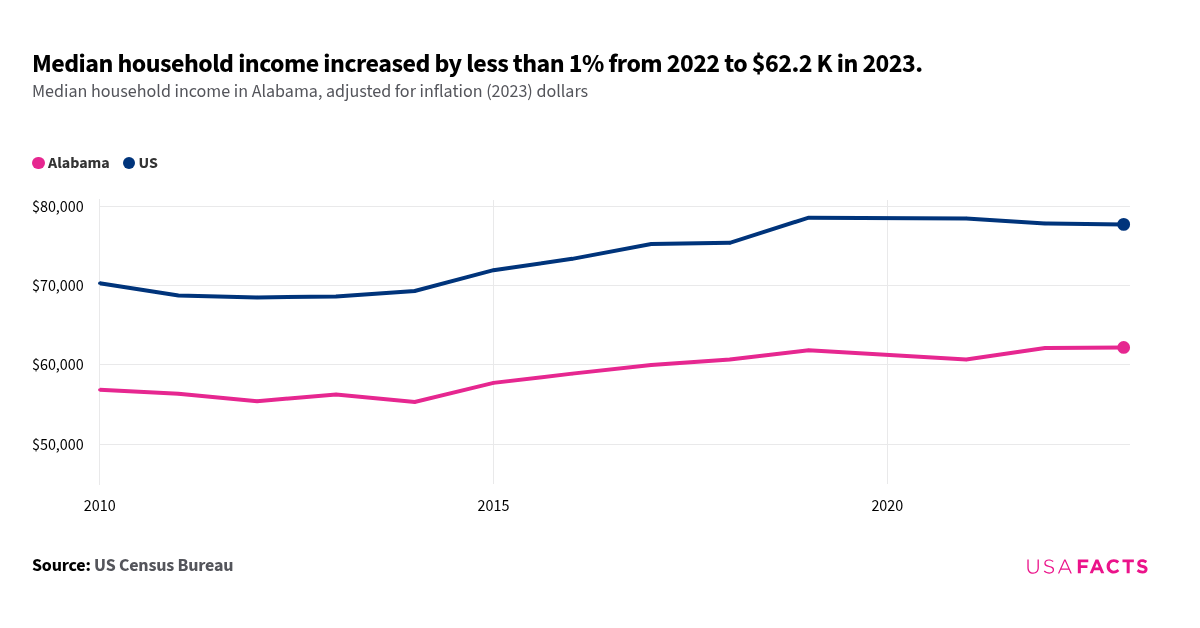
The financial foundation of a family in Alabama is largely determined by the state’s broader economic health. Recent data from the U.S. Census Bureau typically places the median household income in Alabama somewhat below the national average for the United States. While “household income” includes all individuals aged 15 and over within a housing unit, “family income” specifically refers to households with two or more related individuals living together, often reflecting a more stable and higher earning capacity due to multiple potential earners. For Alabama, the average family income often hovers in the upper range of $60,000 to low $70,000, fluctuating based on the specific reporting period and economic conditions. This figure is critical because it represents the collective earning power that families leverage for their overall lifestyle.
Key Income Metrics and Their Implications
When discussing income, it’s essential to differentiate between median and average. The median income is the midpoint where half of all incomes are higher and half are lower, providing a more accurate representation of the typical family’s financial standing by mitigating the skew caused by extremely high earners. The average (mean) income, on the other hand, is the sum of all incomes divided by the number of families. While the median offers a clearer picture for individual families, the average provides insight into the total economic output.
For Alabama families, this income level translates directly into disposable income, which is the money left after taxes and essential expenses are paid. A lower disposable income often necessitates more careful budgeting for discretionary spending, including entertainment, dining out, and most significantly, travel. This reality shapes the types of vacations families can afford, whether they opt for local, budget-friendly trips or save for more extensive excursions outside the state. It also influences decisions regarding leisure activities, from visiting local attractions to participating in community events, all of which contribute to a family’s overall lifestyle.
Income and the Cost of Living: Shaping Alabama Lifestyles
The raw number of a family’s income doesn’t tell the whole story; its purchasing power is equally, if not more, important. The cost of living in Alabama is generally lower than the national average, especially regarding housing, which is a significant factor in a family’s budget. This lower cost of living means that an average family income in Alabama, while possibly lower in absolute terms compared to wealthier states, might stretch further, allowing for a comparable or even better quality of life in certain aspects. However, the cost of living varies significantly across different regions within the state, impacting real disposable income and thus lifestyle choices.
Urban vs. Rural Spending Power
Alabama’s major metropolitan areas, such as Birmingham, Huntsville, Montgomery, and Mobile, typically have higher average incomes but also higher costs of living, particularly for housing. Families in these cities might earn more, but a larger portion of their income often goes towards rent or mortgage payments, property taxes, and urban amenities. This dynamic means that families in Birmingham, for instance, despite a potentially higher income, might find their discretionary budget for travel and leisure similar to or even less than a family in a smaller town with a lower income but also significantly lower expenses.

Conversely, families residing in Alabama’s numerous rural areas or smaller towns often navigate lower average incomes but benefit from substantially reduced costs for housing and other essential services. This allows some families to have more discretionary income relative to their earnings, enabling them to enjoy local recreation, participate in community events, or save for more significant family trips. Understanding these regional differences is key to appreciating the diverse lifestyles across Alabama.
Lifestyle Choices: How Income Influences Travel and Leisure in Alabama
The average family income in Alabama plays a pivotal role in shaping travel and leisure decisions. For many families, budget-conscious planning is paramount, leading to an appreciation for local attractions and affordable getaways. However, with careful financial management, even families with average incomes can aspire to and achieve more ambitious travel experiences.
Budget-Friendly Family Trips and Local Exploration
Alabama offers a wealth of opportunities for budget-friendly family trips that cater to various interests without breaking the bank. State parks, for example, provide affordable access to stunning natural beauty and outdoor activities. Families frequently enjoy camping, hiking, and fishing at locations like Lake Guntersville State Park or exploring the highest point in Alabama at Cheaha State Park. Historical sites, often with minimal entry fees, offer educational and engaging experiences, from Civil Rights landmarks in Montgomery to the vibrant space exploration history in Huntsville.
The state’s beautiful Gulf Coast, particularly destinations like Gulf Shores and Orange Beach, becomes an accessible family vacation spot for many Alabama residents. While accommodation during peak season can be pricier, proximity and the option for day trips or off-season visits make these coastal areas viable for many families looking for a beach experience. These local explorations underscore a lifestyle that values experiences and togetherness, often prioritizing accessibility over extravagance. Families with average incomes often become adept at finding deals, utilizing loyalty programs, and planning trips during shoulder seasons to maximize their travel budget. This approach allows them to enjoy the rich offerings of their home state without financial strain.
Aspiration and Occasional Luxury
For families with incomes above the state average, or those who prioritize saving for specific experiences, the scope of travel and leisure expands. These families might opt for more luxurious accommodations at the beach, explore destinations beyond Alabama, or invest in annual passes to attractions that offer year-round entertainment. Ski trips, cruises, or international travel become more feasible possibilities. Even within Alabama, higher incomes can lead to stays at boutique hotels in cities like Auburn or [Tuscaloosa], enjoying fine dining, or engaging in more exclusive recreational activities. This demonstrates how income directly shapes the spectrum of lifestyle choices, from everyday conveniences to special, memorable events. The balance between daily expenses and aspirational travel often involves careful financial planning, including dedicated savings for specific trips.
Economic Factors and Future Lifestyle Trends
Several economic factors continue to influence family incomes in Alabama. The growth of industries like aerospace, automotive manufacturing, and technology, particularly evident in areas like Huntsville, has led to higher-paying jobs and increased economic prosperity for some families. These sectors attract skilled professionals, boosting the average income in specific regions. Conversely, traditional industries in other parts of the state, such as sectors in Demopolis or Dothan, might experience slower growth, influencing income levels and lifestyle possibilities differently.
Future lifestyle trends for Alabama families will undoubtedly be shaped by these evolving economic dynamics. As the state continues to diversify its economy and attract new investments, there’s potential for average family incomes to rise, potentially expanding the range of lifestyle choices for more residents. This could lead to increased spending on leisure, travel, and personal enrichment, fostering a more vibrant and diverse set of lifestyle opportunities across the state. The continued focus on education and workforce development will be crucial in ensuring that more Alabama families have the opportunity to achieve their desired lifestyles, balancing daily needs with aspirational experiences.
LifeOutOfTheBox is a participant in the Amazon Services LLC Associates Program, an affiliate advertising program designed to provide a means for sites to earn advertising fees by advertising and linking to Amazon.com. Amazon, the Amazon logo, AmazonSupply, and the AmazonSupply logo are trademarks of Amazon.com, Inc. or its affiliates. As an Amazon Associate we earn affiliate commissions from qualifying purchases.