
When considering a move to or an extended stay in New York City, understanding the local economy is a vital component of the decision-making process. The “Big Apple” is a global epicenter of finance, media, fashion, and technology, attracting millions of professionals who seek to capitalize on the unique opportunities afforded by the city. However, the cost of living here is famously high, and navigating the nuances of average income requires looking beyond a single, monolithic number.
Lifestyle in New York City is inextricably linked to earnings. Whether you are aiming for a high-end luxury lifestyle in Manhattan or a more budget-conscious experience in the outer boroughs, your income dictates your access to the city’s vast cultural and culinary offerings.
Understanding the Earning Landscape
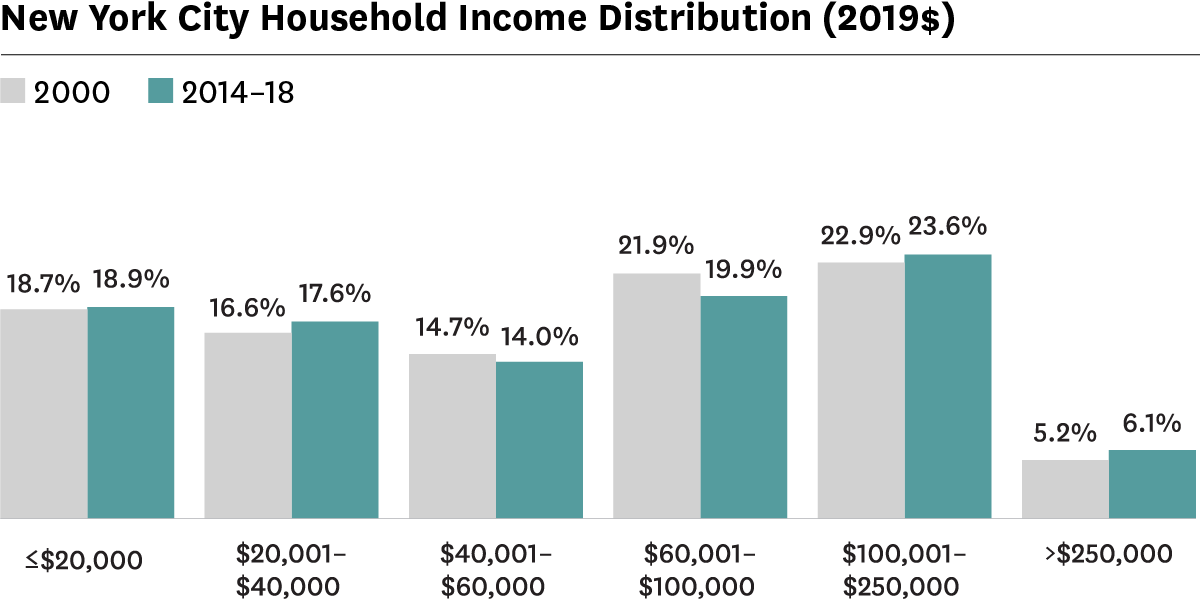
The median household income in New York City typically hovers around $75,000 to $80,000 annually, according to recent census data. Yet, this figure can be misleading. Because the city encompasses five distinct boroughs—The Bronx, Brooklyn, Manhattan, Queens, and Staten Island—the wealth disparity is among the highest in the United States.
The Geography of Income
The income distribution is highly stratified. Residents of Manhattan often report significantly higher median incomes, driven by the concentration of corporate headquarters, hedge funds, and legal firms. Conversely, families residing in The Bronx often face different economic realities, where the median income is lower, yet the community remains the cultural heart of the city. Understanding these geographical divides is essential for anyone evaluating the city’s economic structure.
Income vs. Purchasing Power
It is common to hear that a salary of $100,000 in New York City does not go as far as it would in other United States cities. This is largely due to the “luxury tax” of living in a world-class destination. Between the premium on rent, the cost of high-quality dining, and the necessity of utilizing public transportation or private services, the disposable income of a New Yorker is often lower than the raw salary might suggest. For those moving to the city for a business stay, factoring in the cost of local services is crucial to maintaining a comfortable standard of living.
The Cost of Maintaining a Lifestyle
For those evaluating a life in New York City, the lifestyle budget is arguably more important than the gross income figure. The city demands a certain level of financial agility.
Housing and Utilities
Housing remains the largest expense for the average New Yorker. Whether you are looking for a studio in Brooklyn or a luxury condo overlooking Central Park, the housing market is hyper-competitive. Many residents spend upwards of 30% to 50% of their monthly income on rent. This high overhead is the primary reason why many people opt for roommates, a common lifestyle choice that bridges the gap between individual salary and the high cost of city living.
Transportation and Daily Expenses
Living in New York City eliminates the need for car ownership for many, which serves as a significant economic buffer. The Metropolitan Transportation Authority provides a comprehensive, albeit sometimes challenging, way to navigate the urban landscape. However, for those who prefer the convenience of ride-sharing or the speed of private transport, these costs must be carefully managed within one’s monthly budget.

Industry Impact on Earnings
New York City is home to diverse industries that skew the “average” income data.
Finance and Corporate Sectors
The financial district, centered around Wall Street, contributes heavily to the upper echelons of the city’s income bracket. Professionals in banking, insurance, and corporate law often command salaries that are well above the national average. This group tends to fuel the high-end retail, luxury housing, and fine-dining sectors of the city.
The Creative and Hospitality Economies
A large portion of the city’s workforce is employed in the tourism, hospitality, and creative sectors. From world-class chefs at top-tier restaurants to the staff at the Museum of Modern Art, these roles are fundamental to the city’s culture. While these positions may offer lower base salaries compared to the financial sector, they often come with the intangible benefit of being part of the most vibrant urban culture in the Americas.
Budgeting for the NYC Experience
If you are planning to visit or relocate, adopting a strategic approach to your finances is key.
Strategies for Budget-Conscious Living
- Neighborhood Selection: Look beyond the traditional hotspots. Neighborhoods in Queens and Brooklyn often provide a higher quality of life for a lower price point than Manhattan.
- Utilizing Local Resources: Take advantage of free attractions. The city is rich with public parks like Prospect Park and the High Line, which offer world-class experiences without the cost of entry.
- Dining Smart: While the city is known for its high-end Michelin-starred restaurants, there is an equally robust culture of affordable street food and international cuisine that can sustain a budget-friendly lifestyle.
Long-term Planning
For those considering a long-term move, it is advisable to simulate a budget based on 70% of your projected income. This allows for the unexpected costs—the “NYC tax”—that inevitably arise. Whether it is an unexpected medical bill, a sudden spike in utility prices, or the temptation of a weekend getaway to The Hamptons, having a financial buffer is the hallmark of a successful New Yorker.
Conclusion: Balancing Ambition and Reality
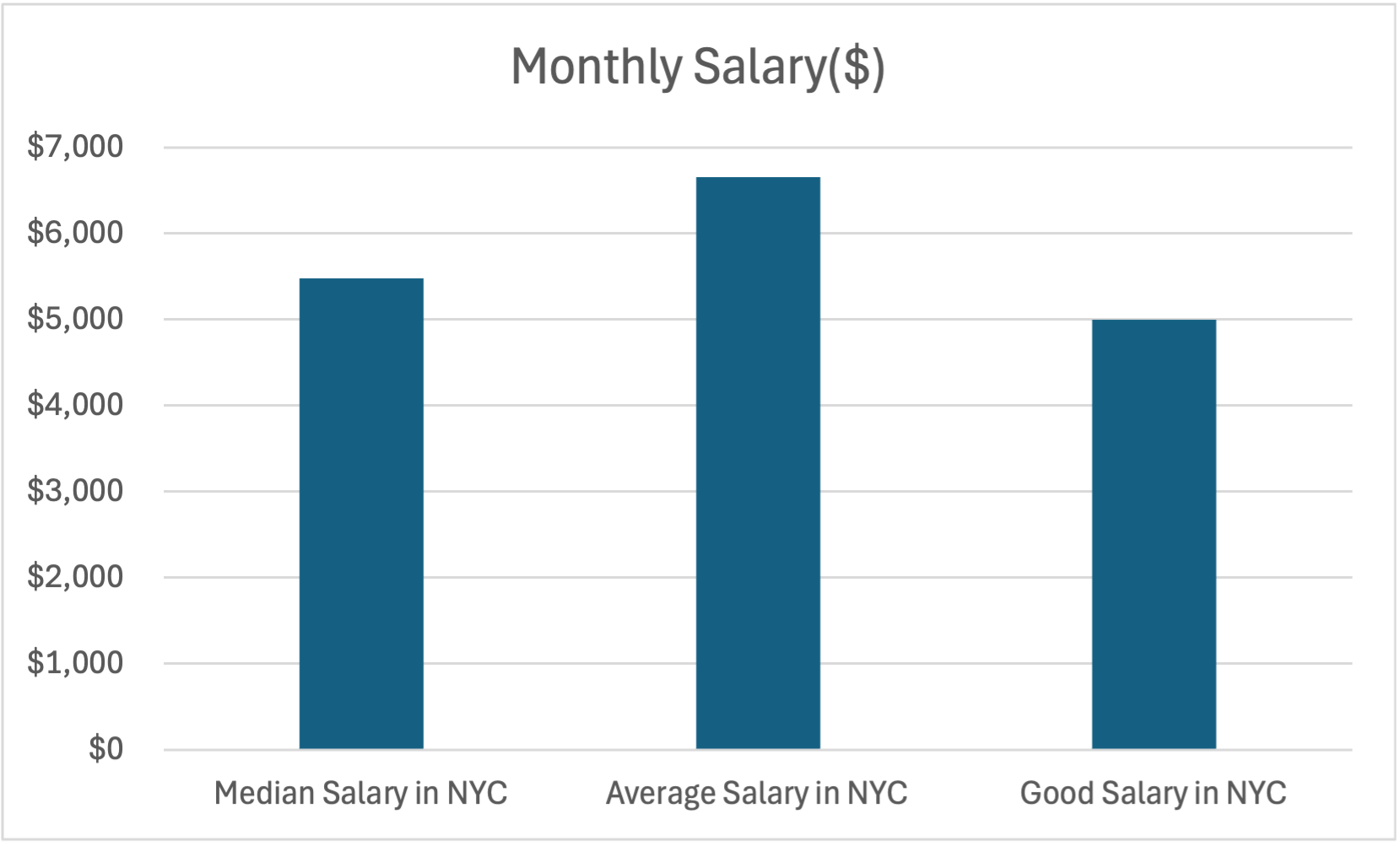
The average income in New York City is a complex metric, reflective of a city that prizes ambition and rewards hard work. While the numbers can seem daunting, the value of living in such a diverse and dynamic environment is difficult to quantify in currency alone.
For the professional, the artist, or the entrepreneur, the city offers a network of opportunity that is unparalleled. By understanding the economic landscape—from the high cost of housing in Manhattan to the diverse community living in Queens—you can better position yourself to thrive. Whether you are here for a short business stint or a lifetime of urban discovery, managing your income with a focus on your desired lifestyle will ensure that your time in this legendary city is both productive and profoundly rewarding.
Ultimately, New York City remains a city of high stakes, but for those who navigate its economic waters with insight and planning, it remains the greatest stage in the world.
LifeOutOfTheBox is a participant in the Amazon Services LLC Associates Program, an affiliate advertising program designed to provide a means for sites to earn advertising fees by advertising and linking to Amazon.com. Amazon, the Amazon logo, AmazonSupply, and the AmazonSupply logo are trademarks of Amazon.com, Inc. or its affiliates. As an Amazon Associate we earn affiliate commissions from qualifying purchases.