
When considering a move to the vibrant coastal landscape of Portland, Maine, understanding the local economic landscape is essential for anyone looking to embrace the “Way Life Should Be.” As the largest city in the state, Portland serves as the cultural, economic, and social heartbeat of the region. Whether you are relocating for a career change, exploring remote work possibilities, or simply curious about the financial pulse of this bustling harbor town, analyzing the average income provides a window into the cost of living and the overall quality of life found in this corner of New England.
Understanding Local Earnings and Economic Dynamics
The economic profile of Portland is uniquely characterized by its blend of traditional industries and a rapidly growing modern service sector. Historically rooted in maritime commerce and fishing, the city has evolved into a hub for hospitality, finance, healthcare, and a burgeoning tech scene.
Statistical Overview of Household Income
According to recent data from the United States Census Bureau, the median household income in Portland has seen a steady upward trajectory. Generally hovering in the range of $75,000 to $85,000, this figure represents the mid-point of earnings for families within the city limits. However, averages can be deceptive when considering the diverse neighborhoods, ranging from the historic charm of the Old Port district to the residential tranquility of Deering Center.
Comparing Wages to the Broader Region
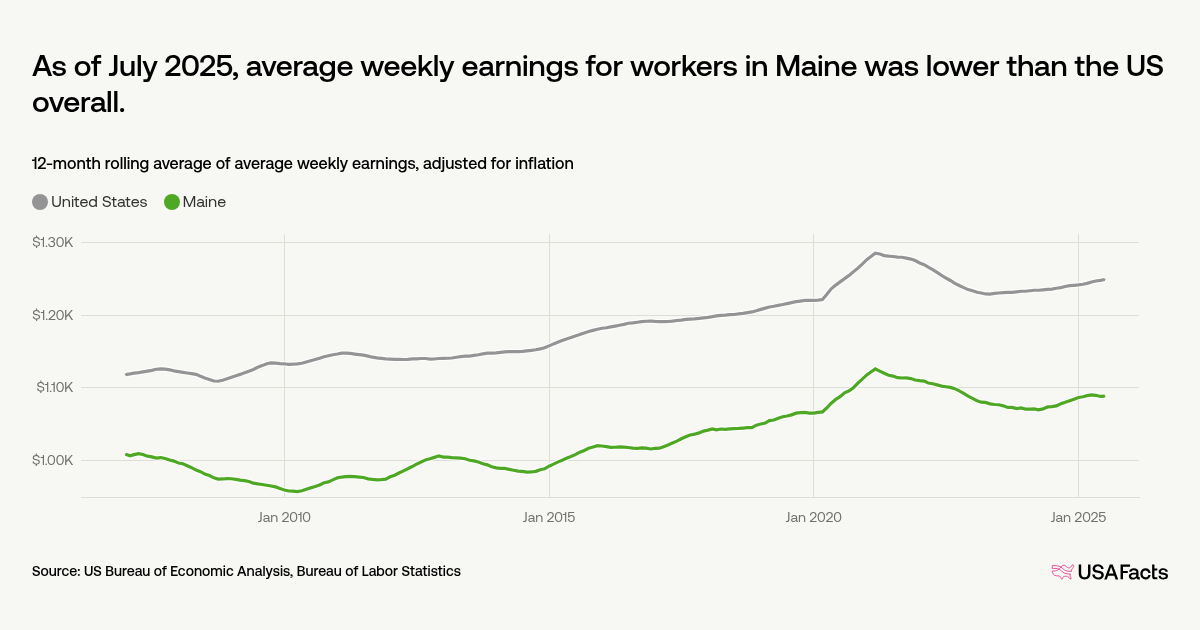
When contrasted with the rest of Maine, Portland consistently commands higher average earnings. This disparity is largely driven by the concentration of corporate headquarters, medical centers like Maine Medical Center, and a high volume of tourism-driven entrepreneurship. For those arriving from major metropolitan areas such as Boston or New York City, these figures may appear modest, yet they must be balanced against the unique economic demands of living in a city that attracts millions of visitors annually.
Factors Influencing the Cost of Living
Income levels in Portland do not exist in a vacuum. To truly understand what it means to earn an “average” income here, one must examine the variables that dictate how far that dollar stretches. The city’s desirability has led to shifts in housing affordability and consumer pricing that reflect its status as a top-tier destination.
The Impact of Housing Costs
Housing remains the largest expenditure for most residents. The high demand for property—driven by the city’s coastal beauty and Atlantic Ocean access—has pushed rental and purchase prices upward. Professionals earning the median household income often find that a significant portion of their monthly budget is allocated toward housing, particularly near popular spots like Eastern Promenade or the scenic Munjoy Hill.

Essential Services and Lifestyle Expenses
Beyond housing, Portland offers a lifestyle that balances affordability with premium experiences. While groceries and utility costs are comparable to national averages, the city’s renowned food scene—highlighted by world-class eateries near the Portland Fish Pier—can lead to higher discretionary spending. Residents often find themselves enjoying the bounty of local markets and Casco Bay seafood, which, while luxurious in other markets, is a local staple.
Professional Opportunities and Industry Shifts
The average income in Portland is heavily influenced by the professional landscape. The city has successfully transitioned from a working-class port town to a diversified economy, providing a wide range of income brackets.
Key Employment Sectors
- Healthcare and Life Sciences: As a regional medical hub, Portland provides high-paying roles that significantly bolster the average income statistics.
- Hospitality and Tourism: The seasonal influx of tourists supports a massive service industry. While entry-level service wages may pull the average down, the presence of upscale resorts and dining establishments creates a tier of high-earning management and culinary professionals.
- Creative and Tech Industries: An increasing number of remote workers and startups have established offices near the Portland Downtown District, bringing in salary structures that reflect global market standards rather than purely regional ones.
The Growth of the Remote Workforce
The trend of remote employment has fundamentally altered the income demographic in Portland. Professionals moving from higher-cost urban centers are choosing the Maine lifestyle while maintaining their previous salary scales. This shift has created a more affluent professional class, which is reflected in the rising average household income figures over the last decade.
Managing Financial Well-being in a Destination City
Living in a place that feels like a permanent vacation comes with the responsibility of managing finances against the backdrop of a “tourist economy.” To thrive in Portland, residents must leverage the city’s strengths while navigating its economic constraints.
Budgeting for a Seasonal Economy
Because Portland experiences a massive influx of activity during the summer months, prices for dining, entertainment, and even some services can fluctuate. Locals often learn to balance their spending by taking advantage of the city’s free natural amenities, such as Bug Light Park or the walking trails of Back Cove, which provide world-class recreational opportunities without the premium price tag.

Long-term Planning and Economic Outlook
As the city continues to gain national recognition as one of the best places to live in the United States, the economic outlook remains robust. For those considering a permanent move, the “average income” is best used as a baseline for preparation rather than a rigid limit. Whether you are looking to start a business or advance your career in one of the city’s anchor institutions, the economic ecosystem of Portland is designed to support a high quality of life for those willing to engage with its evolving, vibrant, and deeply historic community.
By understanding these nuances, you can better prepare for a life in this coastal gem, ensuring your financial planning aligns with the unique rhythm and opportunities found throughout the streets of Portland. Whether you are enjoying a coffee in the Arts District or taking a ferry across the harbor, you will find that the value of life here is measured in more than just dollars and cents.
LifeOutOfTheBox is a participant in the Amazon Services LLC Associates Program, an affiliate advertising program designed to provide a means for sites to earn advertising fees by advertising and linking to Amazon.com. Amazon, the Amazon logo, AmazonSupply, and the AmazonSupply logo are trademarks of Amazon.com, Inc. or its affiliates. As an Amazon Associate we earn affiliate commissions from qualifying purchases.