
Travelers to the Golden State quickly discover that while its scenic beauty and iconic attractions are unparalleled, the cost of fuel often presents a unique challenge. California consistently boasts some of the highest gas prices in the United States, a factor that significantly impacts travel budgeting and route planning. Understanding these prices, their underlying causes, and strategies for managing them is crucial for anyone embarking on a road trip or exploring the state’s vast and varied landscapes.
The California Gas Price Enigma: Understanding the Cost
The sticker shock at a California gas station is a common experience for out-of-state visitors. While national averages fluctuate, California’s prices typically remain a dollar or more per gallon above the rest of the country. This isn’t arbitrary; a confluence of specific factors contributes to this persistent premium.
Factors Driving High Prices: Taxes, Regulations, and Special Blends
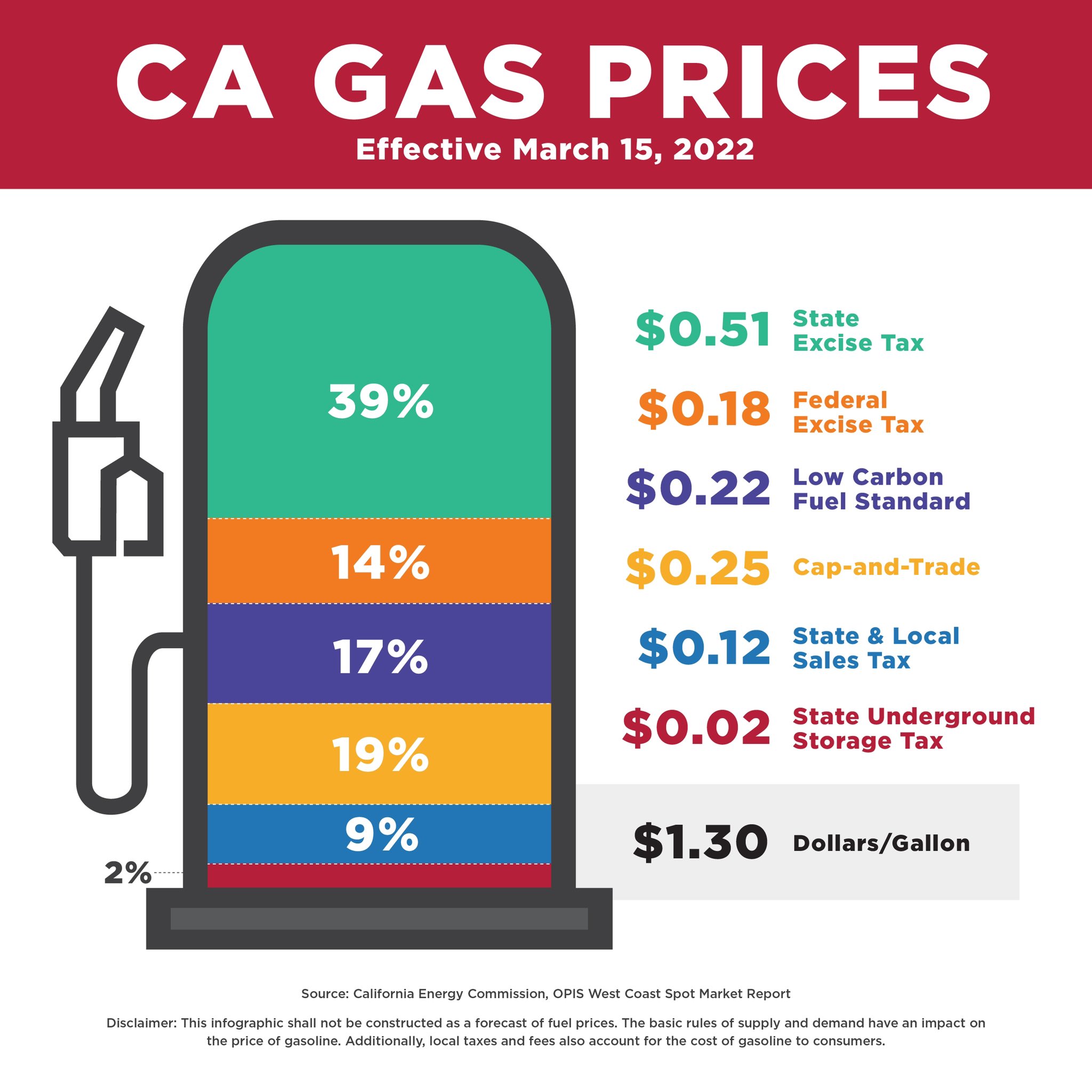
Several key elements elevate gas prices across California. Firstly, the state imposes some of the highest gasoline taxes in the nation, including excise taxes, sales taxes, and carbon cap-and-trade fees designed to fund transportation projects and combat climate change. These taxes alone can add a substantial amount to the per-gallon cost. Secondly, California has stringent environmental regulations, requiring a unique, cleaner-burning fuel blend during certain times of the year, particularly in summer months, to reduce smog and air pollution. This specialized blend is more expensive to produce and has fewer refineries equipped to do so, leading to reduced supply and higher prices. Furthermore, the state’s geographic isolation from major oil pipelines and refining hubs means a significant portion of its crude oil and refined gasoline must be transported by ship or truck, adding to logistical costs. Finally, the market dynamics of supply and demand within California’s relatively closed fuel market can amplify price spikes due to refinery outages or other disruptions.
Real-Time Averages and How to Track Them
Given the volatility, quoting a single “average price” for California gas is challenging and often quickly outdated. Prices can change daily, even hourly, and vary significantly from one city or region to another. For the most current information, travelers should consult real-time gas price tracking apps like GasBuddy, AAA Gas Prices, or Google Maps. These platforms aggregate data from users and stations, providing up-to-the-minute prices, allowing travelers to compare costs at nearby stations, and even predict price trends. Checking these resources before embarking on a long drive or entering a new area can lead to significant savings. As a general rule, expect prices to fluctuate, but consistently be higher than the national average, often hovering between $4.50 to $6.00 per gallon for regular unleaded, depending on the current market and the specific location within the state.
Navigating California’s Vast Landscapes: Gas as a Travel Budget Cornerstone
For many, exploring California means hitting the open road. The state’s sheer size and the dispersion of its major attractions make driving an almost essential part of the travel experience. Consequently, gas costs become a critical line item in any travel budget, significantly influencing trip duration, route choices, and overall expenditures.
Road Trips Across California: Pacific Coast Highway, Yosemite, Death Valley
Consider the iconic Pacific Coast Highway (Highway 1), a journey renowned for its breathtaking ocean views and charming coastal towns like Santa Barbara, Big Sur, and Monterey. This drive, stretching hundreds of miles, demands frequent refueling. Similarly, venturing into California’s magnificent national parks like Yosemite National Park, Sequoia National Park, Joshua Tree National Park, or the vast expanses of Death Valley National Park means covering substantial distances. Remote locations within or near these parks often have limited gas stations, which can command even higher prices due to lack of competition and increased transportation costs. A round trip from Los Angeles to Yosemite, for instance, can easily exceed 600 miles. For a vehicle averaging 25 miles per gallon, this means consuming about 24 gallons of gas. At $5.50 per gallon, that’s over $130 just for fuel for one segment of a trip. Multiply that by longer itineraries, and the costs quickly add up, potentially rivaling accommodation expenses for budget travelers.
Impact on Urban Exploration: Los Angeles, San Francisco, and Beyond
Even within California’s major urban centers, gas prices exert a considerable influence on travel. In sprawling cities like Los Angeles, where attractions such as Disneyland, Hollywood, and the beaches are spread out, driving is often the most practical way to get around. The same applies to navigating the diverse neighborhoods of San Diego or the wine regions of Napa Valley and Sonoma County. While public transportation options exist in cities like San Francisco (where cable cars and BART are popular), many travelers still opt for the flexibility of a car. The cumulative cost of short drives to various attractions, coupled with parking fees, can make urban exploration surprisingly expensive, forcing travelers to prioritize destinations or seek out more concentrated itineraries.
Regional Variations: Where Gas Costs More (or Less)
While California’s gas prices are universally high, there are noticeable differences depending on where you are in the state. Understanding these regional variations can help travelers make informed decisions about when and where to refuel.
Coastal vs. Inland: The Bay Area to the Central Valley

Generally, coastal urban centers tend to have higher gas prices. Cities within the San Francisco Bay Area and Greater Los Angeles often see the highest prices due to population density, higher operating costs for businesses, and sometimes stricter local environmental regulations. For example, a gallon of gas in San Francisco or Beverly Hills will almost certainly be more expensive than in a less affluent, more rural area.
Conversely, inland regions, particularly in the Central Valley or San Joaquin Valley around cities like Fresno or Bakersfield, often offer slightly lower prices. The difference might only be a few cents, or up to 30-50 cents per gallon, but over a full tank, this can add up. The exception to this rule might be very remote inland areas where competition is scarce.
Remote Areas and Tourist Hotspots
Be particularly wary of gas prices in remote tourist destinations and national park entrances. Locations near popular attractions like Lake Tahoe, Big Sur, or the immediate vicinity of Yosemite and Death Valley often have significantly inflated prices. With fewer alternatives, these stations can charge a premium. It’s not uncommon to see prices a dollar or more above the state average in these isolated areas. Planning to fill up your tank before entering these zones is a highly recommended strategy. For instance, if you’re traveling to Palm Springs, filling up in a larger town along Interstate 10 before you reach the resort city might save you a significant amount. Similarly, exploring the Redwood National Park or the Mendocino Coast warrants a full tank before departing larger towns.
Strategic Fueling for California Travelers: Tips and Tricks
Managing gas costs effectively can significantly enhance a California travel experience, allowing for more budget flexibility elsewhere.
Apps and Memberships: Finding the Best Deals
As mentioned, gas price tracking apps are invaluable. Apps like GasBuddy not only show current prices but also offer loyalty programs or payment options that can provide additional discounts. Many grocery store chains (e.g., Safeway, Ralphs, Vons) in California have gas stations where loyalty members can redeem points for fuel discounts, sometimes saving 10 cents or more per gallon. If you’re planning an extended stay or frequent visits, signing up for these free programs can be beneficial. Warehouse clubs like Costco and Sam’s Club also consistently offer some of the lowest gas prices, often a substantial saving over regular stations, though they require a membership.
Fuel-Efficient Driving Habits
Adopting fuel-efficient driving practices can stretch each tank of gas further. Maintaining a steady speed, avoiding rapid acceleration and hard braking, and using cruise control on highways like Interstate 5 or Highway 101 can improve fuel economy. Ensuring your tires are properly inflated and your vehicle is well-maintained also contributes to better mileage. Even small improvements in miles per gallon can translate to significant savings over hundreds of miles of California exploration.
Planning Your Route with Gas Stops in Mind
Proactive planning is perhaps the most effective strategy. Before a long leg of your journey, especially when heading towards rural areas, national parks, or expensive tourist zones, check gas prices in towns along your route. Aim to fill up in larger towns or cities before venturing into areas known for higher prices. For example, if you’re driving from Los Angeles to the Sierra Nevada, fill up in the Central Valley before ascending into the mountains. Similarly, if you’re leaving San Francisco for a trip to Lake Tahoe, consider refueling in Sacramento or a suburb just outside the immediate Bay Area. This strategy mitigates the impact of price gouging in less competitive markets.
Beyond the Pump: Electric Vehicles and Public Transport Alternatives
For travelers looking to minimize or eliminate gas expenses altogether, California also offers increasingly viable alternatives.
EV Charging Infrastructure for the Eco-Conscious Traveler
California leads the nation in electric vehicle (EV) adoption and boasts an extensive and continually expanding charging infrastructure. For travelers with an EV, or those considering renting one, the state offers numerous charging stations, from fast DC chargers along major corridors to slower Level 2 chargers at hotels and attractions. While charging isn’t free, it is often significantly cheaper than gasoline, especially if charging overnight at an accommodation. Apps like PlugShare can help EV drivers locate charging stations and plan routes accordingly, making emissions-free road trips a growing reality across the state, from the Mojave Desert to the Redwood Coast.

Exploring California Without a Car: Trains, Buses, and Ride-Shares
While driving offers unparalleled freedom, it’s not the only way to experience California. Major cities like San Francisco, Los Angeles, and San Diego have robust public transportation systems including buses, light rail, and subway lines. Amtrak’s scenic Pacific Surfliner connects San Luis Obispo to San Diego via Los Angeles, offering a relaxing way to see the coast without touching a gas pump. Intercity bus services also connect many destinations. Within cities, ride-sharing services like Uber and Lyft provide on-demand transportation, allowing travelers to avoid parking hassles and potentially high gas costs for short trips, particularly when combined with walking or public transit. Even exploring iconic landmarks like the Golden Gate Bridge can be done with public transport from downtown San Francisco or by simply walking or cycling across. For areas like La Jolla in San Diego or the beaches of Santa Cruz, combining local buses with walking can be an effective and scenic approach.
Ultimately, navigating California’s unique gas price landscape requires awareness and strategic planning. By understanding the factors at play, utilizing available resources, and considering alternative transportation methods, travelers can enjoy the state’s incredible offerings without letting fuel costs overshadow their adventure.
LifeOutOfTheBox is a participant in the Amazon Services LLC Associates Program, an affiliate advertising program designed to provide a means for sites to earn advertising fees by advertising and linking to Amazon.com. Amazon, the Amazon logo, AmazonSupply, and the AmazonSupply logo are trademarks of Amazon.com, Inc. or its affiliates. As an Amazon Associate we earn affiliate commissions from qualifying purchases.