
California, often romanticized as the Golden State, is synonymous with innovation, stunning natural beauty, and a lifestyle that captivates dreamers worldwide. From the sun-drenched beaches of San Diego to the tech hubs of Silicon Valley and the glitz of Hollywood, it offers a tapestry of experiences unparalleled by any other state. However, beneath the allure of its vibrant culture and breathtaking landscapes lies a crucial reality: the high cost of living. For anyone considering moving to, working in, or even embarking on an extended travel experience within California, understanding the average salary is not just a statistical curiosity but an absolute necessity for financial planning and realizing their Golden State dreams.
This article delves into the intricacies of earning potential in California, exploring how average salaries compare to the state’s famously high expenses. We’ll examine the diverse economic engines that drive income levels, dissect the real impact of the cost of living on daily life and lifestyle choices, and ultimately, connect these financial realities to the rich tapestry of travel, accommodation, tourism, and unique lifestyle experiences that define California. Whether you’re planning a luxurious getaway, a budget-conscious adventure, or considering a long-term stay, knowing what to expect financially is your first step to unlocking the best of California.
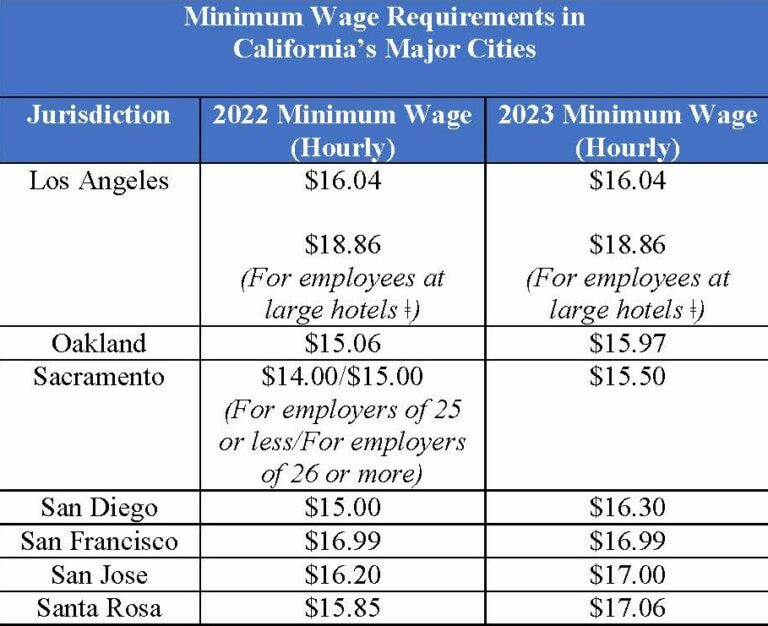
Understanding California’s Diverse Economic Landscape and Salary Benchmarks
California’s economy is a powerhouse, boasting the largest state economy in the United States and one of the largest sub-national economies in the world. This economic might is fueled by a remarkably diverse range of industries, each contributing to the state’s overall average salary figures while simultaneously creating significant regional variations.
The Golden State’s Economic Engines and Regional Salary Variances
The state’s economic backbone is multifaceted. Technology, concentrated heavily in the San Francisco Bay Area and Silicon Valley (including cities like San Jose and Palo Alto), is perhaps its most famous and highest-paying sector. Here, salaries for software engineers, data scientists, and tech executives regularly exceed national averages, often reaching six figures or more, attracting talent from across the globe.
Entertainment and media dominate in Los Angeles, particularly within Beverly Hills and its surrounding areas, driving high incomes for actors, producers, directors, and various support roles within the film and television industry. Agriculture, centered in the fertile Central Valley, contributes significantly to the state’s GDP, though salaries in this sector tend to be lower than in tech or entertainment. Healthcare, education, manufacturing, and tourism also play vital roles, each with its own salary structure and geographic distribution.
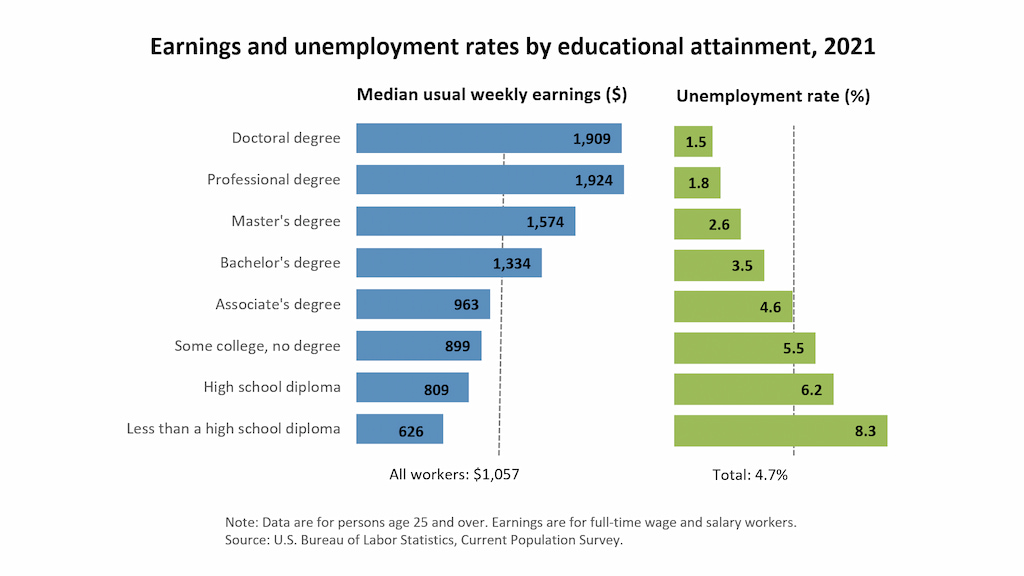
These industry concentrations lead to substantial regional differences in average salaries. For instance, the average salary in San Francisco or Los Angeles will be considerably higher than in more rural parts of the state. This disparity is crucial for anyone considering relocation or budgeting for travel, as living and visiting expenses are directly correlated with these regional income levels.
Key Salary Statistics: What to Expect
While exact figures fluctuate with economic conditions, the average salary in California is consistently higher than the national average, reflecting its robust economy and high cost of living. As of late 2023/early 2024, illustrative data suggests the average annual salary in California hovers around $85,000 to $95,000. However, it’s essential to differentiate between average and median. The median annual salary, which provides a more accurate picture by mitigating the impact of extremely high earners, is often closer to $65,000 to $75,000. These figures represent the total earnings across all sectors and experience levels.
For entry-level positions, salaries might range from $40,000 to $55,000, while experienced professionals in high-demand sectors like tech or specialized healthcare can command upwards of $150,000 to $200,000 annually. It’s also important to consider that these are gross figures; after taxes, health insurance, and other deductions, the take-home pay will be significantly less.
This robust salary environment is a magnet for skilled professionals. However, as we will explore, these higher incomes are often a necessity rather than a luxury when stacked against the state’s formidable cost of living. Understanding this balance is key to evaluating whether a California salary truly offers a comfortable lifestyle or merely keeps pace with expenses.
Navigating the High Cost of Living: Salaries Versus Expenses
California’s high salaries are often cited, but they cannot be understood in isolation. The true financial picture emerges when comparing income against the state’s notoriously high cost of living, which significantly impacts everything from housing to daily necessities and leisure activities.
Housing: The Biggest Hurdle
Without a doubt, housing is the most significant financial burden for Californians. Rental costs and home prices, particularly in major metropolitan areas, far exceed national averages. For instance, a modest one-bedroom apartment in San Francisco can easily cost $2,500 to $3,500 per month, while similar units in Los Angeles or Santa Monica might range from $2,000 to $3,000. Even in desirable, albeit less urban, areas like Orange County or Santa Barbara, housing expenses remain substantially high.
This reality makes careful planning for accommodation crucial, whether you’re moving for work or planning a long-term stay. Options range from traditional apartments to shared living spaces, or for those with higher incomes, luxurious villas or custom-built homes. For travelers, understanding these costs influences decisions about booking hotels, considering extended-stay apartments, or exploring more budget-friendly motels or hostels. Websites like Airbnb have become popular platforms for finding both short-term vacation rentals and longer-term accommodation solutions, offering a glimpse into local living at various price points.
Daily Expenses and Lifestyle Choices
Beyond housing, everyday expenses also demand a significant portion of an average Californian’s salary. Transportation costs can be high, especially for those relying on personal vehicles due to fuel prices, insurance, and parking fees. Public transit options vary greatly by city; while San Francisco has a relatively robust system, many other areas are car-dependent. Ride-sharing services like Uber are prevalent but add up quickly for daily commutes.
Groceries, dining out, and utilities are also generally more expensive than in other states. A simple dinner at a casual restaurant can easily cost $20-$30 per person, while fine dining experiences in cities like Napa Valley or Carmel-by-the-Sea can quickly run into hundreds of dollars. Health insurance, childcare, and educational expenses further strain budgets, making strategic financial planning indispensable.
These high costs necessitate conscious lifestyle choices. Those on an average salary might opt for budget travel experiences, seeking out free attractions, cooking at home, and utilizing public parks and nature trails for recreation. Conversely, higher earners can indulge in luxury travel, staying at five-star resorts like The Ritz-Carlton or Four Seasons Hotel and frequently enjoying premium dining and exclusive experiences. Regardless of income, the California lifestyle, with its emphasis on outdoor activities and healthy living, offers opportunities for enjoyment across all budgets.
Impact on Travel, Tourism, and Lifestyle in California
The interplay between average salaries and the cost of living fundamentally shapes how residents and visitors experience California’s vast offerings. From choosing destinations to selecting accommodation and embracing local culture, financial considerations are always at play.
Funding Your California Adventures: From Budget to Luxury Travel
California is a dream destination for travelers worldwide, offering everything from iconic landmarks to serene natural retreats. How one funds and enjoys these adventures is heavily influenced by their income.
- Budget-Friendly Explorations: For those on a tighter budget, perhaps earning closer to the median salary or visiting as a frugal tourist, California still offers immense value. Yosemite National Park, Sequoia National Park, and Joshua Tree National Park provide unparalleled natural beauty with relatively low entry fees, and camping or staying in nearby budget accommodations can make these trips affordable. Coastal drives along Highway 1 through Big Sur and Monterey are free, with stunning vistas at every turn. Exploring local markets, picnicking in parks, and utilizing public transit or carpooling are excellent strategies for enjoying California’s attractions without overspending. Many local cultures and communities, from the vibrant Latin American influences in East Los Angeles to the historic charm of Old Sacramento, can be experienced authentically without breaking the bank.
- Mid-Range and Luxury Experiences: With a higher average salary, the options expand significantly. A comfortable income allows for stays in boutique hotels in charming towns like Sonoma, visits to renowned vineyards in Napa Valley, and enjoying world-class entertainment in Los Angeles. Luxury travel becomes a tangible reality, encompassing stays at opulent resorts in Palm Springs or Lake Tahoe, private tours of Disneyland or Universal Studios Hollywood, and fine dining experiences across the state. This tier of income enables individuals to fully immerse themselves in the “luxury lifestyle” often associated with California.
Accommodation Choices Across Salary Brackets
The average salary profoundly dictates the choice of accommodation, which is a significant component of both living and traveling in California.
- Budget-Conscious Accommodation: For those with limited financial flexibility, affordable accommodation often means choosing budget motels, hostels, or vacation rentals further from prime attractions. Long-term stays might involve renting rooms in shared houses or opting for smaller, more distant apartments. Websites offering comparative pricing and reviews are essential tools for finding value in this competitive market.
- Mid-Range Accommodation: An average salary might allow for comfortable stays in 3-star hotels like Hyatt Regency, Marriott, or Hilton properties, particularly during off-peak seasons or in less central locations. This bracket also opens up more options for extended-stay apartments, providing amenities like kitchens for self-catering, which can save on dining costs.
- Luxury Accommodation: For high earners, the possibilities are virtually limitless. California is home to some of the world’s most exclusive resorts and suites. Imagine staying at the Waldorf Astoria Beverly Hills, enjoying oceanfront villas in Laguna Beach, or experiencing concierge services at five-star hotels near iconic landmarks like the Golden Gate Bridge. These choices cater to those seeking premium amenities, unparalleled service, and opulent surroundings, reflecting a significant investment in their travel and lifestyle experience.
Embracing the California Lifestyle: Beyond the Numbers
The California lifestyle is more than just salaries and expenses; it’s about cultural experiences, outdoor activities, and a certain West Coast sensibility. While income certainly influences access, many aspects are accessible to all.
- Local Culture and Food: Exploring the diverse food scene, from street tacos in Los Feliz to farm-to-table restaurants in Davis, is a quintessential Californian experience. Local festivals, art walks, and community events offer insights into the rich tapestry of cultures that define the state. While Michelin-starred dining is exclusive, vibrant food trucks and diverse ethnic eateries are abundant and affordable.
- Outdoor Activities: California’s natural landmarks, from the majestic redwoods to the deserts of Death Valley National Park and the pristine beaches of Malibu, offer endless opportunities for hiking, surfing, cycling, and exploring. These activities often require minimal expenditure beyond equipment and travel, making the active California lifestyle accessible to a wide range of income levels.
- Business Stays and Professional Networking: For those on business trips, especially in tech and entertainment, a healthy salary supports stays in well-appointed business hotels and allows for participation in networking events and conferences. The vibrant economy fosters a dynamic environment for professional growth and connection.
Strategies for Thriving in California
Given the unique economic landscape, thriving in California requires a blend of strategic financial planning, astute career choices, and an appreciation for the diverse opportunities the state offers.
Maximizing Your Income and Managing Expenses
For residents, the key to success lies in aligning career choices with California’s high-paying industries. Pursuing education and skills in technology, healthcare, and specialized professional services can significantly boost earning potential. For those already employed, continuous professional development and strategic career moves are essential to staying competitive and increasing income.
Equally important is rigorous expense management. Budgeting for housing, transportation, and daily living is paramount. Exploring options like living slightly outside major urban centers and commuting, utilizing public transport, or actively seeking out more affordable grocery options can make a substantial difference. For long-term stays, researching various accommodation booking sites, comparing reviews, and understanding the amenities offered by different suites or apartments is crucial to getting the best value.

Balancing Work and Play: Enjoying the Golden State
Ultimately, California offers an unparalleled quality of life, rich in experiences and opportunities, but it demands careful financial navigation. Whether you’re earning the average salary or significantly more, the state provides a lifestyle that blends professional ambition with an emphasis on well-being and leisure.
The secret to truly enjoying California, regardless of income bracket, is to find balance. Leverage the beautiful natural surroundings for affordable recreation, immerse yourself in local cultures that don’t require exorbitant spending, and strategically plan your travel and accommodation to align with your financial capabilities. With thoughtful planning and an understanding of its economic realities, California remains a state where dreams can indeed come true, offering a vibrant life rich in discovery and memorable experiences.
In conclusion, while the average salary in California is impressive, it’s crucial to contextualize it against the state’s equally impressive cost of living. For those who understand and adapt to this dynamic, California promises a rewarding lifestyle filled with incredible destinations, diverse tourism opportunities, and a quality of life that few places can match.
LifeOutOfTheBox is a participant in the Amazon Services LLC Associates Program, an affiliate advertising program designed to provide a means for sites to earn advertising fees by advertising and linking to Amazon.com. Amazon, the Amazon logo, AmazonSupply, and the AmazonSupply logo are trademarks of Amazon.com, Inc. or its affiliates. As an Amazon Associate we earn affiliate commissions from qualifying purchases.