
For professionals considering a relocation to the Empire State, understanding the financial landscape is a critical component of the decision-making process. New York State offers a diverse economic environment, ranging from the hyper-competitive corporate hubs of New York City to the burgeoning tech and manufacturing corridors in Upstate New York. While the average salary provides a helpful benchmark, the reality of living in this region is defined by a complex interplay of industry demand, geographical cost variations, and personal lifestyle choices.
Understanding the Economic Landscape and Average Earnings
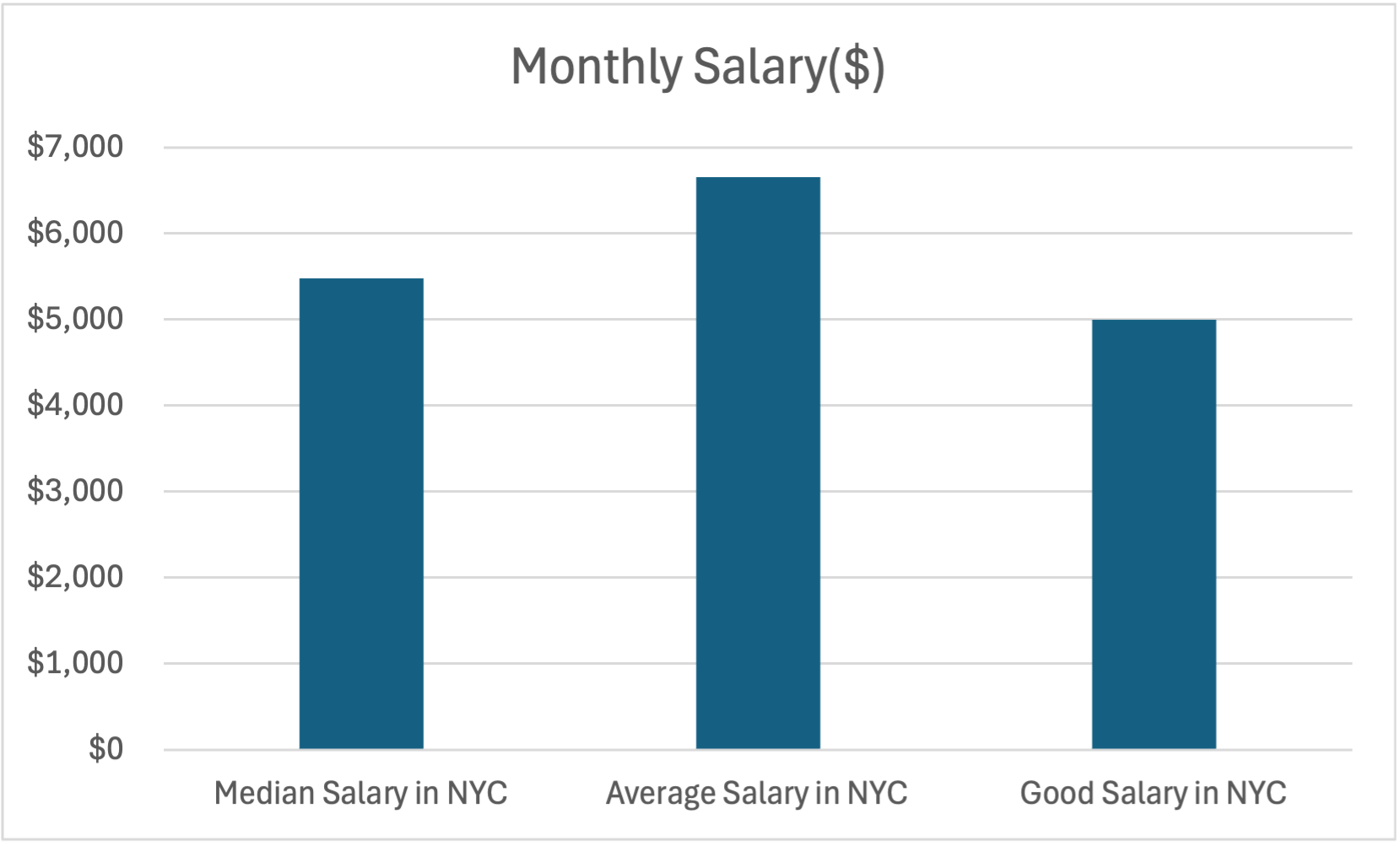
When analyzing the average salary in New York, it is essential to distinguish between the median household income and individual earnings. Current data suggests that the average annual salary across the state sits significantly higher than the national average, primarily due to the concentration of high-paying finance, legal, and technology sectors centered in Manhattan.

Disparities Between Urban and Rural Sectors
The economic experience of a resident in Brooklyn or Queens is vastly different from that of a resident in the Catskill Mountains or the Finger Lakes. In the metropolitan areas, salaries are adjusted to reflect the premium cost of living, including housing, transit, and services. Conversely, while nominal salaries may be lower in Buffalo, Rochester, or Syracuse, the purchasing power of those earnings often goes much further.
The Role of Industry Specialization
New York’s economy is not a monolith. The high-earning potential is heavily skewed toward specific industries:
- Finance and Banking: Centered around Wall Street, these roles command the highest salaries in the state, often pulling the state average upward.
- Technology and Innovation: With the growth of the “Silicon Alley” corridor, software engineering and data analysis roles have become major drivers of wage growth.
- Healthcare and Education: Serving the massive population in Long Island and beyond, these essential services provide stable, above-average income tiers.
- Tourism and Hospitality: Heavily concentrated in areas like Times Square or Niagara Falls, these sectors operate on a different pay scale, often relying on tip-based structures or service wages.
Cost of Living vs. Salary Expectations
Evaluating an average salary is essentially a futile exercise if not measured against the backdrop of the cost of living. Prospective residents must weigh their gross income against the regional tax burden and the inevitable housing costs associated with living in some of the most sought-after zip codes in the United States.
Housing Affordability and Real Estate
Housing remains the largest expense for anyone living in the Northeast. In Westchester County, the proximity to the city creates a high-demand market, driving up rent and home prices. In contrast, those moving to Albany or the Hudson Valley often find that their salary—even if lower than a city counterpart—allows for significantly higher quality of life, including more space and lower property taxes.
Taxes and Financial Obligations
New York is known for a tiered tax system. Residents in the five boroughs face a dual tax burden: the state income tax and the city income tax. When looking at your “take-home” pay, these factors are just as important as the gross annual salary offered by an employer. It is common for professionals moving from states with no income tax to experience “sticker shock” when they see the deductions on their first New York paycheck.
Lifestyle Implications for Professionals
Choosing a place to work and live in New York State involves balancing career ambitions with the desired pace of life. For many, the high salaries in urban centers are worth the fast-paced, high-stress environment. For others, the “New York lifestyle” is found in the quieter, more scenic regions.
Balancing Career and Comfort
Many professionals are now embracing a hybrid model. They might work for a firm based in Midtown Manhattan while residing in more affordable areas like Jersey City or the suburbs of Connecticut. This commute-heavy lifestyle is a trade-off many make to maximize the difference between their high New York salary and a more reasonable rent payment.
The Value of Location-Specific Amenities
When considering if a salary is “enough,” one must account for what the state provides in return for the cost of living:
- Public Transit: A robust infrastructure minimizes the need for car ownership, insurance, and maintenance, saving thousands of dollars annually.
- Cultural Access: The value of living near Central Park, The Metropolitan Museum of Art, or the Adirondack Mountains provides a lifestyle amenity that is difficult to quantify in a simple salary calculation.
- Networking Potential: The density of professionals in New York means that career mobility is higher than almost anywhere else in the country. Even if your starting salary is modest, the trajectory for growth is often much steeper.
Navigating Salary Negotiations in the Empire State
Whether you are seeking a role in SoHo or Troy, salary negotiation is a vital skill. Employers in this state are accustomed to discussing compensation packages that include more than just a base salary. Because of the competitive nature of the job market, companies frequently use performance bonuses, relocation stipends, and commuter benefits to entice top talent.
Researching Comparative Salaries
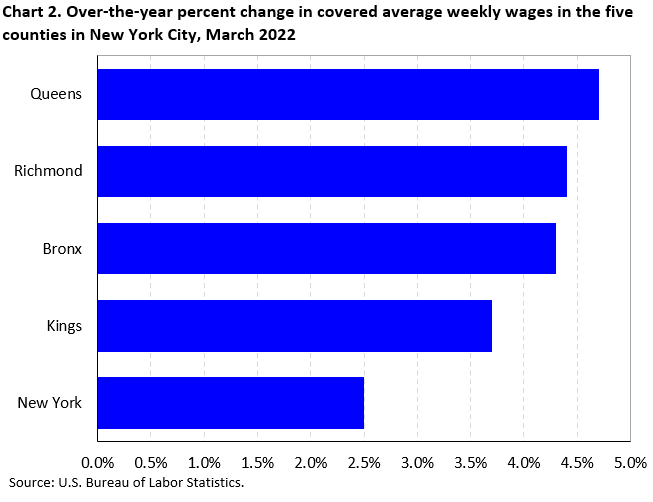
Before accepting an offer, use industry-specific salary aggregation tools to compare your potential earnings against others in your specific field. If you are offered a salary that matches the state average, check if that figure holds up against the median for your specific neighborhood. A salary that feels generous in Schenectady may be insufficient in Greenwich Village.
Beyond the Paycheck
In New York, quality of life is often subsidized by the employer. Look for comprehensive health insurance, retirement matching, and generous paid time off policies. In an environment where the daily grind can be demanding, these additional benefits significantly enhance the net value of your employment contract.
In conclusion, while the average salary in New York State provides a starting point for financial planning, the “right” salary is highly subjective. By considering your career goals, your preferred commute, and the specific region you intend to call home, you can better navigate the economic opportunities available in this dynamic and multifaceted state. Whether you find yourself in the bustling avenues of Tribeca or the quiet rolling hills of the Finger Lakes, your financial success will ultimately depend on how well you manage the interplay between your income and the lifestyle you choose to build.
LifeOutOfTheBox is a participant in the Amazon Services LLC Associates Program, an affiliate advertising program designed to provide a means for sites to earn advertising fees by advertising and linking to Amazon.com. Amazon, the Amazon logo, AmazonSupply, and the AmazonSupply logo are trademarks of Amazon.com, Inc. or its affiliates. As an Amazon Associate we earn affiliate commissions from qualifying purchases.