
California, the Golden State, beckons millions of visitors each year with its stunning coastlines, vibrant cities, world-class theme parks, and renowned wine regions. From the bustling streets of Los Angeles to the iconic landmarks of San Francisco and the serene vineyards of Napa Valley, there’s an endless array of experiences to discover. For many, enjoying a glass of California wine or craft beer is an integral part of their travel experience. However, understanding and adhering to the state’s strict Blood Alcohol Concentration (BAC) limits is not just a legal necessity but a critical component of responsible tourism and personal safety.
A Driving Under the Influence (DUI) charge in California carries severe penalties that can disrupt your trip, impact your finances, and have lasting legal consequences, whether you are a resident or a visitor from another state or country. Navigating the roadways of California requires a clear understanding of these regulations. This comprehensive guide aims to demystify California’s BAC limits, outline the legal ramifications of non-compliance, and provide practical advice for enjoying your visit responsibly and safely.
Understanding California’s Core BAC Limits
California takes a stringent stance on impaired driving, with specific BAC limits tailored to different categories of drivers. These limits are designed to protect everyone on the road by deterring individuals from operating a vehicle when their ability to do so is compromised by alcohol.
The Standard .08% BAC Limit for Most Drivers
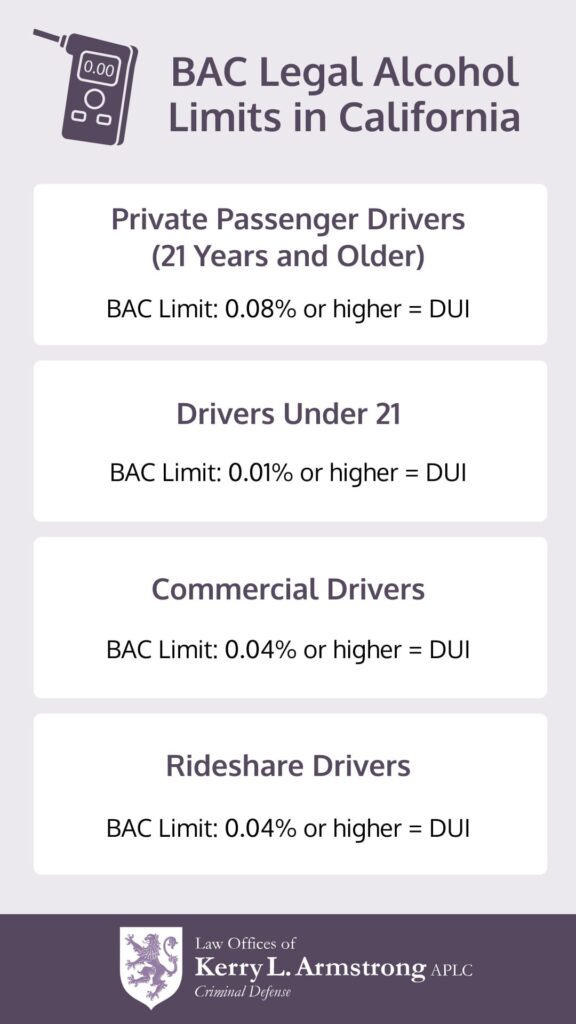
For most adult drivers in California (those aged 21 and older operating non-commercial vehicles), the legal BAC limit is 0.08%. This means that if a law enforcement officer determines your BAC to be 0.08% or higher, you are considered legally impaired and can be charged with a DUI. It’s crucial to understand that even if you feel capable of driving, a BAC at or above this threshold is sufficient for a conviction, regardless of your perceived sobriety.
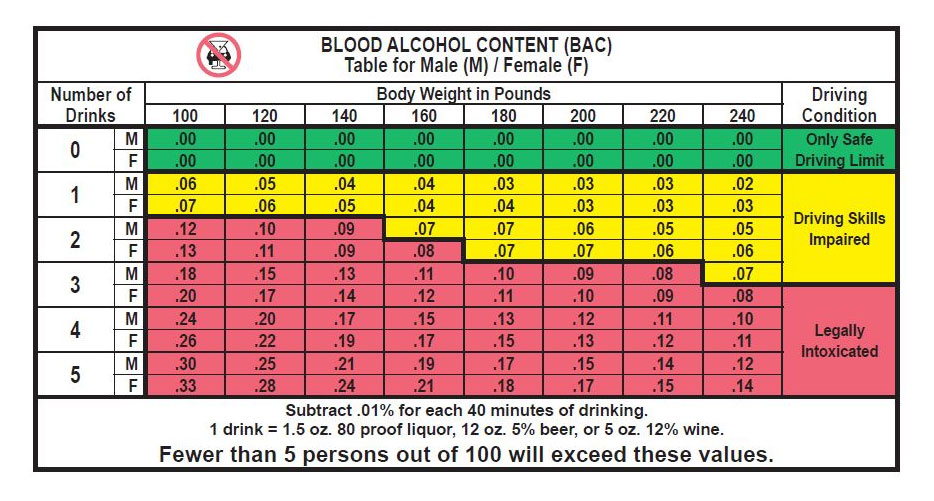
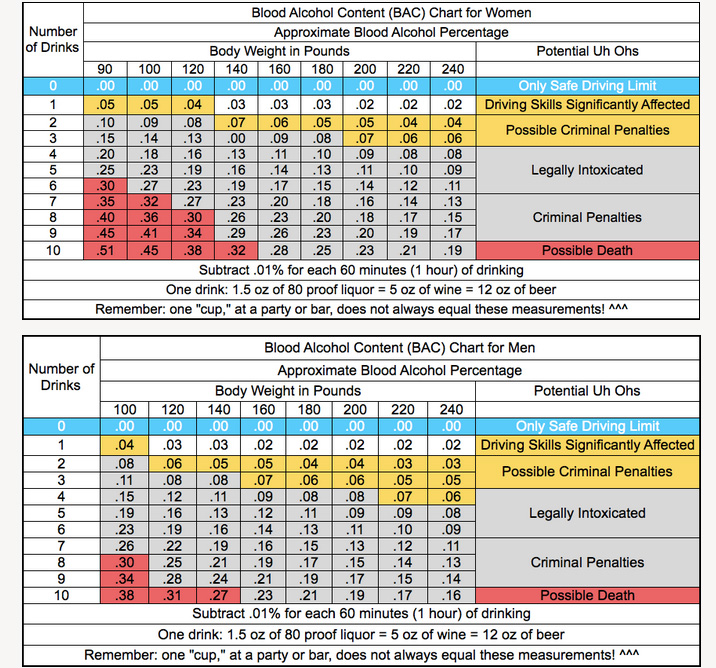
The measurement of BAC typically involves a breathalyzer test at the scene or a blood test at a medical facility. Both methods provide a quantitative assessment of the alcohol present in your bloodstream. It’s important to remember that alcohol’s effects vary significantly from person to person based on factors such as weight, gender, metabolism, food intake, and the rate of consumption. Therefore, relying on subjective feelings of “being okay to drive” is a dangerous gamble that can have dire consequences.
Stricter Limits for Specific Driver Categories
California implements even stricter BAC limits for certain groups of drivers, acknowledging the increased responsibility or vulnerability associated with their circumstances.
Underage Drivers (.01% “Zero Tolerance” Law)
For drivers under the age of 21, California enforces a “zero tolerance” policy. This means that if you are under 21 and your BAC is 0.01% or higher, you can be charged with a DUI. This extremely low limit effectively prohibits underage individuals from consuming any alcohol before driving. The rationale is clear: underage alcohol consumption is illegal, and combining it with driving poses an unacceptable risk. Penalties for underage DUI can include license suspension, fines, and mandatory alcohol education programs, severely impacting a young person’s driving privileges and future.
Commercial Drivers (.04% BAC)
Individuals holding a Commercial Driver’s License (CDL) and operating commercial vehicles, such as big rigs, buses, or large delivery trucks, are held to a higher standard due to the size and potential danger of their vehicles. For commercial drivers, the legal BAC limit is 0.04%. This stricter limit underscores the heightened responsibility commercial drivers have for public safety. A DUI conviction for a CDL holder can result in the loss of their commercial license, which can have devastating effects on their livelihood and career.
Drivers Carrying Passengers for Hire (.04% BAC)
In California, drivers operating vehicles for hire, such as taxi drivers, Uber drivers, or Lyft drivers, are also subject to a stricter BAC limit of 0.04% when they have a paying passenger in their vehicle. This provision emphasizes the trust placed in these drivers to transport the public safely. Similar to commercial drivers, a DUI conviction can lead to the loss of their ability to work in this capacity, alongside standard DUI penalties.
The Far-Reaching Consequences of a DUI in California
A DUI conviction in California is not merely a traffic ticket; it is a serious criminal offense with immediate and long-term repercussions that can significantly impact a person’s life, whether they are a permanent resident or just visiting.
Immediate Legal Repercussions
Upon arrest for a DUI, the consequences are swift and severe:
- Arrest and Impoundment: You will be arrested, and your vehicle will likely be impounded, incurring towing and storage fees.
- License Suspension (Administrative Per Se): The California Department of Motor Vehicles (DMV) can administratively suspend your driver’s license even before a court conviction. This “administrative per se” suspension typically lasts for several months, severely limiting your ability to drive. For visitors, this means losing driving privileges in California and potentially impacting driving privileges in their home state or country.
- Fines and Court Fees: DUI fines in California can range from hundreds to thousands of dollars for a first offense, not including additional court costs, penalty assessments, and attorney fees.
- Jail Time: While a first-offense misdemeanor DUI might not always result in extensive jail time, it is a possibility, and mandatory minimum sentences can apply, particularly with aggravating factors (e.g., high BAC, accident, child in the car).
Long-Term Impacts Beyond the Initial Penalties
The ramifications of a DUI extend far beyond the initial arrest and court proceedings:
- Criminal Record: A DUI conviction results in a criminal record, which can be visible to potential employers, landlords, and educational institutions, affecting future opportunities.
- Increased Insurance Rates: Your car insurance premiums will almost certainly skyrocket, often doubling or tripling, for several years following a DUI conviction, due to the classification of high-risk driver.
- Mandatory DUI School: You will be required to attend and complete a state-approved DUI education program, which can last from three to nine months, depending on the specifics of the offense. These programs are costly and time-consuming.
- Ignition Interlock Devices (IID): In many California DUI cases, especially repeat offenses or certain first offenses, you may be mandated to install an Ignition Interlock Device (IID) in your vehicle for a specific period. This device requires you to provide a breath sample before starting your car, preventing it from starting if alcohol is detected.
- Impact on Travel: A DUI conviction can severely impact international travel, especially for visitors. Some countries, including Canada, may deny entry to individuals with a DUI on their record. This can turn a dream vacation into a lasting nightmare.
- Employment: For individuals whose jobs require driving or a clean criminal record, a DUI can lead to job loss or make future employment exceedingly difficult.
Responsible Consumption and Safer Alternatives in the Golden State
Enjoying California’s vibrant nightlife, exquisite dining, and world-renowned wineries and breweries can and should be done responsibly. Planning ahead is paramount to ensuring a safe and memorable experience without risking a DUI.
Planning Ahead: Before You Drink
The most effective way to prevent a DUI is to plan your transportation before you even take your first sip of alcohol.
- Designated Drivers: If you are traveling with a group, designate a sober driver who commits to not drinking any alcohol. This is a classic and highly effective strategy.
- Ride-Sharing Services: California’s major cities and many tourist destinations are well-served by ride-sharing platforms like Uber and Lyft. These services provide a convenient and safe alternative to driving after consuming alcohol.
- Public Transportation: Cities like Los Angeles and San Francisco offer extensive public transportation networks, including buses, subway lines, and light rail. Familiarize yourself with local routes and schedules if you plan to use these options.
- Taxis: Traditional taxi services are also readily available, particularly in urban areas and near popular attractions.
- Walking: If your destination is within a safe and walkable distance, this can be an excellent option, but always be mindful of pedestrian safety, especially at night.
Understanding Your Limits
While California has defined legal BAC limits, it’s also crucial for individuals to understand how alcohol affects their own body.
- Factors Affecting BAC: Your BAC is influenced by numerous variables: your body weight, gender (women generally metabolize alcohol differently than men), metabolism, food intake before drinking, the type and strength of alcohol consumed, and the rate at which you drink.
- Dispelling Myths: There are many misconceptions about “sobering up” quickly. Coffee, cold showers, or fresh air do not accelerate the rate at which your liver processes alcohol. Only time can reduce your BAC.
- Monitor Consumption: Be aware of how much you are drinking. Standard drink sizes vary (e.g., a glass of wine at a restaurant might be larger than a standard serving). Pacing yourself and alternating alcoholic drinks with water can help manage your intake.
Enjoying California’s Vibe Responsibly
California offers an unparalleled array of experiences that involve alcoholic beverages, from wine tasting tours in Napa Valley or Sonoma to craft brewery visits in San Diego or Oakland. These activities can be enjoyed fully and safely by prioritizing responsible choices. Many wineries and breweries offer non-alcoholic options or food pairings, encouraging a more holistic experience. Embracing responsible consumption means enhancing your enjoyment and ensuring your trip to the Golden State remains positive and free of legal complications.
Important Considerations for Visitors to California
For tourists, especially those from outside the United States or other states, understanding California’s DUI laws is critical, as they may differ significantly from laws in their home regions.
Ignorance of the Law Is No Excuse
It is a fundamental legal principle that ignorance of the law is not a valid defense. Whether you’re a long-time resident or a first-time visitor, California’s DUI laws apply equally to everyone operating a vehicle within its borders. Visitors must take the initiative to learn and abide by local regulations.
Navigating Rental Cars and DUI Charges
If you are visiting California and driving a rental car, a DUI charge can complicate matters significantly. Not only will you face the standard legal penalties, but your rental agreement may be immediately terminated, and you could be held liable for damages or fees associated with the vehicle’s impoundment. Your personal auto insurance policy, if it covers rental cars, might also be affected, leading to increased rates upon your return home.
Cross-Border Travel Implications
For international visitors, a DUI conviction in California can have profound and lasting implications for future travel. Many countries, including Canada and even the United States itself for non-citizens, consider a DUI a serious criminal offense that can render an individual inadmissible. This means that even years after your conviction, you could be denied entry into certain countries, requiring complex legal processes to overcome the inadmissibility.
In conclusion, understanding the Blood Alcohol Concentration (BAC) limits in California is more than just knowing a number; it’s about making informed, responsible choices that ensure your safety and the safety of others. While California offers boundless opportunities for enjoyment, responsible tourism dictates adherence to local laws. By planning ahead, understanding the severe consequences of impaired driving, and utilizing the many safe transportation alternatives available, visitors can fully immerse themselves in the Golden State’s charm without compromising their well-being or legal standing. Drive sober, or don’t drive at all, and make your California adventure memorable for all the right reasons.
LifeOutOfTheBox is a participant in the Amazon Services LLC Associates Program, an affiliate advertising program designed to provide a means for sites to earn advertising fees by advertising and linking to Amazon.com. Amazon, the Amazon logo, AmazonSupply, and the AmazonSupply logo are trademarks of Amazon.com, Inc. or its affiliates. As an Amazon Associate we earn affiliate commissions from qualifying purchases.