
The Birth of a Beloved Police Drama
The television landscape is often populated by procedural dramas that offer a glimpse into various professions, but few have managed to capture the gritty authenticity and compelling character development quite like Chicago P.D.. This NBC series, which premiered in January 2014, delves into the lives of officers in the fictional 21st District of the Chicago Police Department. Its creation stems from a desire to explore the complex moralities and high-stakes realities faced by those on the front lines of law enforcement in a major American city.
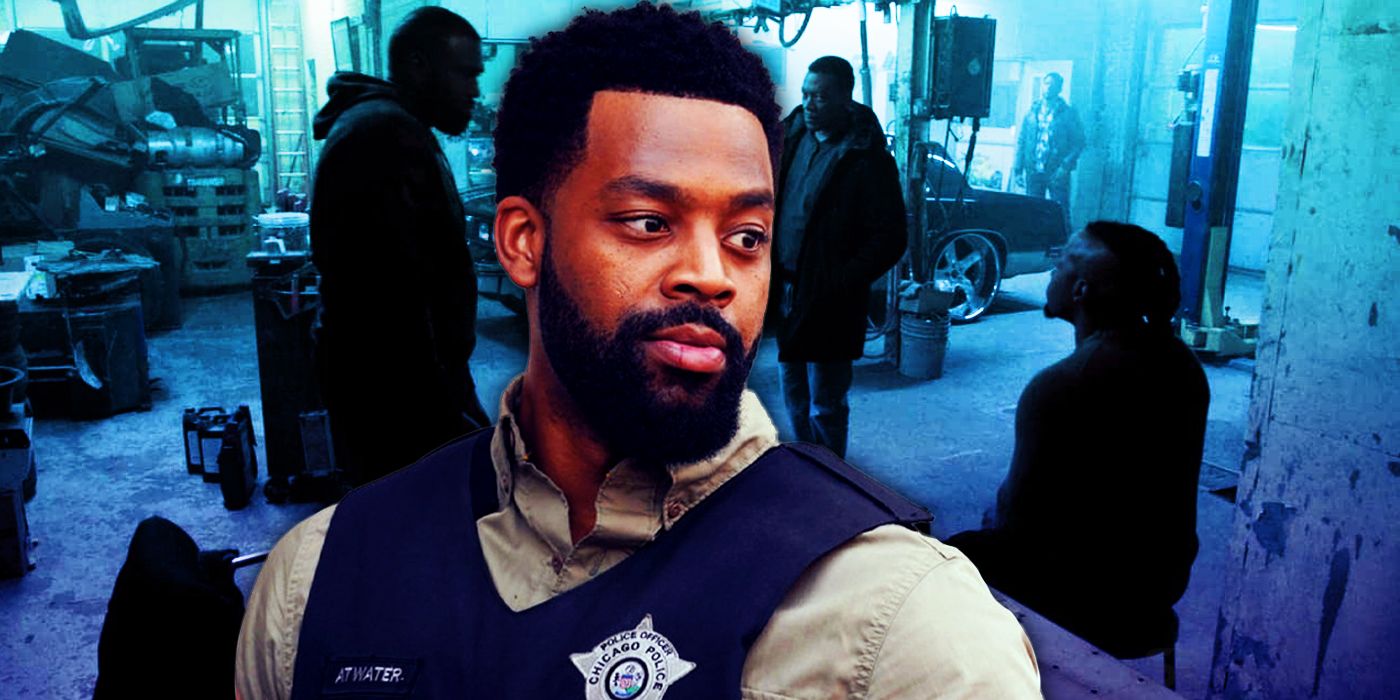
The genesis of Chicago P.D. can be traced back to its sister series, Chicago Fire. Dick Wolf, the prolific producer behind the Law & Order franchise, recognized the potential for an expanded universe within the city of Chicago. Chicago Fire, which focuses on the firefighters of Firehouse 51, had already established a strong following and a rich narrative tapestry. Wolf and his creative team saw an opportunity to introduce a complementary series that would explore the police side of emergency response, showcasing the intricate partnership between the two vital public services.
The initial concept was to provide a darker, more internally focused perspective on policing. While Chicago Fire often dealt with external crises, Chicago P.D. was envisioned as a show that would look inwards, exploring the personal struggles, ethical dilemmas, and the often blurred lines between right and wrong that police officers navigate daily. This introspective approach aimed to differentiate it from more action-oriented police dramas and create a deeper emotional resonance with the audience.
From Spin-off to Standalone Powerhouse
The pilot episode of Chicago P.D., titled “Stepping Stone,” aired on January 8, 2014, following an episode of Chicago Fire, strategically leveraging the established fanbase. This crossover introduction allowed viewers to become acquainted with the precinct and its key characters, most notably Sergeant Hank Voight, portrayed by Jason Beghe. Voight, a seasoned and often morally ambiguous detective, was introduced as a central figure whose leadership style and methods would define the series.
The creative team behind Chicago P.D., including Executive Producers Dick Wolf, Matt Olmstead, and Peter Jankowski, sought to create a show that was not just about solving crimes, but about the people who solve them. They aimed to depict the toll that such a demanding profession takes on an individual, both personally and professionally. This commitment to character-driven storytelling was a crucial element in setting the series apart.
The series was filmed on location in and around Chicago, a decision that was integral to its authentic feel. The city itself becomes a character, with its distinctive architecture, diverse neighborhoods, and bustling streets providing a vibrant backdrop for the unfolding narratives. The production team made a conscious effort to capture the essence of Chicago, from the iconic Grant Park to the industrial edges of the city, grounding the fictional precinct in a real-world context.
The Defining Characters and Their Journeys

At the heart of Chicago P.D. lies its ensemble cast, a collection of individuals whose personal lives and professional duties are inextricably linked. Sergeant Hank Voight, as mentioned, is the undeniable anchor of the show. His character is a complex study in contrasts: fiercely protective of his team and the city, yet unafraid to bend or break rules to achieve what he deems justice. Beghe’s portrayal has earned critical acclaim for its intensity and nuance, making Voight one of television’s most compelling anti-heroes.
Other pivotal characters were introduced early on, contributing to the precinct’s dynamic. Detective Erin Lindsay, played by Sophia Bush, began as Voight’s protégé, a street-smart officer grappling with her own past. Adam Ruzek (Patrick Flueger), a young, ambitious officer, often found himself caught between his desire to climb the ranks and his developing moral compass. Kevin Atwater (LaRoyce Hawkins), a principled and dependable officer, provided a moral compass and a voice for the community. Officer Kim Burgess (Marina Squerciati) and Officer/Detective Jay Halstead (Jesse Lee Soffer) rounded out the core team, each bringing their unique perspectives and personal challenges to the precinct.
The writers of Chicago P.D. deliberately crafted storylines that would explore the personal lives of these officers. Marriages strained by the demands of the job, past traumas that continue to haunt them, and the constant ethical tightropes they walk all contribute to the show’s depth. This willingness to expose the vulnerabilities of its characters resonated with audiences, fostering a strong sense of connection and investment in their fates.
Navigating the Moral Compass
A hallmark of Chicago P.D. is its unflinching exploration of moral ambiguity. The show rarely presents clear-cut heroes and villains. Instead, it delves into the gray areas of law enforcement, questioning the effectiveness of the justice system and the personal sacrifices made by those who enforce it. Sergeant Voight’s methods, often involving aggressive interrogation tactics and a willingness to operate outside the confines of the law, frequently put him at odds with his superiors and even some members of his own team.
This moral complexity is not just a plot device; it’s a thematic core. The series prompts viewers to consider the difficult choices police officers face and the often-unseen pressures that shape their decisions. Episodes frequently present situations where the “right” course of action is not immediately apparent, forcing characters and audiences alike to grapple with the consequences of their choices. This commitment to exploring the human element within a high-pressure profession has been a key factor in the show’s longevity and critical success.
The precinct’s internal conflicts often mirror the external battles they fight. Disagreements between officers about how to handle a case, personal loyalties that clash with professional duty, and the emotional toll of witnessing the worst of humanity create a rich dramatic landscape. The show’s writers have consistently demonstrated an ability to weave together compelling crime narratives with deeply personal character arcs, ensuring that each episode offers both thrilling resolution and emotional resonance.

The Evolving Universe of Chicago
Chicago P.D. has not existed in a vacuum. Its success has allowed for the expansion of the Chicago franchise, creating a interconnected universe of emergency responders. The regular crossovers with Chicago Fire, and later Chicago Med, have become a signature element of the franchise. These collaborations allow characters from different shows to interact, creating unique storytelling opportunities and further immersing viewers in the lives of Chicago’s first responders.
These crossovers are not merely for fan service; they often serve to deepen the narrative. A case that impacts both the police and the medical staff, or a fire that requires the intervention of the entire precinct, allows for a more comprehensive and impactful exploration of the city’s challenges. This interconnectedness has fostered a dedicated fanbase that eagerly follows the adventures across all three series, strengthening the overall appeal of the Chicago brand.
The backstory of Chicago P.D. is a testament to the power of compelling characters, authentic storytelling, and a commitment to exploring the complex realities of law enforcement. From its origins as a spin-off of Chicago Fire, the series has carved out its own distinct identity, becoming a beloved and enduring fixture in the television landscape. Its continued success lies in its ability to balance thrilling crime-solving with profound human drama, offering viewers a glimpse into the lives of the dedicated men and women who protect the city of Chicago.
LifeOutOfTheBox is a participant in the Amazon Services LLC Associates Program, an affiliate advertising program designed to provide a means for sites to earn advertising fees by advertising and linking to Amazon.com. Amazon, the Amazon logo, AmazonSupply, and the AmazonSupply logo are trademarks of Amazon.com, Inc. or its affiliates. As an Amazon Associate we earn affiliate commissions from qualifying purchases.