
Chicago, often hailed as the “Windy City” and a crown jewel of the American Midwest, is a metropolis renowned for its stunning architecture, vibrant arts scene, world-class dining, and rich cultural tapestry. Yet, like any major global city, it prompts questions from travelers about safety and areas to potentially avoid. The notion of a “bad part” is complex, often colored by media narratives, outdated information, and personal perceptions rather than an objective reality that simplifies a diverse urban landscape. For an insightful traveler, understanding Chicago’s safety nuances means moving beyond simple labels and embracing a more informed, nuanced perspective on urban exploration.

Understanding Safety in a Major Metropolis
Navigating safety in a city the size of Chicago requires a realistic approach, acknowledging that crime exists in every urban environment while also recognizing the overwhelming positive experiences the city offers. Travelers often seek to identify specific zones to avoid entirely, but this oversimplifies the dynamic nature of city life.
Dispelling Myths and Embracing Reality
The media often highlights isolated incidents or portrays certain neighborhoods in a consistently negative light, creating a skewed perception for those unfamiliar with the city. While Chicago does face challenges typical of large urban centers, including areas with higher crime rates, these are generally localized and do not define the entire city or the typical tourist experience. The reality is that the vast majority of visitors, and indeed residents, navigate Chicago safely and without incident, enjoying its myriad attractions. Major tourist areas such as The Loop, Magnificent Mile, River North, Lincoln Park, and Wicker Park are generally bustling, well-patrolled, and exceptionally safe for exploration. Understanding that safety is a relative term and requires vigilance, rather than fear, is paramount.
Chicago’s Diverse Landscape
Chicago is a city of neighborhoods, each with its own distinct character, history, and socio-economic fabric. From the historic brownstones of Lincoln Park to the vibrant arts scene of Pilsen and the bustling commercial hub of The Loop, the city’s diversity is its strength. Focusing on a singular “bad part” ignores this richness and diversity. It’s more accurate to think of safety in terms of specific blocks or intersections that might see higher incidents of certain types of crime, rather than entire sprawling districts. These areas are typically far removed from the places most travelers frequent. By immersing oneself in the positive aspects of Chicago’s diverse landscape, travelers can truly appreciate its complexity and charm.
Navigating Perceptions of ‘Bad Parts’
The perception of “bad parts” often stems from a mix of historical factors, socio-economic disparities, and the natural evolution of urban environments. For travelers, it’s crucial to distinguish between media sensationalism and practical safety information.
Historical Context and Socio-Economic Factors
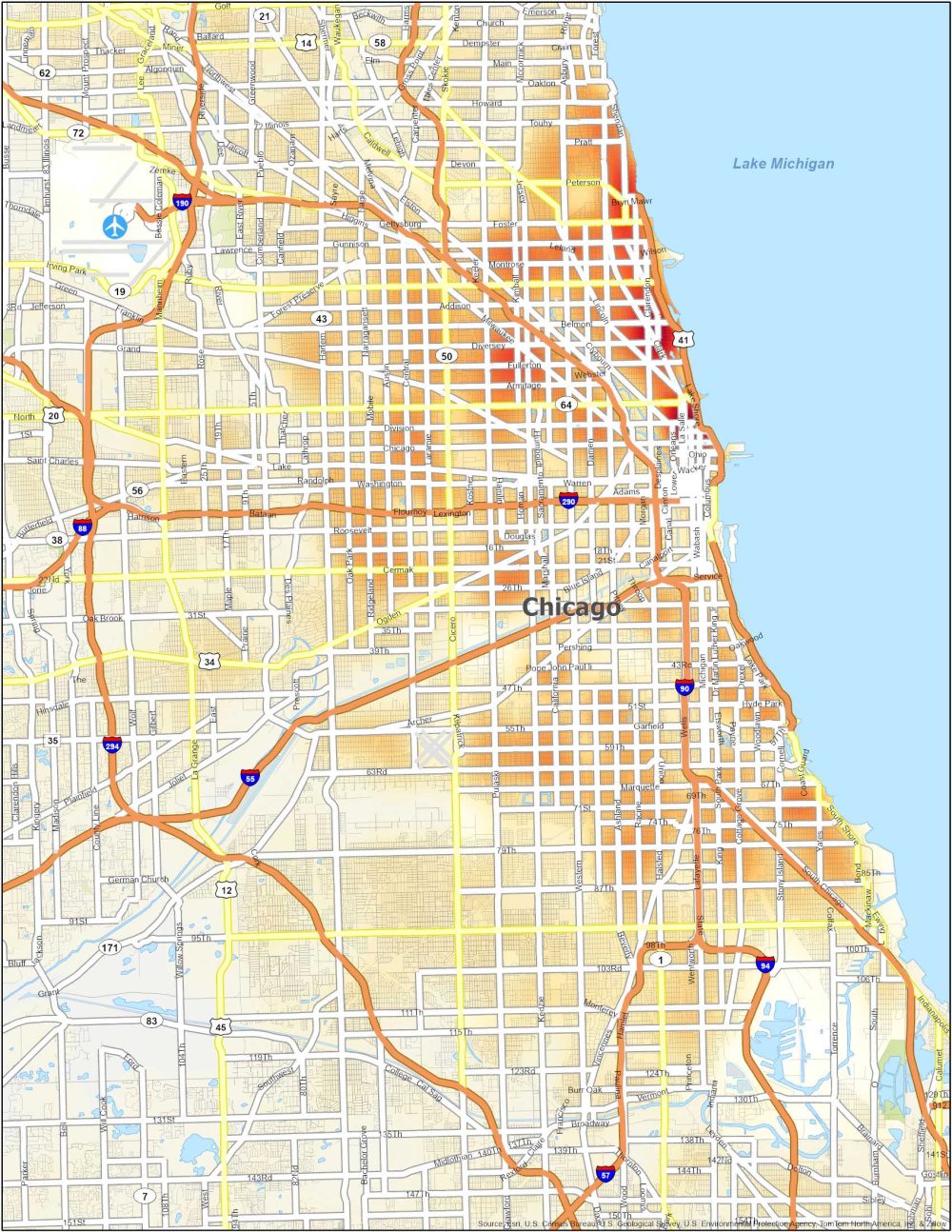
Many discussions around “bad parts” implicitly or explicitly refer to areas grappling with socio-economic challenges, often rooted in historical redlining, disinvestment, and systemic inequalities. Neighborhoods on the south and west sides of Chicago have historically faced these issues, leading to higher rates of poverty and, consequently, elevated crime statistics compared to the city’s wealthier, more developed central and north side areas. While these communities are home to vibrant cultures, resilient populations, and unique historical sites, they may also experience higher rates of gang-related violence or property crime that typically do not target tourists. It’s important to approach these areas with an understanding of their complex history rather than simply labeling them as dangerous. For most travelers, venturing into these specific residential zones without a clear purpose or local guidance is generally not part of a typical tourist itinerary, effectively minimizing exposure to potential risks.
The Importance of Up-to-Date Information
Crime statistics and neighborhood dynamics are fluid. What might have been considered a problematic area decades ago could be undergoing significant revitalization today, and vice-versa. Relying on outdated information, anecdotal stories, or broad generalizations can lead to unnecessary apprehension or, conversely, a lack of appropriate caution. Travelers are encouraged to consult current resources such as the Chicago Police Department’s public crime data maps or reputable local news sources to gain a contemporary understanding of safety trends. Additionally, asking for advice from hotel staff, local tour guides, or trusted residents can provide invaluable, up-to-the-minute insights tailored to current conditions, ensuring your travel plans are based on accurate and relevant information.
Key Areas and Safety Considerations for Travelers
For most visitors, the question of “bad parts” can be rephrased into “where should I exercise standard urban caution, and which areas are generally safe for tourist activities?” The good news is that Chicago’s primary tourist zones are remarkably safe and enjoyable.
Concentrating on Tourist-Friendly Zones
Chicago’s most celebrated attractions and vibrant districts are concentrated in areas well-accustomed to visitors. Downtown, encompassing The Loop with its iconic skyscrapers and public art, and the bustling Magnificent Mile shopping district, are exceptionally safe during the day and well into the evening. Popular spots like Millennium Park, home to “The Bean,” Grant Park, the Art Institute of Chicago, and Navy Pier are magnets for both locals and tourists, benefiting from high foot traffic and visible security presence. Neighborhoods like Lincoln Park, known for its zoo and beautiful parkland, River North with its galleries and nightlife, and the trendy West Loop culinary scene, are also very popular and safe destinations for exploration. Staying within these well-trafficked and well-lit areas, especially after dark, significantly reduces any potential risks.
Exercising General Urban Caution
Regardless of the specific neighborhood, exercising general urban caution is a universal travel tip for any large city. This includes being aware of your surroundings, especially in crowded places or on public transport. Avoid displaying large sums of cash or expensive electronics overtly. Keep personal belongings, such as wallets and phones, secure and out of easy reach. Trust your instincts; if a situation or an area feels uncomfortable, it’s always wise to remove yourself. While Chicago is friendly, being overly trusting can sometimes lead to vulnerability. A healthy dose of skepticism and self-awareness is your best defense against petty crime, which is the most common concern for tourists.
Specific Neighborhoods and General Awareness
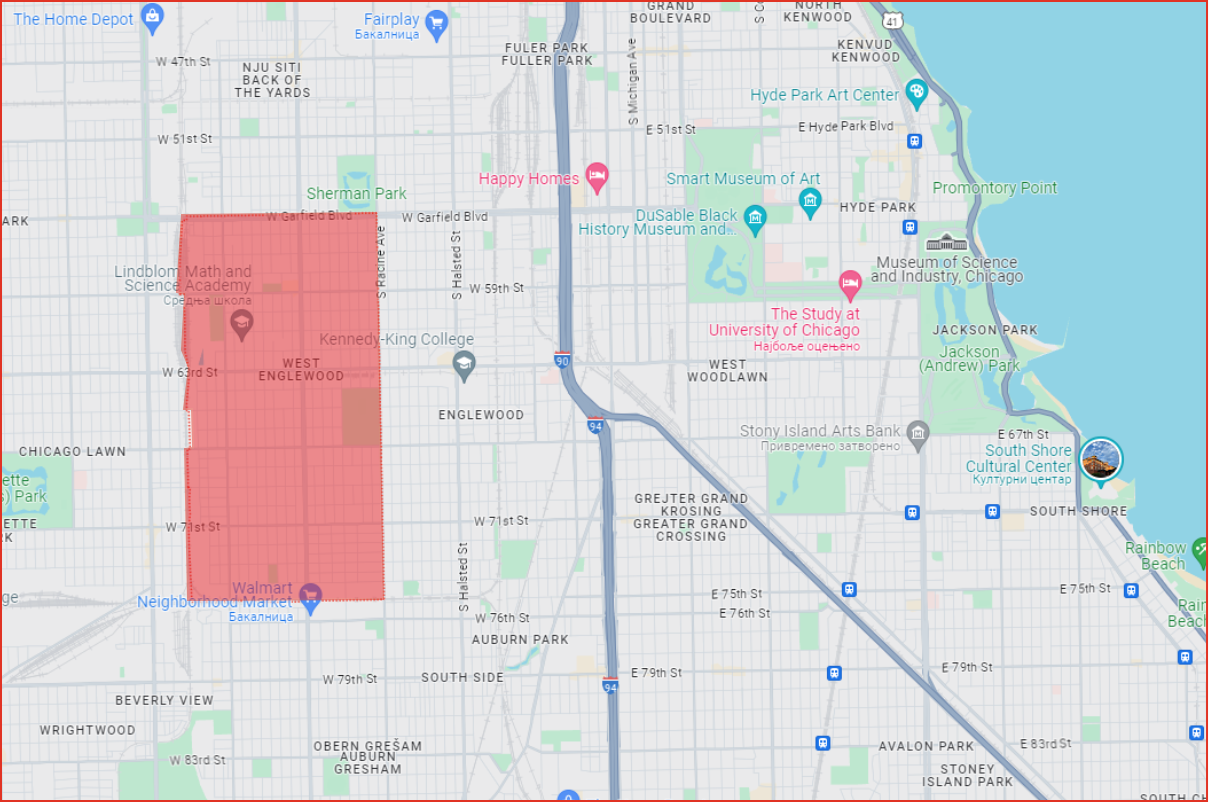
While avoiding specific blanket labels, it’s prudent for travelers to be aware that certain areas further removed from the city center, particularly on parts of the far South and West sides, have historically higher crime rates. These are largely residential neighborhoods and not typically places tourists would visit unless specifically seeking out a unique local experience, often with a guide. Should your itinerary take you off the beaten path, consider going during daylight hours, traveling with a companion, and utilizing ride-sharing services or taxis rather than walking long distances. Public transit, while extensive, may also require more vigilance in less familiar areas, especially late at night. The key is not to fear but to be informed and prepared, making choices that align with your comfort level and safety priorities.
Empowering Travelers: Practical Safety Tips
An informed traveler is an empowered traveler. By adopting a few practical safety measures, you can enhance your experience in Chicago and minimize any potential concerns.
Research and Preparation
Before you arrive, take some time to familiarize yourself with Chicago’s layout. Understand where your accommodation is relative to the attractions you plan to visit. Use online maps to pre-plan routes, especially for walking or using public transportation. Read recent travel blogs or forums for current advice from fellow travelers. Knowing the general lay of the land and having a plan reduces anxiety and helps you navigate confidently. Familiarize yourself with emergency numbers and the location of the nearest police station or hospital, just in case.
Situational Awareness
Maintaining situational awareness is perhaps the most important safety tip. This means paying attention to people and activities around you, especially in crowded areas like train platforms, bus stops, or tourist hotspots. Avoid distractions like constantly checking your phone, which can make you appear vulnerable. Make eye contact with people to convey confidence. If someone approaches you in a way that feels aggressive or overly insistent, politely but firmly disengage and move away. Being alert and present helps you notice potential problems before they escalate.
Transportation and Nighttime Safety
Chicago’s public transportation system, the CTA, is generally safe and efficient, particularly the ‘L’ train system. During peak hours, trains and buses are crowded and well-monitored. Late at night, however, especially on less crowded lines or at quieter stations, it’s wise to be more cautious. Consider using ride-sharing services (like Uber or Lyft) or reputable taxis for late-night journeys, particularly if you are traveling alone or to unfamiliar areas. Always confirm the identity of your ride-share driver and vehicle before getting in. When walking at night, stick to well-lit, busy streets and avoid shortcuts through parks or dimly lit alleys. Traveling in groups also provides an added layer of safety after dark.
Experiencing the Best of Chicago
Ultimately, the best way to approach the question of “bad parts” is to shift focus to enjoying the vast, safe, and exhilarating experiences Chicago has to offer. The city is a treasure trove of cultural, culinary, and architectural wonders waiting to be discovered.
The Vibrant Heart of the City
Chicago’s downtown core and its surrounding vibrant neighborhoods are brimming with life. From the architectural boat tours along the Chicago River to world-class museums such as the Field Museum and the Shedd Aquarium, there’s an endless array of activities to fill your days. The city’s diverse culinary scene, from deep-dish pizza to Michelin-starred restaurants, offers delights for every palate. Exploring these areas means immersing yourself in the heart of Chicago’s appeal, surrounded by fellow enthusiasts and a strong sense of community.
Unforgettable Attractions and Experiences
Whether you’re marveling at the panoramic views from the Willis Tower Skydeck, enjoying a show at one of the historic theaters in The Loop, or relaxing by Lake Michigan in Lincoln Park, Chicago promises unforgettable memories. The warmth of its people, the energy of its streets, and the sheer beauty of its urban landscape far outweigh any generalized concerns about safety. By staying informed, exercising common sense, and focusing your explorations on the city’s well-trafficked and tourist-friendly areas, you can ensure a magnificent and worry-free visit to one of America’s greatest cities. Chicago welcomes you to discover its unparalleled charm and excitement responsibly and joyfully.
LifeOutOfTheBox is a participant in the Amazon Services LLC Associates Program, an affiliate advertising program designed to provide a means for sites to earn advertising fees by advertising and linking to Amazon.com. Amazon, the Amazon logo, AmazonSupply, and the AmazonSupply logo are trademarks of Amazon.com, Inc. or its affiliates. As an Amazon Associate we earn affiliate commissions from qualifying purchases.