
Navigating the complexities of health insurance is a critical aspect of personal and financial well-being, profoundly influencing one’s lifestyle choices, especially in a dynamic state like Florida. Far from being a mere administrative detail, selecting the right health insurance plan is a foundational decision that impacts access to care, financial stability, and overall quality of life. For residents, new arrivals, or those considering a long-term stay in the Sunshine State, understanding the local healthcare landscape and available insurance options is paramount. The concept of “best” is inherently subjective, depending entirely on individual circumstances, health needs, financial capacity, and lifestyle aspirations. This guide aims to demystify the process, offering insights into how Floridians can make informed decisions to secure optimal health coverage that aligns with their specific needs.

Navigating Florida’s Healthcare Landscape as a Lifestyle Choice
Florida’s unique demographics and environment contribute to a distinct healthcare landscape. With a significant retiree population, a growing influx of new residents, and a vibrant tourism industry, the demand for accessible and comprehensive healthcare services is constant. For many, choosing to live in Florida is a lifestyle decision driven by climate, amenities, and opportunities. Integral to sustaining that lifestyle is ensuring robust health coverage.
Understanding the Unique Needs of Florida Residents
Florida residents face a variety of health considerations. The warm climate can exacerbate certain conditions, while an active outdoor lifestyle requires protection against common injuries. The state’s large senior population often necessitates plans with extensive prescription drug coverage, specialist access, and benefits for chronic disease management. Families, on the other hand, prioritize pediatric care, immunizations, and robust maternity benefits. Understanding these prevalent needs helps narrow down the vast array of insurance products available.
Key Factors Influencing Your Lifestyle Healthcare Decisions
Your lifestyle dictates many of your healthcare needs. An adventurous individual might seek plans with broad out-of-network coverage, while someone focused on preventive care might prefer an HMO with strong primary care benefits. Financial stability is another major factor, balancing premiums against potential out-of-pocket costs. Long-term goals, such as retirement planning or starting a family, also play a significant role in selecting a plan that evolves with your life stages.
Major Health Insurance Providers and Plan Types in Florida
Florida offers a robust marketplace for health insurance, with numerous providers offering a range of plan types. These generally fall into categories based on their funding source and regulatory framework.
Exploring Marketplace (ACA) Plans
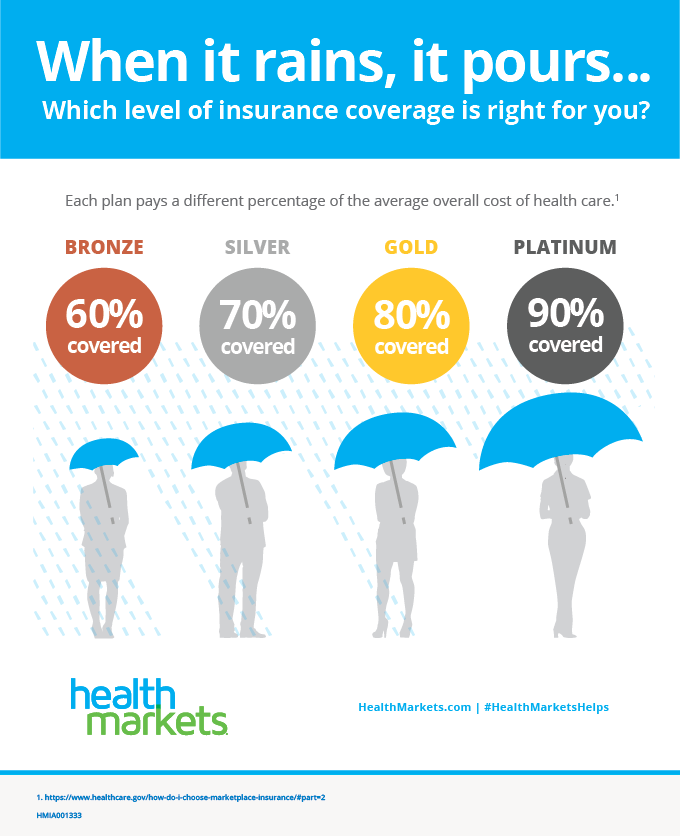
The Affordable Care Act (ACA) Marketplace, or Exchange, is a primary avenue for individuals and families in Florida to purchase health insurance. Plans are categorized into metal tiers: Bronze, Silver, Gold, and Platinum, indicating the cost-sharing split between the insurer and the policyholder. Bronze plans have lower premiums but higher deductibles, suitable for those who use healthcare sparingly. Gold and Platinum plans offer higher premiums but lower deductibles, ideal for individuals with significant healthcare needs. Silver plans are unique as they may qualify individuals for cost-sharing reductions if their income is below a certain threshold. Major providers offering plans on the Florida Marketplace often include Blue Cross Blue Shield of Florida (Florida Blue), UnitedHealthcare, Aetna, Cigna, and Humana, though specific offerings can vary by county.
Employer-Sponsored vs. Individual Plans
Many Floridians receive health insurance through their employers. These plans are typically cost-effective due to employer contributions to premiums and often offer a wider network of providers. However, for those who are self-employed, work for a small business without benefits, or are unemployed, individual plans purchased through the Marketplace or directly from an insurer are the primary option. The choice between these two often hinges on employment status and the specific benefits offered.
Considering Medicare and Medicaid in Florida
For eligible Floridians, government-sponsored programs provide essential coverage. Medicare is available to individuals aged 65 and older, certain younger people with disabilities, and those with End-Stage Renal Disease (ESRD) or Amyotrophic Lateral Sclerosis (ALS). Original Medicare (Parts A and B) covers hospital and medical insurance. Many opt for Medicare Advantage plans (Part C), offered by private companies, which combine Parts A and B, often include Part D (prescription drug coverage), and may offer additional benefits like vision or dental. Medicare Supplement plans (Medigap) help cover out-of-pocket costs not paid by Original Medicare.
Medicaid provides health coverage to low-income individuals and families. In Florida, eligibility is primarily based on federal poverty levels and specific categories such as pregnant women, children, and individuals with disabilities. The state’s Medicaid program is managed by the Agency for Health Care Administration (AHCA) and adheres to federal guidelines established by the CMS (Centers for Medicare & Medicaid Services).
Essential Considerations for Choosing Your Plan
Selecting the “best” health insurance in Florida requires a thorough evaluation of several key components that impact both access to care and financial outlay.
Network Access: HMOs, PPOs, and EPOs
The type of plan dictates how you access doctors and hospitals.
- HMO (Health Maintenance Organization): Typically has lower premiums but restricts coverage to providers within its network. You often need a primary care physician (PCP) referral to see specialists. This model works well for individuals who value lower costs and are comfortable with a defined network.
- PPO (Preferred Provider Organization): Offers more flexibility, allowing you to see out-of-network providers, though at a higher cost. Referrals are generally not required for specialists. PPOs are preferred by those who want a wider choice of doctors or travel frequently.
- EPO (Exclusive Provider Organization): A hybrid, offering a managed care approach like an HMO (no out-of-network coverage, except for emergencies) but often without the need for PCP referrals to specialists, similar to a PPO.
Costs: Premiums, Deductibles, Co-pays, and Out-of-Pocket Maximums
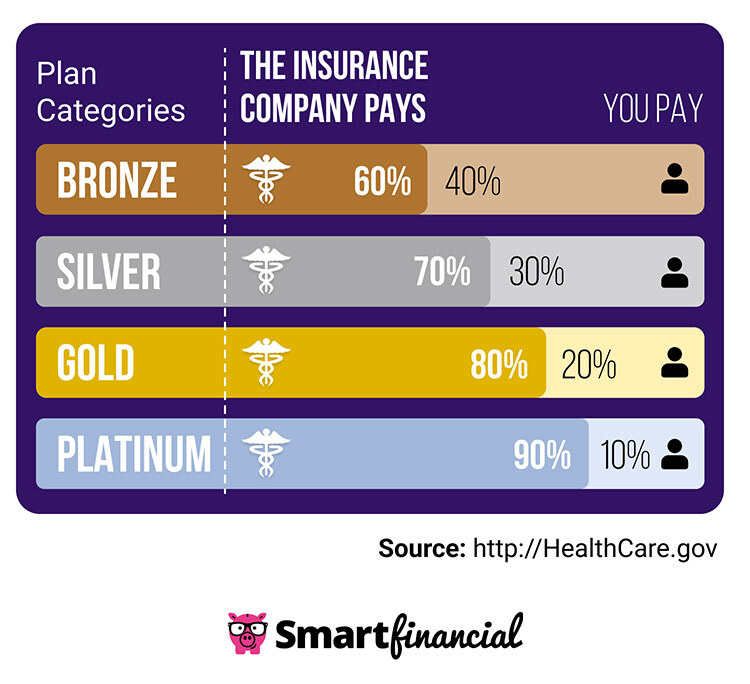
Understanding the financial structure of a plan is crucial.
- Premiums: The monthly payment to maintain coverage.
- Deductibles: The amount you must pay out of pocket before your insurance starts to cover costs (excluding preventive care, which is usually covered 100%).
- Co-pays: Fixed amounts you pay for specific services (e.g., doctor visits, prescription drugs) after meeting your deductible.
- Co-insurance: A percentage of the cost of a medical service that you are responsible for after meeting your deductible.
- Out-of-Pocket Maximums: The absolute most you will pay for covered services in a plan year. Once this limit is reached, the insurance plan pays 100% of all covered healthcare costs.
Coverage Details: Prescription Drugs, Specialists, and Emergency Care
Beyond the basic framework, examine the specifics:
- Prescription Drug Coverage: Check the plan’s formulary (list of covered drugs) to ensure your current or anticipated medications are included and at what tier (generic, preferred brand, non-preferred brand, specialty).
- Specialist Access: If you have chronic conditions or anticipate needing specific specialists (e.g., cardiologists in Miami, orthopedic surgeons in Orlando), ensure the plan’s network includes them and what the referral process is.
- Emergency Care: All plans must cover emergency services, but understand the costs associated with out-of-network emergency room visits versus in-network options, if applicable.
- Other Benefits: Look for coverage for mental health services, maternity care, dental, vision, and preventive services, as these vary significantly by plan.
Lifestyle-Specific Health Insurance Needs
Different stages and types of lifestyles in Florida necessitate tailored insurance considerations.
For Retirees: Medicare Advantage and Supplemental Plans
Florida is a prime retirement destination. Retirees typically rely on Medicare. Choosing between Original Medicare with a Medigap policy and a Medicare Advantage plan (Part C) is a significant decision. Medicare Advantage plans often include additional benefits not covered by Original Medicare, such as vision, dental, and wellness programs, making them attractive for a holistic retirement lifestyle. Medigap plans, while having separate premiums, offer predictable out-of-pocket costs with broader provider choice.
For Families: Pediatric Care and Maternity Benefits
Families require plans with robust coverage for children’s health, including well-child visits, immunizations, and specialist pediatric care. For growing families, comprehensive maternity benefits are essential, covering prenatal care, delivery, and postnatal support. Many plans on the ACA Marketplace are mandated to cover essential health benefits, including maternity and newborn care, but the specifics of cost-sharing and network access remain critical.
For Mobile Professionals and Digital Nomads: Portability and Network Coverage
For individuals whose work or lifestyle involves frequent travel within Florida or even out-of-state, plans with broad regional or national networks (PPOs often) are more suitable. Digital nomads or professionals temporarily residing in cities like Tampa or Jacksonville should ensure their chosen plan offers adequate coverage wherever they might be within the state.
For Seasonal Residents or Snowbirds: Short-term vs. Annual Plans
Florida’s “snowbird” population, those who reside in the state for part of the year, needs to consider how their insurance aligns with their seasonal presence. Short-term health insurance plans can offer temporary coverage but typically do not cover pre-existing conditions and are not ACA-compliant. For comprehensive coverage, an annual ACA plan or a year-round Medicare plan that works in Florida is often the better, albeit more expensive, option. Coordination of benefits between home-state insurance and Florida-based care is also a key consideration.
Tools and Resources for Informed Decision-Making
Making an informed decision about health insurance doesn’t have to be overwhelming. Several resources are available to assist Floridians in finding the best fit for their lifestyle.
Utilizing the Health Insurance Marketplace
Healthcare.gov is the official platform for the Affordable Care Act Marketplace in Florida. It allows individuals to compare plans, check eligibility for subsidies, and enroll in coverage during open enrollment periods or special enrollment periods triggered by life events (e.g., marriage, birth, loss of other coverage). The website provides detailed plan information, including network types, costs, and covered benefits, for plans available in your specific Florida county.
Professional Guidance: Brokers and Agents
Licensed health insurance brokers and agents in Florida can offer invaluable personalized advice. They understand the intricacies of different plans, can help assess your specific needs, and guide you through the enrollment process. Their services are often free to the consumer, as they are compensated by the insurance companies. They can help navigate the differences between providers like Blue Cross Blue Shield of Florida, UnitedHealthcare, Aetna, Cigna, and [Humana], and advise on the best fit for your circumstances.
Community Resources and Advocacy Groups
Various non-profit organizations and government agencies in Florida offer free assistance and resources for understanding health insurance options. Local health departments, senior centers, and community health clinics often have staff or volunteers who can provide guidance on Medicare, Medicaid, and Marketplace plans. Advocacy groups for specific conditions or populations can also provide tailored information and support.
Ultimately, the “best” health insurance in Florida is a plan that offers comprehensive coverage for your specific health needs, aligns with your financial capacity, and supports the lifestyle you envision. It requires diligent research, an understanding of the available options, and a careful assessment of personal priorities. By leveraging the resources available, Floridians can secure peace of mind knowing their health and well-being are adequately protected.
LifeOutOfTheBox is a participant in the Amazon Services LLC Associates Program, an affiliate advertising program designed to provide a means for sites to earn advertising fees by advertising and linking to Amazon.com. Amazon, the Amazon logo, AmazonSupply, and the AmazonSupply logo are trademarks of Amazon.com, Inc. or its affiliates. As an Amazon Associate we earn affiliate commissions from qualifying purchases.