
Hawaii, a breathtaking archipelago in the heart of the Pacific Ocean, is a dream destination for travelers worldwide. With its pristine beaches, volcanic landscapes, lush rainforests, and vibrant culture, it offers an unparalleled escape. However, choosing the “best” month to visit this paradise can significantly impact your experience, dictating everything from the weather and crowd levels to the cost of your trip and the availability of specific activities. The ideal time to go to Hawaii largely depends on your priorities, whether you’re chasing the perfect surf, seeking solitude, looking for family-friendly fun, or trying to stick to a budget. Let’s explore the nuances of each season to help you plan your ultimate Hawaiian adventure.
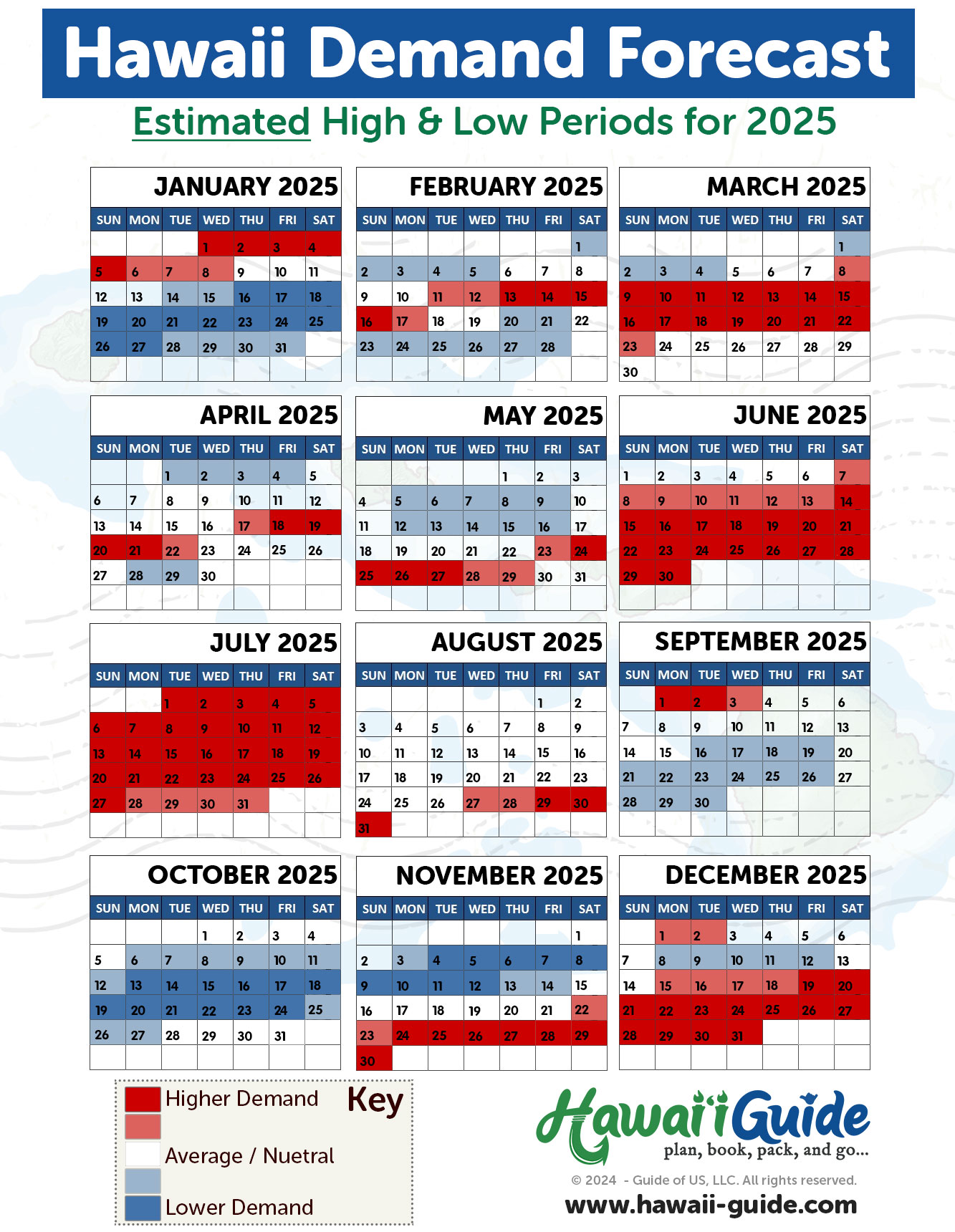
Understanding Hawaii’s Seasons: Weather, Crowds, and Costs
Hawaii enjoys a remarkably consistent tropical climate year-round, characterized by warm temperatures and gentle trade winds. However, subtle shifts in weather patterns, combined with peak travel periods, create distinct seasons that influence your visit. Understanding these variations is crucial for an informed decision about your accommodation, travel plans, and overall experience.
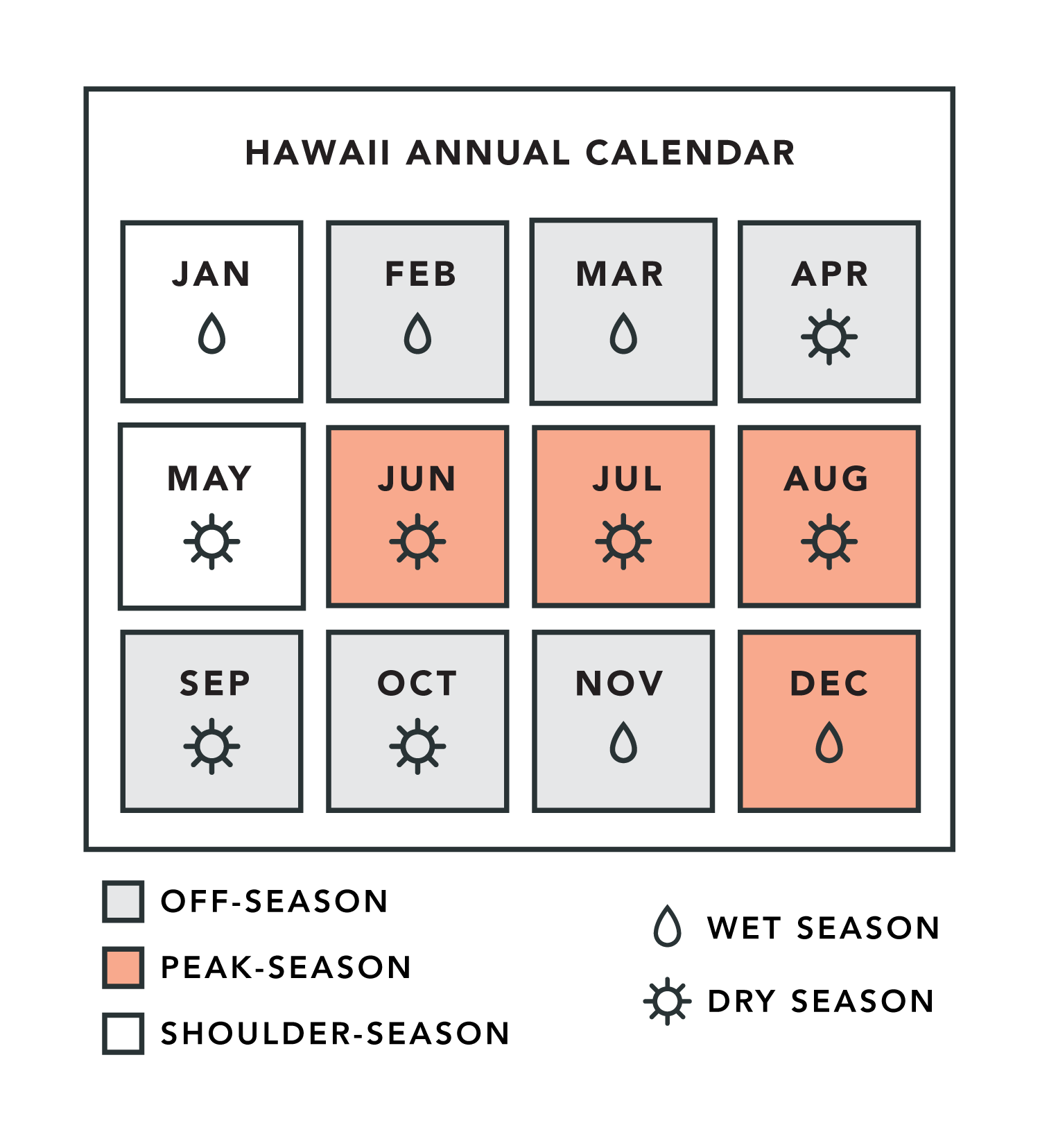
Peak Season: Winter and Early Spring (Mid-December to March)
This period is undeniably the most popular time to visit Hawaii, especially around the holidays and school breaks. Travelers from colder climates flock to the islands seeking warmth and sunshine, making it a vibrant, albeit crowded, time.
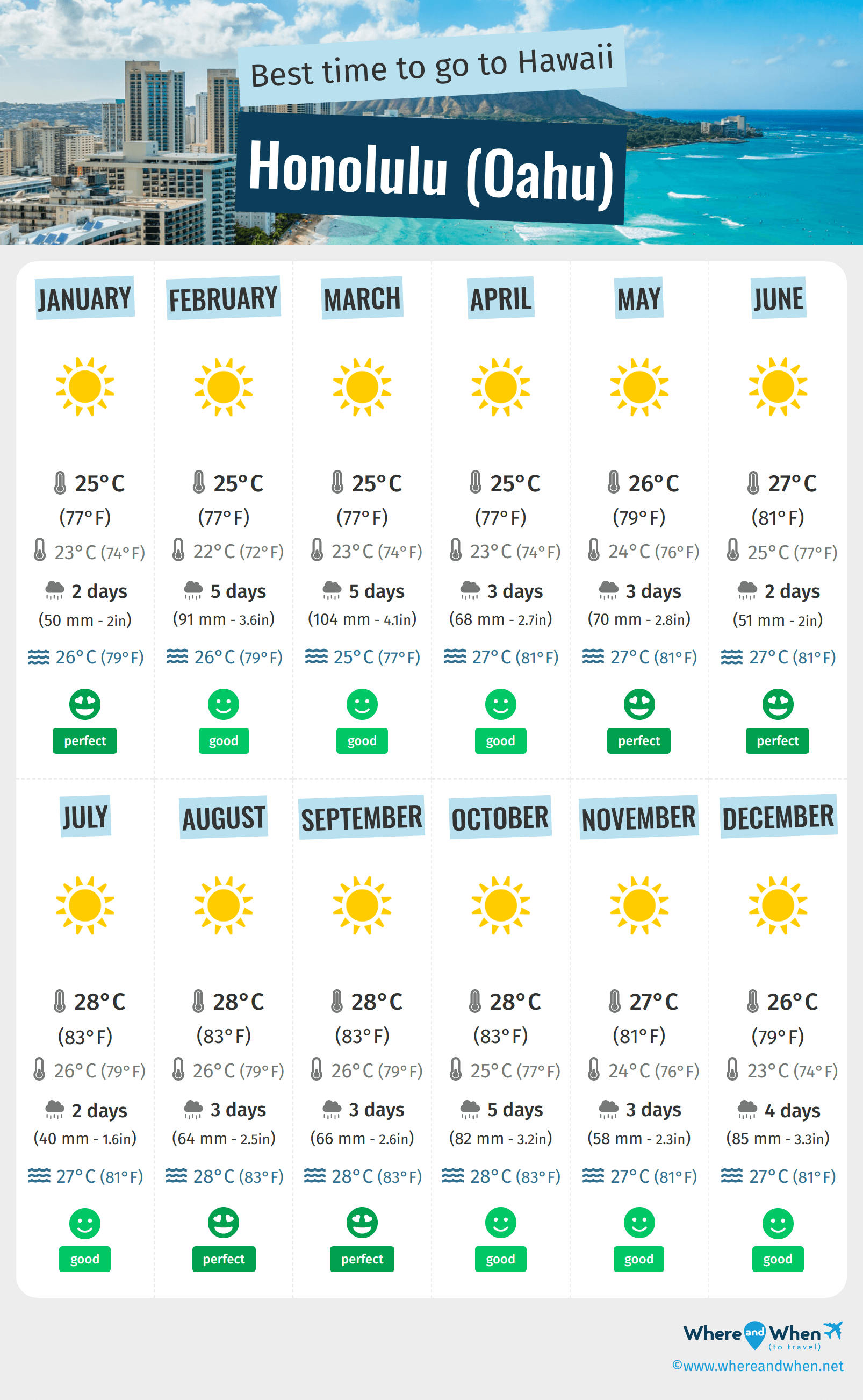
- Weather: Expect pleasant temperatures ranging from the mid-70s to low 80s Fahrenheit. However, this is also Hawaii’s “wet season,” meaning a higher likelihood of rain, particularly on the windward (eastern and northern) sides of the islands like the Na Pali Coast on Kauai or the Road to Hana in Maui. While heavy downpours can occur, they often clear quickly, leaving behind rainbows. The ocean temperatures remain inviting, typically in the mid-70s.
- Crowds and Atmosphere: Prepare for bustling airports, crowded beaches, and popular attractions. Iconic spots like Waikiki Beach on Oahu or the Maui Ocean Center will see significant foot traffic. Reservations for hotels, restaurants, and popular tours (like helicopter rides over the Napali Coast or luaus at the Grand Hyatt Kauai Resort & Spa) are essential and should be made well in advance, sometimes 6-12 months out for prime dates.
- Costs: This is the most expensive time to visit. Airfare, hotel suites, and resorts command premium prices. Expect to pay significantly more for everything from car rentals to daily excursions.
- Special Activities: This season is prime for whale watching, as thousands of North Pacific humpback whales migrate to Hawaii’s warm waters to calve and mate. The channels between Maui, Lanai, and Molokai are particularly renowned for this spectacle. It’s also the season for big wave surfing on Oahu’s North Shore, attracting professional surfers and spectators to famous breaks like Banzai Pipeline and Waimea Bay.
Shoulder Seasons: Spring and Fall (April-May & September-November)
These are often considered the sweet spots for a Hawaiian vacation, offering a desirable balance of good weather, manageable crowds, and more reasonable prices.
Spring Shoulder Season (April-May)
- Weather: The transition from the wet winter to the dry summer brings beautiful conditions. Rainfall decreases significantly, and temperatures are comfortably warm, typically in the mid-70s to low 80s Fahrenheit. Humidity is generally lower than in summer.
- Crowds and Atmosphere: After the spring break rush, crowd levels drop noticeably. You’ll find more space on beaches, shorter lines at popular sites like Pearl Harbor National Memorial or Haleakala National Park, and easier access to restaurants and tours. This creates a more relaxed atmosphere for tourism and experiences.
- Costs: Airfare and hotel rates start to decrease from peak season highs, offering better value for money. You might find attractive deals on luxury villas or premium resorts like the Four Seasons Resort Maui at Wailea.
- Special Activities: While whale watching season is winding down by April, the waters are still excellent for snorkeling, diving, and other water sports. The Merrie Monarch Festival, a prestigious hula competition, usually takes place in Hilo, Big Island, in April, offering a deep dive into local culture.
Fall Shoulder Season (September-November)
- Weather: Similar to spring, fall offers warm and sunny weather, with temperatures ranging from the low to mid-80s. Humidity is slightly higher than in spring but still pleasant. Late fall (October/November) can see an increase in rainfall as the wet season approaches, particularly on the windward coasts. This period also marks the tail end of hurricane season, though direct hits are rare.
- Crowds and Atmosphere: After the summer family rush, crowd levels dip again, making it another excellent time for those seeking tranquility. Beaches like Kaanapali Beach on Maui or Lanikai Beach on Oahu feel less congested. It’s an ideal time for leisurely visits to landmarks such as the USS Arizona Memorial.
- Costs: Flights and accommodations remain relatively affordable, comparable to spring prices. You might discover great booking deals for extended stays or premium apartments if flexibility allows.
- Special Activities: The Aloha Festivals, a series of cultural events celebrating Hawaiian heritage, typically run throughout September, particularly on Oahu and the Big Island. Late fall also sees the return of the big waves to Oahu’s North Shore, marking the unofficial start of the surfing season.
Off-Peak / Summer Season: (June-August)
While technically the “dry season” for Hawaii weather-wise, summer aligns with school holidays, making it a popular time for families.
- Weather: Expect consistently hot and sunny weather, with temperatures often reaching the mid-80s to low 90s, especially in leeward (western and southern) areas like Kona on the Big Island or Lahaina on Maui. Humidity is generally higher. While rain is less frequent, occasional tropical showers can occur. Ocean temperatures are at their warmest, perfect for swimming and snorkeling.
- Crowds and Atmosphere: Expect a surge in family travelers. Beaches and major attractions will be lively. Popular resorts such as the Aulani, A Disney Resort & Spa are particularly busy. While not as crowded as peak winter, it’s still advisable to book key activities and accommodations in advance.
- Costs: Prices for flights and hotels are generally higher than the shoulder seasons but can be slightly less than the absolute peak winter holiday periods. Families might seek value through budget travel options or by opting for long-term stays in apartments with kitchens.
- Special Activities: This is a fantastic time for all types of water sports, from paddleboarding and kayaking to surfing lessons on gentler waves. Outdoor festivals and concerts are common, taking advantage of the consistently good weather.
Choosing Your Best Month: Factors to Consider
With the overview of Hawaii’s seasons, let’s dive into specific considerations that will help you pinpoint your ideal travel time based on your personal lifestyle and priorities.
Prioritizing Weather Conditions
If consistently sunny, dry weather is your top priority, the summer months (June-August) offer the most reliable blue skies, especially on the leeward sides of the islands. However, this comes with higher heat and humidity. For a balance of good weather without extreme heat or significant rain, the shoulder months of April, May, September, and October are excellent choices. If you don’t mind occasional showers that often lead to spectacular rainbows, then the winter months (December-March) still provide plenty of sunshine alongside the chance to see whales.
Avoiding Crowds and Seeking Serenity
For those who dream of secluded beaches and unhurried visits to landmarks like the Kalaupapa National Historical Park on Molokai or the lush Waimea Canyon on Kauai, the shoulder seasons (April-May and September-October) are unequivocally the best. These periods strike the perfect balance between pleasant weather and significantly fewer tourists. You’ll enjoy easier accommodation booking, more availability for popular experiences like sunset cruises, and a generally more peaceful atmosphere.
Maximizing Your Budget
If stretching your travel budget is a primary concern, the shoulder seasons again come out on top. May, September, and early October typically offer the best value for airfare, hotel rates, and car rentals. You can find excellent deals on everything from luxury travel packages at the Ritz-Carlton, Kapalua to more budget travel options. Avoid mid-December through early January, and major holiday weekends if costs are a significant factor.
Engaging in Specific Activities and Events
Your interests might dictate the perfect month regardless of other factors.
- Whale Watching: January, February, and March are peak months for spotting humpback whales. Consider a boat tour from Ma’alaea Harbor on Maui for optimal viewing.
- Big Wave Surfing: If witnessing professional surfers tackle colossal waves is on your bucket list, plan your trip to Oahu’s North Shore between November and March.
- Festivals and Local Culture: The Merrie Monarch Festival (April) on the Big Island and the Aloha Festivals (September) primarily on Oahu offer unique insights into Hawaiian traditions and performing arts.
- Hiking and Outdoor Nature Exploration: The drier months from April to September are generally ideal for exploring trails in Volcanoes National Park on the Big Island or the Kalalau Trail on Kauai without excessive mud or slippery conditions.
Considering Different Islands
While general trends apply, each island has its unique microclimates and seasonal events.
- Oahu: The most populated island, Oahu is busy year-round. The North Shore is active with surfing in winter, while Waikiki in the south offers consistent beach weather.
- Maui: Known for its diverse landscapes, Maui is excellent for whale watching in winter and has beautiful beach weather in the shoulder seasons. The Road to Hana is best explored on drier days.
- Kauai: The “Garden Isle” is generally wetter than others. The driest months (May-September) are best for hiking the Kalalau Trail and exploring its lush interior.
- Big Island: Kona on the dry west side is sunny almost constantly, while Hilo on the wet east side sees more rain. Volcanoes National Park is impressive regardless of the season, but clearer skies make for better stargazing at Mauna Kea.
The Verdict: When is the “Best” Time?
Ultimately, there is no single “best” month to visit Hawaii that suits everyone. It truly depends on what you value most for your trip.
- For the Best Balance (Weather, Crowds, Price): The shoulder seasons of April-May and September-October are generally considered the sweet spot. You’ll enjoy fantastic weather, fewer crowds, and more favorable prices for flights and accommodation at stunning locations like the Hyatt Regency Maui Resort and Spa.
- For Whale Watching and Big Waves: Aim for January, February, or March. Be prepared for higher costs and more people.
- For Families on Summer Break: June, July, and August offer warm waters and consistent sunshine, but also larger crowds and higher demand. Family trips during this time require early booking.
- For Budget-Conscious Travelers: May and September often present the most significant savings, allowing for a more extended or more luxurious stay within a fixed budget.
No matter when you decide to go, Hawaii promises an unforgettable experience. Plan ahead, embrace the Aloha spirit, and prepare to be enchanted by the beauty and unique culture of these incredible islands. Happy travels!
LifeOutOfTheBox is a participant in the Amazon Services LLC Associates Program, an affiliate advertising program designed to provide a means for sites to earn advertising fees by advertising and linking to Amazon.com. Amazon, the Amazon logo, AmazonSupply, and the AmazonSupply logo are trademarks of Amazon.com, Inc. or its affiliates. As an Amazon Associate we earn affiliate commissions from qualifying purchases.