
Choosing the perfect time to visit the stunning islands of Hawaii is a question many travelers ponder. The Aloha State, a breathtaking archipelago in the Pacific Ocean, offers year-round appeal, but understanding the nuances of its seasons can significantly enhance your travel experience. Whether you’re seeking sun-drenched beaches, thrilling outdoor activities, or a deep dive into local culture, the “best” time depends entirely on your priorities. This guide will help you navigate the weather patterns, crowd levels, and special events to determine when your dream Hawaiian vacation should take place.
Understanding Hawaii’s Climate: A Tale of Two Seasons
Unlike many destinations, Hawaii doesn’t experience dramatic seasonal shifts. Instead, it boasts a tropical climate with relatively consistent temperatures throughout the year. However, there are distinct variations in rainfall and humidity that can influence your trip. Broadly, Hawaii can be divided into two main seasons: the dry season and the wet season.
The Dry Season: Summer Bliss (April to October)
The period from April to October is generally considered Hawaii’s dry season. During these months, you can expect sunshine, lower humidity, and calmer ocean conditions, particularly on the south and west shores of the islands. Average temperatures hover around the comfortable 80s°F (27-30°C). This is often touted as the most idyllic time for beach-goers and those who plan to partake in water sports like snorkeling and diving.
-
Pros of Traveling During the Dry Season:
- Abundant Sunshine: Ideal for spending days at the beach, exploring landmarks, and enjoying outdoor attractions.
- Calmer Oceans: This is the prime time for water activities, especially on the leeward (west and south) coasts of islands like Oahu, Maui, and Kauai. Expect excellent conditions for swimming, surfing (for beginners on gentler breaks), and boat tours.
- Festivals and Events: Many popular Hawaiian festivals and celebrations occur during the dry season, offering a vibrant glimpse into local culture.
-
Cons of Traveling During the Dry Season:
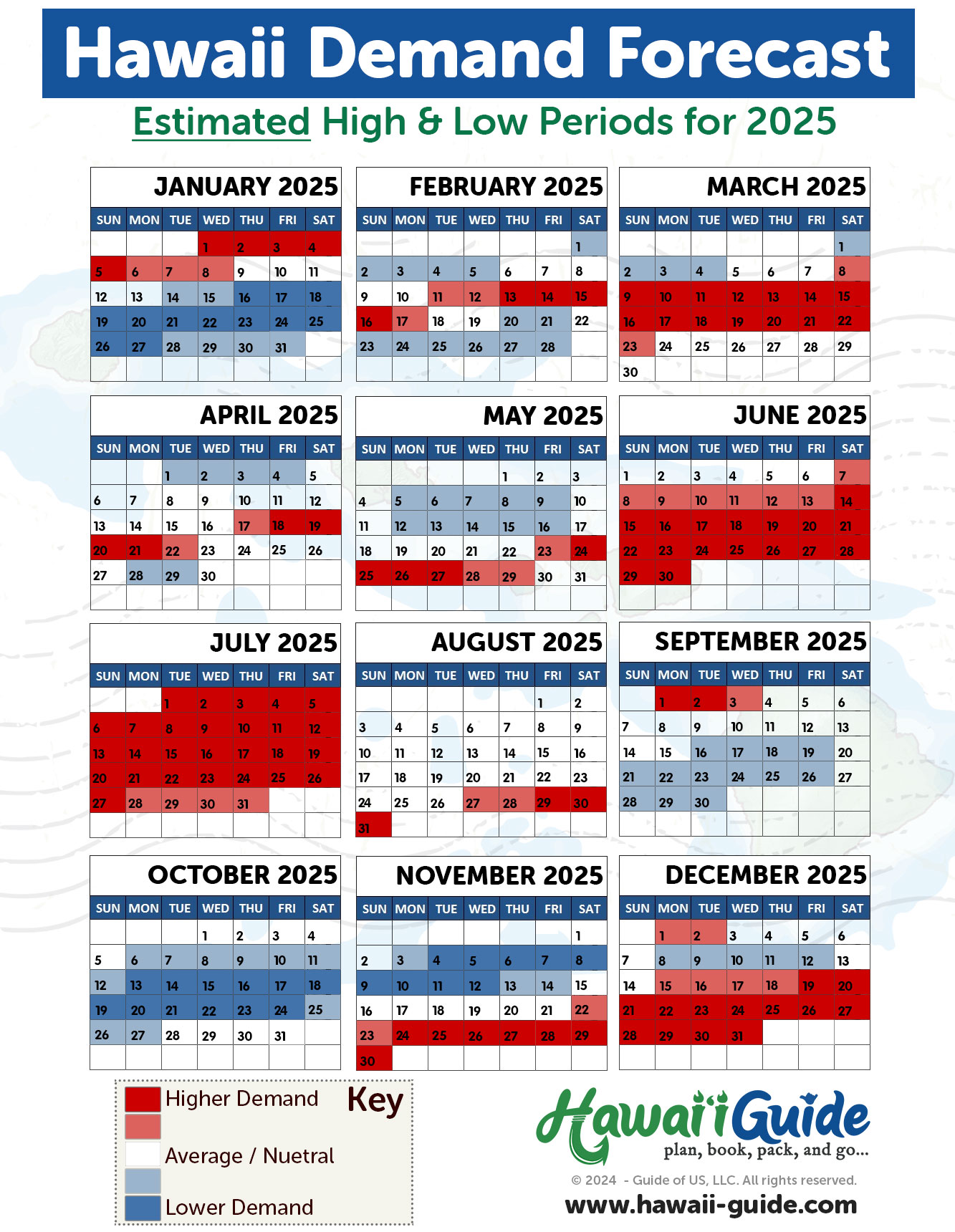
- Higher Prices: As the most popular time to visit, expect increased accommodation rates and flight prices.
- Larger Crowds: Popular tourist spots can become quite crowded, potentially impacting the tranquility of your travel experience. Booking hotels and rental cars well in advance is crucial.
The Wet Season: Winter Wonders (November to March)
The period from November to March marks Hawaii’s wet season. While “wet” might sound unappealing, it doesn’t mean constant downpours. Instead, expect more frequent, though often brief, rain showers, particularly on the windward (north and east) coasts. The temperatures are slightly cooler, typically in the high 70s°F (24-26°C), and humidity can be higher. This season brings bigger waves, making it a prime destination for experienced surfers drawn to legendary breaks like the North Shore of Oahu.
-
Pros of Traveling During the Wet Season:
- Fewer Crowds: Generally, you’ll encounter fewer tourists, leading to a more relaxed atmosphere and potentially better deals on flights and hotels.
- Whale Watching Season: This is the peak season for observing majestic humpback whales migrating to Hawaii’s warm waters to breed and give birth. Tours from Maui are particularly renowned for this spectacle.
- Lush Green Landscapes: The rain nourishes the islands, making the volcanic landscapes and tropical rainforests exceptionally vibrant and green.
- Big Wave Surfing: For surf enthusiasts, the winter months offer the chance to witness or even try their hand at some of the world’s most famous surf spots.
-
Cons of Traveling During the Wet Season:
- Increased Rainfall: While not constant, rain showers can disrupt outdoor plans. The windward sides of the islands tend to receive more precipitation.
- Rougher Ocean Conditions: On the north and east shores, the waves can be powerful and large, making swimming and other water activities unsafe for many. However, south shores often remain calmer.
- Slightly Cooler Temperatures: While still pleasant, temperatures are a few degrees lower than in the dry season.
Shoulder Seasons: The Sweet Spot for Value and Experience
For many travelers, the ideal time to visit Hawaii falls within the shoulder seasons, which bridge the gap between the peak dry and wet periods. These times offer a compelling balance of favorable weather, manageable crowds, and better value for your travel budget.
Spring Shoulder Season (April to May)
The months of April and May are often considered the sweet spot of the spring shoulder season. The heavy rains of winter have subsided, and the intense heat and crowds of summer have yet to arrive. You can expect pleasant temperatures, plenty of sunshine, and relatively calm seas, especially by May. This period is excellent for exploring the diverse attractions of each island without feeling overwhelmed.
- Why Choose Spring?
- Great Weather: You’ll typically enjoy a fantastic mix of sunshine and comfortable temperatures.
- Fewer Crowds: While still popular, the crowds are significantly smaller than during the summer months.
- Better Prices: Accommodation and flight deals can often be found during this time.
- Post-Whale Season: You might still catch the tail end of the whale watching season in early April.
Fall Shoulder Season (September to October)

Similarly, September and October offer an attractive window for Hawaiian vacations. The summer rush has ended, and the island’s natural beauty remains in full splendor. The weather is typically warm and sunny, with decreasing humidity as the islands transition into the wetter months. This is a wonderful time for hiking, exploring historical sites, and enjoying the beaches without the peak season intensity.
- Why Choose Fall?
- Ideal Climate: Warm days, comfortable evenings, and a good chance of sunshine.
- Reduced Tourist Numbers: Enjoy a more laid-back experience at popular attractions and restaurants.
- Value for Money: Look for more competitive pricing on travel packages.
- Renewed Surfing Conditions: As the winter swells begin to arrive in the north, experienced surfers can find excellent conditions.
Key Considerations for Planning Your Trip
Beyond just the weather and crowds, several other factors can influence the best time for your Hawaiian adventure.
Budget Travel vs. Luxury Experiences
For budget travelers, the shoulder seasons (spring and fall) and the early part of the wet season (November) are often the most economical. You can find better deals on flights and accommodation, allowing your travel funds to stretch further. During these times, even popular resorts and hotels might offer promotions.
If luxury travel is your aim, Hawaii is a year-round destination. However, if you prefer exclusivity and fewer people around, avoiding peak holiday periods like Christmas and New Year’s, as well as the height of summer, might be advisable. The shoulder seasons can still offer a luxurious experience with added tranquility and potentially better value.
Family Trips and School Holidays
Families with school-aged children often find themselves bound by school calendars. This typically means traveling during summer break (June-August) or the winter holidays (late December-early January). While these are peak seasons with higher prices and crowds, planning well in advance can help secure desirable accommodation like family-friendly resorts or apartments. Consider visiting during the early part of summer break or the tail end of winter break to potentially mitigate some of the peak season intensity.
Special Interests: Surfing, Whales, or Festivals
Your personal interests should heavily influence your travel dates.
- Surfing: For the iconic big waves of the North Shore on Oahu, winter (November to February) is the undisputed season. For more beginner-friendly breaks or calmer waters, summer is generally better.
- Whale Watching: The prime season for seeing humpback whales is from December to April, with the peak typically occurring between January and March, particularly around Maui.
- Festivals and Events: Hawaii hosts numerous festivals throughout the year, celebrating everything from Hawaiian music and hula to local food and culture. Research specific island events like the Merrie Monarch Festival (hula competition, usually in April) or the Kona Coffee Festival (November) if these align with your interests.
Island-Specific Nuances
While the general seasonal patterns apply across the archipelago, there are subtle differences between the islands:
- Oahu: The North Shore is famous for its massive winter waves, while the south shore’s Waikiki beach offers calmer conditions year-round, ideal for beginners.
- Maui: The west and south coasts of Maui (like Ka’anapali and Wailea) are typically drier and sunnier, making them popular for beach vacations. The Haleakala Crater can be chilly year-round, but offers stunning sunrise views. Maui is also a prime spot for whale watching.
- Kauai: Known as the “Garden Isle,” Kauai is generally wetter than the other islands, especially on its north and east shores. However, its lushness is part of its appeal, and the south shore often remains dry and sunny.
- Big Island (Hawaii Island): With its diverse microclimates, Hawaii Island offers something for everyone. The Kona side (west) is dry and sunny, perfect for beaches and exploring volcanoes in Hawaii Volcanoes National Park. The Hilo side (east) is much wetter and greener.

Making Your Decision
Ultimately, the “best” time to travel to Hawaii is a personal choice.
- If you prioritize guaranteed sunshine, calm waters for swimming and snorkeling, and don’t mind crowds or higher prices, the dry season (April-October) is for you.
- If you’re a seasoned surfer, a keen whale watcher, or are looking for a more budget-friendly and less crowded experience, the wet season (November-March) might be ideal, keeping in mind the possibility of rain and rougher seas on certain coasts.
- For a balanced experience with pleasant weather, fewer crowds, and better value, the shoulder seasons (April-May and September-October) are highly recommended.
No matter when you choose to visit, Hawaii promises an unforgettable journey filled with stunning natural beauty, rich culture, and the warm embrace of the Aloha spirit. By considering these factors, you can ensure your trip aligns perfectly with your expectations for the ultimate Hawaiian escape.
LifeOutOfTheBox is a participant in the Amazon Services LLC Associates Program, an affiliate advertising program designed to provide a means for sites to earn advertising fees by advertising and linking to Amazon.com. Amazon, the Amazon logo, AmazonSupply, and the AmazonSupply logo are trademarks of Amazon.com, Inc. or its affiliates. As an Amazon Associate we earn affiliate commissions from qualifying purchases.