
For travelers planning a journey to the archipelago of Hawaii, navigating the terminology can occasionally be as complex as the geography itself. One of the most common questions that arises is: “What is the official name of the Big Island?” While visitors frequently refer to it as “The Big Island,” its official geographic name is the Island of Hawaii. Understanding this distinction—and why the moniker exists—is the first step toward appreciating the sheer scale and geological majesty of this unique Pacific destination.
Why Is It Called the Big Island?
The nickname is not merely a descriptive term; it is a necessity born out of potential confusion. Because the name of the state (Hawaii) and the name of the largest island (Island of Hawaii) are identical, locals and travel experts alike utilize the “Big Island” distinction to clarify which landmass is being discussed.
The Geography of Scale
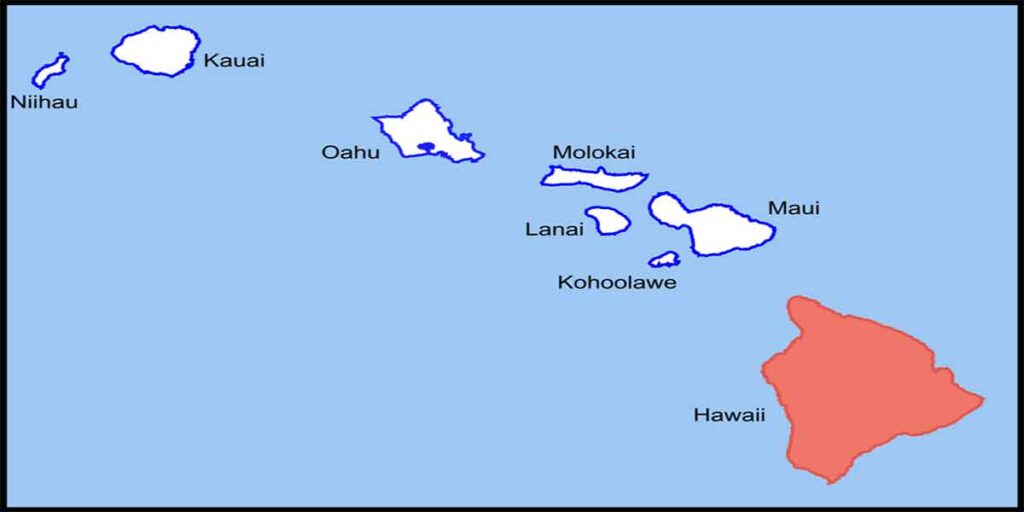
The Island of Hawaii earns its nickname through raw physical data. Covering a surface area of approximately 4,028 square miles, it is significantly larger than all the other Hawaiian islands combined. To put its size into perspective, one could fit the islands of Oahu, Maui, Kauai, Molokai, Lanai, and Niihau within the footprint of the Island of Hawaii and still have room for more.
Avoiding Geographical Ambiguity
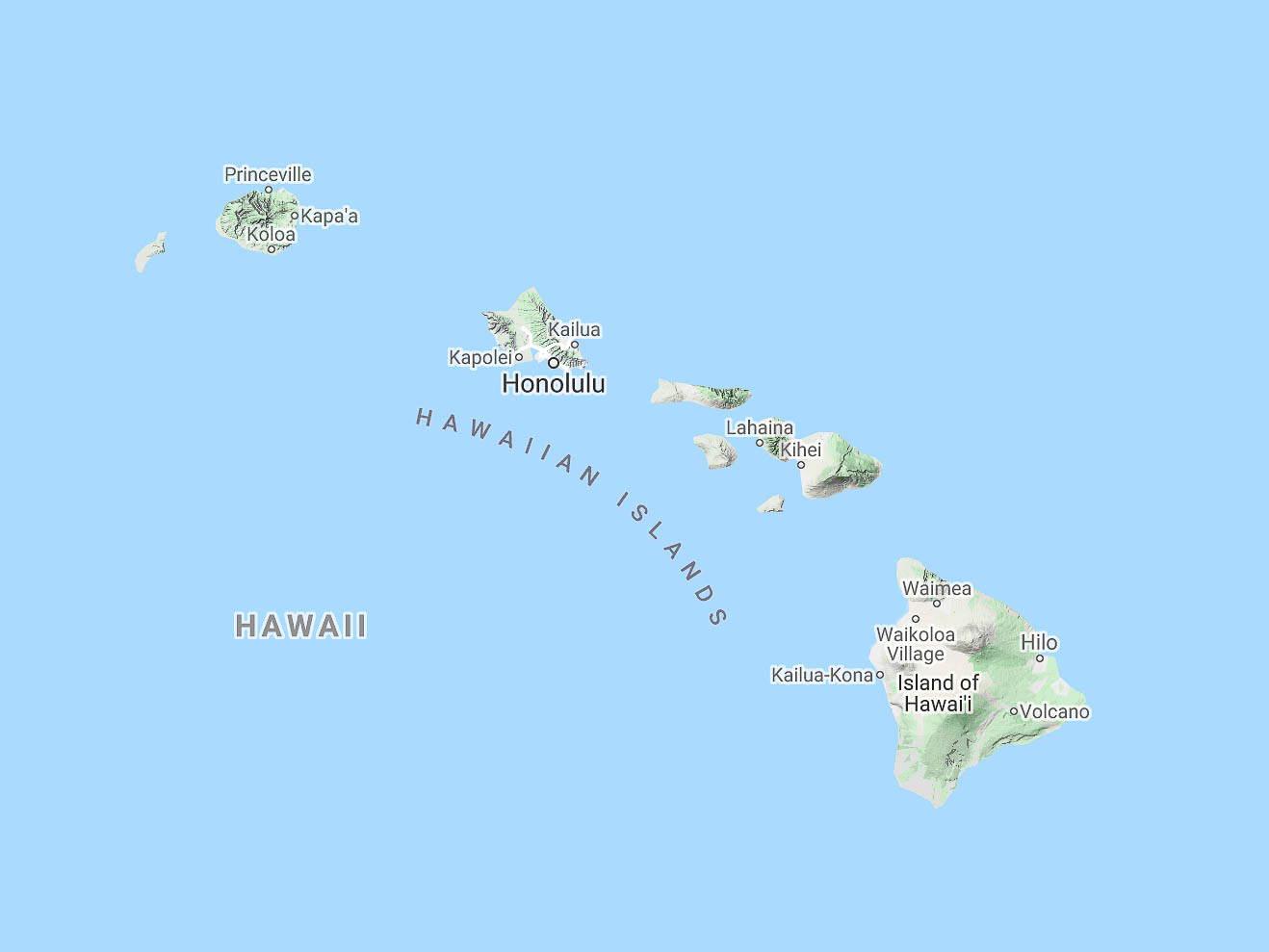
When booking a flight to Honolulu, which is located on Oahu, travelers are visiting the most populous island. However, when those same travelers wish to see active volcanoes, they must venture to the Island of Hawaii. Using the “Big Island” shorthand ensures that hotel reservations, rental cars, and tour bookings are directed toward the correct coordinates, preventing the common, frustrating mistake of flying to the wrong island entirely.
Exploring the Diverse Landscapes of the Island of Hawaii
Beyond its name, the Island of Hawaii is defined by its dramatic geological diversity. Visitors often find that the terrain changes so rapidly as they traverse the island that it feels like traveling across several different continents in a single day.
The Volcanic Powerhouse
The primary attraction drawing millions to the Island of Hawaii is Hawaii Volcanoes National Park. Here, travelers can witness the ongoing creation of land as Kilauea and Mauna Loa reshape the earth. These shield volcanoes are among the most active on the planet, offering a visceral look at the raw power of nature. Walking through the Thurston Lava Tube or gazing across the vast, barren Kilauea Caldera provides a sobering reminder of the volcanic origins of the entire archipelago.

Microclimates and Ecological Zones
Because the Island of Hawaii is so large and possesses such varied topography—ranging from sea level to the snow-capped peak of Mauna Kea—it hosts nearly every major climate zone found on Earth. You can start your morning on the black sand beaches of Punaluu in the tropical south, spend the afternoon in the lush, rainforest-covered Waipio Valley in the north, and finish your day stargazing at the summit of Mauna Kea, where sub-alpine conditions prevail.
Strategic Planning for Your Visit
Because of the sheer size of the Island of Hawaii, strategic planning is essential. Unlike smaller islands where you can drive from one end to the other in an hour, the “Big Island” requires a significant time commitment for transit.
Choosing Your Home Base
Travelers typically divide their time between the two main hubs of the island.
- Kona: Located on the western side of the island, Kona is known for its sunny, dry weather, world-class coffee plantations, and excellent snorkeling waters. It is the ideal base for those looking to enjoy beach activities and luxury resort experiences.
- Hilo: Positioned on the eastern, windward side, Hilo is lush, tropical, and historic. It serves as the primary gateway to Hawaii Volcanoes National Park and is home to the stunning Akaka Falls and Rainbow Falls.
Managing Distances and Transportation
It is crucial to remember that driving across the Island of Hawaii can take several hours. The route between Kona and Hilo involves traveling across the high-altitude Saddle Road, which sits between the towering peaks of Mauna Kea and Mauna Loa. Visitors should allocate at least three to four days minimum to properly experience the diversity of the island; attempting to see both sides in a single day often leads to exhaustion and missed opportunities.
Cultural Significance and Stewardship
The name “Island of Hawaii” holds deep cultural weight for Native Hawaiians. It is considered the birthplace of King Kamehameha I, the monarch who eventually unified the Hawaiian Islands into a single kingdom.
Honoring History
Throughout the Island of Hawaii, visitors will encounter numerous heiau (temples) and historical sites. The Puuhonua o Honaunau National Historical Park is perhaps the most significant, serving as a place of refuge in ancient times. Respecting these sites is paramount; they are not merely tourist attractions but sacred ground where the history and spiritual beliefs of the Pacific Islands remain preserved.
Embracing the “Aloha” Spirit
While the island is massive and its geological wonders are grand, the true essence of the Island of Hawaii lies in its community. Whether you are grabbing a local lunch in Waimea, exploring the art galleries in Holualoa, or watching the sunset at Hapuna Beach, taking the time to engage with the local culture will transform your trip from a simple vacation into a meaningful journey.
When you refer to this place as the Island of Hawaii or the “Big Island,” you are acknowledging not just the size of the land, but the magnitude of its history, the intensity of its natural forces, and the welcoming spirit of its people. As you plan your itinerary, ensure you leave enough room in your schedule to get lost in the landscapes, learn the history, and experience the unparalleled scale of the largest gem in the Hawaiian Islands.
LifeOutOfTheBox is a participant in the Amazon Services LLC Associates Program, an affiliate advertising program designed to provide a means for sites to earn advertising fees by advertising and linking to Amazon.com. Amazon, the Amazon logo, AmazonSupply, and the AmazonSupply logo are trademarks of Amazon.com, Inc. or its affiliates. As an Amazon Associate we earn affiliate commissions from qualifying purchases.