
New York City, a sprawling metropolis renowned for its iconic skyline and diverse neighborhoods, is comprised of five distinct boroughs, each with its own unique character and appeal. While many might associate size with fame or population, when the question arises, “What is the biggest borough in New York?”, the answer hinges on a specific metric: land area. Understanding this distinction is key to appreciating the vastness and geographical diversity that makes up this incredible urban landscape.
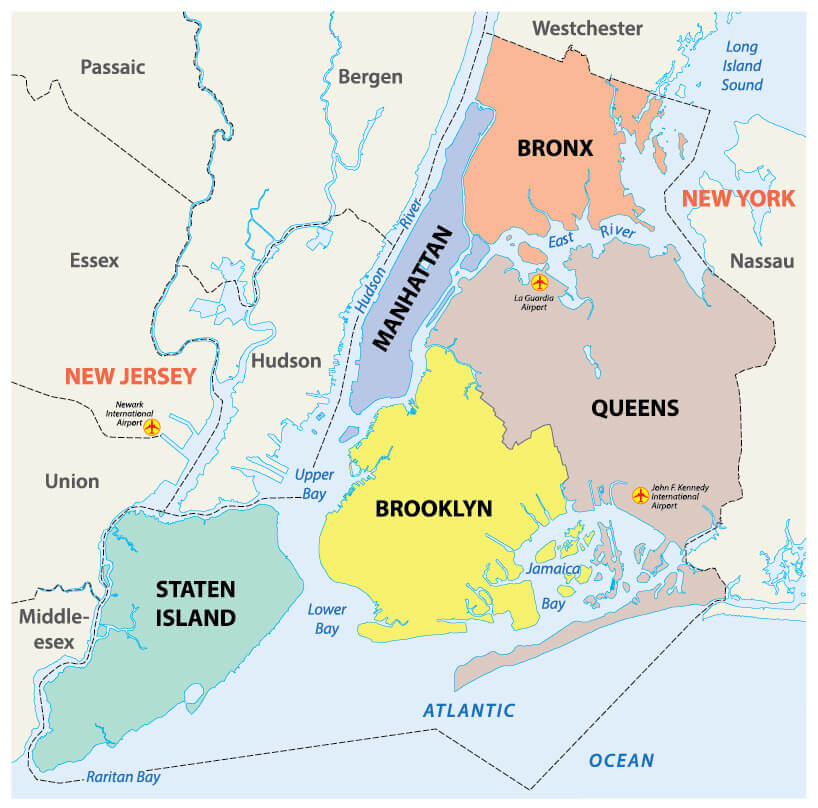
The five boroughs of New York City are Manhattan, Brooklyn, Queens, The Bronx, and Staten Island. Each offers a distinct flavor, from the bustling energy of Manhattan to the family-friendly charm of Brooklyn, the multicultural tapestry of Queens, the vibrant arts scene of The Bronx, and the more suburban feel of Staten Island. Travelers often plan their New York City itineraries based on these distinct identities, seeking out specific attractions, accommodations, and experiences within each.

When discussing the “biggest” borough, it’s crucial to define what “biggest” means. In the context of New York City, this question is most commonly answered by looking at the total land area, which includes both dry land and inland waters. This metric reveals a surprising truth for those who might instinctively point to the most densely populated or visually prominent borough.
The Champion of Size: Queens
The title of the biggest borough in New York City, by land area, unequivocally belongs to Queens. This Easternmost borough covers a significant expanse of territory, making it a geographical giant within the five-borough system. Its sheer size contributes to its incredible diversity, housing a vast array of communities, parks, and attractions that can easily fill days of exploration for any tourist.
A Borough of Immense Scale and Diversity
Queens is not just big in terms of landmass; it’s also incredibly diverse. Home to some of the city’s most significant airports, including John F. Kennedy International Airport and LaGuardia Airport, it serves as a gateway for millions of travelers. This strategic location hints at its expansive nature. Beyond its role as a transportation hub, Queens boasts a rich tapestry of cultures, reflected in its vibrant culinary scene, unique festivals, and diverse residential neighborhoods.
The borough’s vastness allows for a remarkable range of experiences. You can find yourself exploring the sandy shores of Rockaway Beach, attending a thrilling horse race at Belmont Park, or immersing yourself in the world of contemporary art at the MoMA PS1. The culinary landscape is equally impressive, with Flushing’s authentic Chinese food, Jackson Heights’ South Asian flavors, and Astoria’s Greek eateries offering a gastronomic adventure that mirrors the borough’s diverse population.
The sheer scale of Queens means that exploring it requires a plan. Travelers might choose to focus on specific neighborhoods to avoid feeling overwhelmed by its immensity. Whether you’re looking for family-friendly parks, world-class museums, or authentic international cuisine, Queens has it in spades. Its size translates into a wealth of untapped potential for discovery, making it a compelling destination for those seeking to go beyond the usual tourist trails.
Beyond Land Area: Other Metrics of “Biggest”
While Queens reigns supreme in land area, it’s interesting to consider other ways in which a borough might be considered “biggest.” Population density, economic output, or even iconic landmark count could offer different perspectives on the scale and significance of each of New York City’s five constituent parts.
Population and Density
If “biggest” were to be defined by population, the answer would shift. For decades, Brooklyn has consistently held the title of the most populous borough, teeming with millions of residents. Its dense urban fabric, characterized by historic brownstones, bustling commercial districts, and vibrant cultural enclaves, contributes to its immense human footprint. Manhattan, while geographically smaller than Queens and Brooklyn, is incredibly densely populated, packing a staggering number of people into its relatively confined space, especially during peak business hours.
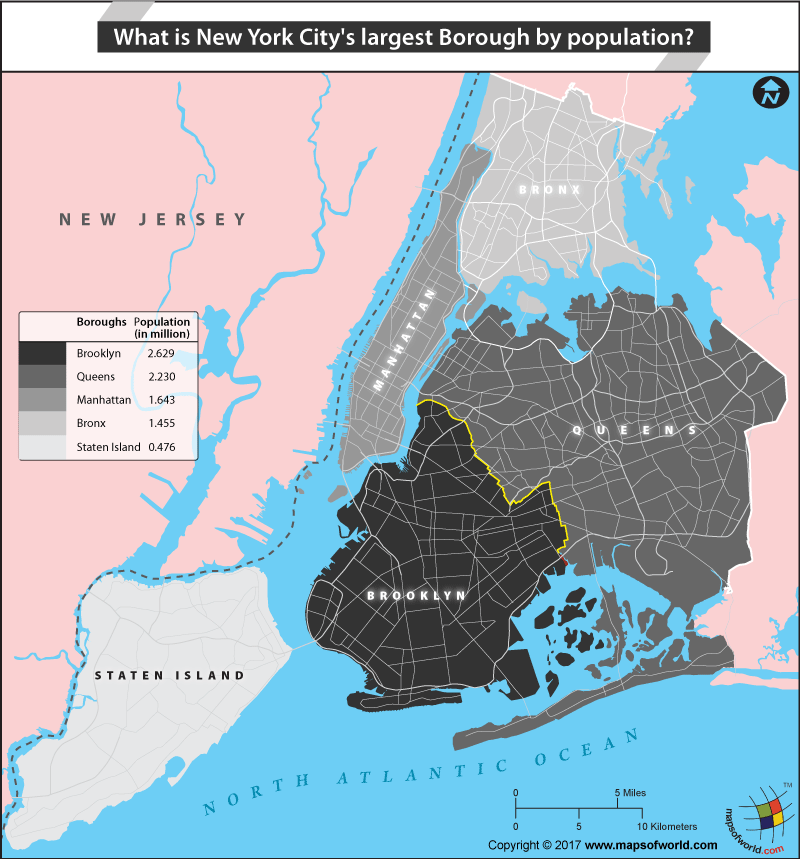
This difference in population highlights the varied development patterns across the city. Queens, despite its large land area, has more spread-out residential neighborhoods and significant parklands, contributing to a lower population density compared to Brooklyn or Manhattan. The Bronx, while experiencing growth, generally has a lower population density than the most populous boroughs. Staten Island, with its more suburban character and extensive green spaces, has the lowest population density of all.
Understanding these population dynamics is crucial for travelers. A borough with a high population density, like Manhattan or Brooklyn, will offer a more intense, fast-paced urban experience with endless activities and dining options. Conversely, a borough with lower density, like Staten Island or parts of Queens, might provide a more relaxed atmosphere with easier access to nature and a slower pace of life.
Economic and Cultural Significance
The economic and cultural significance of each borough is another layer of complexity. Manhattan is undeniably the financial and cultural heart of the city, home to Wall Street, Times Square, and countless theaters, museums, and galleries. Its economic output is immense, and its cultural influence resonates globally. Brooklyn has emerged as a major cultural hub in its own right, fostering a thriving arts scene, independent music venues, and a reputation for trendsetting in fashion and design.
Queens, with its diverse population, drives significant economic activity through its international trade, food industries, and tourism. The Bronx, historically known for its significant contributions to music and art, continues to be a powerhouse of cultural innovation, with institutions like the Bronx Museum of the Arts and the Edgar Allan Poe Cottage. Staten Island, while perhaps having a less prominent global profile in these areas, plays a vital role in the city’s infrastructure and offers unique historical landmarks and a strong sense of community.
For travelers, this means that the “biggest” borough in terms of what you want to experience can vary. If your priority is world-class finance and theater, Manhattan is your giant. If it’s burgeoning arts and a vibrant street style, Brooklyn might feel biggest. If it’s experiencing a truly global melting pot with incredible food and diverse neighborhoods, then the sheer scale and variety of Queens make it the standout.
Exploring the Boroughs: A Traveler’s Perspective
No matter what metric you use to define “biggest,” each of New York City’s five boroughs offers a unique and unforgettable travel experience. Understanding their geographical and demographic characteristics can significantly enhance your exploration and help you plan the perfect trip.
Navigating the Urban Landscape
When planning a trip to New York City, consider what kind of experience you’re seeking. If you want to be in the heart of the action, with iconic landmarks like the Empire State Building and Central Park at your doorstep, Manhattan is likely your primary destination. Its excellent public transportation system, including extensive subway lines, makes it easy to navigate this densely packed island.
If you’re drawn to historic charm, vibrant street life, and a more laid-back (though still energetic) vibe than Manhattan, Brooklyn awaits. The borough is famous for its diverse neighborhoods, from the brownstone-lined streets of Park Slope to the trendy boutiques of Williamsburg. Getting around is also straightforward, with numerous subway lines connecting different parts of the borough and to other parts of the city.
For those who crave an authentic, multicultural experience and a vast array of international cuisines, Queens is the place to be. Its sheer size means you’ll likely need to utilize public transport, such as the subway and buses, to cover significant distances. The New York City Subway system is extensive and will be your best friend for exploring its many corners.
The Bronx offers a rich cultural heritage, from the Yankee Stadium to its growing art scene and the beautiful New York Botanical Garden. Accessible by subway, it provides a different pace and perspective on New York City life. Finally, Staten Island, often referred to as the “Borough of Homes and Gardens,” offers a more tranquil escape, easily accessible via the free Staten Island Ferry, which provides stunning views of the Manhattan skyline.
Each borough presents opportunities for various types of stays, from luxurious suites in Manhattan hotels to charming apartments in Brooklyn or more affordable resorts and villas further afield. The key is to research the specific attractions, accommodations, and local culture that appeal most to you, allowing you to tailor your New York City adventure to your interests and travel style. Whether you’re a first-time visitor or a seasoned explorer, the sheer diversity and scale of these five boroughs ensure that there’s always something new to discover.
LifeOutOfTheBox is a participant in the Amazon Services LLC Associates Program, an affiliate advertising program designed to provide a means for sites to earn advertising fees by advertising and linking to Amazon.com. Amazon, the Amazon logo, AmazonSupply, and the AmazonSupply logo are trademarks of Amazon.com, Inc. or its affiliates. As an Amazon Associate we earn affiliate commissions from qualifying purchases.