
New York City, a sprawling metropolis defined by its iconic skyline, is a testament to human architectural ambition. Among its countless structures, the question of the “biggest” building often arises, sparking curiosity about scale, volume, and sheer presence. While “biggest” can be interpreted in various ways – by height, floor area, or even footprint – this exploration delves into the structures that dominate New York’s urban landscape, focusing on those that stand out for their immense scale and impact on the city’s visual and functional fabric. We will primarily consider One World Trade Center as the benchmark for this discussion, given its prominence and modern significance, while also acknowledging other monumental contenders that shape the city’s architectural identity.
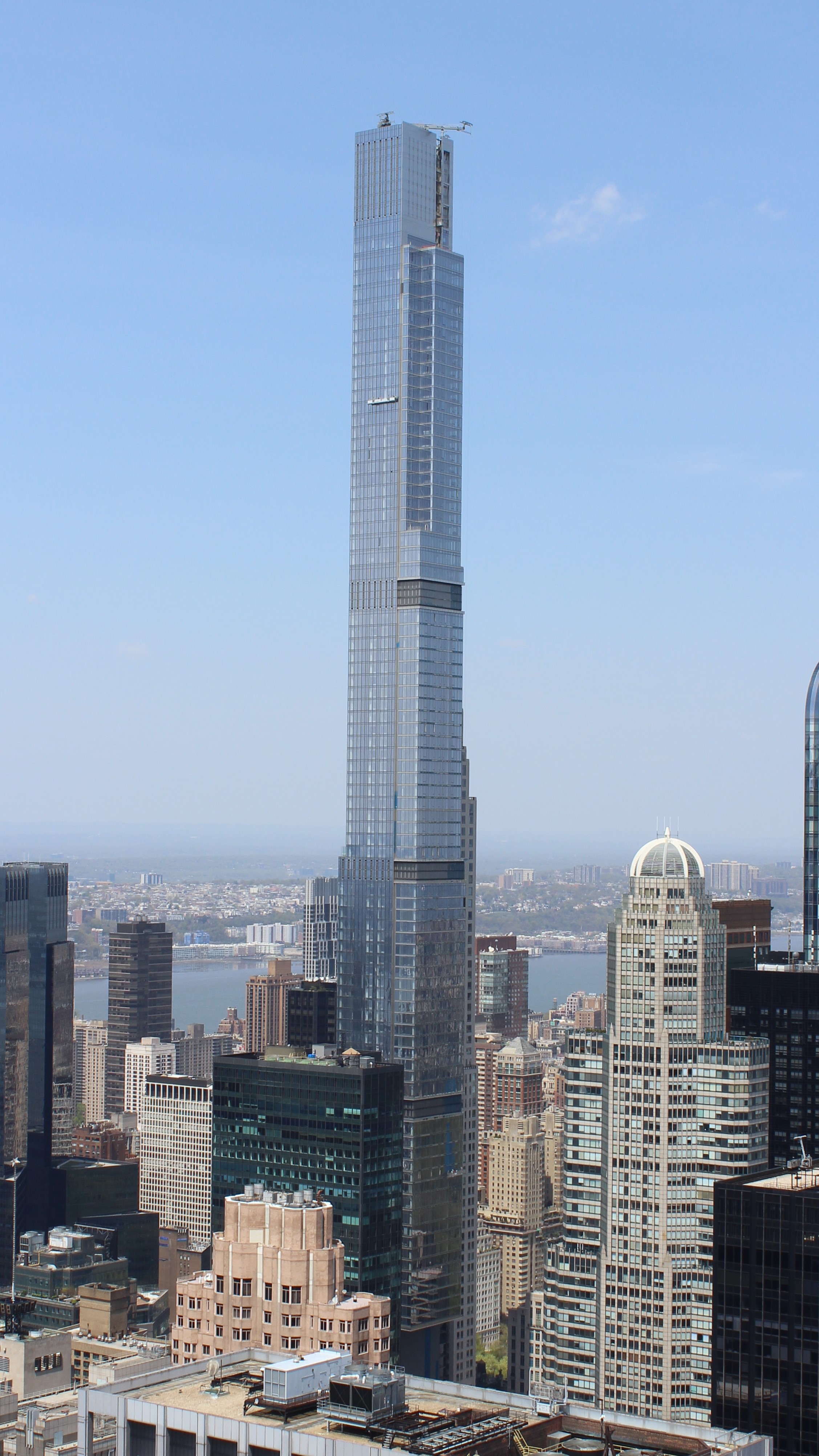
Defining “Biggest”: Height vs. Floor Area
The concept of the “biggest” building is inherently nuanced. When discussing skyscrapers, height is often the most immediate metric people associate with grandeur and dominance. However, a building’s true scale can also be measured by its total floor area, which dictates its capacity and internal volume. In New York, these two metrics often lead to different structures topping the lists.
The Reigning Champion: One World Trade Center
Standing tall in Lower Manhattan, One World Trade Center has captured the imagination as the city’s tallest building, a symbol of resilience and renewal. Its spire reaches a staggering 1,776 feet, a deliberate nod to the year the United States declared independence. This impressive height makes it not only the tallest building in New York but also the tallest in the Western Hemisphere.
Architectural Marvel and Symbolic Significance
Beyond its physical dimensions, One World Trade Center is an architectural marvel, designed with a focus on security and sustainability. Its crystalline structure, clad in glass and stainless steel, reflects the sky and the surrounding urban environment, creating a dynamic and ever-changing presence. The building’s design incorporates advanced safety features and aims for LEED Gold certification, reflecting a commitment to environmental responsibility. The spire, a crucial element in achieving its record-breaking height, is not merely decorative but also houses broadcast and communication equipment, adding functional significance to its aesthetic grandeur. The entire complex, including the memorial and museum, serves as a powerful reminder of the events of September 11, 2001, making its scale a reflection of both physical and emotional weight. The National September 11 Memorial & Museum itself is a vast and profound space, contributing to the overall monumentality of the site.
Contenders by Floor Area
While One World Trade Center commands attention for its height, other buildings in New York compete for the title of “biggest” when measured by total interior floor space. These structures often serve as hubs for commerce, industry, and residential living, housing thousands of people and a multitude of businesses within their expansive interiors.
The Pentagon of the Financial District: 225 Liberty Street
Often overlooked in height-focused discussions, 225 Liberty Street (formerly known as Four World Financial Center) is a colossal structure that boasts an enormous floor area. As part of the World Financial Center complex, it is a significant contributor to the sheer volume of space within New York’s downtown business district. Its expansive floor plates are designed to accommodate large corporate tenants, making it a powerhouse of economic activity. While not as visually striking as its taller neighbors, its internal scale is undeniably impressive, housing a vast array of offices, retail spaces, and amenities.
The Unseen Giant: Department Stores and Warehouses
Beyond the realm of office towers, some of New York’s largest buildings by floor area are not immediately apparent to the casual observer. Historic department stores, such as Macy’s Herald Square, occupy immense footprints and contain multiple levels of retail space, along with extensive back-of-house operations. Similarly, large distribution centers and warehouses, often located in the outer boroughs or in areas less frequented by tourists, can possess staggering square footage, catering to the logistical demands of the city. These buildings, while not reaching for the clouds, are critical to the functioning of New York City and contribute significantly to its overall built environment.
Iconic Structures Defining Scale

Beyond the metrics of height and floor area, certain buildings in New York are recognized for their iconic status and the sheer scale of their presence, even if they don’t strictly hold the title of “biggest” by every measure. These are the landmarks that define the city’s silhouette and draw millions of visitors each year.
The Empire State Building: A Timeless Icon
For decades, the Empire State Building held the title of the world’s tallest building and remains one of the most recognizable structures globally. While surpassed in height by One World Trade Center, its enduring legacy and cultural significance are immeasurable. Its art deco design and the panoramic views from its observation decks continue to captivate visitors, making it a quintessential New York experience. The building’s solid, imposing form and its place in countless films and stories cement its status as a colossal landmark.
The Chrysler Building: Art Deco Grandeur
Another titan of New York’s architectural history, the Chrysler Building is celebrated for its distinctive art deco spire and gargoyles. Though smaller than the Empire State Building and One World Trade Center, its unique silhouette and intricate detailing make it a beloved and instantly recognizable feature of the skyline. Its elegance and historical importance contribute to its colossal impact on the city’s visual identity.
The Structures of the United Nations Headquarters
The United Nations Headquarters complex, situated along the East River in Manhattan, is a vast campus comprising several large buildings, including the iconic Secretariat Building. While not a single monolithic structure, the collective scale of the complex, housing a global diplomatic body, is immense. The Secretariat Building, in particular, is a prominent skyscraper that contributes significantly to the architectural landscape of the Turtle Bay neighborhood.
Modern Architectural Giants and Their Impact
The ongoing development of New York City continuously introduces new contenders for “biggest” and “tallest.” The city’s insatiable demand for space, both residential and commercial, fuels the construction of increasingly ambitious and colossal structures.
Hudson Yards: A New Frontier of Scale
The Hudson Yards development on the West Side of Manhattan represents one of the most significant urban redevelopments in recent history. This massive project features several towering residential and commercial buildings, including 10 Hudson Yards and 30 Hudson Yards, both of which rank among the city’s tallest. The sheer scale of this new neighborhood, built over an active rail yard, is a testament to modern engineering and urban planning. The Vessel, an interactive art installation within Hudson Yards, also contributes to the area’s immense scale and visitor appeal.
The Shifting Skyline
New York’s skyline is in a constant state of flux. New projects are regularly breaking ground, and existing structures are being reimagined. The definition of “biggest” may continue to evolve as new architectural feats are realized. For instance, the proposed One Vanderbilt, located adjacent to Grand Central Terminal, significantly impacts the Midtown skyline with its impressive height and distinctive design. The ongoing construction of supertall skyscrapers in areas like Billionaires’ Row further emphasizes the relentless upward trajectory of New York’s architecture.

Beyond Manhattan: The Scale of Other Boroughs
While Manhattan often dominates discussions of scale, other boroughs of New York City also boast significant structures. The Barclays Center in Brooklyn, a massive indoor arena, is a prominent landmark in Downtown Brooklyn, hosting major sporting events and concerts. Its substantial footprint and capacity highlight the diverse forms of monumental architecture found throughout the city. Similarly, large industrial and commercial developments in Queens and the Bronx, while perhaps less glamorous, contribute substantially to the city’s overall built volume and functionality.
In conclusion, the question of the “biggest building in New York” yields a multifaceted answer. Whether measured by soaring height, expansive floor area, or undeniable iconic status, the city is home to a constellation of colossal structures. From the symbolic height of One World Trade Center to the internal vastness of commercial hubs and the enduring presence of historical landmarks, these buildings collectively define New York’s unparalleled architectural narrative and continue to shape its dynamic urban landscape.
LifeOutOfTheBox is a participant in the Amazon Services LLC Associates Program, an affiliate advertising program designed to provide a means for sites to earn advertising fees by advertising and linking to Amazon.com. Amazon, the Amazon logo, AmazonSupply, and the AmazonSupply logo are trademarks of Amazon.com, Inc. or its affiliates. As an Amazon Associate we earn affiliate commissions from qualifying purchases.