
The quest for the ultimate skiing experience often leads enthusiasts to ponder a fundamental question: which is the largest ski resort in the United States? While “biggest” can be measured in various ways – by acreage, number of trails, or vertical drop – the answer most commonly sought revolves around the sheer expanse of skiable terrain. This metric, often represented by total interconnected acreage, defines the potential for exploration and the diversity of slopes available. For many, the “biggest” resort promises an unparalleled adventure, a place where one can ski for days without repeating runs and experience a vast spectrum of winter landscapes.

Defining “Biggest”: Acreage as the Primary Metric
When discussing the scale of ski resorts, the most universally accepted measure of size is the total amount of skiable acreage. This refers to the designated and maintained areas on a mountain where guests can ski or snowboard. It’s a comprehensive figure that encompasses groomed runs, off-piste opportunities within resort boundaries, and terrain parks. Other factors, such as the number of lifts or the length of trails, contribute to the overall experience but do not define the sheer geographical footprint of the resort as effectively as acreage. A larger acreage generally translates to more varied terrain, longer runs, and a reduced feeling of overcrowding, even during peak season. This is precisely why skiers and snowboarders are drawn to these expansive destinations.
The Contenders: A Look at the Giants
Several American ski resorts consistently vie for the title of the “biggest.” These titans of the winter sports world boast impressive statistics that attract millions of visitors annually. Their sheer scale is a testament to the enduring popularity of skiing and snowboarding in the United States. Each of these resorts offers a unique blend of challenging terrain, family-friendly options, and breathtaking scenery, making them prime destinations for winter enthusiasts.
Park City Mountain Resort: A True Colossus
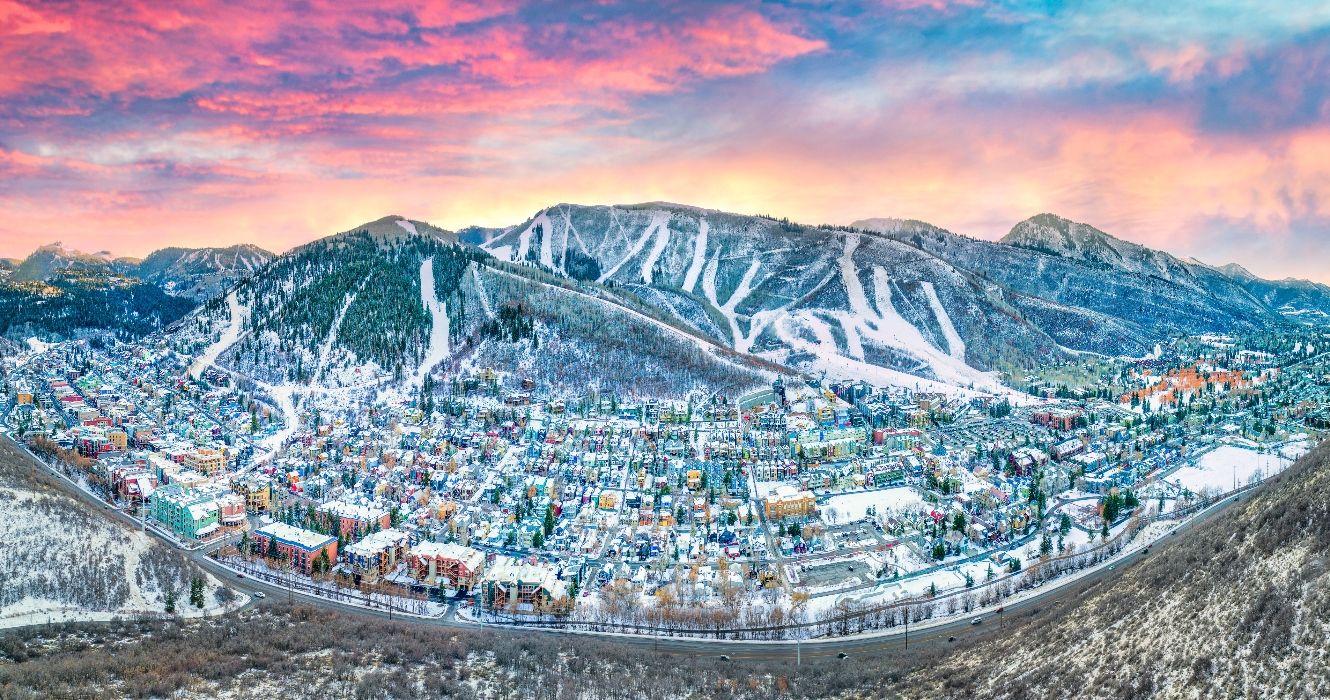
For many years, Park City Mountain Resort in Utah has held a prominent position in discussions about the largest ski resorts in the United States. Following its acquisition by Vail Resorts and subsequent merger with the neighboring Canyons Village, the resort’s skiable acreage dramatically expanded. This consolidation created a truly massive interconnected ski area, boasting over 7,300 acres of skiable terrain. This vast expanse offers an incredible diversity of terrain, from gentle beginner slopes to challenging double-black diamond chutes and extensive backcountry-access areas. The integration of Canyons Village not only increased the acreage but also added a distinct character and a wider range of experiences, cementing its status as a premier destination for skiers and snowboarders seeking an expansive winter playground. The resort’s extensive lift system efficiently transports guests across this immense area, ensuring that the vastness of the terrain is accessible and enjoyable.
Vail Ski Resort: The Majesty of the Rockies
Another perennial contender for the title of the largest ski resort in the United States is Vail Ski Resort in Colorado. Consistently ranking among the top for its sheer size, Vail offers approximately 5,300 acres of skiable terrain. This sprawling mountain is renowned for its iconic “Back Bowls,” vast, open expanses of ungroomed snow that provide an exhilarating off-piste experience. Beyond the bowls, Vail features a meticulously groomed network of trails catering to all skill levels, from beginner areas in Blue Sky Basin to expert steeps in the Back Bowls. The resort’s commitment to providing a comprehensive skiing experience is evident in its state-of-the-art lift infrastructure and its dedication to snow quality. The charming village of Vail at the base of the mountain further enhances the overall destination appeal, offering world-class dining, shopping, and lodging options for visitors.
Big Sky Resort: Montana’s Expansive Wilderness
Emerging as a significant force in the discussion of large-scale ski destinations is Big Sky Resort in Montana. While acreage figures can vary slightly depending on the source and how specific areas are counted, Big Sky is often cited as the largest in North America, boasting over 5,800 acres of skiable terrain. What truly sets Big Sky apart is its immense vertical drop, one of the longest in the United States, descending from the summit of the Lone Peak. This mountain offers a truly wild and expansive experience, with a significant portion of its terrain left natural and ungroomed, appealing to advanced and expert skiers seeking a challenging adventure. The resort is also known for its vastness, with interconnected peaks and bowls that can take days to fully explore. The development of new terrain and lifts has only solidified its claim as a top-tier destination for those who crave sheer scale and untamed winter beauty.
Beyond Acreage: Other Measures of “Bigness”
While skiable acreage is the most common metric, other factors contribute to a resort’s perceived “bigness” and overall appeal. These include the number of lifts, the total length of trails, and the vertical drop.
Vertical Drop: The Thrill of the Descent
The vertical drop of a ski resort refers to the difference in elevation between the highest and lowest accessible points for skiing. A larger vertical drop means longer, more continuous runs, which can be a significant draw for advanced skiers and snowboarders. Resorts with substantial vertical drops often offer a greater sense of adventure and the thrill of a prolonged descent.
- Big Sky Resort: With its summit reaching impressive heights, Big Sky boasts one of the most substantial vertical drops in the United States, offering skiers an exhilarating, extended ride down the mountain.
- Vail Ski Resort: Vail also features a significant vertical drop, contributing to its reputation for offering both challenging terrain and long, scenic runs.
- Park City Mountain Resort: While its acreage is its primary claim to fame, Park City also offers a respectable vertical drop, providing ample opportunity for sustained skiing.
Lift Capacity and Trail Networks: Accessibility and Variety
The number of lifts and the total length of trails are also crucial indicators of a resort’s scale and its ability to accommodate a large number of skiers. A more extensive lift network means less time waiting and more time on the slopes. A diverse trail network, with a wide range of difficulties, ensures that a resort can cater to a broad spectrum of skiers and snowboarders.
- Park City Mountain Resort: With its vast acreage, Park City has invested heavily in an extensive lift system to efficiently serve its sprawling terrain. The resort offers hundreds of named trails, providing an immense variety of skiing experiences.
- Vail Ski Resort: Vail is equipped with a modern and efficient lift system designed to access its expansive terrain, including the famed Back Bowls. Its extensive trail network is meticulously maintained, offering a predictable and enjoyable experience.
- Big Sky Resort: Big Sky features a robust lift system that serves its massive mountain, including the challenging terrain accessible from Lone Peak. The resort’s network of trails and off-piste areas provides a sense of untamed wilderness alongside groomed runs.

The Verdict: Park City Mountain Resort Reigns Supreme
Considering the most widely accepted metric of skiable acreage, Park City Mountain Resort in Utah stands as the largest ski resort in the United States. Its impressive 7,300+ acres of interconnected terrain, formed by the integration of Park City Mountain and Canyons Village, offer an unparalleled scale of skiing and snowboarding. This vast expanse provides an incredible diversity of terrain, ensuring that visitors can explore new runs and challenges throughout their stay. While Vail Ski Resort and Big Sky Resort are undeniably massive and offer world-class skiing experiences, Park City currently holds the crown for sheer size in terms of skiable acres, making it a must-visit destination for those seeking the ultimate in winter adventure.
LifeOutOfTheBox is a participant in the Amazon Services LLC Associates Program, an affiliate advertising program designed to provide a means for sites to earn advertising fees by advertising and linking to Amazon.com. Amazon, the Amazon logo, AmazonSupply, and the AmazonSupply logo are trademarks of Amazon.com, Inc. or its affiliates. As an Amazon Associate we earn affiliate commissions from qualifying purchases.