
California, the Golden State, is renowned for its diverse landscapes, vibrant cities, and iconic landmarks. Understanding its borders is not merely a geographic exercise but an invitation to explore the myriad travel experiences that define its edges. From the dramatic Pacific coastline to arid desert expanses, and from towering northern redwoods to bustling southern border towns, California’s boundaries offer a rich tapestry of destinations and adventures for every traveler.
Defining California’s Geographic Edges
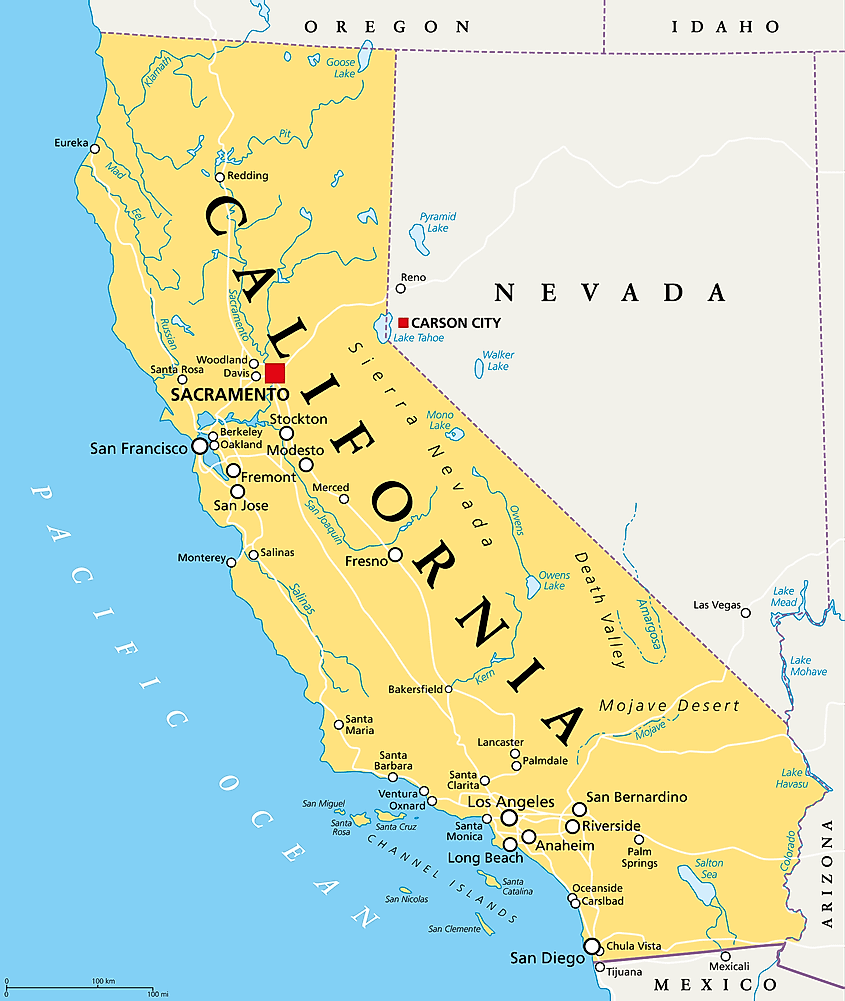
At its core, understanding California’s border involves recognizing its unique position within the western United States. It is a state defined by both natural phenomena and surveyed lines, each segment offering distinct travel opportunities.
The Pacific Coast: A Natural Western Boundary
To the west, the Pacific Ocean forms California’s undeniable natural boundary, stretching for nearly 840 miles from north to south. This extensive coastline is not just a geographical limit but a destination in itself, characterized by rugged cliffs, pristine beaches, and world-famous scenic drives. It offers an endless array of maritime activities, breathtaking vistas, and charming coastal communities.
Northern Horizons: Oregon’s Verdant Frontier
The northern border of California is shared with the state of Oregon. This boundary is a largely straight, surveyed line, but the geography it traverses is anything but uniform. It cuts through dense forests, volcanic landscapes, and high desert plateaus, marking a transition from California’s diverse ecosystems to Oregon’s similarly varied terrain. Travelers along this border will find opportunities for wilderness exploration and historical discovery.
Eastern Expanse: Nevada’s Deserts and Arizona’s Canyons
California’s eastern border presents a dramatic contrast, largely defined by its shared boundaries with Nevada and Arizona. The line with Nevada is a mix of straight segments and natural features, running through vast deserts, towering mountain ranges like the Sierra Nevada, and across large bodies of water. Further south, the Colorado River serves as a significant natural boundary with Arizona, carving its way through rugged canyons and fertile valleys. This eastern frontier is a land of extremes, from snow-capped peaks to scorching desert floors, offering unique travel experiences.
Southern Reach: The Mexico Borderlands
To the south, California shares an international border with Mexico, specifically with the state of Baja California. This is a highly dynamic and culturally rich boundary, marked by bustling border crossings, diverse communities, and the unique convergence of two distinct nations. It offers a gateway to exploring binational culture, cuisine, and history.
Traveling the Golden State’s Northern Border
The northern reaches of California, bordering Oregon, invite travelers to immerse themselves in stunning natural beauty and a sense of rugged wilderness. This region is a paradise for outdoor enthusiasts, offering a tranquil escape from the state’s more populated areas.
Journeying along the northern border can begin in the redwood empire. While much of the famed Redwood National Park lies further south, the influence of these majestic trees extends into the border region, creating an ethereal landscape of towering giants. Scenic drives along Highway 101 offer glimpses of ancient forests and access to charming small towns like Crescent City, which serves as a gateway to both California and Oregon coastlines.
Further inland, the landscape transitions to volcanic peaks and pristine lakes. Mount Shasta, an iconic dormant volcano, dominates the skyline, drawing climbers, spiritual seekers, and nature lovers alike. Its surrounding areas, including the Shasta-Trinity National Forest, provide endless opportunities for hiking, fishing, and camping. Eastward, near the border, lies Lassen Volcanic National Park, a fascinating geothermal area with bubbling mud pots, fumaroles, and impressive volcanic peaks, offering a unique geological experience.
For those interested in traversing the exact boundary, segments of Highway 97 run very close to the California-Oregon line, connecting travelers to towns like Dorris on the California side, and just a short drive to Klamath Falls in Oregon, known for its extensive network of trails and access to Crater Lake National Park. This northern frontier offers a genuine sense of escape, where the wild beauty of nature reigns supreme.
Exploring California’s Eastern Frontier

The eastern border of California, stretching alongside Nevada and Arizona, is a land of dramatic contrasts, from snow-capped alpine resorts to scorching desert basins. This region is a testament to California’s incredible geographical diversity.
Perhaps the most famous shared border destination is Lake Tahoe, an alpine gem nestled in the Sierra Nevada mountains. Straddling the California-Nevada line, Lake Tahoe is a year-round travel magnet. In winter, world-class ski resorts like Heavenly Mountain Resort and Palisades Tahoe attract skiers and snowboarders. During summer, the crystal-clear waters beckon with opportunities for boating, paddleboarding, and swimming. Quaint towns like South Lake Tahoe on the California side and Stateline in Nevada offer a blend of outdoor adventure and vibrant nightlife. Further north along the border, Truckee offers a historic railway town experience and access to Donner Lake.
Moving south along the Nevada border, the landscape transforms into vast desert expanses. Death Valley National Park, one of the hottest places on Earth, dramatically dips below sea level and showcases an otherworldly beauty with its salt flats, colorful badlands, and towering dunes. Despite its extreme conditions, it offers incredible opportunities for stargazing, hiking, and photography, particularly in the cooler months. Nearby, the Mojave National Preserve offers a less-traveled desert experience, with volcanic cinder cones, Joshua tree forests, and vast wilderness perfect for off-road adventures and solitude.
The southeastern border, defined by the Colorado River, separates California from Arizona. Here, destinations like Lake Havasu (though primarily in Arizona, it’s a popular spot for Californians) and smaller river towns offer water-based recreation, from boating to fishing. This region provides a vital aquatic oasis amidst the arid desert environment, providing unique recreational activities for those traveling between the states. A short journey from the border can also lead to the bright lights of Las Vegas, a major travel hub in Nevada, making California’s eastern border a dynamic corridor for diverse experiences.
Discovering California’s Southern Borderlands
California’s southern border with Mexico offers a unique blend of cultures, landscapes, and travel experiences. This international boundary is a vibrant crossroads, where the influences of two nations intermingle.
The most prominent city along this border is San Diego, California’s second-largest city, which lies directly adjacent to Tijuana, Mexico. Crossing the border here provides a seamless transition into a different culture, with travelers often visiting Tijuana for its vibrant culinary scene, bustling markets, and lively atmosphere. The San Ysidro port of entry is one of the busiest land border crossings in the world, facilitating extensive cultural and economic exchange. Travel guides often highlight day trips or extended stays to explore both sides of this dynamic border.
East of San Diego, the landscape quickly shifts to arid desert environments. The Imperial Sand Dunes Recreation Area, also known as the Glamis Sand Dunes, is a vast expanse of shifting sand dunes that stretch along the border. It’s a hugely popular destination for off-roading, dune buggy riding, and camping, offering a thrilling desert adventure.
Further west, closer to San Diego but still within the borderlands, is Anza-Borrego Desert State Park, California’s largest state park. This park is renowned for its badlands, slot canyons, and spring wildflower blooms, particularly after good rains. It offers exceptional opportunities for hiking, primitive camping, and stargazing, showcasing the raw beauty of the Sonoran Desert that extends south into Mexico. The communities along this border, like Calexico and El Centro, offer authentic insights into border life and the rich agricultural history of the Imperial Valley. Exploring these southern borderlands provides a fascinating journey through cultural fusion and dramatic desert landscapes.
The Pacific Coast: An Iconic Western Edge
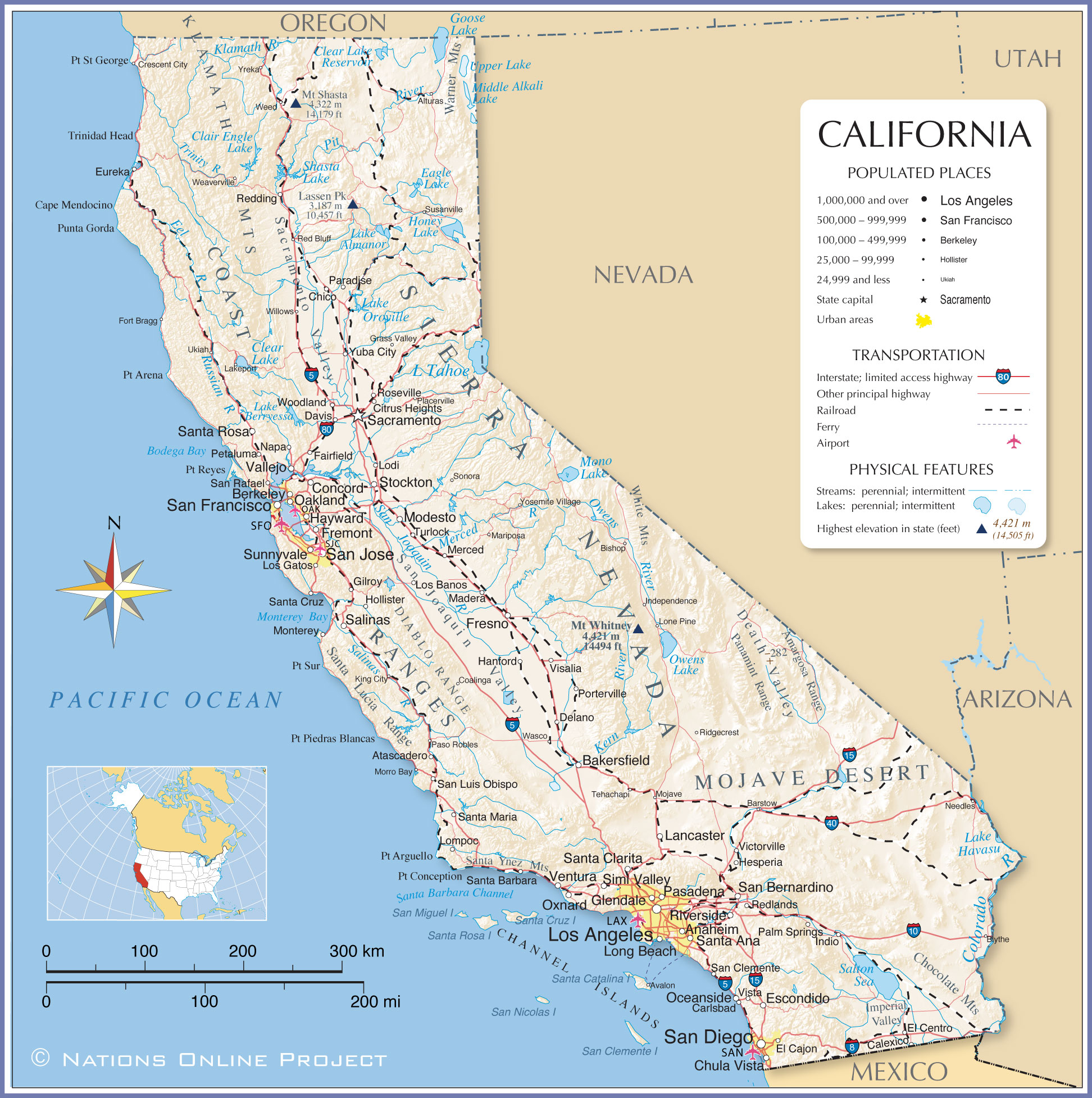
While not a conventional “border” in the sense of shared land with another state or country, the Pacific Coast forms California’s defining western boundary and offers some of the most iconic travel experiences in the world. This extensive coastline is a destination unto itself, epitomizing the “California dream” for many.
The legendary Pacific Coast Highway, often referred to as Highway 1, traces much of this border, offering unparalleled scenic drives. From its northern reaches near Leggett to its southern terminus near Dana Point, the highway provides access to a myriad of coastal attractions.
Travelers can explore the dramatic cliffs and redwood forests of Mendocino County in the north, where charming towns like Mendocino and Fort Bragg offer artistic communities and stunning ocean views. Further south, the iconic stretch of Big Sur captivates with its rugged coastline, towering cliffs, and mist-shrouded redwoods. This region is ideal for scenic overlooks, hiking trails, and spotting marine wildlife.
Major coastal cities punctuate the shoreline, each offering distinct urban travel experiences. San Francisco entices with its Golden Gate Bridge, historic cable cars, and diverse neighborhoods. Los Angeles beckons with its vibrant entertainment industry, sprawling beaches, and diverse culinary scene. Between these metropolitan hubs, picturesque towns like Santa Cruz, famous for its boardwalk, and the upscale charm of Santa Barbara, known as the “American Riviera,” offer relaxing getaways.
Activities along the Pacific border are as diverse as the landscape itself. Surfing is a quintessential California experience, with world-class breaks found from Malibu to Huntington Beach. Whale watching tours depart from numerous ports, offering opportunities to see migrating gray whales, blue whales, and dolphins. Beach hopping, tide pooling, kayaking, and enjoying fresh seafood are just a few of the ways to immerse oneself in California’s magnificent western edge. This border, ever-changing with the tides, represents the state’s enduring allure and endless possibilities for coastal exploration.
LifeOutOfTheBox is a participant in the Amazon Services LLC Associates Program, an affiliate advertising program designed to provide a means for sites to earn advertising fees by advertising and linking to Amazon.com. Amazon, the Amazon logo, AmazonSupply, and the AmazonSupply logo are trademarks of Amazon.com, Inc. or its affiliates. As an Amazon Associate we earn affiliate commissions from qualifying purchases.