
The Golden State, a land synonymous with sunshine, innovation, and breathtaking landscapes, is also home to a vibrant floral tapestry that often goes unheralded. While many associate the term “California Flower” with a singular, iconic bloom, the reality is far more complex and enchanting. This moniker, in essence, encapsulates a diverse array of native wildflowers that carpet the state’s varied terrains, from the arid deserts to the lush coastal ranges and the majestic Sierra Nevada mountains. Understanding the “California Flower” is to embark on a journey through the state’s rich natural heritage, its ecological significance, and the sheer, unadulterated beauty that bursts forth with the changing seasons. It’s a concept that invites exploration, whether you’re a seasoned botanist, a casual traveler seeking scenic vistas, or a local resident looking to connect with the natural world around you.

The very notion of a “California Flower” sparks curiosity and conjures images of vibrant hues and delicate petals. It’s a phrase that resonates with the spirit of adventure and discovery that defines this iconic state. Beyond the visual spectacle, these flowers play a crucial role in the state’s delicate ecosystems, supporting pollinators, enriching the soil, and contributing to the unique biodiversity that makes California such a special place. From the iconic poppy fields that paint hillsides in fiery orange to the subtle beauty of desert blooms and the hardy alpine flowers that cling to rocky outcrops, the “California Flower” is a testament to nature’s resilience and artistry.
Unveiling the Spectrum of California’s Wildflowers
When one speaks of the “California Flower,” it’s not about a single species but rather a collective identity. This collection represents a stunning array of botanical wonders that have adapted to the state’s diverse microclimates. The sheer variety is astounding, offering a visual feast for anyone fortunate enough to witness their seasonal displays. Understanding this diversity requires a look at the different regions and the specific flora that thrives within them.
Coastal Blooms and Their Salty Charm
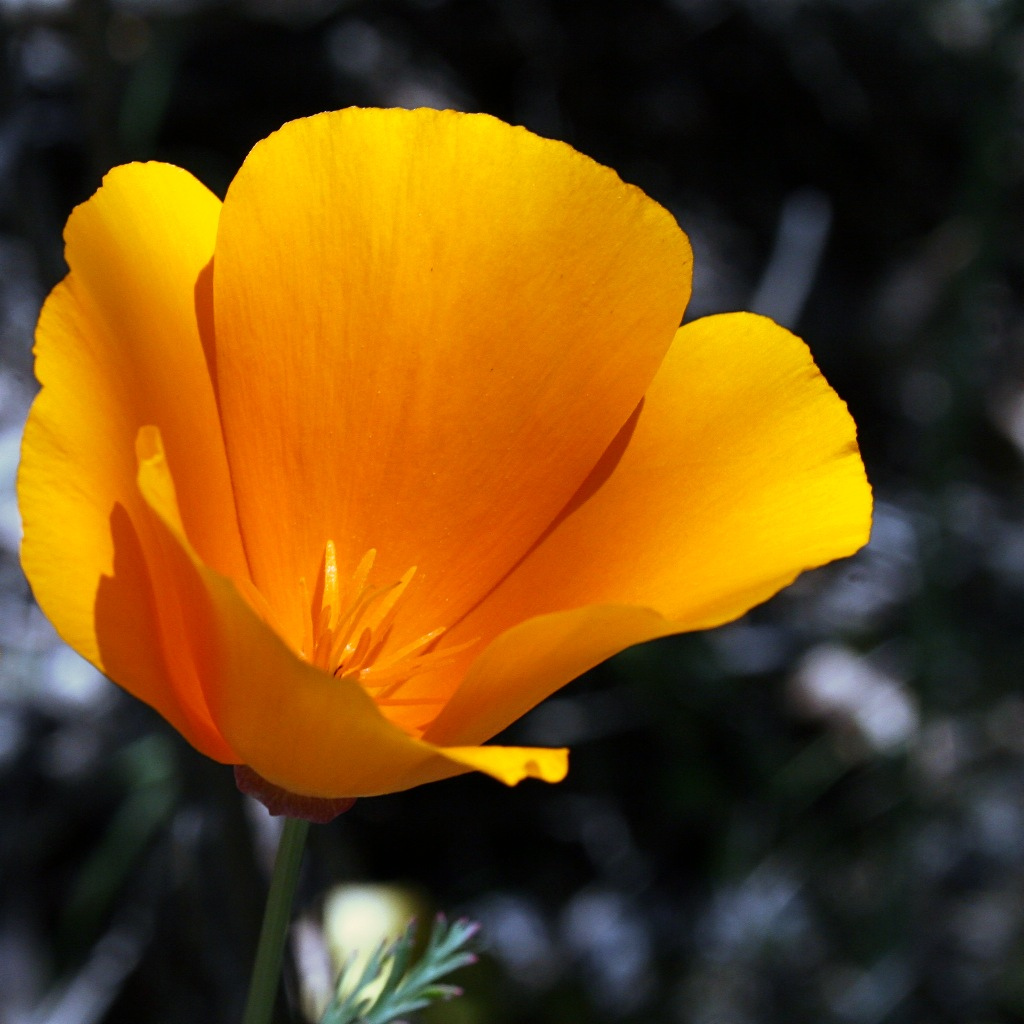
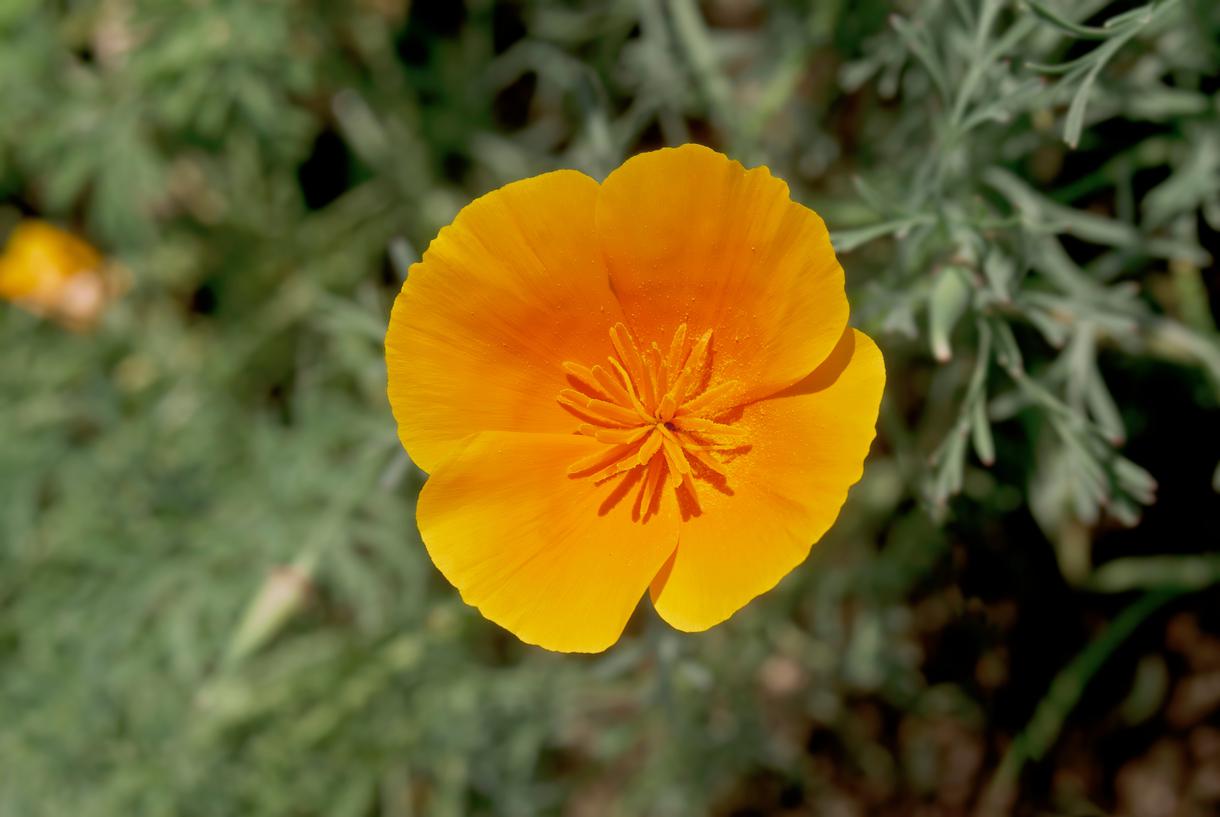
Along California’s extensive coastline, a unique set of wildflowers has evolved to thrive in the salt-laden air and sandy soils. These plants are often hardy and resilient, demonstrating a remarkable ability to withstand the ocean’s influence. One of the most celebrated is the California Poppy (Eschscholzia californica), the official state flower. While it can be found throughout the state, its presence is particularly impactful along the coast, painting rolling hills and coastal bluffs with its vibrant orange hue. This iconic bloom is a symbol of California’s natural beauty and a testament to the state’s ability to cultivate beauty even in challenging environments.
Beyond the poppy, coastal areas boast other fascinating flora. Consider the Sea Rocket (Cakile maritima), a succulent plant with delicate white or pink flowers that grows directly on sand dunes. Its ability to thrive in such an exposed environment is a marvel of adaptation. Further inland, but still within the coastal influence, you might encounter California Buckwheat (Eriogonum fasciculatum), a crucial plant for native pollinators, producing clusters of creamy-white to pinkish flowers that transform into reddish-brown clusters in the fall. The scent of buckwheat in the sea breeze is a uniquely Californian experience, often encountered during a scenic drive along the Pacific Coast Highway.
The biodiversity of the coastal regions extends to various lupines, including the striking Silver Beach Lupine (Lupinus chamissonis), with its silvery foliage and purple-blue flower spikes, perfectly adapted to the sandy coastal dunes. These blooms, while perhaps less flamboyant than their inland counterparts, possess a subtle beauty and an ecological importance that underscores the intricate web of life along the California coast. They are an integral part of the coastal experience, enhancing the natural charm of destinations like Big Sur and Point Reyes National Seashore.
Inland Vistas: Desert Jewels and Mountain Resiliences
Venturing inland reveals an entirely different, yet equally captivating, floral landscape. The arid deserts of Southern California, such as the Anza-Borrego Desert State Park, transform into a riot of color during infrequent but spectacular wildflower seasons. These desert blooms are masters of survival, storing water and blooming with incredible speed after rainfall.
Prominent among these desert dwellers is the Desert Lily (Hesperocallis undulata), a tall, elegant plant with trumpet-shaped white flowers that emit a sweet fragrance, often blooming in large numbers after significant winter rains. Another desert standout is the Sand Verbena (Abronia villosa), a low-growing plant that forms carpets of bright magenta flowers across the sandy washes. The ephemeral nature of these desert blooms makes witnessing them a truly special event, often a highlight for visitors to regions like Palm Springs.
Moving towards the mountainous regions, such as the Sierra Nevada, a different suite of “California Flowers” emerges. Here, hardy perennials and annuals have adapted to the harsh conditions of high altitudes, short growing seasons, and significant snowfall. The California Bluebell (Phacelia campanularia), despite its common name, can be found in various parts of the state, including higher elevations, with its vibrant bell-shaped blue flowers. In alpine meadows, you might find Indian Paintbrush (Castilleja species), with its striking scarlet bracts, or the delicate Mountain Pride (Penstemon newberryi), a small shrub with bright pink-purple flowers that blooms prolifically on rocky slopes. These mountain flowers, though often smaller in stature, possess a tenacity and beauty that speaks to the resilience of life in extreme environments, making hikes in places like Yosemite National Park or Lake Tahoe a visually rewarding experience.
Experiencing the California Flower: Travel and Tourism Insights
The allure of California’s wildflowers extends far beyond botanical interest; it’s a significant draw for tourism, offering unique travel experiences and enriching the understanding of local culture and natural heritage. Planning a trip to witness these floral spectacles involves understanding the best times to visit and the most rewarding destinations.
Seasonal Spectacles and Prime Viewing Locations
The “California Flower” experience is intrinsically tied to the seasons. The most famous bloom, the California Poppy, typically reaches its peak in spring, from March to May, depending on rainfall and elevation. Areas like Antelope Valley California Poppy Reserve, Carrizo Plain National Monument, and the hillsides surrounding Los Angeles and San Diego become vibrant seas of orange. However, specific bloom times can vary year to year, making checking local bloom reports a crucial part of planning.
Desert wildflowers, as mentioned, are highly dependent on rainfall. The “superbloom” phenomenon, where vast expanses of desert come alive with color, is a rare but unforgettable event, often occurring after unusually wet winters. Anza-Borrego Desert State Park is the premier destination for such displays, attracting visitors from across the globe.
For those interested in coastal blooms, spring and early summer often bring a profusion of flowers along the Pacific Coast Highway. The wildflowers here are more spread out but add a delightful layer of color to the already stunning ocean vistas. Mountain wildflowers typically bloom later in the spring and into the summer months, as the snow recedes from higher elevations. Trails in the Sierra Nevada and Lassen Volcanic National Park offer opportunities to see these alpine beauties.
Beyond the Blooms: Activities and Lifestyle Integration
Witnessing the “California Flower” can be integrated into a wide range of travel and lifestyle choices. For the avid hiker or backpacker, the wildflower season offers a spectacular backdrop for exploring California’s National Parks and State Parks. Guided nature walks and botanical tours are often available, providing in-depth knowledge about the local flora and fauna. Photographers will find endless inspiration in the vibrant colors and dramatic landscapes.
Families can turn wildflower viewing into an educational adventure, teaching children about nature, conservation, and the importance of local ecosystems. Picnics amidst wildflower meadows can be a cherished memory. For those seeking a more relaxed experience, scenic drives through blooming regions offer breathtaking views without strenuous activity. Many towns in wildflower-rich areas also host annual festivals celebrating these natural events, offering a chance to immerse oneself in local culture, food, and crafts.
Accommodation options abound to suit every preference and budget. From luxury resorts nestled in scenic valleys to charming bed and breakfasts near prime viewing spots, and even camping opportunities within national parks, visitors can tailor their stay to maximize their wildflower experience. The lifestyle aspect of this pursuit ranges from dedicated eco-tourism and adventure travel to casual day trips. Ultimately, appreciating the “California Flower” is about connecting with the state’s natural essence, a journey that nourishes the soul and leaves a lasting impression of beauty and biodiversity. It’s a reminder that the most profound travel experiences often lie in the simple, yet magnificent, displays of nature.
LifeOutOfTheBox is a participant in the Amazon Services LLC Associates Program, an affiliate advertising program designed to provide a means for sites to earn advertising fees by advertising and linking to Amazon.com. Amazon, the Amazon logo, AmazonSupply, and the AmazonSupply logo are trademarks of Amazon.com, Inc. or its affiliates. As an Amazon Associate we earn affiliate commissions from qualifying purchases.