
The Golden State, a land of sun-drenched beaches, towering redwood forests, and the glittering allure of Hollywood, is a perennial favorite for travelers worldwide. From the vibrant energy of its major metropolises to the serene beauty of its national parks, California offers an unparalleled spectrum of experiences. For anyone planning a journey to this iconic destination, understanding its postal system, particularly the concept of a zip code, is an essential piece of the puzzle. But what exactly is the California zip code, and how does it function within the vastness of this diverse state?

While the question “What is the California zip code?” might suggest a single, overarching identifier, the reality is far more nuanced and, frankly, more practical. The United States Postal Service (USPS) employs a system of five-digit zip codes to efficiently sort and deliver mail. California, being the most populous state in the U.S. and boasting an immense geographical area, is segmented into thousands of these unique zip codes. Therefore, there isn’t one California zip code, but rather a multitude, each representing a specific geographic area within the state.
This intricate network of zip codes is not just a logistical tool for the USPS; it’s also an invaluable resource for travelers planning their itineraries, booking accommodations, and navigating the state. Knowing the zip code of your intended destination in California provides precision, ensuring that your travel plans land you exactly where you intend to be, whether it’s a luxurious resort in Beverly Hills or a charming bed and breakfast nestled in the wine country of Napa Valley.
Navigating California: Understanding the Zip Code System
The United States Postal Service introduced the Zone Improvement Plan (ZIP) code system in 1963, transforming mail delivery into a more streamlined and efficient process. This system divides the country into geographical areas, assigning each a unique five-digit code. The first digit generally indicates a broad geographical region, the next two digits narrow down to a larger metropolitan area or a section of a state, and the final two digits pinpoint a specific delivery area, often a town or a neighborhood within a city.
The Five-Digit Foundation
In California, the first digit of a zip code typically ranges from 9. This range covers the westernmost states, with 90000s generally denoting the southern part of the state, and increasing numbers moving northward. For example, a zip code starting with 902 offers a glimpse into the Greater Los Angeles area, encompassing iconic locations like Beverly Hills and Santa Monica. As you move up the state, you’ll encounter zip codes in the 93000s and 94000s for areas like Santa Barbara and the San Francisco Bay Area, respectively. Further north, zip codes in the 95000s and 96000s cover regions like Silicon Valley and the state capital, Sacramento, before reaching the more rural northern counties.
Beyond the Basics: The ZIP+4 Extension
For even greater accuracy, the USPS introduced the ZIP+4 system, which adds a hyphen followed by four additional digits to the original five-digit code. This more granular designation can pinpoint a specific street, block, or even a large building. While not always necessary for general travel planning, understanding the existence of ZIP+4 can be beneficial if you’re looking for highly specific accommodation or planning to send mail to a particular address within a California zip code.
For travelers, the significance of zip codes extends far beyond mere mail delivery. They are integral to:
- Accommodation Booking: When searching for hotels, resorts, apartments, or villas, inputting the correct zip code ensures that booking platforms display accurate results for your desired location. This is crucial for finding the perfect suite or the most convenient amenities.
- Navigation and Travel Planning: Mapping applications and GPS devices rely heavily on zip codes for precise location identification. Knowing the zip code of your destination, whether it’s a famous landmark like the Golden Gate Bridge or a specific attraction in Disneyland Park, will significantly simplify your journey.
- Local Exploration: Zip codes can offer a quick insight into the type of neighborhood or area you’ll be visiting. While not definitive, areas with luxury travel indicators might have different zip codes than those catering to budget travelers.
- Understanding Regional Differences: The vastness of California means that different zip codes can represent vastly different landscapes and cultures. A zip code in the desert near Palm Springs will have a very different feel from one in the bustling streets of downtown San Francisco.
California’s Diverse Regions: Zip Codes in Action
California’s immense geographical and cultural diversity is reflected in its extensive network of zip codes. Each region, with its unique attractions, local culture, and array of accommodations, is carved up by these postal boundaries. Understanding how zip codes relate to these distinct areas can greatly enhance your travel experience.
Southern California: Sun, Sand, and Entertainment
Southern California is synonymous with sunshine, beaches, and world-renowned entertainment. From the glitz of Los Angeles to the laid-back vibe of San Diego, this region is a magnet for tourists.
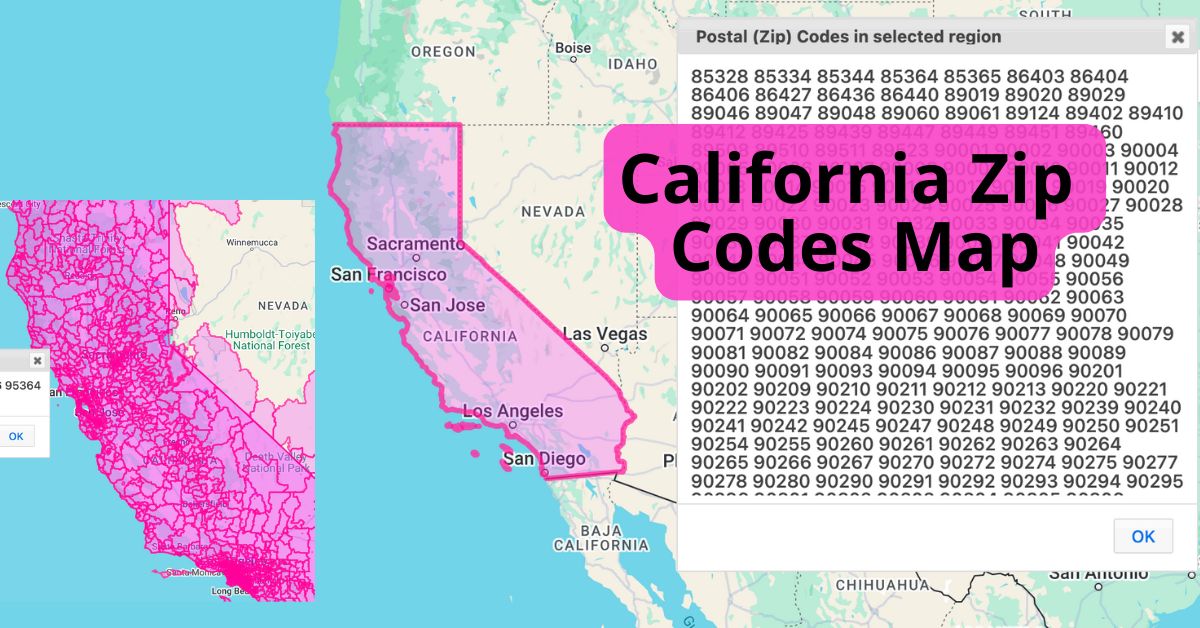
- Los Angeles County: This sprawling county is home to a myriad of zip codes, each representing a distinct facet of the city and its surrounding areas. For instance, the iconic beaches of Santa Monica fall within the 904xx range, while the affluent streets of Beverly Hills are nestled in the 902xx zip codes. Those seeking to experience the magic of Hollywood might look towards zip codes around the 90028 area. When booking accommodations, whether it’s a chic boutique hotel in West Hollywood or a sprawling resort in Palm Springs (a bit further east, in the 922xx zip codes), the zip code is your primary guide. Exploring attractions like the Griffith Observatory or the Hollywood Walk of Fame becomes seamless when you have their precise postal locations.
- Orange County: Home to the “Happiest Place on Earth,” Disneyland Park, and beautiful coastal towns, Orange County also has its distinct zip code landscape. Anaheim, the city hosting Disneyland, is primarily covered by zip codes in the 928xx range. Further south, coastal cities like Newport Beach and Laguna Beach have their own unique sets of zip codes, offering luxurious resorts and pristine beaches.
- San Diego County: Known for its beautiful beaches, the San Diego Zoo, and a relaxed atmosphere, San Diego is another major tourist hub. The city of San Diego itself encompasses a wide array of zip codes, with downtown and the Gaslamp Quarter often found in the 92101 vicinity. Coastal areas like La Jolla have their own distinct postal boundaries, typically in the 920xx range, offering stunning ocean views and upscale accommodations.
Central California: Nature’s Grandeur and Agricultural Bounty
Central California offers a dramatic shift in scenery, from majestic mountain ranges to fertile agricultural valleys and a rugged coastline.
- The Central Coast: This picturesque stretch of coastline boasts charming towns and breathtaking natural beauty. Cities like Santa Barbara are typically found in the 931xx zip codes, known for their Spanish colonial architecture and beautiful waterfront. Further north, areas around San Luis Obispo and Paso Robles are recognized for their wine production, with zip codes often in the 934xx and 93460 ranges, respectively. For travelers interested in exploring national landmarks like Hearst Castle, understanding the zip code of San Simeon (often around 93452) is key.
- The Central Valley: While primarily an agricultural hub, the Central Valley is also home to California’s capital, Sacramento, which has a complex system of zip codes that broadly fall into the 958xx range. This region offers a glimpse into the state’s agricultural backbone and its historical roots.
Northern California: Innovation, Iconic Landmarks, and Redwood Forests
Northern California is a region of stark contrasts, from the technological innovation of Silicon Valley to the iconic beauty of San Francisco and the awe-inspiring redwood forests.
- The San Francisco Bay Area: This densely populated region is a global center for technology, culture, and finance. San Francisco itself is divided into numerous zip codes, with areas like the Financial District and Union Square generally falling within the 941xx range. The vibrant neighborhoods of the city, from the colorful streets of the Castro to the historic waterfront of Fisherman’s Wharf, are all defined by their specific zip codes. Across the bay, Oakland and Berkeley have their own distinct postal boundaries, typically in the 946xx and 947xx ranges. For those looking to explore the engineering marvel of the Golden Gate Bridge, its zip code is associated with the Presidio area, often around 94129. When considering accommodation, from luxury suites in the city to more budget-friendly apartments in the East Bay, the zip code is your essential locator.
- Silicon Valley: South of San Francisco, this region is the epicenter of technological innovation. Cities like San Jose, Palo Alto, and Mountain View are home to tech giants and have zip codes within the 940xx, 9430x, and 94043 ranges, respectively. While perhaps not a traditional tourist destination, its cultural significance and the presence of innovative companies and museums make it a point of interest for many.
- Wine Country: Just north of the Bay Area lie the world-renowned wine regions of Napa and Sonoma. Towns like Napa are typically found in the 94558 and 94559 zip codes, while Sonoma itself is often in the 95476 range. Exploring the numerous vineyards and enjoying the local food scene is best facilitated by understanding the specific zip codes of your desired wineries and restaurants.
- Redwood National and State Parks: For nature enthusiasts, the northern coast offers the majestic spectacle of ancient redwood trees. The general zip codes for this vast park system vary depending on the specific entrance or visitor center, but they generally fall within the 955xx and 956xx ranges, guiding you to these natural wonders.
Planning Your California Adventure: The Practicality of Zip Codes
Ultimately, the “California zip code” is not a single entity but a fundamental tool for navigating and experiencing the Golden State. Whether you’re a seasoned traveler or a first-time visitor, understanding how zip codes work is paramount for a smooth and enjoyable journey.
Choosing Your Base: Accommodation by Zip Code
When it comes to finding the perfect place to stay, zip codes are indispensable. If you’ve set your sights on the iconic beaches of Malibu, you’ll be looking at zip codes in the 90265 vicinity. For those who prefer the upscale charm of a resort in Palm Springs, the 92260s and 92270s are your target zones. Booking platforms like Booking.com or Expedia allow you to filter searches by zip code, ensuring you find accommodation that’s not just comfortable but also conveniently located. From boutique hotels in charming towns to sprawling resorts with extensive amenities, the zip code helps you pinpoint your ideal lodging. Consider what kind of lifestyle travel you’re seeking: luxury travel might lead you to the affluent zip codes of Beverly Hills, while budget travel might direct you to areas further from the prime tourist hubs.
Experiencing California: Attractions and Activities
California is brimming with landmarks, attractions, and unique cultural experiences. Knowing the zip code of your desired destination can save you time and frustration. Planning a visit to the historic Alcatraz Island in San Francisco? Its postal designation will guide you to the correct ferry departure points. Interested in the stunning natural beauty of Yosemite National Park? While parks are vast, visitor centers and main entrances have associated zip codes that are crucial for navigation. Even for local food tours or exploring specific neighborhoods, having the zip code can refine your search and lead you to authentic experiences. Understanding the zip code of areas like Old Town San Diego or the Hollywood Bowl ensures you arrive at the heart of the action.

Practical Tips for Travelers
- Utilize Online Mapping Tools: Websites and apps like Google Maps or Apple Maps are invaluable for planning routes and finding locations. Simply inputting a zip code can bring up numerous points of interest within that area.
- Confirm Addresses: When booking any service or making arrangements, always confirm the full address, including the zip code, to avoid any misunderstandings.
- Research Neighborhoods: While zip codes provide a general location, research the specific neighborhoods within a zip code to understand the local culture, safety, and overall atmosphere. This is especially important for understanding if an area aligns with your lifestyle travel preferences, whether it’s family trips, romantic getaways, or business stays.
- Consider Transportation: Knowing the zip code of your accommodation and attractions can help you plan your transportation effectively, whether you’re relying on public transit, ride-sharing services, or a rental car.
In conclusion, while there isn’t one singular “California zip code,” the system of thousands of unique postal codes is an essential layer of information for anyone venturing into this magnificent state. They are the digital breadcrumbs that lead you to your chosen hotel suite, your next adventure, or that perfect plate of local cuisine. By embracing the practicality of zip codes, your journey through California will undoubtedly be more organized, efficient, and ultimately, more rewarding.
LifeOutOfTheBox is a participant in the Amazon Services LLC Associates Program, an affiliate advertising program designed to provide a means for sites to earn advertising fees by advertising and linking to Amazon.com. Amazon, the Amazon logo, AmazonSupply, and the AmazonSupply logo are trademarks of Amazon.com, Inc. or its affiliates. As an Amazon Associate we earn affiliate commissions from qualifying purchases.