
For many, the mention of California immediately conjures images of the sprawling entertainment mecca of Los Angeles, the iconic Golden Gate Bridge of San Francisco, or the sun-drenched beaches stretching along the Pacific coastline. These cities are undeniably global tourism powerhouses, drawing millions with their unique allure. However, ask most people to name the state capital, and you might encounter a moment of hesitation, often followed by an incorrect guess. The correct answer, a city rich in history, culture, and a burgeoning modern identity, is Sacramento.
Often overshadowed by its more glamorous siblings, Sacramento holds a pivotal role in the Golden State, serving as its political heart since 1854. More than just a seat of government, this vibrant metropolis offers a compelling blend of historical depth, contemporary attractions, and a laid-back charm that makes it a fascinating destination for any traveler. From its origins as a Gold Rush boomtown to its status as a leading “farm-to-fork” culinary hub, Sacramento presents a unique perspective on California’s diverse landscape, far removed from the bustling crowds of its coastal counterparts. For those seeking authentic experiences, a dive into the state’s storied past, or simply a delicious meal sourced from local farms, Sacramento promises an enriching journey.
Unveiling Sacramento: California’s Historic Heart
Sacramento’s journey from a modest trading post to the thriving capital of the most populous state in the United States is a tale deeply intertwined with California’s dramatic history. Its strategic location at the confluence of the Sacramento and American Rivers was critical, first for the indigenous people who inhabited the land, and later for European settlers who recognized its potential. The discovery of gold at Sutter’s Mill in 1848, just a short distance away, dramatically altered its trajectory, catapulting it into prominence as a crucial supply center during the legendary California Gold Rush.
A Legacy Etched in Gold
The echoes of the Gold Rush are most palpable in Old Sacramento State Historic Park, a beautifully preserved district that transports visitors back to the 19th century. Walking along its wooden boardwalks, past historic brick buildings and gas lamps, one can almost hear the clamor of prospectors and merchants. This vibrant area, now a National Historic Landmark, is home to an array of museums, shops, and restaurants, offering a tangible connection to the past. The California State Railroad Museum, also located here, is a world-class institution celebrating the pivotal role of the railroad in opening up the West, featuring impeccably restored locomotives and engaging exhibits.
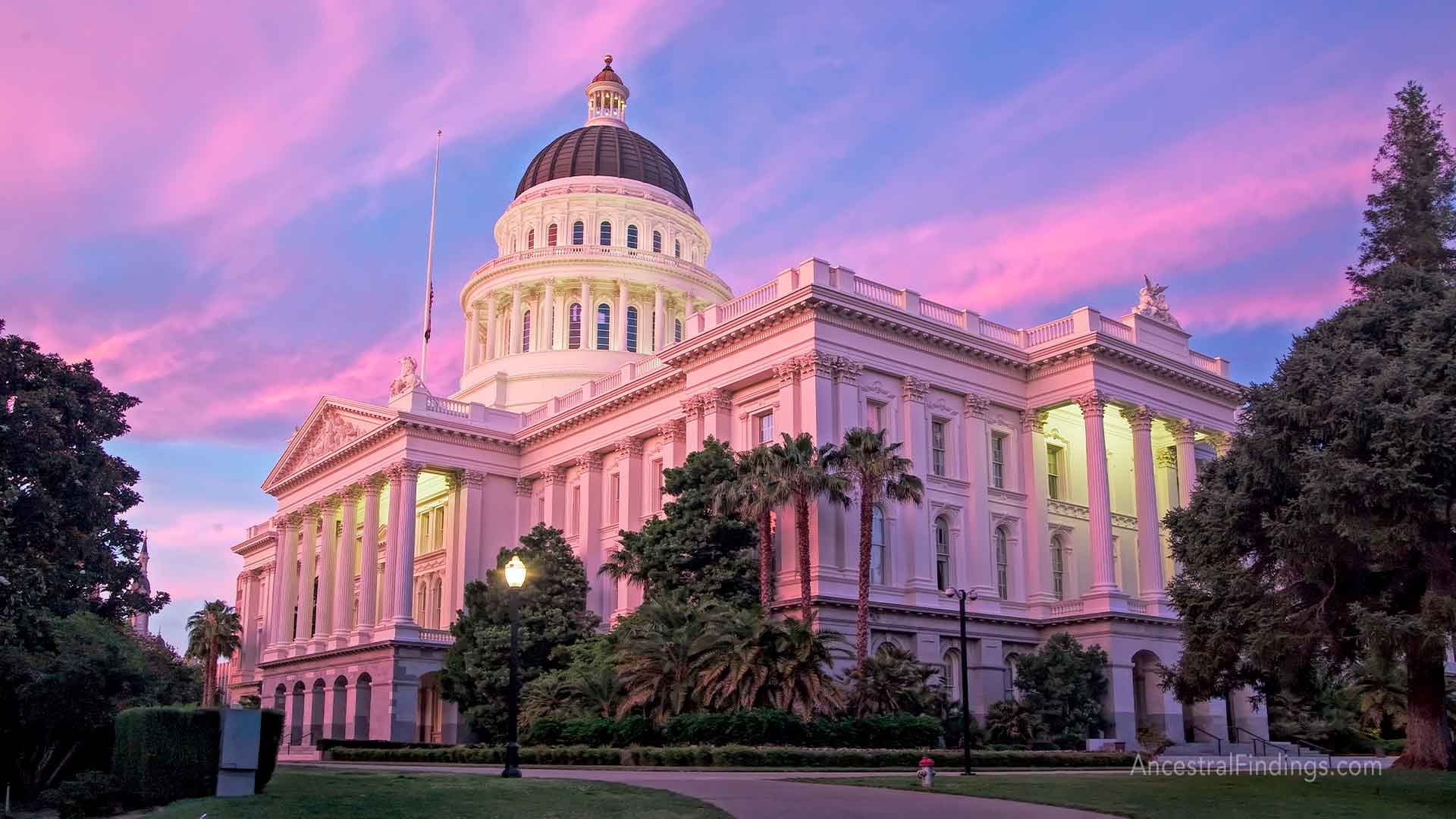
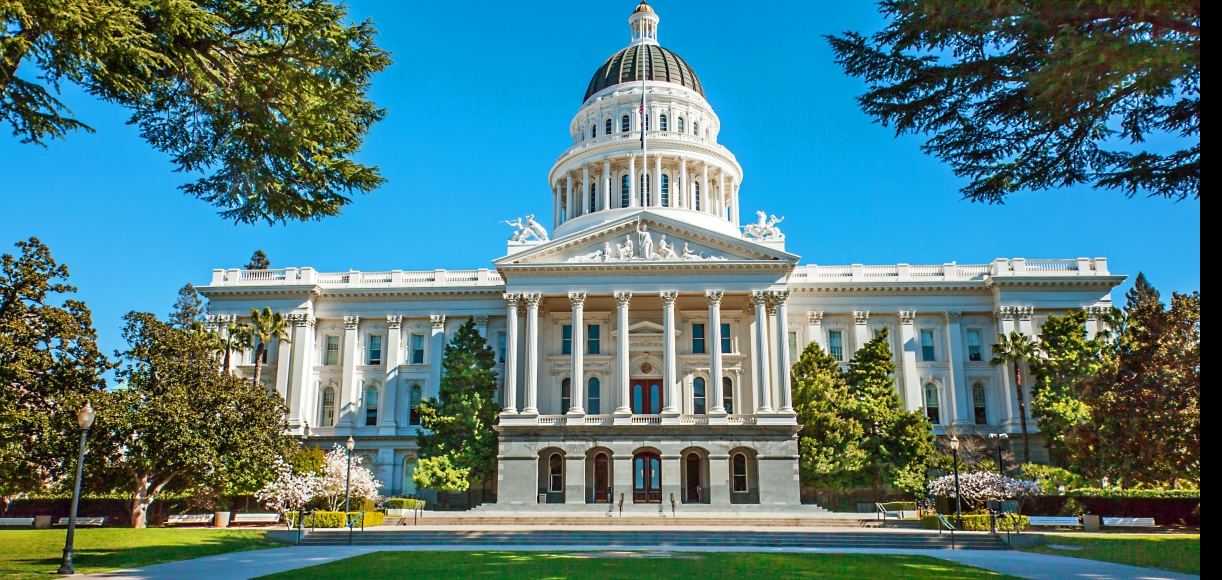
Beyond its Gold Rush roots, Sacramento secured its place in California’s governance early on. It was chosen as the permanent state capital in 1854, a decision driven by its central location, accessibility via river transport, and distance from coastal threats. The majestic California State Capitol Museum, with its iconic dome, stands as a testament to this legacy. Visitors can explore the historic offices, legislative chambers, and the surrounding Capitol Park, a sprawling botanical garden featuring trees from around the world and various memorials. This blend of political history and natural beauty underscores Sacramento’s significance beyond mere administration.
Beyond the Golden Rush: Modern Sacramento
While its past is a cornerstone of its identity, Sacramento is far from being stuck in time. Today, it thrives as a dynamic urban center, balancing its historical roots with a forward-thinking attitude. The city is widely recognized as the “Farm-to-Fork Capital” of America, a testament to its direct access to the abundant agricultural bounty of the Central Valley. This movement isn’t just a trend; it’s a way of life, with restaurants proudly sourcing ingredients from local farms, resulting in a vibrant and delicious culinary scene that emphasizes fresh, seasonal produce. Foodies will find an endless array of options, from upscale dining to casual cafes, all committed to showcasing the region’s agricultural wealth.
The cultural landscape of modern Sacramento is equally rich. The Crocker Art Museum, the oldest art museum west of the Mississippi, houses an impressive collection spanning Californian art, European master drawings, and international ceramics. Live music venues, theaters, and a burgeoning street art scene contribute to a lively atmosphere, particularly in districts like Midtown Sacramento, known for its eclectic boutiques, vibrant nightlife, and historic Victorian homes. The distinctive Tower Bridge, a golden art deco bascule bridge spanning the Sacramento River, serves as a picturesque gateway between West Sacramento and Downtown Sacramento, symbolizing the city’s blend of history and modernity.
Why Sacramento, Not San Francisco or Los Angeles?
The question of why Sacramento holds the capital title, rather than the more internationally recognized cities of San Francisco or Los Angeles, is a common one. The answer lies in a combination of historical circumstances, geographic practicality, and political considerations from the mid-19th century.
During the tumultuous early years of California statehood, the capital moved frequently. San Jose, Vallejo, and Benicia all served briefly as the seat of government. However, none proved entirely satisfactory due to various issues, including inadequate facilities and inconvenient locations. Sacramento emerged as the preferred choice in 1854 for several compelling reasons. Its central location, nestled in the vast Central Valley, made it more accessible to a larger portion of the state’s population compared to the coastal cities. Furthermore, its position at the confluence of two major rivers provided excellent transportation links, which was crucial before the advent of extensive road and rail networks.
Crucially, placing the capital inland offered a degree of protection from potential naval attacks, a significant concern in the era of early state formation. Unlike the major port cities, Sacramento was seen as less vulnerable. The city also benefited from strong political lobbying and a more stable environment, especially compared to the rapid growth and often chaotic development of San Francisco and Los Angeles during the Gold Rush era. The establishment of significant infrastructure, including the California State Capitol, further cemented its status, making any subsequent relocation impractical and politically unpopular.
Los Angeles, while being the state’s largest city and an economic powerhouse, is geographically located in the southern part of California, making it less central for the entire state. Its sheer size and density could also present logistical challenges for governmental operations. San Francisco, with its iconic landmarks and significant role in technology and finance, sits on a peninsula, offering less room for expansion and also being less central. Both cities developed distinct identities focused on commerce, entertainment, and innovation, which, while making them global tourist destinations, were not necessarily aligned with the practicalities of governing a vast and diverse state. Sacramento, by contrast, offered a balanced solution, a growing city with a strategic location and the political will to host the state’s administrative functions.
Exploring Sacramento: Top Attractions and Experiences
A visit to Sacramento offers a rich tapestry of experiences, from delving into the past to savoring contemporary culture and enjoying outdoor adventures. The city’s attractions are diverse, catering to history buffs, art enthusiasts, foodies, and families alike.
Must-See Landmarks and Historic Sites
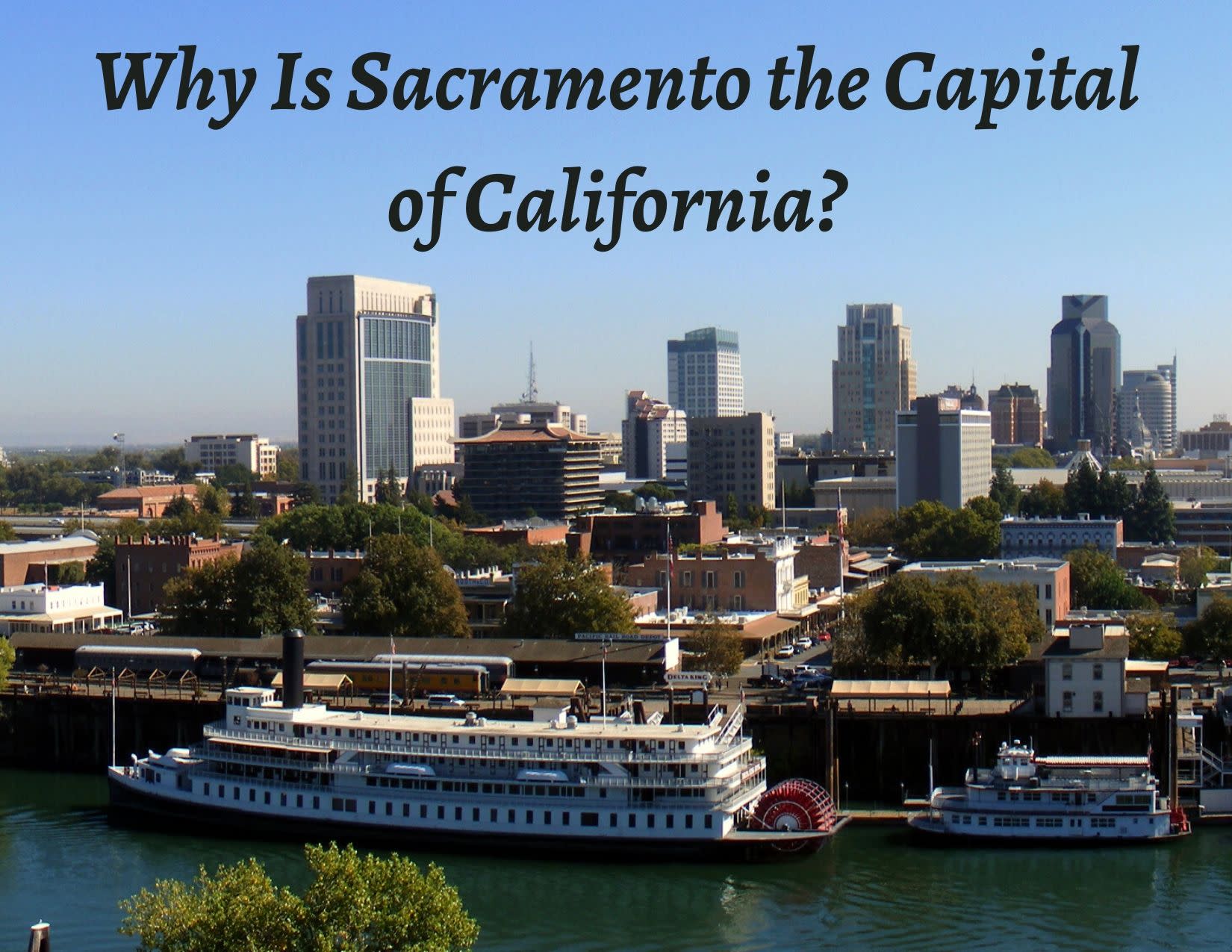
The heart of historic Sacramento undoubtedly lies in Old Sacramento State Historic Park. This 28-acre district along the Sacramento River is a living museum, featuring cobblestone streets, horse-drawn carriages, and beautifully preserved buildings. It’s home to some of the city’s most popular attractions, including the California State Railroad Museum, which showcases the history of rail travel with impressive locomotives and interactive exhibits. Another key attraction is the Delta King Riverboat, a historic sternwheeler that now serves as a hotel, restaurant, and event venue, offering stunning views of the river.
Just a short walk from Old Sacramento is the grand California State Capitol Museum. Free tours are available, providing insights into California’s legislative process and the building’s stunning architecture. Surrounding the Capitol, Capitol Park is a meticulously maintained urban oasis perfect for a leisurely stroll, featuring a Civil War Memorial and a beautiful rose garden. For a deeper dive into California’s pioneer past, Sutter’s Fort State Historic Park offers a glimpse into the life of early settlers and John Sutter, whose land played a pivotal role in the Gold Rush.
Culture, Cuisine, and Recreation
Sacramento’s cultural scene is vibrant and diverse. The Crocker Art Museum stands out as a cultural gem, offering collections that range from Old Master drawings to contemporary Californian art. The city also boasts numerous smaller galleries, live music venues, and performing arts centers. The annual Farm-to-Fork Festival in September celebrates the city’s culinary identity, but throughout the year, visitors can experience the “farm-to-fork” philosophy at countless restaurants across Downtown Sacramento and Midtown Sacramento. Exploring the weekly farmers’ markets is also a must-do to experience the fresh produce directly.
For outdoor enthusiasts, the American River Parkway provides a stunning natural escape. This 32-mile stretch along the American River offers opportunities for cycling, jogging, fishing, and kayaking. Known as the “Jewel of Sacramento,” it features numerous parks and beaches, making it ideal for family outings or a peaceful retreat from urban life. The city’s pleasant climate encourages year-round outdoor activities, making it a great destination for active travelers.
Accommodation in Sacramento: A Guide for Every Traveler
When planning a trip to Sacramento, finding the right accommodation is key to enhancing your experience. The city offers a wide range of options, from luxurious hotels catering to business travelers and upscale tourists to comfortable, budget-friendly stays suitable for families or those on a tighter budget. Its diverse offerings ensure that every visitor can find a place that fits their needs and preferences, whether they prioritize convenience, amenities, or unique charm.
From Boutique Stays to Business Comfort
For those seeking luxury and sophistication, Downtown Sacramento is home to several upscale hotels that combine elegant design with top-tier amenities. The Hyatt Regency Sacramento, located directly across from the California State Capitol Park, offers plush accommodations, a resort-style pool, and exquisite dining options, making it ideal for both business and leisure travelers. Another excellent choice is The Citizen Hotel, Autograph Collection, a boutique hotel housed in a historic building that blends classic charm with modern amenities, known for its unique political-themed decor and sophisticated atmosphere. These establishments often feature fine dining restaurants, fitness centers, and concierge services, providing a comprehensive luxury travel experience.
Mid-range options are plentiful and offer a balance of comfort, convenience, and value. Brands like Holiday Inn Express Sacramento Downtown-CSUS provide reliable amenities such as complimentary breakfast, free Wi-Fi, and comfortable rooms, appealing to families and individual travelers looking for a hassle-free stay. These hotels are often strategically located near major attractions or business districts, offering easy access to explore the city without breaking the bank. Many also include pools or fitness centers, adding to the overall value.
For budget-conscious travelers or those on an extended stay, Sacramento also provides several economical choices. Hotels such as Motel 6 Sacramento Downtown offer clean, basic accommodations at an affordable price point, often with amenities like free parking and pet-friendly policies. Extended-stay properties like Hawthorn Suites by Wyndham Sacramento cater to longer visits, featuring suites with kitchenettes, which can be a significant cost-saver for families or those planning an extended visit, allowing for self-catering and a more home-like environment.
Unique Accommodation Experiences
Beyond traditional hotels, Sacramento offers unique accommodation experiences that add character to your trip. Staying on the Delta King Riverboat in Old Sacramento State Historic Park provides a memorable experience, combining historic charm with modern comfort right on the water. For travelers seeking a more personalized touch, several charming bed & breakfasts can be found in historic neighborhoods like Midtown Sacramento, offering intimate settings and local insights. Vacation rentals, available through various platforms, also present an excellent option for families or groups, providing more space, privacy, and the chance to experience local neighborhoods like a resident. These options are perfect for those looking for a unique stay that goes beyond the standard hotel room, integrating local culture and lifestyle into their accommodation choice.
Planning Your Sacramento Visit: Tips for Travelers
Making the most of your trip to Sacramento involves a bit of planning, ensuring you maximize your enjoyment of its unique blend of history, culture, and culinary delights. Whether you’re traveling for leisure, business, or a family vacation, a few practical tips can help streamline your experience.
Best Time to Visit and Getting Around
[Sacramento](https://lifeoutofthebox.com/sacramento enjoys a Mediterranean climate, characterized by hot, dry summers and mild, wet winters. The spring (April to June) and fall (September to November) are often considered the best times to visit. During these seasons, temperatures are comfortable, making it ideal for exploring outdoor attractions like Old Sacramento State Historic Park and the American River Parkway. Summers can be quite hot, often exceeding 90°F (32°C), which might be less comfortable for extensive outdoor activities, though many indoor attractions and air-conditioned venues provide respite. Winters are generally mild, but occasional rain showers are common.Getting to Sacramento is convenient, with Sacramento International Airport (SMF) serving as the main gateway, offering flights to major cities across the United States and some international destinations. Once in the city, public transportation includes a light rail system and bus services, which are particularly useful for navigating Downtown Sacramento and Midtown Sacramento. For exploring the wider region or visiting attractions outside the city center, renting a car provides the most flexibility. However, many of the key tourist sites in the downtown core are easily walkable, and bike rentals are popular for traversing the American River Parkway.
Lifestyle Travel: Budget, Luxury, Family, Business
Sacramento caters to a variety of travel lifestyles, making it an accessible destination for almost everyone.
- Budget Travel: Travelers on a budget will find numerous ways to enjoy Sacramento. Many historical sites, like the California State Capitol Museum and Capitol Park, offer free admission. The city’s vibrant farmers’ markets provide affordable and delicious food options, and picnic lunches along the American River Parkway are a great way to save money while enjoying nature. Hostels and budget motels offer economical accommodation choices.
- Luxury Travel: For those seeking a more opulent experience, Sacramento delivers with upscale hotels such as the Hyatt Regency Sacramento and The Citizen Hotel, Autograph Collection. Fine dining establishments in the “farm-to-fork” tradition offer exquisite culinary journeys. Private tours of wineries in nearby Lodi or exclusive experiences like hot air balloon rides over the Delta can elevate a luxury itinerary.
- Family Trips: Sacramento is an excellent destination for families. Kids will love the California State Railroad Museum with its impressive locomotives and train rides, and Sutter’s Fort State Historic Park offers engaging living history demonstrations. The Fairytale Town and Sacramento Zoo provide entertainment for younger children. Many hotels offer family suites, and the city’s parks and riverfront provide ample space for outdoor play.
- Business Stays: As the state capital, Sacramento is a significant hub for business and government affairs. Hotels in Downtown Sacramento are well-equipped with conference facilities, business centers, and high-speed internet. The proximity to the Capitol and various state agencies makes it ideal for those traveling for work. The city’s burgeoning food scene also offers excellent options for client dinners and networking.
No matter your travel style, Sacramento provides a welcoming and engaging environment, blending historical depth with modern amenities and a vibrant local culture.
Conclusion
While its more famous counterparts often capture the limelight, Sacramento stands proudly as the true capital of California. This often-underestimated city offers a compelling narrative of state history, from its pivotal role in the Gold Rush to its enduring position as the seat of government. Beyond its political significance, Sacramento has evolved into a vibrant urban center, boasting a nationally acclaimed “farm-to-fork” culinary scene, a rich cultural tapestry of museums and arts, and abundant opportunities for outdoor recreation along its scenic rivers.
For travelers seeking an authentic California experience that delves deeper than the usual tourist trail, Sacramento presents a unique and rewarding destination. It offers a chance to explore meticulously preserved historical landmarks, savor fresh, locally sourced cuisine, and immerse oneself in a city that truly embodies the spirit of the Golden State, without the overwhelming crowds found elsewhere. From luxurious boutique hotels to cozy bed & breakfasts, and activities ranging from legislative tours to river kayaking, Sacramento provides a diverse array of experiences for every type of traveler. So, the next time you plan a trip to California, remember to journey to its historic and engaging heart – Sacramento – and discover the myriad delights of this essential, yet often overlooked, capital city.
LifeOutOfTheBox is a participant in the Amazon Services LLC Associates Program, an affiliate advertising program designed to provide a means for sites to earn advertising fees by advertising and linking to Amazon.com. Amazon, the Amazon logo, AmazonSupply, and the AmazonSupply logo are trademarks of Amazon.com, Inc. or its affiliates. As an Amazon Associate we earn affiliate commissions from qualifying purchases.