
The Lone Star State, a vast and culturally rich expanse in the American South, is a land of diverse landscapes, vibrant cities, and a history as grand as its territory. When exploring the heart of Texas, understanding its administrative and cultural epicenter is paramount. The capital of the state of Texas is none other than Austin. Far more than just a seat of government, Austin has cultivated a unique identity, blending political significance with an effervescent spirit that draws visitors from across the globe.
Austin: The Political Heartbeat and Cultural Nexus
Austin, situated in Central Texas, serves as the official capital and the fourth-most populous city in the state. Its strategic location, nestled within the Texas Hill Country, provides a picturesque backdrop for its governmental functions and burgeoning cultural scene. The city’s history is deeply intertwined with its role as the state capital, a position it has held since its founding. Originally established as the village of Waterloo in 1837, it was renamed Austin in honor of Stephen F. Austin, the “Father of Texas.” Its designation as the capital solidified its importance, transforming it into a focal point for state governance, civic life, and the preservation of Texas heritage.
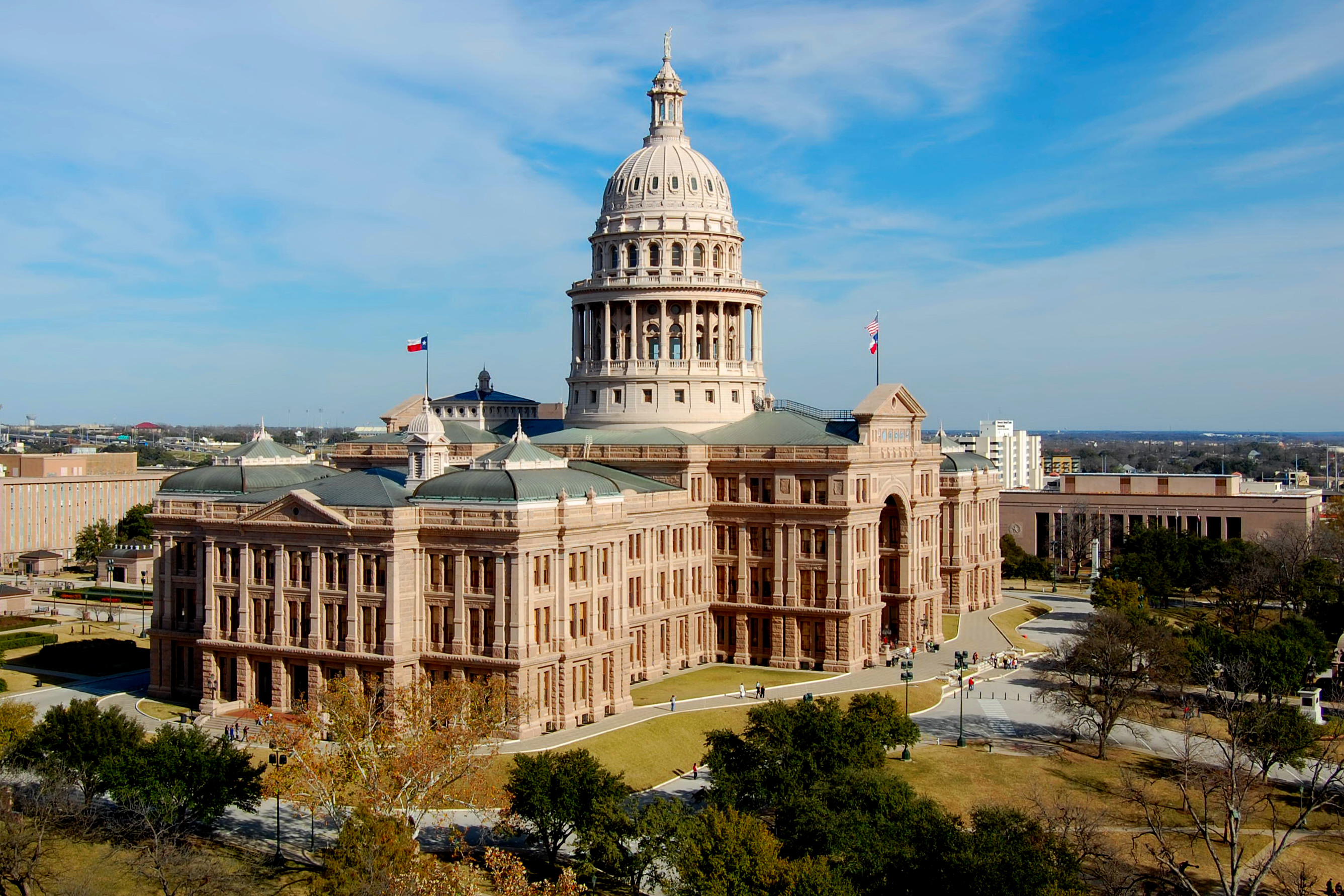
The Texas State Capitol Building
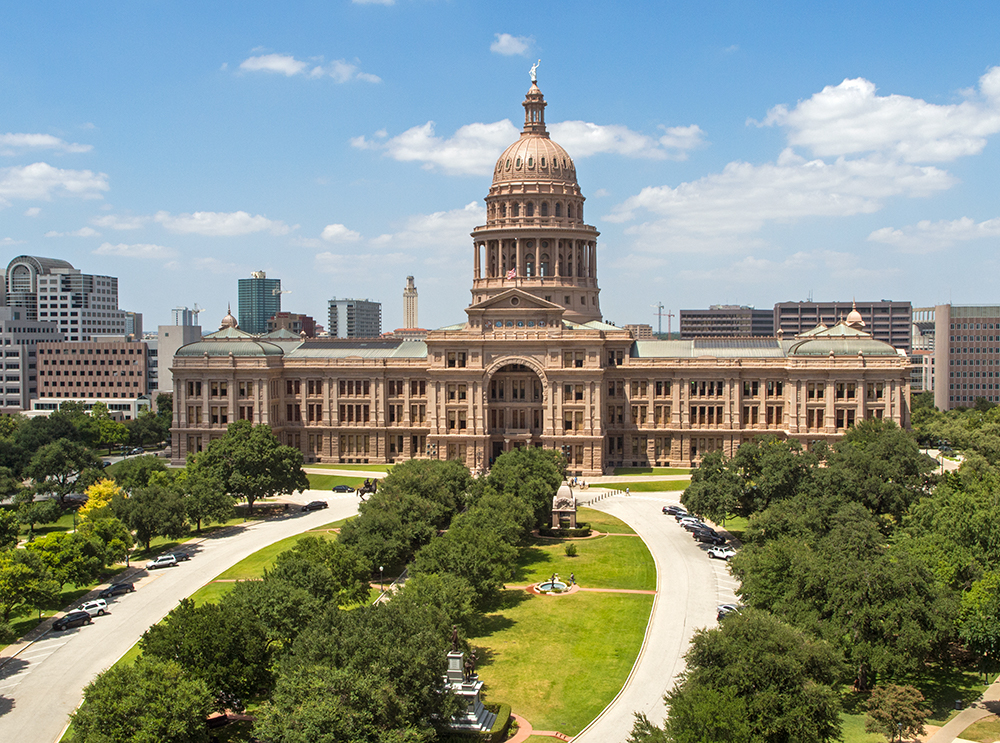
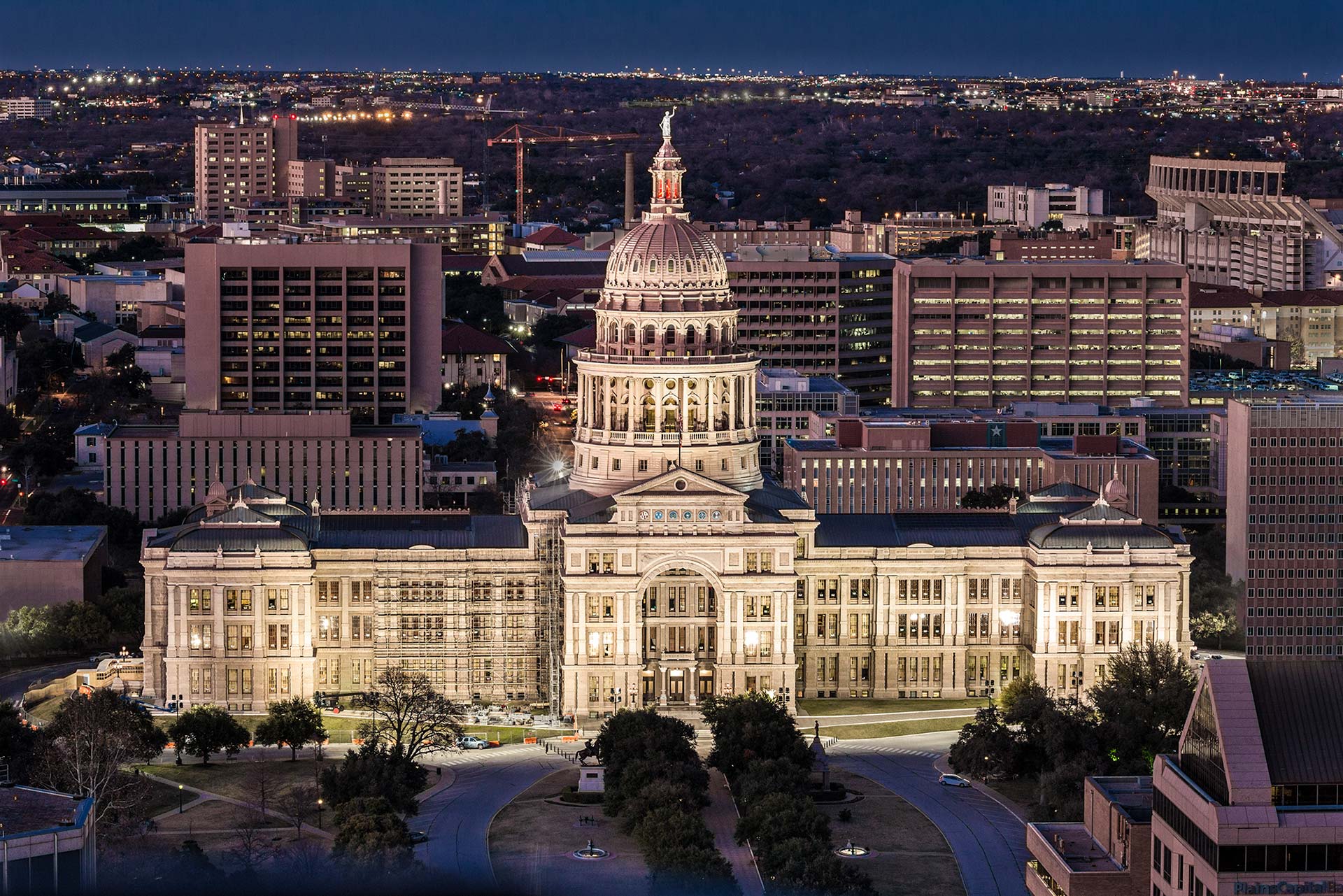
Dominating the skyline of downtown Austin is the magnificent Texas State Capitol Building. This iconic landmark is not merely an administrative center; it is a testament to the state’s ambition and grandeur. Modeled after the United States Capitol Building in Washington, D.C., the Texas State Capitol Building stands taller than its national counterpart, a proud declaration of Texas pride. Constructed from locally sourced granite, its impressive dome, topped with a striking star, is visible from miles around.
Architectural Grandeur and Historical Significance
The Texas State Capitol Building was completed in 1888 and is renowned for its stunning Renaissance Revival architecture. Visitors can explore its opulent interiors, which feature ornate details, intricate woodwork, and expansive halls that echo with the history of Texas governance. Guided tours offer insights into the legislative process, the history of Texas politicians, and the architectural marvels of the building. The surrounding Capitol Grounds, meticulously landscaped, offer a serene escape and are home to numerous statues and monuments commemorating significant figures and events in Texas history, including the Spirit of Texas statue and memorials to Texas veterans. The building itself is a living monument, housing the offices of the Governor, the Texas Legislature, and various state agencies. Its presence is a constant reminder of the state’s enduring legacy and its commitment to self-governance.
The Vibrant Cultural Fabric of Austin
Beyond its governmental functions, Austin has blossomed into a global hub for music, technology, and a distinct counter-cultural ethos. Dubbed the “Live Music Capital of the World,” the city pulsates with an eclectic and energetic music scene that is deeply ingrained in its identity. From intimate dive bars to grand concert halls, live music venues are scattered throughout the city, offering a diverse range of genres that reflect the multicultural influences of Texas.
Live Music and Entertainment
The legendary South Congress Avenue is a prime example of Austin’s vibrant entertainment landscape. Here, iconic venues like the Continental Club and the Broken Spoke have hosted legendary performers and continue to be cornerstones of the local music scene. The annual South by Southwest (SXSW) festival, a massive convergence of music, film, and interactive media, has further cemented Austin’s reputation as a global epicenter for creativity and innovation. The city also boasts a thriving arts community, with numerous galleries, theaters, and public art installations that contribute to its unique bohemian charm.
Culinary Delights and Local Flavors
Austin’s culinary scene is as diverse and exciting as its music. The city is a mecca for barbecue enthusiasts, with renowned establishments serving up slow-smoked brisket, ribs, and sausage that are a quintessential Texas experience. Food trucks are another integral part of Austin’s gastronomic identity, offering an array of global cuisines and local specialties from every corner of the city. From gourmet tacos to inventive fusion dishes, the food truck culture provides a casual yet high-quality dining experience that perfectly complements Austin’s laid-back atmosphere. The city also embraces farm-to-table dining, with many restaurants sourcing ingredients from local farms and producers, further highlighting its commitment to fresh, seasonal fare.
Exploring Austin’s Natural Beauty and Recreational Opportunities
While Austin is a bustling metropolis, it also offers abundant opportunities to connect with nature and enjoy outdoor recreational activities. The city is dotted with parks, trails, and green spaces that provide a welcome respite from urban life.
Zilker Park and Barton Creek Greenbelt
Perhaps the most cherished green space in Austin is Zilker Park. This expansive urban park is home to the iconic Barton Springs Pool, a natural spring-fed swimming pool that maintains a refreshing temperature year-round. Zilker Park also hosts numerous events and festivals, including the annual Austin City Limits Music Festival. Adjacent to Zilker Park is the Barton Creek Greenbelt, a 7.25-mile-long nature preserve offering miles of hiking and biking trails, swimming holes, and rock climbing opportunities. This natural oasis allows residents and visitors alike to immerse themselves in the rugged beauty of the Texas Hill Country.
Lady Bird Lake and Outdoor Adventures
A prominent feature of the Austin landscape is Lady Bird Lake, formerly known as Town Lake. This reservoir on the Colorado River runs through the heart of the city and is a popular spot for kayaking, paddleboarding, sailing, and other water sports. A 10-mile paved trail, the Ann and Roy Butler Hike-and-Bike Trail, encircles the lake, providing a scenic route for runners, cyclists, and walkers to enjoy the city’s skyline and natural surroundings. The bats that emerge from under the Congress Avenue Bridge each evening during the warmer months are another unique natural spectacle that draws crowds and showcases Austin’s connection to the natural world.
Why Austin Stands Out as the Capital
Austin’s selection and continued role as the capital of Texas is a testament to its strategic importance, historical legacy, and its unique ability to blend governance with an innovative and vibrant cultural spirit. It is a city that is constantly evolving, yet always rooted in its core values of independence, creativity, and a commitment to progress. As visitors explore the vastness of Texas, understanding the significance of Austin as its capital provides a crucial lens through which to appreciate the state’s political structure, its historical narrative, and its dynamic contemporary culture. It is a city that embodies the “Keep Austin Weird” motto, a slogan that encapsulates its individuality and its dedication to fostering an environment of diverse thought and expression, all while serving as the proud governmental heart of the great state of Texas.
LifeOutOfTheBox is a participant in the Amazon Services LLC Associates Program, an affiliate advertising program designed to provide a means for sites to earn advertising fees by advertising and linking to Amazon.com. Amazon, the Amazon logo, AmazonSupply, and the AmazonSupply logo are trademarks of Amazon.com, Inc. or its affiliates. As an Amazon Associate we earn affiliate commissions from qualifying purchases.