
The iconic landscapes of California have long captivated travelers from around the globe. From the sun-drenched beaches of Malibu to the majestic granite cliffs of Yosemite National Park, and the world-renowned vineyards of Napa Valley, the Golden State offers an unparalleled tapestry of experiences. However, beneath this picturesque veneer lies a growing concern that profoundly impacts not only the environment and local communities but also the vibrant tourism industry that is so crucial to the state’s economy. California wildfires have become an increasingly frequent and devastating phenomenon, transforming pristine natural areas into charred landscapes, disrupting travel plans, and casting a shadow over the very attractions that draw millions of visitors annually. Understanding the multifaceted causes of these fires is not merely an academic exercise; it is essential for responsible travel planning, supporting affected regions, and fostering sustainable tourism practices. For those dreaming of exploring California’s diverse offerings, comprehending the origins and impacts of these fires is a vital step in navigating this beautiful but sometimes vulnerable destination.
Unraveling the Complexities: Natural and Human Factors Behind California’s Wildfires
The narrative surrounding California wildfires is often simplified, but the reality is a complex interplay of environmental conditions, meteorological phenomena, and human activities. It’s a story deeply rooted in the state’s unique geography and increasingly influenced by global climate patterns. For travelers planning their next adventure, recognizing these underlying factors provides crucial context for understanding fire season warnings, national park closures, and the importance of eco-conscious travel choices.
The Environmental Tapestry: Climate Change and Natural Vulnerabilities
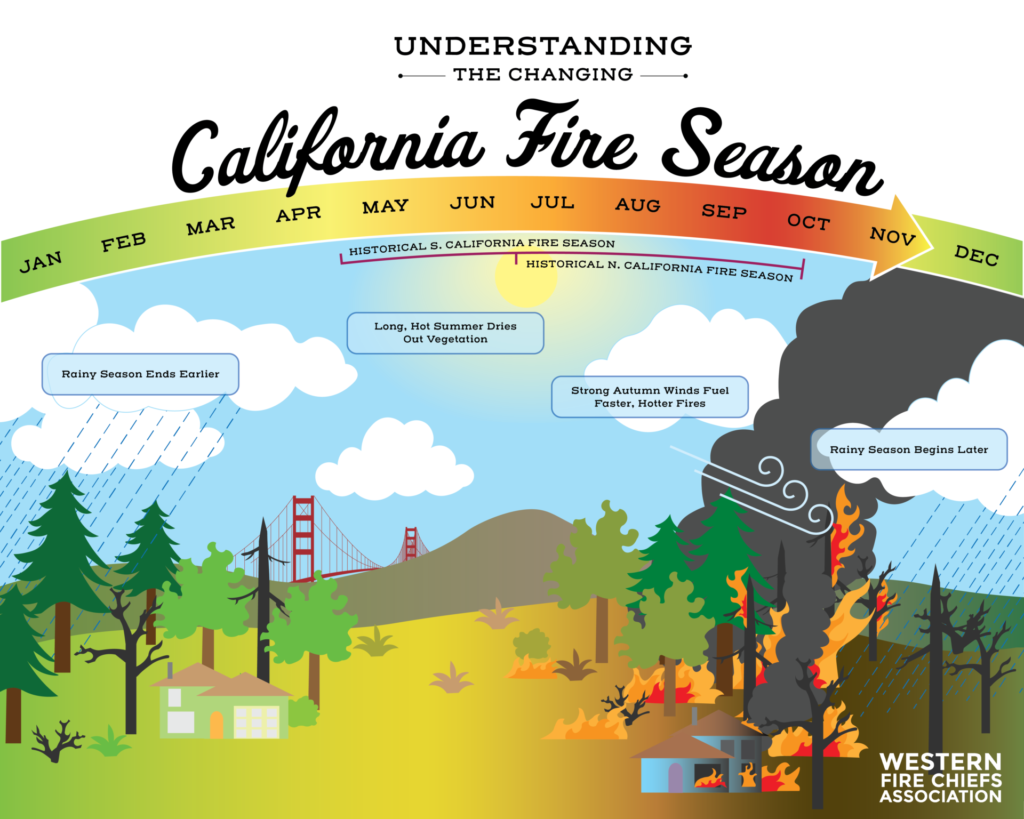
California possesses a Mediterranean climate, characterized by hot, dry summers and mild, wet winters. This natural cycle, combined with the state’s diverse topography, creates an inherent predisposition to wildfires. However, recent decades have seen an alarming escalation in the intensity and frequency of these events, largely attributable to the accelerating impacts of climate change.
One of the most significant environmental drivers is prolonged and severe drought. Multi-year droughts starve vegetation of moisture, turning dense forests, chaparral, and grasslands into vast expanses of tinder. Trees, weakened by water stress, become more susceptible to disease and insect infestations, further increasing the amount of dead and dying fuel. This directly affects the visual appeal of many natural landmarks and attractions, from the Sierra Nevada mountains to coastal scrublands, potentially altering the very experiences travelers seek.
Adding to this vulnerability are the infamous Santa Ana winds, particularly prevalent in Southern California. These strong, dry, downslope winds sweep from the interior deserts towards the coast, rapidly drying out vegetation and fanning even small embers into raging infernos. The Santa Ana winds are a meteorological marvel, often creating crystal-clear skies but simultaneously elevating fire risk to extreme levels. Understanding their patterns is crucial for any traveler considering destinations like Los Angeles or San Diego during the late summer and fall.
The very flora that makes California unique also contributes to fire risk. The state is home to highly flammable ecosystems like chaparral and various conifer forests. Chaparral, with its dense, resinous shrubs, is adapted to fire and can burn intensely. Forest ecosystems, particularly after decades of fire suppression that allowed fuel to accumulate, now face catastrophic blazes. Iconic sites like Joshua Tree National Park or Redwood National Park are delicate balances of natural beauty and ecological fire dynamics, and understanding these intrinsic properties helps foster a deeper appreciation for their preservation. The increasing duration of the fire season, now stretching almost year-round in some areas, is a stark indicator of these climate-driven shifts, impacting when and how visitors can safely enjoy California’s natural wonders.
The Human Element: Infrastructure, Ignition, and Land Management
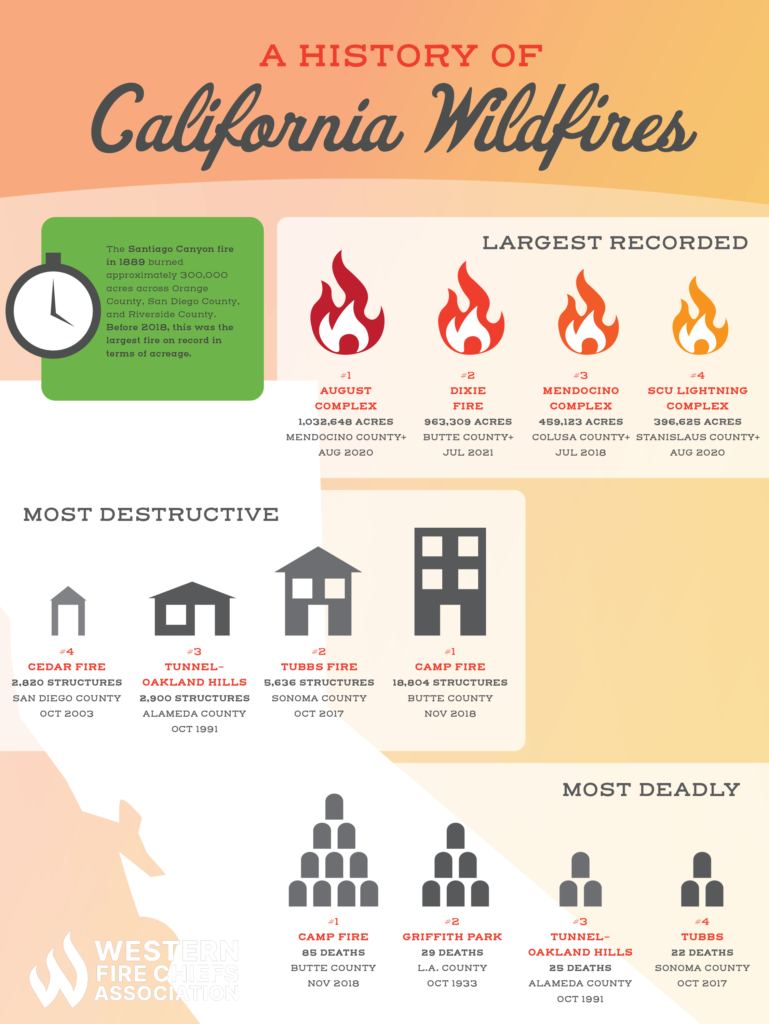
While natural factors set the stage, human activities are frequently the catalysts for ignition. In a state as populous and developed as California, the urban-wildland interface—where human development meets undeveloped natural land—is vast and complex, creating numerous opportunities for fires to start and spread.
One of the most widely reported human causes involves power lines and electrical infrastructure. Deteriorating equipment, often located in high-risk fire zones, can spark blazes, especially during high winds. Utility companies are investing billions in upgrades, undergrounding lines, and implementing public safety power shutoffs, but the risk remains significant. These incidents often highlight the delicate balance between providing essential services and protecting vulnerable communities and landscapes.
Beyond infrastructure, simple human carelessness accounts for a substantial percentage of wildfires. Discarded cigarettes, unattended campfires, sparks from vehicle exhausts, faulty equipment, agricultural burns gone awry, and even celebratory fireworks can quickly ignite dry vegetation. These preventable ignitions underscore the importance of visitor awareness and adherence to fire safety regulations, particularly when exploring popular outdoor destinations or camping in national forests. Every traveler becomes a steward of the environment, and knowledge of local fire restrictions, easily found via tourism boards and park websites, is paramount.
Finally, historical land management practices have inadvertently contributed to the severity of modern fires. Decades of aggressive fire suppression, while protecting communities in the short term, allowed combustible material to build up on forest floors. This “fuel load” now means that when fires do ignite, they burn hotter and are much harder to control. Modern approaches, including prescribed burns and thinning projects, aim to restore a healthier fire ecology, but these efforts are slow and complex. These historical decisions highlight the ongoing challenge of balancing human safety, ecological health, and the preservation of natural landmarks for future generations of travelers. For those interested in eco-tourism, understanding these complex land management issues offers a deeper insight into California’s environmental challenges.

The Far-Reaching Impact on California’s Tourism and Travel Industry
The causes of California fires are intrinsic to its landscape and human activity, but their consequences ripple far beyond the immediate burn scars. For the travel and tourism industry, these fires represent a significant disruption, affecting everything from iconic landmarks and local economies to the very perception of California as a premier destination.
Disrupted Destinations and Affected Attractions
Wildfires directly threaten many of California’s most cherished destinations and attractions. National and State Parks are frequently impacted, leading to widespread closures. For instance, sections of Yosemite National Park have been temporarily closed due to fires or smoke, affecting access to popular trails and viewpoints. Similarly, areas around Lake Tahoe, a jewel of the Sierra Nevada, have experienced significant smoke infiltration and evacuation orders, deterring visitors seeking its pristine waters and alpine activities. Even remote wilderness areas popular with hikers and campers, such as parts of the Pacific Ocean coastline around Big Sur, can be cut off by fire-related road closures.
Beyond these natural landmarks, agricultural and wine regions like Napa Valley and Sonoma County face unique challenges. While fires don’t always destroy vineyards, smoke taint can devastate an entire vintage, impacting wineries, restaurants, and the associated tourism infrastructure. The air quality itself, even miles from an active blaze, can become unhealthy, forcing the cancellation of outdoor events, reducing sightseeing opportunities, and diminishing the overall travel experience in urban centers like San Francisco or Sacramento. Travelers expecting clear skies for a visit to the Golden Gate Bridge or an amusement park like Disneyland might find their experience diminished by hazy conditions or lingering ash. These disruptions aren’t just inconveniences; they represent significant economic blows to regions heavily reliant on visitor spending.
Hotels, Accommodation, and the Local Economy
The impact on accommodation providers is immediate and severe. Hotels, resorts, apartments, and villas in affected zones face mass cancellations, sometimes for weeks or even months. Revenue plummets, and local businesses—from boutique shops to restaurants and tour operators—suffer from the sudden absence of tourists. This has cascading effects on local employment, impacting staff who rely on the travel season for their livelihoods.
However, hotels also play a vital role in times of crisis. Many properties step up to become temporary shelters for evacuees, offering discounted rates or even free rooms to those displaced. This shift from serving leisure travelers to providing humanitarian aid highlights the resilience and community spirit within the hospitality sector. For travelers, understanding this dynamic emphasizes the importance of checking local advisories and booking policies. Flexible cancellation options become a crucial amenity in unpredictable times. The accommodation industry in California often finds itself navigating a delicate balance, from attracting luxury travel to providing essential services, all while adapting to the realities of a changing climate. Furthermore, the long-term impact on property values and insurance costs can affect future investment in new resorts or boutique hotels, subtly reshaping the tourism landscape.
Navigating California: Tips for Responsible Travelers During Fire Season
Given the ongoing reality of wildfires in California, prospective travelers might wonder how to plan a safe, enjoyable, and responsible trip. The key lies in informed decision-making and embracing sustainable practices that support both community resilience and environmental stewardship.
Planning Ahead and Staying Informed
Thorough preparation is paramount when considering travel to California, especially during the traditional fire season from late summer through fall. The first step is to stay informed through official and reputable sources. Websites for the California Office of Emergency Services (CalOES), Cal Fire, and the National Weather Service provide real-time updates on active fires, containment levels, and air quality advisories. Apps like AirNow.gov can offer crucial insights into local air quality, which can fluctuate rapidly.
Before departure and even during your trip, check road conditions and park closures. Websites for specific national parks (Yosemite National Park, Joshua Tree National Park, Death Valley National Park, etc.) and Caltrans (for state highway information) will have the most current information. A planned scenic drive along Highway 1 through Big Sur, for instance, could be impacted by closures or evacuations.
When booking accommodations and experiences, opt for providers with flexible cancellation policies. Many hotels and resorts in California understand the unpredictability of fire season and offer options that allow changes or refunds if conditions necessitate. Consider travel insurance that covers fire-related disruptions, especially if you’re investing in a luxury travel experience or a longer-term stay. Finally, always have an emergency plan: know evacuation routes, keep your phone charged, and pack a small ‘go-bag’ with essentials, even if you don’t anticipate needing it. Being prepared enhances your safety and allows for a more relaxed trip.
Supporting Resilience and Sustainable Travel Practices
Responsible tourism goes beyond simply avoiding danger; it involves actively supporting the communities and ecosystems that make California such a captivating destination.
When traveling, choose destinations that are open and safe, and respect all official advisories. If a national park or landmark is closed, avoid it. Venturing into restricted areas not only puts you at risk but also strains emergency resources. Once a region has recovered from a fire, consider visiting to help boost its local economy. Your spending on hotels, local food, and activities can be vital to their rebuilding efforts. This form of “regenerative tourism” allows travelers to contribute positively to the places they visit.
Embrace eco-tourism and leave-no-trace principles throughout your trip. This includes being mindful of potential ignition sources. Adhere strictly to campfire regulations—better yet, avoid campfires altogether during dry periods. Ensure vehicles are properly maintained to prevent sparks. Dispose of all waste responsibly and never flick cigarette butts. If you are interested in outdoor activities, inquire about fire-safe camping practices or choose alternative activities like guided hikes or visits to urban attractions during peak fire season.
Consider supporting organizations dedicated to wildfire prevention, relief, and ecological restoration. A small donation to groups working to reforest burned areas or assist affected communities can be a meaningful way to contribute beyond your direct travel spending. By making conscious choices, travelers can help foster a more resilient California. This approach aligns with the growing trend of mindful travel, where experiences are not just consumed but are also a part of a larger effort to preserve the beauty and culture of destinations for future generations. Whether it’s a family trip or a solo adventure, every visitor holds the power to make a difference.
The question “What Is The Cause Of The California Fire?” leads us down a path of understanding intricate environmental processes, human impacts, and the profound effects on a state celebrated for its diversity and natural splendor. While the threat of wildfires is a serious concern, it should not deter responsible travelers from experiencing California’s magic. By understanding the causes, staying informed, and practicing conscious tourism, visitors can not only ensure their safety but also play an active role in supporting the resilience and recovery of this extraordinary destination. California remains a dream destination, and with thoughtful planning, it can continue to offer unforgettable experiences for all.
LifeOutOfTheBox is a participant in the Amazon Services LLC Associates Program, an affiliate advertising program designed to provide a means for sites to earn advertising fees by advertising and linking to Amazon.com. Amazon, the Amazon logo, AmazonSupply, and the AmazonSupply logo are trademarks of Amazon.com, Inc. or its affiliates. As an Amazon Associate we earn affiliate commissions from qualifying purchases.