
A trip to Hawaii is a bucket-list dream for travelers across the United States and the world. Positioned in the heart of the Pacific Ocean, this archipelago offers a unique blend of volcanic landscapes, lush rainforests, and world-class beaches. However, the reputation of the islands as an expensive destination is well-earned. For those embracing the lifestyle of budget travel, the primary question isn’t just where to go, but when to go. Identifying the cheapest month to visit can result in savings of thousands of dollars on airfare and lodging, making a tropical escape significantly more accessible.
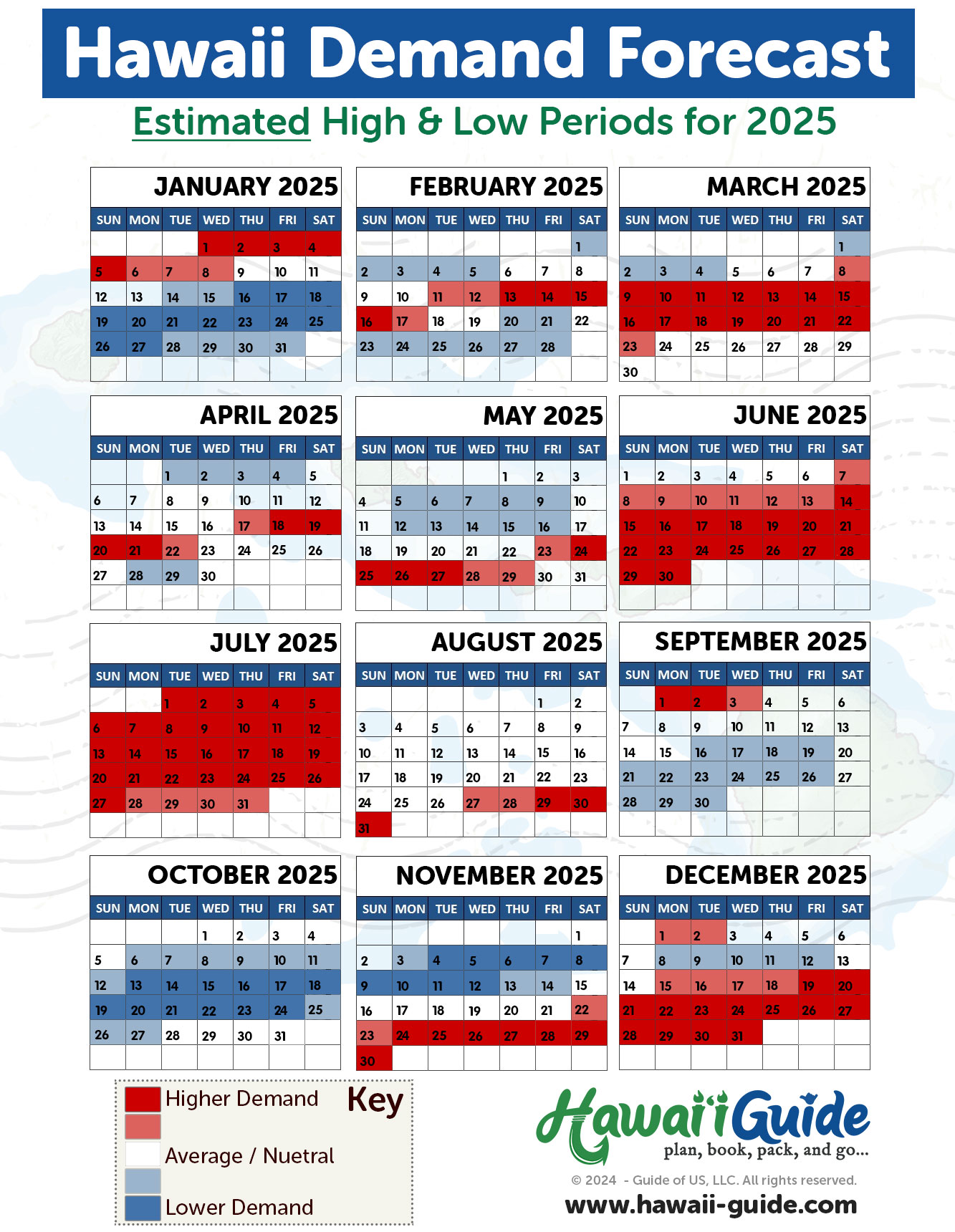
The Seasonal Economics of Hawaiian Travel
Understanding the pricing fluctuations in the islands requires a look at the “High” and “Low” seasons. Unlike many destinations that have a clear off-season due to harsh weather, the weather in the islands remains relatively pleasant year-round. Instead, price shifts are driven largely by the school calendar and holiday traditions in the mainland.
The Impact of the Shoulder Season
The most affordable times to visit are during the “shoulder seasons.” These periods fall between the peak winter rush—when travelers flee the cold of the mainland—and the summer rush—when families take advantage of school breaks. Statistically, the cheapest months to visit Hawaii are September, October, and November (excluding the week of Thanksgiving), as well as April and May (excluding the period around Easter and Spring Break).
During these months, demand for flights into Daniel K. Inouye International Airport in Honolulu drops significantly. Major carriers often slash prices to fill seats, and hotel occupancy rates dip, leading to aggressive promotional offers. If your lifestyle allows for flexibility, targeting these specific windows is the single most effective way to reduce the overall cost of your trip.
Analyzing Flight Trends and Booking Windows
Airfare typically constitutes the largest upfront expense for a budget-conscious traveler. While September is often cited as the absolute cheapest month for flights, February can also offer surprising deals once the New Year’s crowds have dissipated. To secure the lowest rates, experts suggest monitoring flights to various entry points, such as Kahului Airport on Maui or Lihue Airport on Kauai, rather than just focusing on the capital.
The Autumn Window: September to November
September is widely considered the “golden month” for budget travel in the islands. As the school year begins across the United States, the influx of families slows to a trickle. This creates a surplus of inventory in everything from rental cars to luxury suites.
Why September Wins for Budget Travelers
In September, the weather remains hot and the ocean temperatures are at their warmest. While it marks the beginning of the transition toward the wetter season, the rainfall is usually minimal and localized. From a lifestyle perspective, visiting during this time allows you to experience iconic spots like Waikiki or the North Shore without the suffocating crowds.
Lower demand in September also means that popular excursions, such as visiting the Polynesian Cultural Center or snorkeling at the Hanauma Bay Nature Preserve, are easier to book and occasionally available at discounted “kama’aina” (local) or off-peak rates. Even high-end resorts like the Hilton Hawaiian Village Waikiki Beach Resort or the Sheraton Waikiki often release special packages during this window to maintain their occupancy.
Navigating October and November
October follows closely behind September in terms of value. The primary exception is the period surrounding the Ironman World Championship in Kailua-Kona, which can cause a temporary spike in prices on the Big Island.
November offers excellent deals during the first two weeks. However, prices skyrocket as Thanksgiving approaches. If you can schedule your departure by the 15th of November, you can enjoy the lushness of the islands following the early autumn rains while keeping your budget intact. This is an ideal time to explore nature-heavy attractions like Haleakala National Park or the Hawaii Volcanoes National Park before the winter swells bring in the professional surfing crowds.
The Spring Sweet Spot: April and May
The second most affordable window occurs in the late spring. After the chaos of Spring Break and before the graduation season begins, Hawaii enters a period of calm and affordability.
The Post-Easter Price Drop

Late April and most of May offer a perfect balance of beautiful weather and lower costs. This is the time when the famous trade winds provide a cooling breeze, and the whale watching season is just winding down, sometimes leading to last-minute deals on boat tours leaving from Maui.
For travelers interested in luxury lifestyle experiences at a fraction of the cost, this is the time to look at properties like the Grand Hyatt Kauai Resort and Spa or Aulani, A Disney Resort & Spa. These resorts often participate in “fourth night free” promotions during the spring to entice travelers during the lull between major holidays.
Strategic Planning for Golden Week
One caveat for spring travel is “Golden Week,” a period in late April and early May when several Japanese holidays coincide. Since Hawaii is a premier destination for travelers from Japan, this can lead to an increase in hotel prices and reduced availability in Honolulu. Budget travelers should check these dates annually to ensure their trip doesn’t overlap with this specific surge in international tourism.
Choosing the Right Island for Your Budget
While the month of travel is critical, the specific island you choose also dictates your daily expenditure. Each island has its own economic ecosystem, and a budget lifestyle looks different on Oahu than it does on Lanai.
Oahu: The Most Affordable Island
Oahu is generally the cheapest island to visit regardless of the month. Because it hosts the largest airport, competition between airlines keeps ticket prices low. The abundance of public transportation, known as “TheBus,” allows travelers to skip expensive rental cars and still reach landmarks like Diamond Head State Monument or the Pearl Harbor National Memorial.
Additionally, Honolulu offers the widest range of food options, from high-end dining to affordable “plate lunches” found in local neighborhoods like Kalihi. Shopping for groceries at local markets rather than tourist-centric convenience stores in Waikiki can further stretch a budget.
The Neighbor Islands: Maui, Kauai, and the Big Island
Maui is often the most expensive island, with high costs for both accommodation and dining. However, visiting in September can make even Maui accessible. Budget travelers on Maui often focus on free natural wonders like the Road to Hana.
The Big Island offers a unique value proposition. Because it is so large, travelers can find more affordable lodging in Hilo compared to the resort-heavy Kona side. Kauai remains a mid-range option, where the main costs are associated with activities like helicopter tours of the Na Pali Coast State Park or hiking through Waimea Canyon State Park. By choosing a cheaper month and a more affordable island, the cumulative savings are substantial.
Lifestyle Tips for Reducing On-Island Costs
Finding the cheapest month is only half the battle; maintaining a budget lifestyle once you land is the other half. Even in the low season, “tourist traps” can quickly drain your funds.
Transportation and Dining Strategies
Rental cars are a notorious expense in Hawaii. In the cheapest months, such as September or February, rental agencies often have excess inventory, leading to lower daily rates. It is also worth investigating peer-to-peer car-sharing apps, which can be significantly cheaper than traditional agencies at the Ellison Onizuka Kona International Airport or other island hubs.
For dining, the best way to save is to eat like a local. Food trucks and farmers’ markets are prevalent on all islands, including Molokai and Lanai. Choosing a rental with a kitchenette allows you to prepare breakfast and dinner, saving your budget for a nice lunch out or a specific activity you’ve been looking forward to.
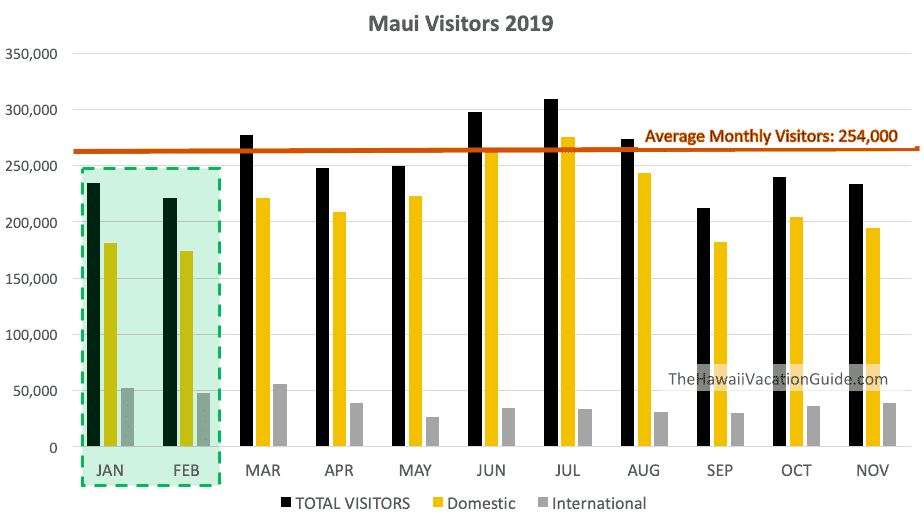
Embracing Free and Low-Cost Activities
The greatest draw of the islands is the natural beauty, much of which is free. Hiking the trails of the Big Island, swimming at the public beaches of Maui, or exploring the historic streets of Honolulu doesn’t cost a dime. Many cultural sites offer free or low-cost entry, and the experience of watching a sunset over the Pacific Ocean is a luxury that requires no admission fee.
By aligning your travel dates with the low-demand months of September, October, or May, you open the door to a lifestyle where a Hawaii vacation is not an unreachable luxury, but a well-planned reality. With strategic timing and a focus on local experiences, the islands become an affordable paradise for any dedicated traveler.
LifeOutOfTheBox is a participant in the Amazon Services LLC Associates Program, an affiliate advertising program designed to provide a means for sites to earn advertising fees by advertising and linking to Amazon.com. Amazon, the Amazon logo, AmazonSupply, and the AmazonSupply logo are trademarks of Amazon.com, Inc. or its affiliates. As an Amazon Associate we earn affiliate commissions from qualifying purchases.