
Understanding local time zones is a fundamental aspect of seamless travel and successful business, and when it comes to the vibrant metropolis of Chicago, knowing “What is the Chicago time?” is more than just a trivial fact. It’s a cornerstone for planning every detail of your visit, from coordinating flight arrivals and hotel check-ins to scheduling business meetings, exploring world-class attractions, and immersing yourself in the city’s dynamic lifestyle. Whether you’re a leisure traveler eager to soak in the cultural richness, a business professional attending a conference, or someone considering a longer stay, grasping Chicago’s time zone ensures a smooth, stress-free, and thoroughly enjoyable experience.
Chicago operates within the Central Time Zone (CT), a designation that shifts between Central Standard Time (CST) and Central Daylight Time (CDT) depending on the season. This seemingly simple piece of information underpins countless decisions that will shape your itinerary and overall perception of the Windy City (a nickname for Chicago). For global travelers, understanding this difference becomes even more critical for managing jet lag and maintaining communication with home. For local residents and frequent visitors, it’s the rhythm by which life unfolds, dictating everything from morning commutes to evening entertainment schedules. This comprehensive guide will delve into the intricacies of Chicago time, offering practical insights and tips to enhance your travel, accommodation, tourism, and lifestyle experiences in this iconic American city.
Understanding Chicago’s Time Zone: Central Standard Time (CST)
Chicago falls squarely within the geographical and chronological bounds of the Central Time Zone, making it a key reference point for a significant portion of the United States. This zone, often abbreviated as CT, dictates the daily schedule for millions and plays a crucial role in national logistics, communication, and commerce. Understanding the nuances of CT, particularly its shift between standard and daylight saving, is essential for anyone interacting with Chicago on any level.
A Deep Dive into CST and CDT
The Central Time Zone primarily observes two distinct timings throughout the year: Central Standard Time (CST) and Central Daylight Time (CDT).
- Central Standard Time (CST): This is the baseline time, observed during the autumn and winter months. CST is six hours behind Coordinated Universal Time (UTC-6). This means that when it’s 12:00 PM (noon) UTC, it’s 6:00 AM in Chicago during CST.
- Central Daylight Time (CDT): As spring arrives, Chicago and most areas observing CT switch to Central Daylight Time. CDT is five hours behind Coordinated Universal Time (UTC-5). This adjustment pushes the clock forward by one hour, effectively “springing forward” to make better use of longer daylight hours. When it’s 12:00 PM UTC, it’s 7:00 AM in Chicago during CDT.
The transition to Daylight Saving Time (DST) typically occurs on the second Sunday in March, when clocks are moved forward one hour. The return to Central Standard Time happens on the first Sunday in November, when clocks are “fallen back” by one hour. This seasonal shift is a critical consideration for travelers, as it can affect everything from flight schedules to museum opening times. Always double-check the current time and ensure your devices automatically update to avoid any missteps.
Geographical Context and Global Connections
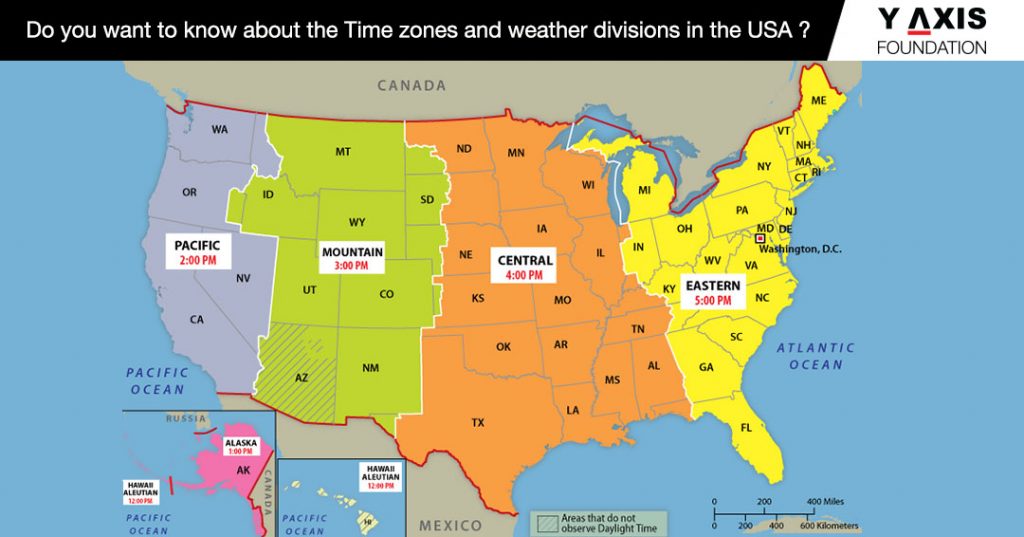
The Central Time Zone encompasses a broad swathe of the United States and parts of Canada and Mexico. Within the U.S., states entirely or partially within CT include Illinois, Wisconsin, Michigan (western parts), Indiana (western parts), Missouri, Iowa, Minnesota, Arkansas, Louisiana, Mississippi, Alabama, Kansas, Nebraska, Oklahoma, North Dakota, South Dakota, and Texas. Additionally, parts of Kentucky and Tennessee also observe Central Time.
For travelers, particularly those arriving from outside the Central Time Zone, these differences are significant.
- Travelers from the Eastern Time Zone (e.g., New York City, Miami) will need to set their clocks back one hour upon arrival in Chicago.
- Those coming from the Mountain Time Zone (e.g., Denver) will move their clocks forward one hour.
- Visitors from the Pacific Time Zone (e.g., Los Angeles, San Francisco) will experience a two-hour jump forward.
International travelers face even larger adjustments. For instance:
- London is typically 6 hours ahead of Chicago (during CDT) or 7 hours (during CST).
- Paris is 7 or 8 hours ahead.
- Tokyo is a significant 14 hours ahead of Chicago (CDT) or 15 hours ahead (CST).
- Sydney, Australia, can be 15 or 16 hours ahead, depending on the season and daylight saving variations in both locations.

These significant time differences necessitate careful planning, especially when coordinating international calls or managing potential jet lag. Being aware of the global time relationships allows you to better prepare for your journey and ensure seamless communication with those back home.
Navigating Chicago Time as a Traveler
For any traveler, time is a precious commodity, and understanding Chicago time is paramount to making the most of every moment. From the instant you land until your final departure, time management influences your convenience, comfort, and the depth of your experiences.
Planning Your Arrival and Departure
The journey begins and ends with transportation. When booking flights into or out of Chicago’s major hubs like O’Hare International Airport (ORD) or Midway International Airport (MDW), all times listed will be in local Chicago time. It’s crucial to cross-reference these with your departure time zone to avoid any confusion. An early morning flight from the East Coast might feel later once you land in Chicago due to the one-hour time difference, impacting your energy levels for initial activities.
Upon arrival, your accommodation awaits. Standard check-in times at most hotels, suites, and apartments in Chicago typically begin in the afternoon, often around 3:00 PM or 4:00 PM local time. If your flight lands in the morning, consider if you’ll need to arrange for early check-in or if you’ll store your luggage and explore until your room is ready. Similarly, check-out times are usually around 11:00 AM or 12:00 PM. If you have a late flight, inquire about late check-out options or luggage storage services. Luxury establishments like The Langham Chicago, Four Seasons Hotel Chicago, or The Peninsula Chicago are often flexible with such requests, but it’s always best to confirm in advance. Efficient planning around these times can save you valuable hours and eliminate unnecessary stress.
Maximizing Your Itinerary: Attractions and Dining
Chicago boasts an incredible array of landmarks, museums, and culinary delights. To make the most of your tourism experience, always factor in local time for opening hours and reservation windows. Popular attractions like the Art Institute of Chicago, Shedd Aquarium, and Field Museum generally operate from mid-morning to late afternoon or early evening. Many, especially during peak season, require timed entry tickets that must be booked in advance, strictly adhering to Chicago time. Missing your slot due to a time zone miscalculation can be a frustrating setback.
Iconic observation decks such as Skydeck Chicago at Willis Tower and 360 CHICAGO Observation Deck at 875 North Michigan Avenue often have extended evening hours, providing breathtaking sunset views over the city skyline. Planning your visit for these times requires precise scheduling. Even open-air attractions like Millennium Park, home to the famous Cloud Gate (aka “The Bean”), while accessible throughout the day, may have specific times for special events or performances. Navy Pier also has varying hours for its attractions and shops.
Chicago’s culinary scene is world-renowned, from deep-dish pizza at Giordano’s to Michelin-starred dining experiences at establishments like Alinea. Reservations, especially for dinner, are often essential and can book up weeks or months in advance. Dinner times in Chicago typically range from 6:00 PM to 9:00 PM. Lunch is usually between 12:00 PM and 2:00 PM, and breakfast can be as early as 7:00 AM. Always make your reservations with Chicago time in mind to secure your spot at the city’s best eateries.
Business Travel and Meetings in the Windy City
Chicago is a major global business hub, home to numerous corporate headquarters, financial institutions, and massive convention centers like McCormick Place. For business travelers, punctuality is paramount. All meetings, conference schedules, and event timings will adhere strictly to Central Time.
When coordinating with colleagues or clients in different time zones, clear communication about time differences is crucial. For instance, a 9:00 AM meeting in Chicago would be 10:00 AM for someone on the East Coast and 7:00 AM for someone on the West Coast. International calls require even more meticulous planning to avoid inconvenient hours. Many business professionals use time zone converter apps to streamline this process, ensuring that everyone is on the same page. Beyond meetings, adhering to local time for networking events, business dinners, and early morning client presentations can set the tone for successful interactions and a productive trip.

Lifestyle and Leisure: Embracing Chicago’s Rhythms
Beyond the structured world of travel itineraries and business meetings, Chicago time defines the everyday rhythms of life and the city’s vibrant leisure scene. Embracing these local timings allows visitors to truly integrate into the Chicagoan lifestyle, maximizing enjoyment of both planned activities and spontaneous explorations.
From Morning Commute to Evening Entertainment
A typical weekday in Chicago kicks off with bustling morning commutes, often starting before 7:00 AM, as residents utilize the efficient CTA ( Chicago Transit Authority) train and bus lines. Coffee shops like Intelligentsia Coffee fill up quickly, serving early risers and those heading to work. If you plan to use public transport during peak hours, factor in extra travel time.
As the day progresses, lunch breaks typically fall between 12:00 PM and 1:30 PM. Afternoons are for work or exploration, leading into the lively evening hours. Chicago’s entertainment scene truly comes alive after 5:00 PM. Theater performances, whether it’s a Broadway in Chicago show or a local production, usually begin between 7:00 PM and 8:00 PM. Live music venues, from blues clubs like Buddy Guy’s Legends to larger concert halls, often have doors opening around 7:00 PM or 8:00 PM, with performances starting later.
Sports enthusiasts will find games typically kick off in the evening on weekdays. Catching a Chicago Cubs game at Wrigley Field or a Chicago White Sox game at Guaranteed Rate Field usually means a 7:00 PM start. For basketball with the Chicago Bulls or hockey with the Chicago Blackhawks at the United Center, games often begin around the same time. Understanding these typical schedules helps visitors plan a full day of activities, seamlessly transitioning from daytime sightseeing to vibrant nightlife.
Seasonal Changes and Their Impact on Time-Related Activities
The change from Central Standard Time to Central Daylight Time is more than just a clock adjustment; it significantly alters the amount of daylight hours, which in turn influences outdoor activities and the overall energy of the city.
During the summer months (when CDT is in effect), Chicago experiences long, bright evenings, with sunset often occurring as late as 8:30 PM or 9:00 PM. This extended daylight encourages outdoor festivals like Lollapalooza and the Taste of Chicago, which thrive into the late hours. River cruises, rooftop bars, and walks along Lake Michigan are particularly popular in the evenings. Planning activities around these longer daylight hours allows for more extensive exploration and leisure.
Conversely, during the winter months (under CST), daylight hours are considerably shorter, with sunset often before 5:00 PM. This means that many outdoor attractions will feel darker earlier, and cold weather naturally shifts activity indoors. Museums, theaters, and indoor dining experiences become more central to the winter Chicago experience. Understanding these seasonal variations in daylight can help you pack appropriately and plan your daily schedule to align with natural light availability and weather conditions.
Overcoming Jet Lag and Maintaining Well-being
For those traveling across multiple time zones, particularly international visitors, jet lag can significantly impact the initial days of a trip. Being prepared for Chicago time is key to mitigating its effects and maintaining your well-being.
- Pre-Adjust: If possible, try to adjust your sleep schedule by an hour or two each day in the days leading up to your trip, moving closer to Chicago time.
- Hydrate: Drink plenty of water before, during, and after your flight to combat dehydration, which can worsen jet lag symptoms.
- Embrace Natural Light: Upon arrival, expose yourself to natural daylight as much as possible, especially in the morning. This helps reset your body’s internal clock. Take a walk through Grant Park or along the Magnificent Mile.
- Strategic Napping: Avoid long naps during the day. If you must rest, keep it short (20-30 minutes) to avoid interfering with nighttime sleep.
- Mindful Eating and Drinking: Eat meals at local Chicago mealtimes. Limit caffeine and alcohol, especially close to bedtime, as they can disrupt sleep patterns.
- Comfortable Accommodation: Choose a hotel or accommodation with good blackout curtains and a comfortable bed. A restful night’s sleep in a luxurious suite or a cozy apartment can significantly aid recovery from jet lag.
By proactively managing your body clock, you can quickly adapt to Chicago time and fully immerse yourself in all the city has to offer, from its architectural wonders to its vibrant cultural life.
In conclusion, knowing “What is the Chicago time?” is far more than a simple fact; it’s a crucial piece of information that unlocks a world of well-planned and enjoyable experiences. From the precision required for flight schedules and hotel bookings to the careful coordination of business meetings and the optimal timing for visiting world-class landmarks and dining at acclaimed restaurants, every aspect of your journey will be influenced by the city’s Central Time Zone. Embracing the local rhythm, understanding the seasonal shifts of Daylight Saving Time, and strategically planning your days will ensure that your visit to Chicago is not just memorable, but also seamlessly managed and deeply enriching, whether for tourism, business, or even relocation.
LifeOutOfTheBox is a participant in the Amazon Services LLC Associates Program, an affiliate advertising program designed to provide a means for sites to earn advertising fees by advertising and linking to Amazon.com. Amazon, the Amazon logo, AmazonSupply, and the AmazonSupply logo are trademarks of Amazon.com, Inc. or its affiliates. As an Amazon Associate we earn affiliate commissions from qualifying purchases.