
The allure of Puerto Rico is undeniable, a vibrant Caribbean jewel known for its stunning beaches, lush rainforests, and rich cultural tapestry. When planning a visit to this unincorporated territory of the United States, understanding its climate is paramount to ensuring a comfortable and enjoyable experience. Puerto Rico boasts a tropical marine climate, characterized by warm temperatures year-round, high humidity, and distinct wet and dry seasons. This consistent warmth makes it a desirable destination any time of the year, but the nuances of its seasonal patterns can significantly influence the types of activities one might undertake and the gear one should pack.
Understanding Puerto Rico’s Tropical Climate
Puerto Rico‘s geographical location in the tropics, nestled in the northeastern Caribbean Sea, dictates its predominantly warm and humid weather. The island experiences a mean annual temperature of around 80°F (27°C), with very little variation between the warmest and coolest months. This consistent warmth is largely due to its proximity to the equator and the moderating influence of the surrounding ocean. The air is consistently humid, often ranging from 70% to 85%, which can make the heat feel more intense, especially during the summer months. However, refreshing trade winds, particularly along the northern and eastern coasts, often provide a welcome breeze, mitigating the effects of the humidity and temperature.
Temperature Variations
While Puerto Rico is warm year-round, there are subtle temperature fluctuations throughout the year. The hottest months are typically July, August, and September, where average daily temperatures can reach the mid-80s°F (around 29-30°C). The coolest months are generally January and February, with average temperatures hovering around the mid-70s°F (around 24-25°C). However, these are averages, and even during the cooler months, daytime temperatures can easily climb into the 80s. Nighttime temperatures also remain warm, rarely dipping below the 70s°F (21°C). The elevation also plays a role; higher elevations, such as in the central mountain range of the Cordillera Central, can experience slightly cooler temperatures, offering a pleasant respite from the coastal heat. For instance, towns like Ponce and cities like San Juan experience very similar average temperatures, but a trip to the mountainous interior might present a noticeable difference.
Humidity and Precipitation Patterns
The combination of high temperatures and high humidity is a defining characteristic of the Puerto Rican climate. This tropical moisture fuels the island’s lush vegetation and contributes to the dramatic cloud formations often seen over the mountains. Precipitation patterns are more varied, with a distinct wet season and dry season.
The Dry Season (December to April)
The period from December to April is generally considered the dry season in Puerto Rico. During these months, the island receives less rainfall, and the skies are often clearer, making it an ideal time for outdoor activities and beachgoing. While “dry” in Puerto Rico is relative – you can still expect occasional showers – the frequency and intensity of rainfall are significantly lower than in the wet season. The trade winds are often more active during these months, providing a pleasant breeze and keeping humidity levels somewhat more manageable. This season typically aligns with the peak tourist season, as visitors seek to avoid the heavier rains.
The Wet Season (May to November)
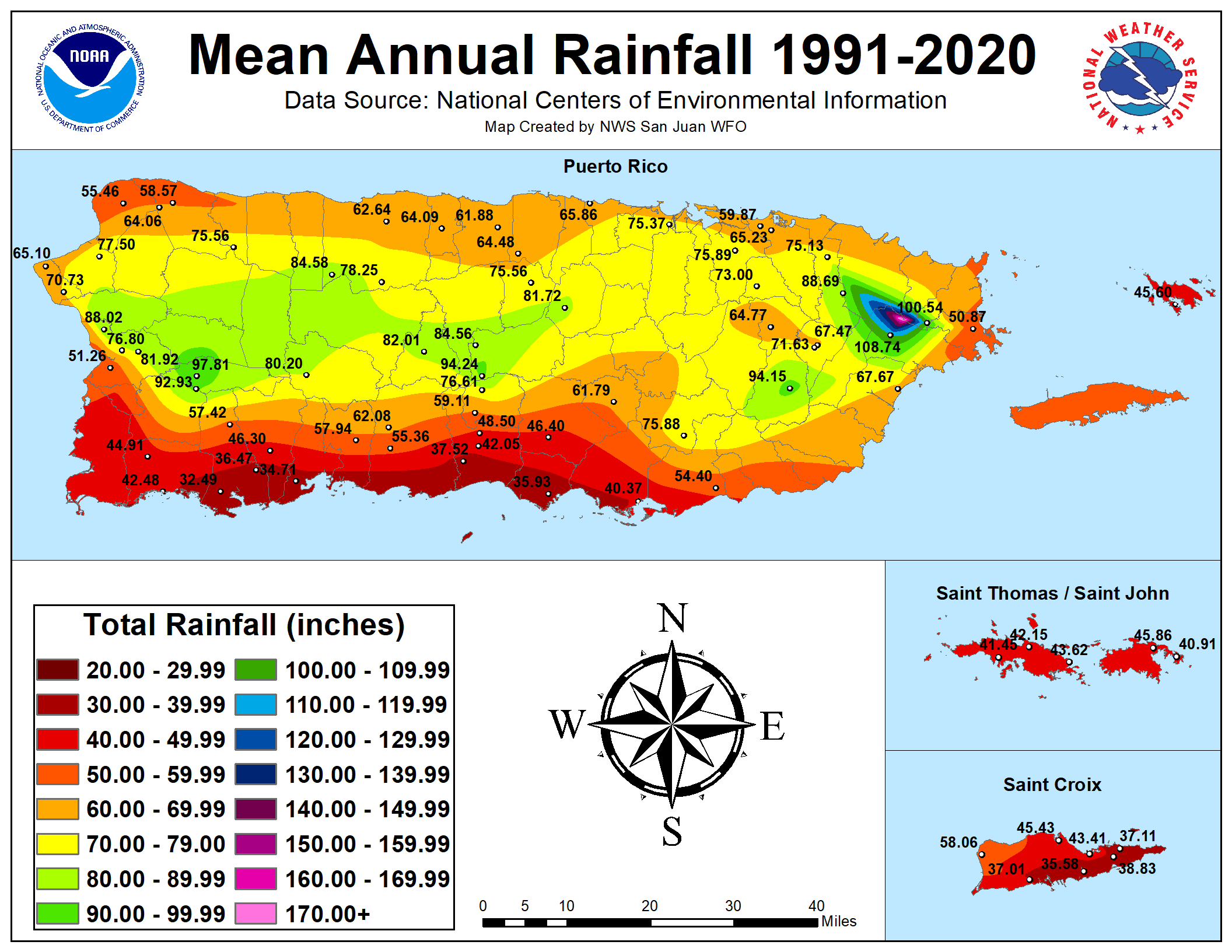
The wet season in Puerto Rico runs from May to November. This period is characterized by higher humidity and a greater likelihood of rainfall. Showers are often brief and intense, typically occurring in the afternoon or evening, and are frequently followed by sunshine. The eastern and northeastern parts of the island, including regions like the El Yunque National Forest, tend to receive more rainfall year-round due to their exposure to the prevailing trade winds. The wet season also coincides with the Atlantic hurricane season, which officially runs from June 1st to November 30th. While Puerto Rico is not as frequently hit by major hurricanes as some other Caribbean islands, it is prudent to be aware of this possibility and monitor weather forecasts during these months. The possibility of tropical storms can lead to more significant rainfall and potential disruptions to travel plans.

Regional Climate Variations
While Puerto Rico is a relatively small island, its diverse topography leads to noticeable regional climate variations. The coastal areas, bathed by the ocean breeze, generally experience more consistent temperatures and humidity. The interior highlands, particularly the Cordillera Central, are cooler and receive more rainfall, contributing to their dense tropical forests and numerous rivers.
Coastal Regions
The coastal regions, including popular destinations like San Juan, Ponce, and Rincón, enjoy the full benefits of the tropical marine climate. Here, temperatures are consistently warm, averaging in the mid-80s°F (around 29°C) during the day. The proximity to the ocean means that humidity levels are often high, but the cooling effect of the sea breeze, especially from the north and east, is a constant comfort. Rainfall is distributed throughout the year, though it tends to be slightly more concentrated during the wet season. These areas are ideal for beach activities, water sports, and exploring historical sites like Old San Juan.
Interior Highlands
Ascending into the Cordillera Central, the climate shifts noticeably. Temperatures are cooler, with average daytime highs typically 5-10°F (3-6°C) lower than on the coast. The higher altitudes also contribute to increased rainfall, as moist air masses are forced upward, condensing and releasing precipitation. This is why regions like the El Yunque National Forest are so exceptionally verdant and receive significant annual rainfall. The cooler, wetter conditions in the interior create a different kind of tropical experience, perfect for hiking, exploring waterfalls, and immersing oneself in the island’s rich biodiversity. Visitors heading to these areas should be prepared for potentially more frequent showers and pack accordingly, even during the dry season.
Preparing for Puerto Rico’s Climate
Understanding Puerto Rico‘s climate is key to packing efficiently and planning your itinerary. The warm, humid conditions prevail year-round, so light, breathable clothing is essential.
Packing Essentials
For any visit to Puerto Rico, lightweight, moisture-wicking fabrics like cotton and linen are ideal. Pack shorts, t-shirts, sundresses, and swimwear. A light rain jacket or poncho is advisable, especially if visiting during the wet season or planning to explore the interior rainforests. Comfortable walking shoes are a must for exploring towns and trails, and sandals or flip-flops are perfect for the beach. Don’t forget sun protection: a wide-brimmed hat, sunglasses, and high-SPF sunscreen are crucial to guard against the strong tropical sun. Insect repellent is also highly recommended, particularly for evenings and trips into nature.

Timing Your Visit
The best time to visit Puerto Rico largely depends on your preferences. For the driest weather and sunniest skies, the dry season from December to April is ideal. This period offers the most predictable conditions for beach relaxation and outdoor adventures. However, it is also the peak tourist season, meaning higher prices for flights and accommodation, and more crowds at popular attractions.
The shoulder seasons, encompassing parts of May and November, can offer a good balance of pleasant weather and fewer crowds. During the wet season (May to November), you can expect more rain, but showers are often short-lived, and you’ll often find lower prices and a more relaxed atmosphere. The potential for hurricanes during this period warrants monitoring weather forecasts and considering travel insurance. Ultimately, Puerto Rico‘s warm climate makes it a year-round destination, with each season offering its unique charm and opportunities for discovery.
LifeOutOfTheBox is a participant in the Amazon Services LLC Associates Program, an affiliate advertising program designed to provide a means for sites to earn advertising fees by advertising and linking to Amazon.com. Amazon, the Amazon logo, AmazonSupply, and the AmazonSupply logo are trademarks of Amazon.com, Inc. or its affiliates. As an Amazon Associate we earn affiliate commissions from qualifying purchases.