
Puerto Rico, a vibrant Caribbean island, boasts a climate that is a significant draw for travelers year-round. Its tropical maritime setting dictates a warm and humid environment, characterized by distinct wet and dry seasons. Understanding these nuances is key for anyone planning a visit, from securing the best travel deals to packing appropriately for diverse activities. The island’s climate is not monolithic, with regional variations influencing everything from the lushness of the El Yunque National Forest to the drier conditions found in the south.
Understanding Puerto Rico’s Tropical Climate
At its core, Puerto Rico’s climate is defined by its location within the tropics, close to the equator. This proximity results in consistently high temperatures throughout the year, with minimal seasonal variation in daylight hours. The prevailing trade winds from the northeast play a crucial role, moderating the heat and humidity and bringing much-needed rainfall, particularly to the mountainous interior and the northeastern coast. The surrounding ocean also acts as a temperature regulator, preventing extreme highs and lows.
Temperature Ranges and Humidity
Visitors can expect average daily temperatures to hover around 80-85°F (27-29°C) year-round. While there isn’t a distinct “winter” or “summer” in the traditional sense, the period from December to May is generally considered slightly cooler and drier, offering a more comfortable experience for many. The shoulder months, particularly November and June, can be transitional. Humidity is a constant companion, typically ranging from 70% to 80% or higher, which contributes to the island’s lush vegetation but also means that even moderate temperatures can feel quite warm. It’s advisable for visitors to stay hydrated and seek air-conditioned environments or natural shade during the hottest parts of the day.
Sunshine and Daylight Hours
Puerto Rico experiences ample sunshine throughout the year. Daylight hours are relatively consistent, with sunrise and sunset times varying by only about an hour between the summer and winter solstices. This means that visitors can generally count on long, sun-filled days for exploration and enjoyment, regardless of the specific month of their visit.
Seasonal Variations: Wet vs. Dry
While the temperatures remain relatively stable, the most significant climatic variation in Puerto Rico is the distinction between its wet and dry seasons. This dichotomy influences not only weather patterns but also the types of activities that are best suited for different times of the year.
The Dry Season (December to May)
This period is often considered the peak tourist season for good reason. The weather is typically drier, with less frequent rainfall, and temperatures are slightly more moderate. The northeast trade winds are usually at their strongest, providing a pleasant breeze. This season is ideal for exploring the beaches along the northern and western coasts, such as those near Rincón or San Juan, engaging in water sports like surfing and snorkeling, and undertaking extensive sightseeing tours of historical sites like Castillo San Felipe del Morro. Even during the dry season, brief, localized showers can occur, but they are generally short-lived and do not typically disrupt travel plans for extended periods.
The Wet Season (June to November)
The wet season, while characterized by more frequent rainfall, is not necessarily a period to avoid. The rain often comes in the form of heavy, short-lived downpours, particularly in the afternoon, followed by sunshine. This can actually be a beautiful time to visit, as the landscape becomes exceptionally green and vibrant, especially in the interior mountainous regions. The increased rainfall is vital for maintaining the island’s rich biodiversity. This season also tends to see fewer crowds and potentially lower prices for accommodations and flights, making it an attractive option for budget-conscious travelers. Activities that are less weather-dependent, such as exploring museums in Ponce, enjoying the culinary scene, or visiting indoor attractions, are perfectly viable.

Regional Climate Differences
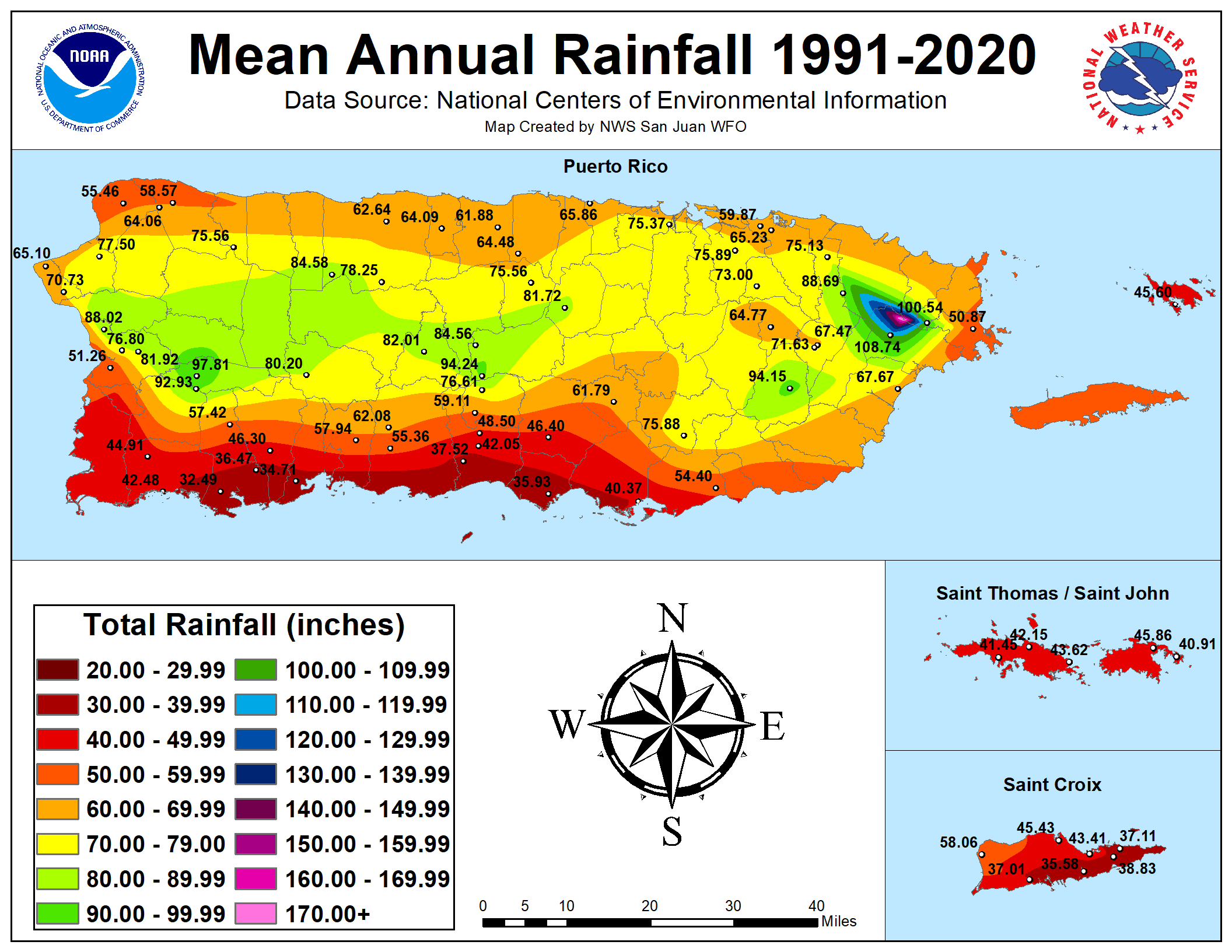
Puerto Rico’s varied topography leads to distinct microclimates across the island. The mountainous spine that runs through the center of the island acts as a significant barrier, influencing rainfall patterns.
The North and East: Wetter and Lush
The northern and eastern regions, including the famous El Yunque National Forest, tend to be the wettest parts of the island due to prevailing winds carrying moisture inland. These areas receive significantly more rainfall throughout the year, contributing to their dense, tropical rainforest ecosystems. Travelers heading to these regions should be prepared for higher humidity and a greater likelihood of rain, even during the drier months. This climate supports a stunning array of flora and fauna, making it a haven for nature lovers and hikers.
The South and West: Drier and Sunnier
In contrast, the southern and western coasts of Puerto Rico experience a drier, more arid climate. This is because they lie in the rain shadow of the central mountains. These regions often boast more sunshine and less humidity, making them popular for beach resorts and water-based activities. The landscape here can be more savanna-like in some areas. Cities like Ponce and towns like [Cabo Rojo](https://lifeoutofthebox.com/cabo- Rojo) are prime examples of this drier climate.
Impact of Hurricanes and Tropical Storms
As a Caribbean island, Puerto Rico is susceptible to tropical storms and hurricanes, particularly during the Atlantic hurricane season, which officially runs from June 1st to November 30th, with the peak typically occurring from August to October. While hurricanes are infrequent, their impact can be significant. Travelers planning a visit during these months should stay informed about weather forecasts and heed any official advisories. Most resorts and established tourist areas are well-prepared to manage potential weather events, and travel insurance is often a prudent consideration for trips during this period. The island has demonstrated remarkable resilience in rebuilding and recovering from past events, and infrastructure is generally robust, but preparedness is always key.
Planning Your Trip Around the Climate
Understanding Puerto Rico’s climate is not just about knowing when to expect rain; it’s about optimizing your travel experience.
Best Times to Visit for Different Interests
For beach lovers and those seeking guaranteed sunshine, the dry season from December to May is the most predictable choice. Surfing enthusiasts often flock to the west coast around Rincón from November to April for the best waves. Nature enthusiasts might find the wet season offers unparalleled lushness and fewer crowds, especially for exploring rainforests and waterfalls, provided they are prepared for the rain. Those looking for a balance of good weather and fewer tourists might consider the shoulder months of April, May, and November.

Packing Essentials for Puerto Rico’s Climate
Regardless of the season, certain items are essential for a trip to Puerto Rico. Lightweight, breathable clothing made from natural fabrics like cotton or linen is a must. Pack swimwear, a hat, sunglasses, and high-SPF sunscreen to protect against the strong tropical sun. Comfortable walking shoes are important for exploring towns and historical sites. For the wet season, a light, waterproof jacket or poncho is advisable. Insect repellent is also a good idea, especially for evenings or visits to more natural areas.
By considering the distinct characteristics of Puerto Rico’s tropical climate, travelers can make informed decisions to ensure a memorable and enjoyable experience on this beautiful island.
LifeOutOfTheBox is a participant in the Amazon Services LLC Associates Program, an affiliate advertising program designed to provide a means for sites to earn advertising fees by advertising and linking to Amazon.com. Amazon, the Amazon logo, AmazonSupply, and the AmazonSupply logo are trademarks of Amazon.com, Inc. or its affiliates. As an Amazon Associate we earn affiliate commissions from qualifying purchases.