
Chicago, a city renowned for its architectural marvels, vibrant cultural scene, and world-class dining, also holds a reputation for its bracing winters. For travelers planning a visit, understanding the nuances of its climate, particularly the coldest periods, is crucial for a comfortable and enjoyable experience. This guide delves into the climatic patterns of Chicago, specifically identifying its coldest month and offering insights into what visitors can expect and how to best prepare for it.
Understanding Chicago’s Winter Climate
Chicago’s location on the southwestern shore of Lake Michigan plays a significant role in shaping its weather. The lake moderates temperatures to some extent, but its vastness also contributes to the city’s notorious windiness, earning it the moniker “The Windy City.” Winters in Chicago are typically long, cold, and often snowy, with temperatures frequently dipping below freezing. The season generally extends from late November through March, with distinct phases of increasing cold and eventual thaw.
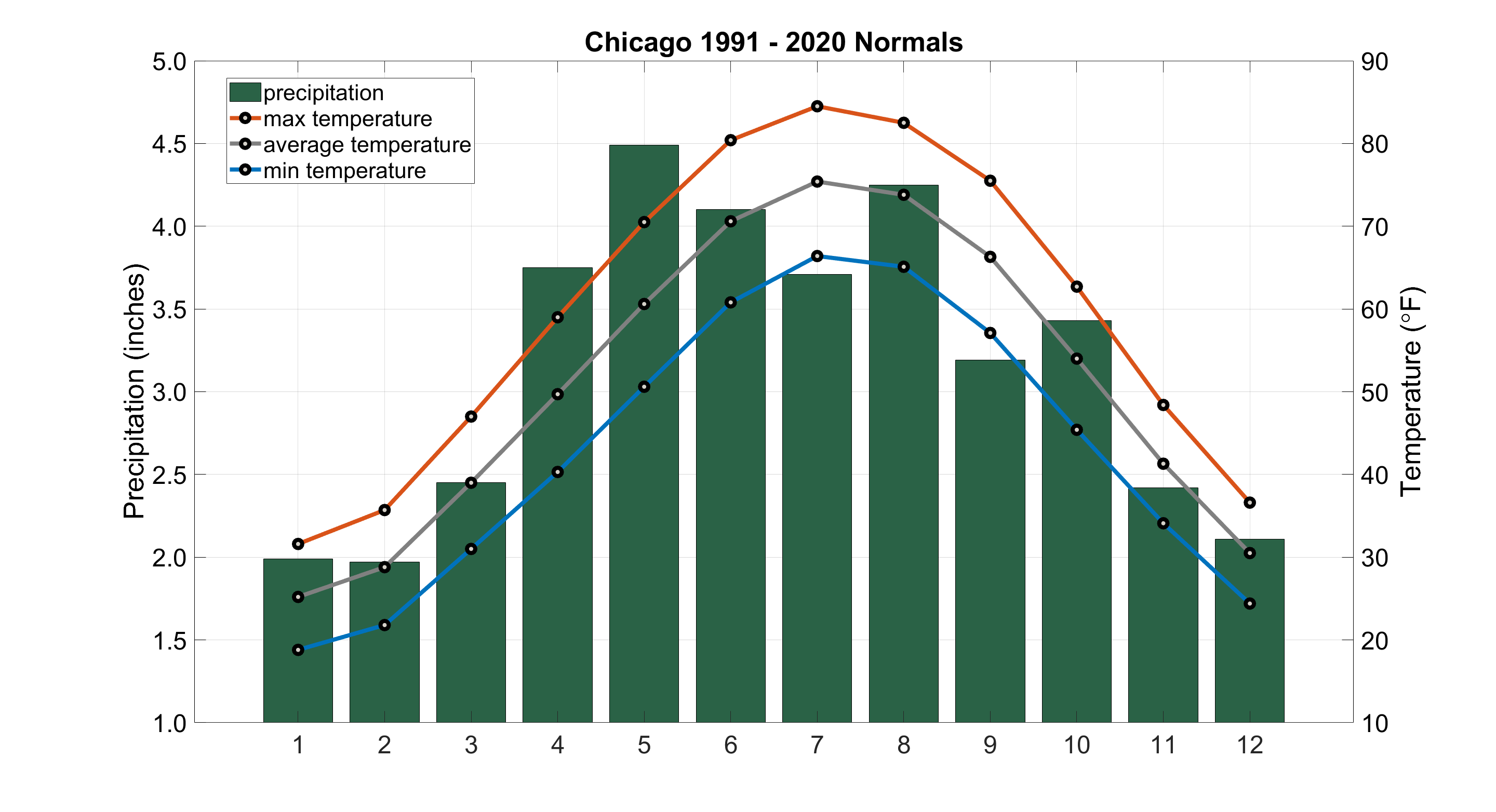
The city experiences a continental climate, characterized by significant seasonal temperature variations. Summers are warm to hot and humid, while winters are starkly cold. The transition periods, spring and autumn, can be quite variable, offering glimpses of both winter’s chill and summer’s warmth within a single week. However, when focusing on the most severe cold, a clear pattern emerges from historical meteorological data.
Average Temperatures and Precipitation
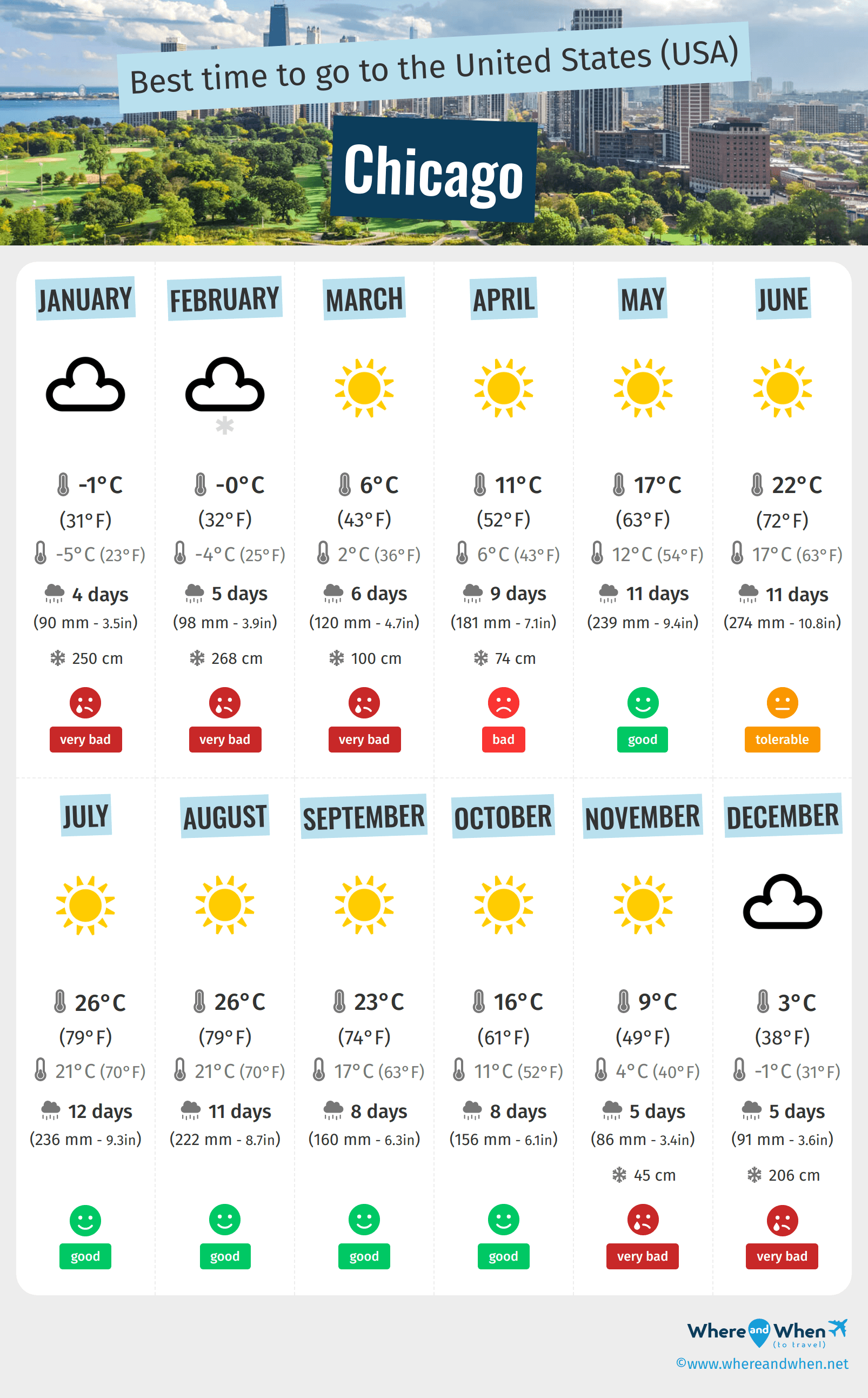
To pinpoint the coldest month, examining average temperature data is essential. Historically, December marks the beginning of a significant drop in temperatures, but it is January that consistently registers the lowest average readings. February, while still very cold, often begins to show subtle signs of moderating temperatures as the month progresses, though it can still deliver harsh winter storms.
Average daily temperatures in Chicago during January often hover around the low 20s Fahrenheit (around -6 to -4 Celsius). Nighttime lows can plummet much further, frequently dropping into the single digits Fahrenheit (below -12 Celsius) and occasionally reaching well below zero. Snowfall is also a significant factor during this period. While snow can occur from October through April, the heaviest and most consistent snowfalls are typically seen in January and February.
The presence of the Great Lakes contributes to lake-effect snow. This phenomenon occurs when cold, dry air masses move over the relatively warmer waters of Lake Michigan, picking up moisture and then depositing it as snow on the downwind shores, which includes Chicago. This can lead to localized but significant snow accumulations, further contributing to the winter landscape and its challenges.
January: The Pinnacle of Cold
Based on decades of climate records and statistical analysis, January is unequivocally the coldest month in Chicago. Throughout this month, the city experiences its most consistently low temperatures and significant snowfall. The harshness of January’s weather is a defining characteristic of a Chicago winter.
The Siberian Express, a term used to describe the arrival of extremely cold Arctic air masses, frequently affects Chicago during January. These air masses can bring sharp temperature drops, brisk winds that exacerbate the cold through wind chill, and periods of heavy snow. The wind, amplified by the open plains to the west and the presence of the lake, can make even moderately cold temperatures feel significantly more severe.
The Impact of Wind Chill
Wind chill is a critical factor in experiencing the true severity of a Chicago winter, especially in January. The combination of frigid air temperatures and strong winds can create conditions where exposed skin can freeze much faster than the actual air temperature would suggest. This is why Chicago’s “feels like” temperatures during January can often be far more extreme than the thermometer reading alone indicates, making outdoor activities require careful planning and appropriate gear.
The urban environment of Chicago can offer some minor protection from the wind in built-up areas, creating “wind shadows” along streets and between buildings. However, when venturing into more open spaces like Millennium Park or along the lakefront, the full force of the winter wind is often felt.

Preparing for a January Visit to Chicago
For travelers undeterred by the cold and seeking a unique winter experience in Chicago, January offers a distinct charm, albeit one that requires careful preparation. The city’s iconic landmarks, such as the Willis Tower (formerly Sears Tower) and the museums along the Museum Campus, remain open and offer indoor respite from the elements. The festive decorations of the holiday season may have faded, but the city’s cultural institutions and dining establishments continue to offer warmth and entertainment.
Essential Packing List for January
When packing for a trip to Chicago in January, prioritizing warmth and layering is paramount.
- Outerwear: A heavy-duty, insulated, and waterproof or water-resistant winter coat is essential. It should ideally have a hood to protect against wind and snow.
- Headwear: A warm hat that covers the ears is non-negotiable. Consider a thermal beanie or a fleece-lined hat.
- Gloves/Mittens: Insulated and waterproof gloves or mittens are crucial for protecting hands from frostbite. Mittens generally offer more warmth than gloves.
- Scarves/Neck Gaiters: A thick scarf or a neck gaiter will shield your neck and face from the biting wind.
- Footwear: Waterproof, insulated boots with good traction are vital for navigating snowy and icy sidewalks. Ensure they are comfortable for walking.
- Layering: Pack thermal base layers (long johns and thermal tops), mid-layers like fleece or wool sweaters, and warm socks (wool or thermal blends).
- Accessories: Lip balm and moisturizer are important to combat dry, cold air. Sunglasses can be useful for bright, snowy days.
Indoor Activities and Attractions
While the primary focus for many visitors is outdoor exploration, a January visit to Chicago is best experienced by blending indoor and outdoor activities.
- Museums: Chicago boasts world-class museums, including the Art Institute of Chicago, the Field Museum, the Shedd Aquarium, and the Adler Planetarium. These offer hours of engaging exploration away from the cold.
- Theater and Music: The city has a thriving theater scene, from Broadway productions at the Broadway in Chicago theaters to intimate performances at smaller venues. Live music venues offer everything from jazz to blues to rock.
- Dining: Chicago is a culinary mecca. Enjoying a deep-dish pizza, exploring Michelin-starred restaurants, or seeking out cozy diners are perfect ways to warm up and savor the city’s flavors.
- Indoor Architecture Tours: While outdoor walking tours might be less appealing, many architectural boat tours operate year-round (though schedules may be limited in January), and some buildings offer guided interior tours that provide incredible insights into Chicago’s renowned architecture.
- Shopping: From high-end boutiques on the Magnificent Mile to unique shops in neighborhoods like Wicker Park, shopping offers a warm and engaging way to spend time.
February and December: Close Contenders
While January holds the title of the coldest month, February and December are not far behind and can often present similarly harsh conditions.
February: Lingering Cold and Potential Snowstorms
February is often considered the second coldest month. While average temperatures might be slightly higher than in January, it still experiences prolonged periods of sub-freezing temperatures and can be subject to significant snowfalls. The month can sometimes feel even colder if the Arctic air masses that dominate January linger. February often provides opportunities for winter sports and activities in the surrounding areas, such as ice skating at outdoor rinks if they remain open, or enjoying the frozen beauty of Lake Michigan from a safe distance.
December: The Transition to Deep Winter
December marks the beginning of the most severe winter weather. While early December might offer milder temperatures, the latter half of the month typically sees a sharp decline, pushing averages into very cold territory. The arrival of snow is common, and the shorter daylight hours amplify the feeling of winter’s grip. Despite the cold, December is a popular time to visit Chicago due to the festive holiday atmosphere, including holiday markets and elaborate decorations. This often means balancing the desire for festive cheer with the need for serious winter preparedness.
Experiencing Chicago’s Winter Charm
Visiting Chicago during its coldest months, particularly January, requires a mindset geared towards embracing the season. The city transforms into a starkly beautiful landscape, with snow-dusted parks and glistening skyscrapers. The fewer crowds can offer a more intimate experience of its attractions. By understanding the climate and preparing accordingly, travelers can discover the unique charm and resilience of this remarkable city, even in the heart of its winter. Whether it’s the crisp air, the opportunity to see the city blanketed in snow, or the cozy allure of its indoor havens, Chicago in January offers a memorable travel experience for those who are ready for it.
LifeOutOfTheBox is a participant in the Amazon Services LLC Associates Program, an affiliate advertising program designed to provide a means for sites to earn advertising fees by advertising and linking to Amazon.com. Amazon, the Amazon logo, AmazonSupply, and the AmazonSupply logo are trademarks of Amazon.com, Inc. or its affiliates. As an Amazon Associate we earn affiliate commissions from qualifying purchases.