
Florida, affectionately known as the Sunshine State, conjures images of endless summer, pristine beaches, and warm tropical breezes. For many prospective travelers, the idea of “cold” in Florida seems almost contradictory. However, even this southernmost state experiences a distinct winter season, and understanding its climate nuances is crucial for planning the perfect getaway, whether you’re seeking to embrace the mild chill or escape it entirely. If you’re wondering when exactly Florida dons its coolest cloak, the answer is unequivocally January.
While the state never truly experiences the harsh winters characteristic of more northern latitudes, January consistently records the lowest average temperatures across Florida. This makes it a fascinating time to visit, offering a unique blend of experiences that differ significantly from the scorching heat of summer. From exploring natural landscapes with comfortable temperatures to enjoying popular attractions with fewer crowds, January in Florida presents a distinct charm that savvy travelers often seek out. Understanding this coldest month isn’t just about avoiding a chill; it’s about optimizing your travel experiences, selecting the right accommodations, and diving into local culture in a refreshing way.
Unveiling Florida’s Winter Chill: An Overview
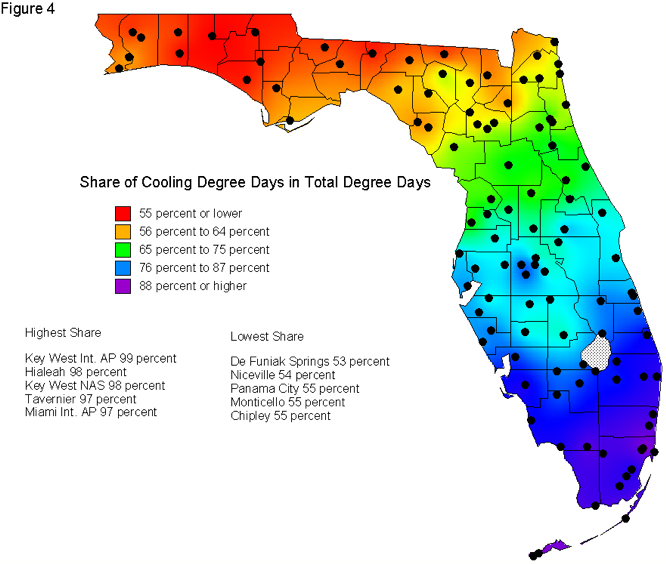
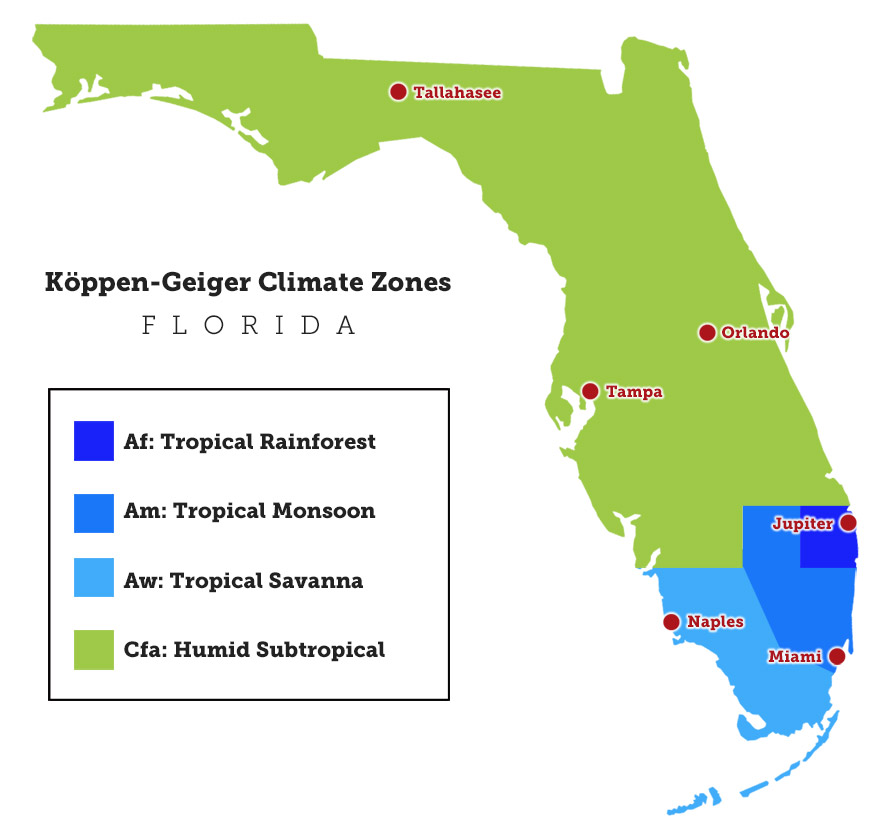
Florida’s climate is predominantly subtropical in the north and central regions, transitioning to tropical in the south, particularly in areas like Miami and the Florida Keys. This geographical positioning largely dictates the state’s winter weather patterns. While the entire state experiences a drop in temperatures during the winter months, the severity of this “cold” varies dramatically from the Panhandle to Key West.
The Sunshine State’s Colder Side: Perception vs. Reality
The perception of Florida as an eternal summer destination often leads to surprises for visitors arriving in January. While you won’t typically encounter snow (with very rare and localized exceptions in the far north), you will experience crisp mornings, cooler evenings, and daytime temperatures that are perfectly pleasant for outdoor activities without the oppressive humidity of summer. This milder weather window is precisely what attracts many visitors, particularly those looking to escape colder climates elsewhere. It’s a time when golf courses are in prime condition, theme parks are less sweltering, and the natural beauty of the state, from its springs to its national parks, is incredibly inviting. The lower sun angle and reduced humidity also contribute to a clearer, more vibrant atmosphere, ideal for photography and sightseeing.
Defining “Coldest”: Average Temperatures and Historical Lows
When we identify January as the coldest month, we’re primarily referring to average temperatures across the state. In North Florida cities like Jacksonville and Tallahassee, average daily temperatures in January can range from highs in the low to mid-60s Fahrenheit (around 15-18°C) to lows in the low to mid-40s Fahrenheit (around 4-7°C). Frost and even occasional freezes are not uncommon in these northern regions, especially overnight.
As you move southward into Central Florida, encompassing popular destinations such as Orlando and Tampa, the January averages become more moderate. Highs typically hover in the upper 60s (around 20°C), with lows in the upper 40s to low 50s (around 9-12°C). While still cool, these temperatures are generally very comfortable for daytime activities.
Further south, in tropical bastions like Miami and Fort Lauderdale, January is still the coolest month, but the mercury rarely dips dramatically. Average highs are often in the low to mid-70s (around 22-24°C), and lows stay comfortably in the 60s (around 15-18°C). While locals might consider this “cold,” it’s often perfect beach weather for visitors from colder climes. Even Key West, the southernmost point, experiences its coolest temperatures in January, with averages still comfortably in the 70s during the day. Historical lows across the state can, of course, dip lower during cold snaps, bringing rare occurrences of temperatures below freezing even into central parts of the state. These cold fronts, often originating from Arctic blasts, are usually short-lived but can significantly impact local flora and fauna, as well as tourism plans.
Exploring Florida’s Regional Climates During Winter
Florida’s elongated shape and diverse geography mean that a “one size fits all” description of its winter climate is misleading. The experience of January in Panama City Beach is vastly different from that in Naples. Understanding these regional variations is key to tailoring your trip to your preferences, whether you’re seeking warmth, mildness, or even a touch of genuine winter chill.
North Florida: A True Winter Experience
The northern reaches of Florida, including cities like Jacksonville, Tallahassee, and Gainesville, share more climatic similarities with neighboring states like Georgia and Alabama than with South Florida. Here, January can truly feel like winter. Mornings can be crisp, often requiring a warm jacket, and temperatures can occasionally drop to freezing or below, especially during overnight hours. Frost is a common sight.
Despite the cooler temperatures, this region offers a unique charm in winter. The crisp air is invigorating for exploring historic sites like St. Augustine, America’s oldest continuously inhabited European-established settlement, without the intense summer heat and humidity. State parks and natural springs, such as those around Gainesville, become ideal for hiking, bird watching, and even chilly dips for the adventurous. Amelia Island offers serene beach walks and equestrian experiences, far from the summer crowds. The lifestyle here during winter often revolves around more bundled-up outdoor activities and cozy indoor pursuits.
Central Florida: Mild and Inviting
Central Florida, home to world-famous theme parks and vibrant cities like Orlando, Tampa, and Daytona Beach, strikes a pleasant balance during January. Temperatures are cool enough to be comfortable but rarely dip to uncomfortable lows. This makes it an incredibly popular time for visitors. Highs generally reach the upper 60s, providing perfect weather for long days spent at Walt Disney World Resort, Universal Orlando Resort, or Busch Gardens Tampa Bay without the risk of overheating. The lower humidity also enhances the comfort, making queues and outdoor shows much more enjoyable.
The mild January weather is also excellent for exploring Central Florida’s natural beauty, such as the freshwater springs and state parks around Ocala, where manatees often congregate in warmer waters. Coastal areas like Daytona Beach and St. Petersburg still offer pleasant conditions for beach walks, although swimming might be reserved for heated hotel pools. This region perfectly blends travel destinations with comfortable winter temperatures, making it a prime choice for family trips and budget travel during a slightly off-peak but still popular season.
South Florida: Winter Paradise
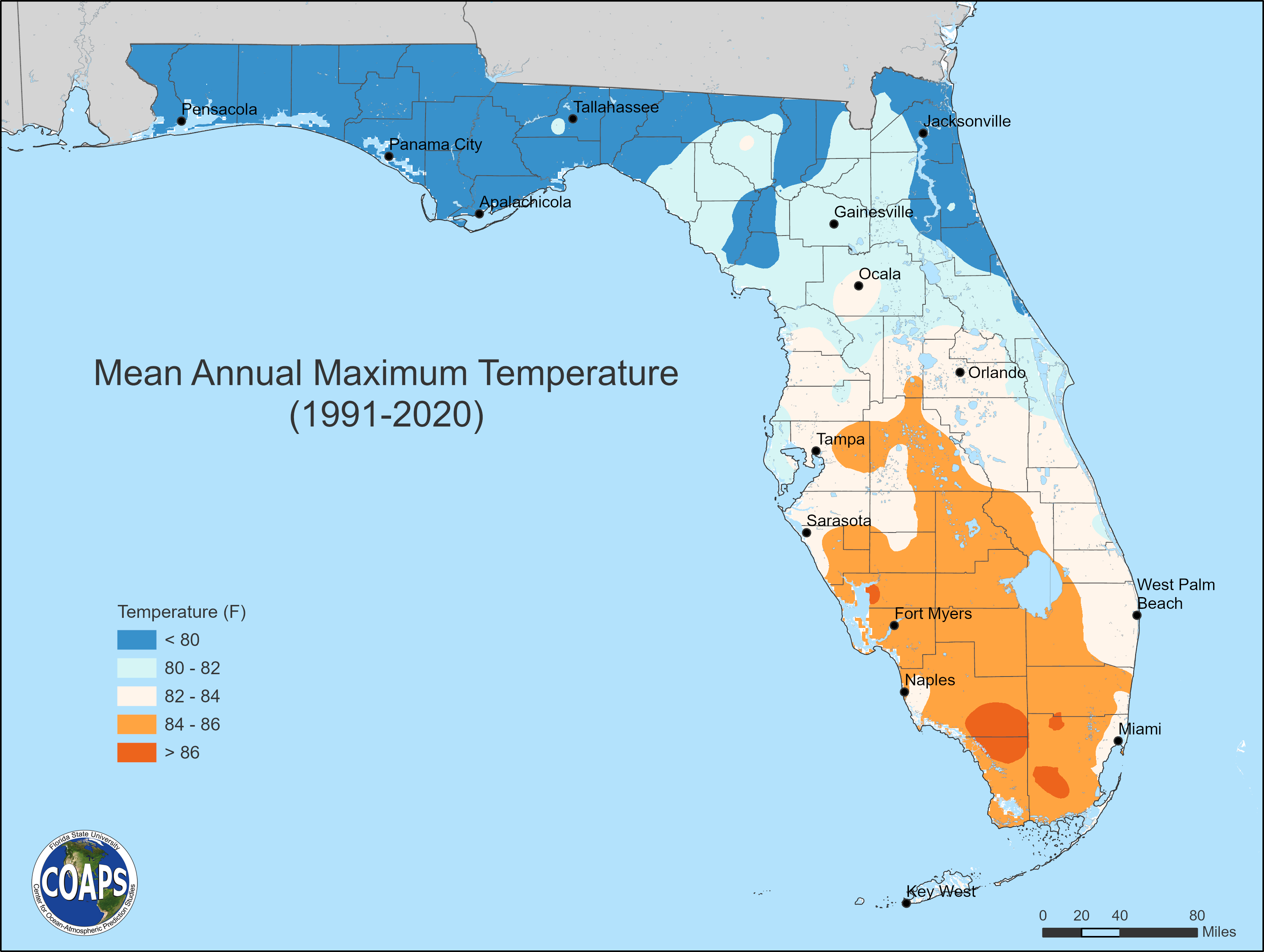
South Florida truly lives up to its “winter paradise” moniker, even in January. Cities like Miami, Fort Lauderdale, Palm Beach, Naples, and Key West experience their coolest temperatures during this month, but they are still remarkably warm compared to much of the rest of the country. Highs consistently hover in the low to mid-70s, making it ideal for sunbathing, swimming (especially in the Keys or heated resort pools), and all manner of outdoor activities.
This is peak season for South Florida, attracting snowbirds, luxury travelers, and those simply desperate for sunshine. South Beach in Miami remains vibrant, offering a bustling scene of beachgoers and nightlife. The Everglades National Park is fantastic for airboat tours and wildlife viewing, as mosquitoes are less prevalent. The Florida Keys offer exceptional fishing, diving, and boating conditions. For those seeking luxury travel, world-class resorts like The Breakers Palm Beach are at their finest, offering exquisite amenities and impeccable service. Even during its “coldest” month, South Florida delivers on its promise of warm, sunny escapes, albeit with a refreshing breeze.
Planning Your Florida Winter Getaway
Knowing that January is Florida’s coldest month allows for strategic planning, transforming potential discomfort into an advantage. This period offers a unique set of opportunities for experiences that are simply not as enjoyable during the humid summer months.
Activities Suited for Cooler Weather
The cooler, drier air of January opens up a world of comfortable outdoor activities across Florida:
- Theme Parks: Walt Disney World Resort and Universal Orlando Resort are far more pleasant without the intense summer heat and humidity. While still popular, crowds can sometimes be lighter post-New Year’s, and the weather allows for comfortable all-day park exploration.
- Outdoor Adventures: Hiking, biking, and kayaking are prime activities. Explore the diverse ecosystems of the Everglades National Park, the expansive trails of state forests, or the stunning waterways of Florida’s numerous springs. Manatee viewing is exceptional as these gentle giants seek refuge in warmer spring waters.
- Cultural and Historical Exploration: Wander through the historic streets of St. Augustine, explore the art deco architecture of South Beach, or visit museums in Sarasota and St. Petersburg without breaking a sweat. The Kennedy Space Center Visitor Complex near Titusville is also a fantastic outdoor-heavy attraction that benefits from cooler temperatures.
- Golf and Tennis: Florida is a mecca for these sports, and January offers ideal conditions for a round of golf or a tennis match, particularly in Central and South Florida.
Navigating Travel and Accommodation
Traveling in January requires thoughtful consideration, especially concerning accommodation and booking tips. While Northern Florida might see slightly lower demand, Central and South Florida are in their peak season.
- Booking in Advance: For popular destinations like Orlando, Miami, and the Florida Keys, booking your hotels, resorts, or villas several months in advance is highly recommended. Demand from “snowbirds” and winter vacationers drives up prices and reduces availability.
- Accommodation Types: From opulent suites at The Breakers Palm Beach or Ritz-Carlton Orlando to cozy apartments and vacation rentals, Florida offers a vast array of options. Consider what kind of amenities are important to you – heated pools are a definite plus in January! For longer stays, especially for snowbirds, long-term stay apartments and serviced residences are popular.
- Travel Guides: Utilize comprehensive travel guides to find the best deals and hidden gems. Comparing options based on reviews and location can lead to a more satisfying trip.
Lifestyle Considerations: Luxury vs. Budget Travel
January in Florida can cater to a wide spectrum of lifestyles and budgets:
- Luxury Travel: This is a prime season for luxury travel in South Florida. High-end resorts offer world-class service, gourmet dining, and exclusive experiences. Spa treatments, private yacht charters, and upscale shopping are all popular pursuits. The social season in Palm Beach and Miami is in full swing, offering galas, art shows, and exclusive events.
- Budget Travel: While South Florida can be expensive, budget travel is still possible, especially by exploring Central and North Florida. Look for deals on accommodation slightly off the main tourist strips, utilize vacation rentals, and take advantage of free attractions like beaches, state parks, and scenic drives. Cooking some of your meals can also significantly cut down on costs. Many major theme parks offer multi-day passes that can be more cost-effective.
- Family Trips: The cooler weather is perfect for family trips with young children, as the risk of heat exhaustion is significantly lower. Many resorts and attractions are geared towards families, offering diverse activities.
- Business Stays: January also sees a significant number of business stays as conferences and conventions often schedule events in Florida to take advantage of the appealing weather, particularly in Orlando and Miami.
Making the Most of Florida’s Coolest Season
Visiting Florida in January means embracing a different facet of the state’s personality. It’s a time for comfortable exploration, active enjoyment, and appreciating the subtler beauty of a subtropical winter.
Embracing Florida’s Unique Charm
The cooler months highlight Florida’s natural beauty and rich history. From the pristine, often deserted beaches of Sanibel Island on the Gulf Coast, famous for shelling, to the dramatic sunsets over the Gulf of Mexico, January offers unparalleled opportunities for scenic beauty. The tranquil waters of places like Silver Springs State Park or Blue Spring State Park provide clear views of manatees, which congregate in the constant 72°F (22°C) spring waters.
Historical landmarks like the Castillo de San Marcos in St. Augustine or the stately architecture of Vizcaya Museum & Gardens in Miami can be explored at leisure, allowing visitors to delve deeper into the state’s past. Even activities like birdwatching at Merritt Island National Wildlife Refuge near the Kennedy Space Center Visitor Complex become more comfortable and rewarding. The absence of intense heat encourages longer outdoor excursions, enabling a more profound connection with Florida’s diverse natural and cultural offerings.
Essential Packing Tips
Packing for a January trip to Florida requires a strategic approach:
- Layers are Key: This is the golden rule. While daytime temperatures can be mild to warm, evenings and mornings can be surprisingly cool, especially in Central and North Florida. Bring lightweight sweaters, cardigans, and a medium-weight jacket.
- Mix of Clothing: Pack shorts, t-shirts, and swimwear for warmer days or heated pools, but also include jeans, long-sleeved shirts, and a light to medium jacket.
- Comfortable Footwear: Essential for extensive walking at theme parks or exploring nature trails.
- Sun Protection: Even in winter, the Florida sun is strong. Don’t forget sunscreen, sunglasses, and a hat, especially if you plan to spend time outdoors.
- Rain Gear: Florida can experience occasional winter showers, so a light, packable raincoat or umbrella is advisable.
In conclusion, while January may hold the title of Florida’s coldest month, it is by no means a deterrent to an incredible travel experience. Instead, it offers a refreshing alternative to the peak summer heat, allowing visitors to enjoy the state’s myriad attractions, landmarks, and outdoor activities in unparalleled comfort. By understanding the regional climate variations and planning accordingly, your January trip to Florida can transform into an unforgettable winter escape, perfectly tailored to your ideal lifestyle and travel preferences.
LifeOutOfTheBox is a participant in the Amazon Services LLC Associates Program, an affiliate advertising program designed to provide a means for sites to earn advertising fees by advertising and linking to Amazon.com. Amazon, the Amazon logo, AmazonSupply, and the AmazonSupply logo are trademarks of Amazon.com, Inc. or its affiliates. As an Amazon Associate we earn affiliate commissions from qualifying purchases.