
Unveiling Alaska’s Arctic Extremes: The Record Books
Alaska, a land of unparalleled natural beauty and vast wilderness, is synonymous with extreme cold. Travelers drawn to its majestic landscapes often ponder the limits of its frigid embrace. Understanding the coldest temperatures recorded and experienced in this frontier state is crucial for anyone planning an expedition, whether seeking the thrill of winter sports or merely admiring the Northern Lights. The state’s immense size and diverse topography mean that “coldest” can refer to a historical record or simply the consistently brutal conditions in certain regions.

The Absolute Low: Prospect Creek Camp’s Historic Freeze
The undisputed record for the coldest temperature ever officially recorded in Alaska stands at a staggering -80°F (-62°C). This bone-chilling temperature was registered at Prospect Creek Camp on January 23, 1971. Located north of the Arctic Circle and nestled within the Brooks Range, Prospect Creek Camp was a temporary settlement established for the construction of the Trans-Alaska Pipeline System. Its remote, interior location, combined with specific atmospheric conditions, created the perfect storm for this record-setting freeze. For travelers, this record highlights the extraordinary conditions possible in Alaska’s northern interior, far beyond the experiences of most visitors to cities like Anchorage or Juneau. It serves as a testament to the raw, untamed power of the Alaskan winter and underscores the importance of meticulous preparation for any deep-winter travel into these regions.
Consistent Chill: Other Notoriously Cold Alaskan Locales
While Prospect Creek Camp holds the record, several other Alaskan communities are renowned for their consistently frigid temperatures, offering a more representative picture of extreme cold for potential travelers. Fort Yukon, situated on the Yukon River within Interior Alaska and also north of the Arctic Circle, frequently experiences temperatures well below -50°F (-45°C) during winter months. Its record low is a formidable -78°F (-61°C). Similarly, Barrow (Utqiaġvik), the northernmost city in the United States, rarely sees temperatures above freezing for half the year and can dip to -40°F (-40°C) or colder, though its coastal proximity often moderates the absolute extremes compared to the interior.
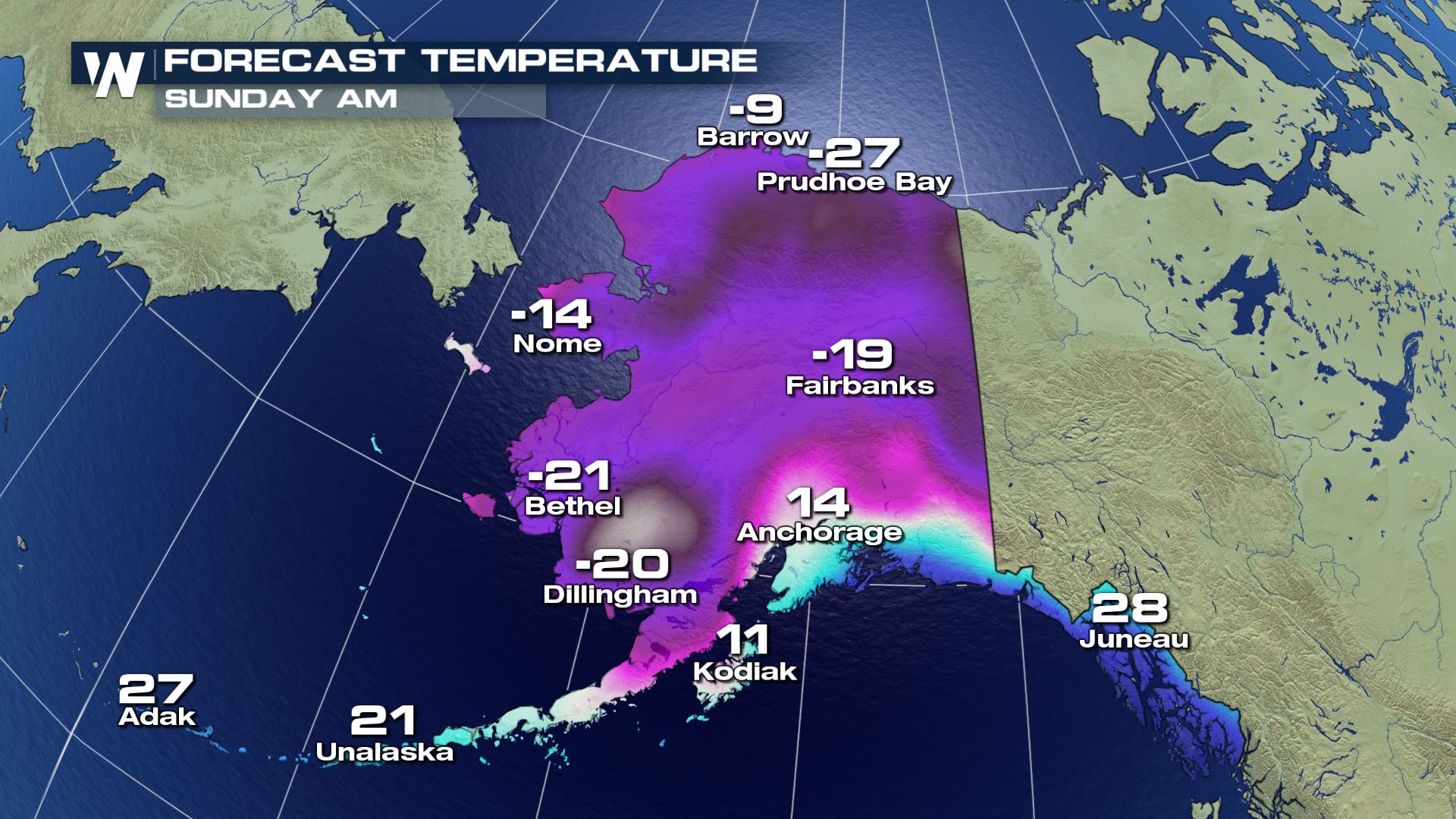
Even Fairbanks, a major hub for Interior Alaska tourism, particularly for Northern Lights viewing, routinely experiences temperatures in the -20°F to -40°F (-29°C to -40°C) range throughout winter. While not as extreme as the record at Prospect Creek Camp, these conditions are severe enough to demand careful planning and specialized gear for travelers.
Factors Contributing to Alaska’s Bone-Chilling Cold
The extreme cold in Alaska is a complex interplay of geographical and meteorological factors. Its high latitude means less direct solar radiation, leading to prolonged periods of darkness in winter and reduced warming. The vast interior landmass, far from the moderating influence of the Pacific Ocean, experiences a continental climate characterized by huge temperature swings. Cold air masses frequently descend from the Arctic Ocean, and mountain ranges like the Brooks Range can trap these frigid air masses, creating “cold sinks” where temperatures plummet. Furthermore, long periods of snow cover reflect what little sunlight there is, preventing the ground from absorbing heat and intensifying the chill. Travelers must understand these regional differences; a trip to the warmer, maritime climate of Southeast Alaska (e.g., Juneau) will be vastly different from venturing into the interior in January.
Navigating the Frozen Frontier: Travel Considerations for Extreme Cold
A journey into Alaska’s winter wonderland, especially to its colder regions, requires meticulous preparation. The extreme temperatures are not just a point of fascination but a serious consideration for safety and enjoyment.
Essential Gear: Layering for Survival and Comfort
The cornerstone of surviving and thriving in Alaskan cold is proper layering. Forget fashion; prioritize function. Start with a moisture-wicking base layer (wool or synthetic) to keep sweat away from your skin, preventing dangerous chilling. Follow with insulating mid-layers like fleece or down vests/jackets, which trap warm air. The outer layer must be windproof and waterproof (or highly water-resistant) to protect against wind chill and precipitation. This system allows you to add or remove layers as activity levels and temperatures change. Don’t forget extremities: heavily insulated, waterproof boots rated for extreme cold, wool or synthetic socks (multiple pairs), mittens (warmer than gloves) with liners, and a warm hat that covers the ears are non-negotiable. Balaclavas or neck gaiters are also essential for protecting exposed skin from frostbite.
Vehicle Preparedness and Winter Driving Tips
For those planning self-guided travel, particularly in Interior Alaska, vehicle preparedness is paramount. Roads can be icy, snowy, and remote. Ensure your vehicle has good winter tires (studded are common and often necessary), emergency supplies (warm blankets, food, water, a shovel, first-aid kit, and flares), and a full tank of gas. Engine block heaters are standard on most Alaskan vehicles and are crucial for starting in extreme cold; ensure you know how to use one if renting a car. Drive slowly, maintain ample distance from other vehicles, and be aware of wildlife that may be on or near the roads. If venturing into truly remote areas, consider travel with a satellite phone or other emergency communication device, as cell service is often nonexistent.
Health and Safety Protocols in Sub-Zero Environments
Understanding the risks of extreme cold is vital. Frostbite can occur rapidly on exposed skin at temperatures below freezing, especially with wind chill. Regularly check yourself and travel companions for white, waxy patches of skin, particularly on fingers, toes, nose, and ears. Hypothermia, a dangerous drop in core body temperature, can set in if not properly insulated. Symptoms include shivering, confusion, slurred speech, and clumsiness. If these symptoms appear, seek warmth immediately, change into dry clothes, and consume warm, sugary drinks. Stay hydrated, as dehydration can exacerbate the effects of cold. Avoid alcohol, which can impair judgment and hasten heat loss. Always inform someone of your travel plans and expected return, especially for wilderness excursions.
Experiencing Winter’s Majesty: Destinations and Activities
Despite, or perhaps because of, its extreme cold, Alaskan winters offer a unique and unforgettable travel experience. The sheer beauty of a snow-covered landscape under a vast, often star-studded, sky is unparalleled.
Fairbanks: Gateway to the Aurora and Ice Sculptures
Fairbanks stands out as a prime destination for winter travelers. Its location in the interior provides clear, dark skies, making it one of the best places on Earth to witness the Northern Lights (Aurora Borealis). Dedicated aurora viewing lodges and tours are readily available. Fairbanks is also home to the World Ice Art Championships each spring, where artists transform colossal blocks of ice into breathtaking sculptures, showcasing a vibrant cultural side to the frozen landscape. Visitors can also explore the Ice Museum and even stay in an ice hotel nearby.
The Brooks Range and Arctic National Wildlife Refuge: Wilderness Expeditions
For the ultimate arctic adventure, intrepid travelers might consider expeditions into the Brooks Range or the Arctic National Wildlife Refuge. These areas offer unparalleled opportunities for true wilderness immersion, including wildlife viewing (polar bears, caribou, musk oxen), multi-day dog sledding trips, and remote cabin stays. These are not casual trips; they require experienced guides, extensive preparation, and a high tolerance for extreme conditions, mirroring the cold endured at Prospect Creek Camp.
Coastal vs. Interior: Different Cold Experiences
It’s important for travelers to differentiate between coastal and interior cold. Cities like Anchorage and Juneau, while certainly cold in winter, benefit from oceanic influence, resulting in more moderate temperatures (often in the teens or 20s Fahrenheit) and more snow than the extreme dry cold of the interior. Anchorage offers skiing at Alyeska Resort, ice skating, and snowshoeing within close proximity to urban amenities. Juneau, a capital city nestled amidst mountains and water, offers opportunities for winter hiking, glacier viewing, and whale watching (though fewer species are present in winter). The choice between coastal and Interior Alaska in winter depends heavily on a traveler’s comfort level with extreme temperatures and desired activities.
The Unique Allure of Alaskan Winter Adventures
Beyond mere survival, Alaskan winter provides a unique platform for extraordinary adventures that simply cannot be replicated elsewhere.
Dog Sledding and the Iditarod Trail Sled Dog Race
Dog sledding is an iconic Alaskan experience, offering a profound connection to the state’s heritage and a thrilling way to traverse snow-covered landscapes. Many tour operators offer short rides or multi-day expeditions, allowing travelers to mush their own team of huskies. For those seeking inspiration, the annual Iditarod Trail Sled Dog Race starts in Anchorage and finishes in Nome in early March, offering a chance to witness the “Last Great Race” and its incredible endurance test against the cold.
Northern Lights Viewing: A Celestial Spectacle
The Northern Lights remain a top draw for winter visitors. From September to April, especially in the interior and arctic regions, clear, dark nights often reveal the mesmerizing dance of green, pink, and purple across the sky. Guided tours to remote cabins or dedicated viewing areas enhance the experience, providing warmth and expert knowledge. The ethereal beauty of the aurora against a snow-laden landscape is a profound reason to brave the cold.
Ice Fishing, Snowshoeing, and Cross-Country Skiing
These activities offer quieter, more immersive ways to engage with the winter environment. Ice fishing on a frozen lake, often from a heated hut, provides a tranquil experience and the potential for a fresh catch. Snowshoeing and cross-country skiing open up vast tracts of silent wilderness, from groomed trails near cities to untouched backcountry, allowing for serene exploration of Alaska’s stunning winter scenery. Each activity offers a chance to embrace the cold rather than just endure it, transforming the extreme temperatures into an integral part of an unforgettable adventure.
Planning Your Cold Weather Journey: Tips for an Unforgettable Trip
Successful travel in Alaska’s cold requires forethought and respect for the environment.
Optimal Timing for Winter Visits
The best time to visit Alaska for winter experiences largely depends on your priorities. For the absolute best chance of seeing the Northern Lights and experiencing deep winter, January and February offer the longest nights and typically the coldest, clearest weather. March brings slightly longer daylight hours and often milder (but still cold) temperatures, making it popular for events like the Iditarod and the World Ice Art Championships. Early winter (November/December) also provides opportunities but can be darker and have more unpredictable snow conditions.
Choosing Appropriate Accommodations
When booking accommodations, especially in colder regions, prioritize warmth and comfort. Look for lodges, cabins, or hotels that are well-insulated and offer amenities like in-room heating controls, hot water, and perhaps even communal drying rooms for wet gear. Many remote lodges cater specifically to winter travelers, offering cozy fireplaces, hearty meals, and often guided activities. In larger towns like Fairbanks or Anchorage, reputable hotels will be equipped for the cold, but always verify heating systems, especially in older establishments, if you are particularly sensitive to cold.

Engaging with Local Expertise and Guided Tours
Perhaps the most valuable advice for anyone traveling to Alaska in winter is to leverage local knowledge. Tour operators, guides, and locals possess invaluable expertise on navigating the conditions, understanding weather patterns, and identifying the best opportunities for activities. Guided tours, particularly for wilderness excursions or Northern Lights viewing, not only enhance the experience but also significantly increase safety. They often provide specialized gear, transportation, and crucial insights that can transform a challenging trip into a seamless and profoundly rewarding adventure. By respecting the cold and planning accordingly, travelers can unlock the breathtaking beauty and unique thrills of Alaskan winter, an experience that transcends mere temperature readings.
LifeOutOfTheBox is a participant in the Amazon Services LLC Associates Program, an affiliate advertising program designed to provide a means for sites to earn advertising fees by advertising and linking to Amazon.com. Amazon, the Amazon logo, AmazonSupply, and the AmazonSupply logo are trademarks of Amazon.com, Inc. or its affiliates. As an Amazon Associate we earn affiliate commissions from qualifying purchases.