
Florida, the Sunshine State, is renowned for its balmy climate, attracting millions of visitors and residents year-round with its warm temperatures and abundant sunshine. However, even paradise experiences a chill now and then. While the concept of extreme cold might seem antithetical to the Florida experience, understanding the state’s coldest recorded temperatures offers a fascinating glimpse into its meteorological diversity and the historical impact of weather events on its unique landscape and communities. This exploration delves into the record-breaking cold snaps that have touched Florida, examining their causes, effects, and the enduring legacy they’ve left on the state’s perception and preparedness.
Unearthing Florida’s Frosty Records
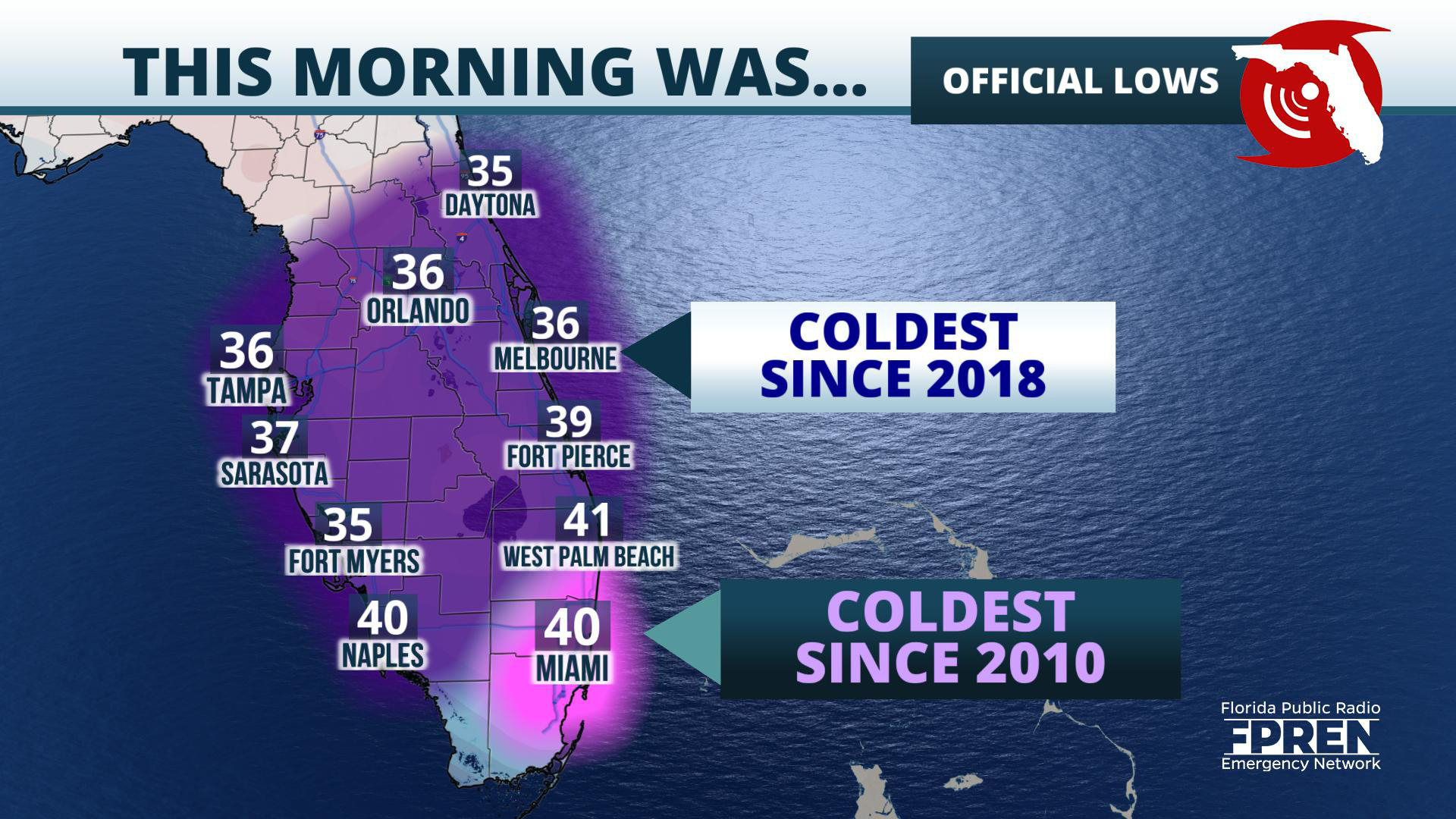
The notion of Florida experiencing sub-freezing temperatures might surprise many. Yet, historical weather data reveals that the Sunshine State is not immune to the grip of winter’s iciest breath. The coldest temperature ever officially recorded in Florida stands as a testament to the powerful influence of continental air masses penetrating far south.
The Record-Breaking Chill of 1962
The undisputed champion of Florida’s coldest temperatures occurred on February 13, 1962. On this frigid day, the thermometer in Tallahassee plummeted to a staggering 5 degrees Fahrenheit (-15 degrees Celsius). This exceptional reading sent shivers through the entire state, demonstrating that even the southernmost reaches of the continental United States can experience extreme cold.
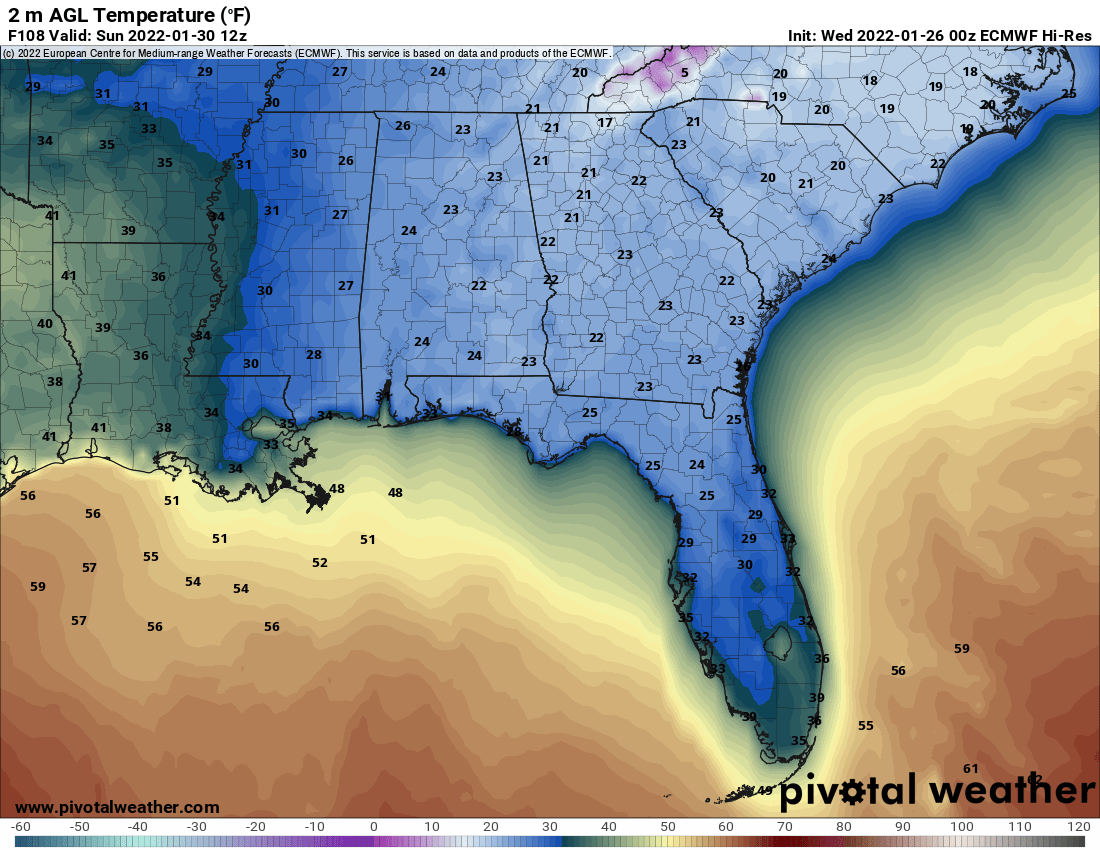
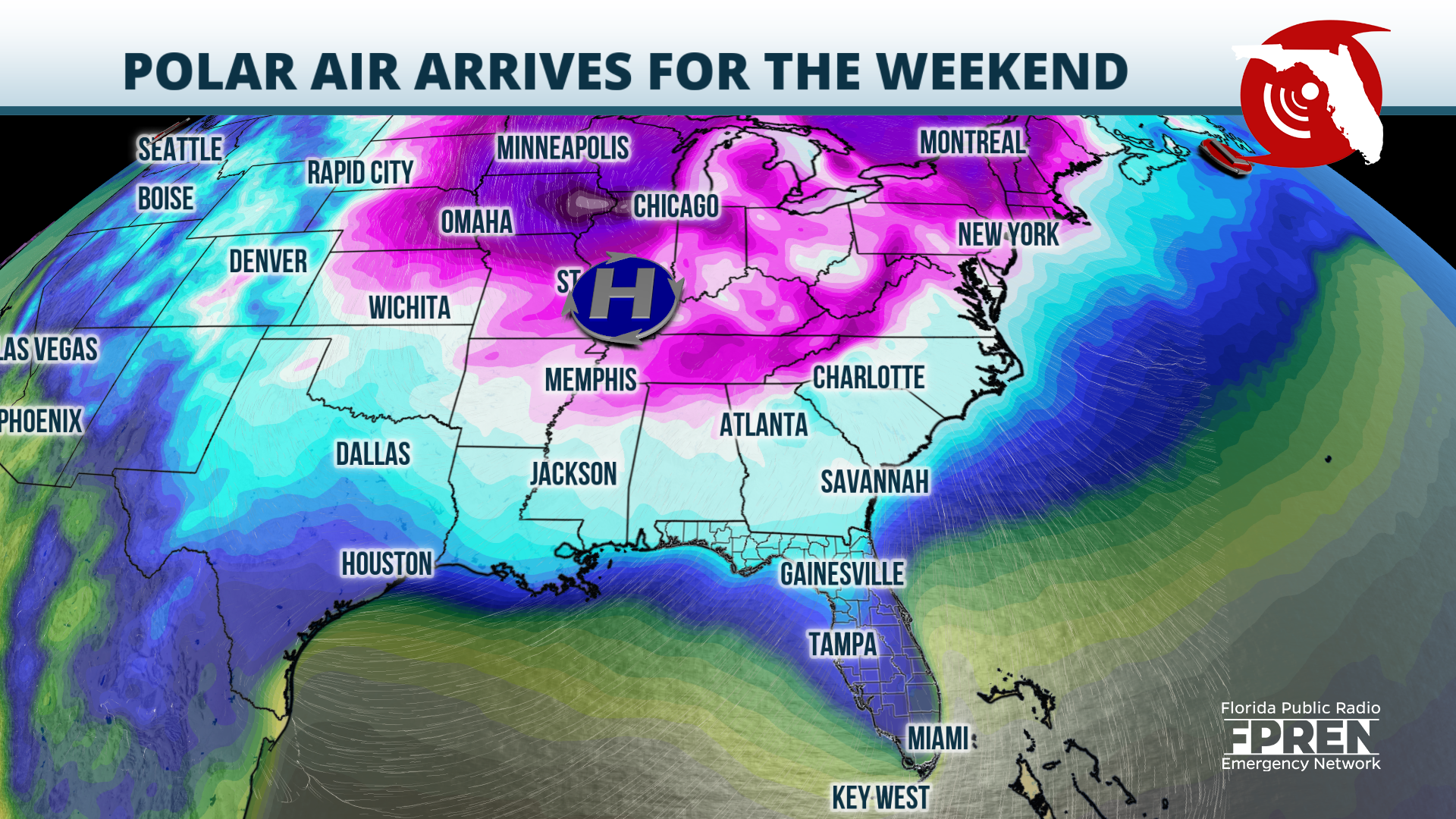
This event wasn’t an isolated incident of a brief dip; it was part of a broader cold wave that affected a significant portion of the eastern United States. The intensity of this cold snap was attributed to a potent combination of Arctic air descending southward, unimpeded by typical weather patterns that would usually keep such cold air further north. The implications for Florida, a state largely unprepared for such frigid conditions, were profound.
Other Notable Cold Snaps
While 1962 holds the official record, other significant cold events have punctuated Florida’s history:
- January 1899: This month saw widespread freezing conditions across Florida, including a recorded temperature of 18 degrees Fahrenheit (-7.8 degrees Celsius) in Jacksonville. This period is notable for its duration and the extent of its impact, affecting agriculture and daily life significantly.
- January 1977: Another severe cold wave brought temperatures as low as 23 degrees Fahrenheit (-5 degrees Celsius) to some inland areas. This event highlighted the vulnerability of crops, particularly citrus, to prolonged freezes.
- December 1989: A strong cold front brought freezing temperatures to many parts of the state, with some locations reaching the mid-teens Fahrenheit. This event underscored the ongoing risk of cold weather impacting Florida’s economy and infrastructure.
These instances, while not reaching the absolute record, illustrate that severe cold is a recurring, albeit infrequent, phenomenon in Florida. Each event serves as a reminder of the state’s susceptibility to shifts in global weather patterns and the importance of understanding its full climatic range.
The Impact of Extreme Cold on Florida’s Ecosystem and Economy
Florida’s unique subtropical environment is finely tuned to its generally warm climate. When extreme cold strikes, the impact can be far-reaching, affecting its delicate ecosystems, agricultural output, and the daily lives of its residents.
Devastation to Agriculture
Florida’s agricultural sector is particularly vulnerable to freezing temperatures. The state is a major producer of citrus fruits, such as oranges and grapefruits, as well as vegetables like tomatoes and strawberries.
- Citrus Industry: The citrus industry, a cornerstone of Florida’s economy, has suffered immensely from frost and freeze events throughout history. The freezes of 1962, 1983, and 1985, among others, decimated groves across the state, leading to billions of dollars in losses and a significant shift in where citrus is cultivated. Growers have since invested heavily in protective measures like wind machines, water sprinklers, and covering young trees, but severe freezes can still overwhelm these defenses. The iconic image of frozen orange groves has become a stark reminder of the economic fragility of this sector in the face of extreme weather.
- Vegetable Crops: Similarly, delicate vegetable crops are susceptible to frost damage, impacting harvests and supply chains. The timing of these freezes is critical; a freeze during flowering or fruiting stages can be particularly devastating.
Wildlife and Natural Habitats
Florida’s diverse wildlife, adapted to warmer climes, can also suffer during prolonged cold periods.
- Marine Life: While less common, manatees, which rely on warm waters for survival, can be threatened by unusually cold spells, especially in shallower coastal areas. They often seek refuge in power plant discharge canals or natural springs. Cold-stun events, where manatees become lethargic and vulnerable to predators or death due to low water temperatures, have been observed during severe cold snaps.
- Terrestrial Animals and Plants: Native plant species not adapted to freezing temperatures can suffer leaf damage or death. While many species have a degree of resilience, prolonged or unusually severe cold can stress even established flora. Reptiles and amphibians, being cold-blooded, become inactive and can be vulnerable if exposed to extended periods of deep cold or if their overwintering sites are compromised.
Infrastructure and Daily Life
Even in a state accustomed to heat, extreme cold can present challenges:
- Pipes and Water Systems: Freezing temperatures can cause pipes to burst in older buildings or homes not adequately insulated for such conditions, leading to significant water damage.
- Transportation: While snow is rare, icy conditions on roads can occur in the northern parts of the state, leading to hazardous driving. Power outages due to ice accumulation on power lines can also disrupt communities.
- Energy Demand: A sudden surge in demand for heating, even in a typically warm state, can strain energy grids.
Preparedness and Adaptation: Florida’s Response to Cold
While Florida’s identity is intrinsically linked to its warmth, the state has learned valuable lessons from its encounters with extreme cold. Over the decades, various strategies have been implemented to mitigate the impact of freezing temperatures.
Agricultural Innovations and Practices
The agricultural community has been at the forefront of developing and implementing cold-weather protection strategies:
- Micro-irrigation and Sprinklers: Applying water to crops during a freeze can protect them. As water freezes, it releases latent heat, keeping the plant tissues at or just above freezing point. This method is widely used for citrus and strawberries.
- Wind Machines: These large machines circulate warmer air from higher altitudes down to the ground level, preventing frost formation. They are particularly effective for protecting orchards.
- Covering and Mulching: For smaller plants and young trees, covers and layers of mulch provide insulation against the cold ground.
- Crop Diversification and Relocation: Farmers have also diversified their crop choices and, in some cases, relocated operations to warmer microclimates within the state or to different regions entirely to reduce freeze risk.
Building Codes and Infrastructure
While not as stringent as in colder climates, building codes in Florida have evolved to consider potential, albeit rare, freezing events. Improved insulation, frost-proof pipes, and more robust utility infrastructure contribute to resilience. Local governments and utility companies often issue advisories and prepare for increased energy demand during cold snaps.
Public Awareness and Emergency Response
With each significant cold event, public awareness campaigns are initiated to educate residents on how to prepare. This includes advice on protecting pipes, ensuring adequate heating, caring for pets, and understanding potential impacts on vulnerable populations. Emergency management agencies play a crucial role in coordinating responses and disseminating information during severe weather events.
Florida’s Climate: A Tale of Two Extremes
Florida’s weather narrative is often dominated by sunshine, heat, and hurricanes. However, acknowledging its capacity for extreme cold adds a crucial layer of understanding to its climatic profile. The coldest temperatures in Florida serve as important historical markers and ongoing reminders of the dynamic nature of weather, even in the most seemingly predictable environments.
The Nuance of Florida’s Climate
It’s vital to understand that Florida’s climate is not monolithic. While South Florida enjoys a tropical to subtropical climate with minimal risk of freezing, North Florida experiences a humid subtropical climate where frosts and freezes are more common, particularly in inland and northern regions. Cities like Tallahassee, Jacksonville, and the surrounding areas are more susceptible to winter’s chill than the Keys or Miami.
The Broader Meteorological Context
The cold snaps that affect Florida are often linked to larger weather systems originating from Canada or the Arctic. When the polar vortex shifts or a strong cold front pushes south, it can override the usual warm maritime influence that typically keeps Florida temperate. These events, though infrequent and short-lived in the grand scheme of Florida’s climate, have historically shaped its development, agriculture, and the way its communities prepare for the unexpected.
A State of Resilience
The story of Florida’s coldest temperatures is ultimately a story of resilience. It highlights the adaptive capacity of its natural environment, the ingenuity of its agricultural sector, and the preparedness of its people. While the allure of Florida remains its warmth and sunshine, understanding the full spectrum of its climate, including its coldest moments, offers a more complete and insightful picture of this dynamic and captivating state. The rare plunge into icy temperatures, while disruptive, also underscores the remarkable range of weather phenomena that contribute to the unique character of the Sunshine State.
LifeOutOfTheBox is a participant in the Amazon Services LLC Associates Program, an affiliate advertising program designed to provide a means for sites to earn advertising fees by advertising and linking to Amazon.com. Amazon, the Amazon logo, AmazonSupply, and the AmazonSupply logo are trademarks of Amazon.com, Inc. or its affiliates. As an Amazon Associate we earn affiliate commissions from qualifying purchases.