
Colorado, a state renowned for its majestic Rocky Mountains, vast open spaces, and vibrant outdoor culture, also boasts a rich tapestry of natural history. Among its many natural wonders, the state bird stands as a symbol of its wild spirit and enduring beauty. Understanding this avian representative offers a unique lens through which to appreciate the state’s diverse ecosystems and the heritage they embody.
The Avian Symbol of Colorado
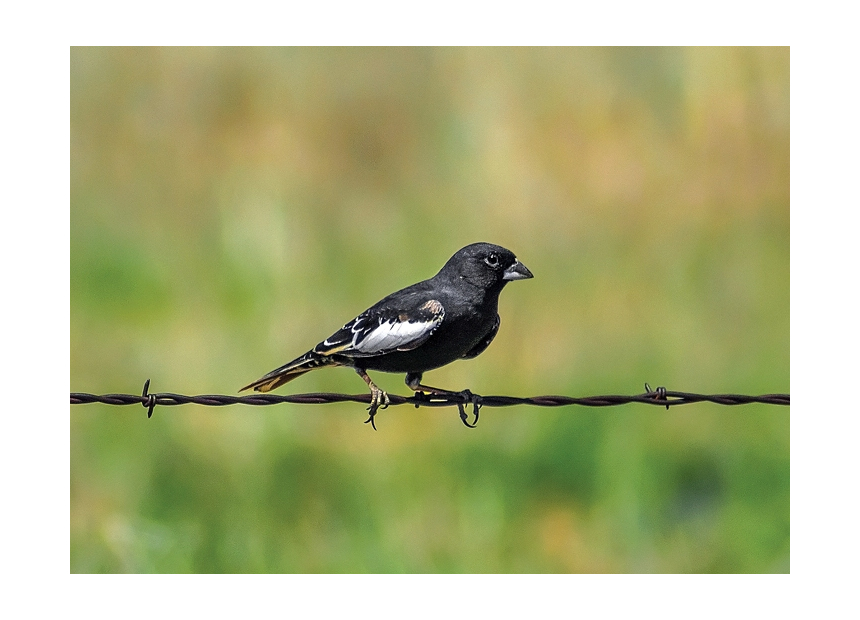
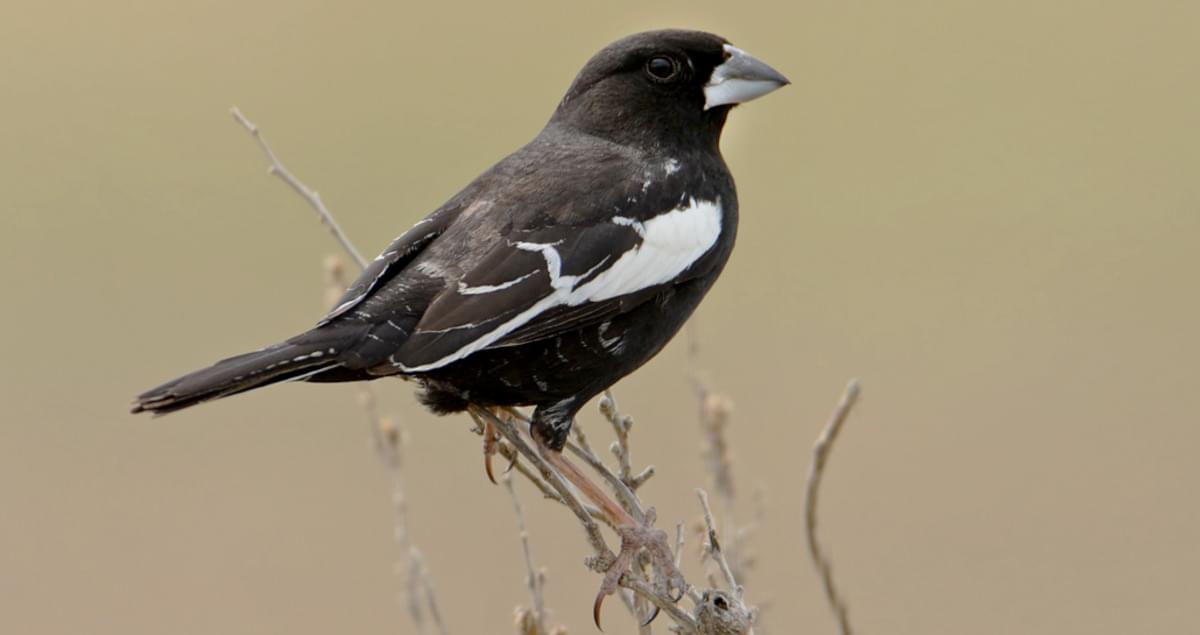
The state bird of Colorado is the Lark Bunting (Calamospiza melanocorys). This designation was officially adopted on April 26, 1933, following a statewide poll conducted by the Colorado Audubon Society. The selection of the Lark Bunting reflects a deep appreciation for the bird’s connection to the state’s prairies and plains, areas that, while perhaps less dramatic than the towering peaks, are fundamental to Colorado’s identity and ecological significance.

A Bird of the Plains
The Lark Bunting is a medium-sized bird, distinctive for its plumage and song. In breeding season, the male Lark Bunting is a striking figure, predominantly black with white wing patches that are conspicuous in flight. This contrast makes them easily identifiable against the backdrop of the western sky. Females, on the other hand, are more subtly colored, exhibiting a streaky brown plumage that provides excellent camouflage. This sexual dimorphism is a common trait in many bird species, allowing females to blend in while nesting.
These birds are primarily found in the shortgrass prairie and mixed-grass prairie ecosystems of North America, with Colorado being a significant part of their breeding range. They prefer open, dry grasslands, often with sparse vegetation and low shrubs. These habitats are crucial for their nesting and foraging activities. The Lark Bunting’s presence is intrinsically linked to the health and preservation of these vital prairie landscapes, which are increasingly under pressure from development and changing land use.
Behavioral Characteristics and Ecology
Lark Buntings are migratory birds, spending their winters in Mexico and Central America before returning to their northern breeding grounds, including Colorado, in the spring. Their arrival often coincides with the blooming of wildflowers and the abundance of insects, which form a substantial part of their diet. They are primarily insectivores during the breeding season, feeding on grasshoppers, beetles, and other invertebrates, which they often catch on the ground or in low flight. As the season progresses and seeds become more available, their diet shifts to include a variety of seeds from grasses and weeds.
One of the most fascinating aspects of the Lark Bunting’s ecology is its social behavior. They are often found in flocks, especially outside the breeding season. During the breeding season, males are known to exhibit a territorial display, perching on prominent elevated spots like fence posts or isolated shrubs to sing and announce their presence. Their song is a complex and melodious series of whistles, trills, and chattering notes, often delivered in flight, earning them the name “Lark” in their common designation, reminiscent of the European Lark.
Conservation Status and Significance
While the Lark Bunting is not currently listed as endangered, its reliance on prairie habitats makes it an indicator species for the health of these ecosystems. The ongoing conversion of grasslands for agriculture and urban expansion poses a threat to their populations. Conservation efforts aimed at preserving and restoring native prairies are therefore essential for the long-term survival of the Lark Bunting, as well as countless other species that depend on these environments.
The choice of the Lark Bunting as Colorado’s state bird serves as a powerful reminder of the importance of these often-overlooked landscapes. It encourages appreciation for the unique biodiversity of the plains and foothills, areas that are integral to the state’s natural heritage. For travelers and residents alike, observing Lark Buntings in their natural habitat can be a rewarding experience, offering a glimpse into the wild heart of Colorado beyond its more famous mountainous vistas.
Exploring Colorado’s Prairies and Their Avian Inhabitants
While the Rocky Mountains of Colorado draw millions of visitors for their hiking, skiing, and breathtaking scenery, the state’s eastern plains and western mesas offer a different, yet equally captivating, natural experience. These grasslands, often referred to as the “Last Best Places” by conservationists, are home to a unique array of flora and fauna, including the Lark Bunting. Understanding these environments enriches any visit to the Centennial State.
Eastern Plains: The Prairie Heartlands
The vast expanse of the Eastern Plains of Colorado is characterized by rolling hills, wide-open skies, and a resilience in its plant and animal life. This is the primary domain of the Lark Bunting during its breeding season. Traveling through this region, particularly during late spring and summer, offers opportunities to spot these birds.
Key Habitats for Observation
- Shortgrass Prairie National Reserve: While not a designated national park, areas managed for shortgrass prairie preservation are crucial. These protected lands offer the best chance to see the Lark Bunting in its undisturbed habitat. Many of these reserves are located east of Denver and extend towards the border with Kansas.
- State Wildlife Areas: Colorado Parks and Wildlife manages numerous state wildlife areas across the plains. These areas are often excellent for birdwatching and provide insights into the ecological processes that support prairie species.
- Rural Roadways: Driving along county roads in the eastern plains can lead to unexpected wildlife sightings. Pullover areas allow for safe observation of birds in the fields and along fence lines. It’s essential to be respectful of private property and wildlife.
When exploring these areas, remember that the heat on the plains can be intense during summer. Early morning and late evening are typically the best times for wildlife viewing and birdwatching, offering cooler temperatures and more active animals.
Western Colorado: A Different Prairie Experience
While the eastern plains are most famous for the Lark Bunting, similar prairie and shrubland habitats exist in western Colorado. These areas, often situated in the rain shadow of the Rockies, present a drier, more rugged landscape where adaptation is key.
Species Adaptations and Landscape Features
- Mesa Country: Regions like the Grand Junction area and surrounding mesas feature a mosaic of sagebrush, grasslands, and pinyon-juniper woodlands. These varied habitats support a different suite of bird species, though the Lark Bunting’s preferred open grasslands can still be found.
- Arid Environments: The birds found in these drier climes often have specific adaptations for conserving water and finding food in scarce conditions. This includes specialized foraging techniques and nesting behaviors.
Exploring western Colorado offers a chance to see how birds and other wildlife thrive in seemingly challenging environments, further highlighting the resilience represented by the Lark Bunting.
Beyond the Bird: The Cultural Significance of State Symbols
The designation of a state bird is more than just an ornithological fact; it’s a cultural touchstone. For Colorado, the Lark Bunting represents an identity tied to its vast landscapes and the untamed spirit of its wild inhabitants. This symbol connects residents and visitors to the natural heritage of the state, encouraging a deeper understanding and appreciation of its unique environments.
Symbolism and Identity
State symbols are often chosen to reflect characteristics that are deemed significant or representative of the state. In the case of the Lark Bunting, its preference for open, often challenging, prairie environments speaks to the pioneering spirit and resilience associated with Colorado. It reminds us that beauty and significance can be found not only in the dramatic peaks of the Rocky Mountains but also in the subtle, enduring landscapes of the plains.
Promoting Conservation Awareness
The presence of the Lark Bunting as a state symbol also serves an important educational purpose. It can draw attention to the ecological value of prairie habitats and the conservation challenges they face. By understanding and appreciating this bird, people are more likely to support efforts to protect these fragile ecosystems. This can include advocating for land preservation, supporting conservation organizations, and making informed choices about land use.
Connecting with Local Culture and Nature
For those visiting Colorado, learning about the state bird offers an opportunity to engage with its natural heritage on a deeper level. It provides a focal point for exploring different regions of the state and understanding the interconnectedness of its ecosystems. Whether you are staying at a luxury resort in the mountains or exploring a small town on the eastern plains, the Lark Bunting serves as a reminder of the diverse natural beauty that Colorado has to offer.
This awareness can enhance travel experiences, transforming a simple sightseeing trip into an educational journey. It encourages a more mindful approach to exploring natural landscapes, fostering a sense of stewardship and respect for the environment. The Lark Bunting, as the state bird, embodies this connection, bridging the gap between human culture and the wild heart of Colorado.
LifeOutOfTheBox is a participant in the Amazon Services LLC Associates Program, an affiliate advertising program designed to provide a means for sites to earn advertising fees by advertising and linking to Amazon.com. Amazon, the Amazon logo, AmazonSupply, and the AmazonSupply logo are trademarks of Amazon.com, Inc. or its affiliates. As an Amazon Associate we earn affiliate commissions from qualifying purchases.