
Colorado, known for its stunning mountain landscapes, vibrant cities, and outdoor lifestyle, attracts individuals seeking a dynamic living experience. Whether you’re contemplating a move, planning an extended stay, or simply curious about the financial framework of the Centennial State, understanding its tax structure is crucial. The state’s approach to taxation significantly influences the overall cost of living and the financial aspects of a lifestyle here. Unlike some states with highly progressive tax systems, Colorado generally favors a more streamlined and often lower tax burden for its residents, but intricacies exist at the local level. Delving into the state tax landscape reveals a balance between supporting public services and maintaining an environment conducive to economic growth and personal prosperity. This guide provides an insightful look into the various taxes that shape the financial lifestyle in Colorado, from income and sales taxes to property levies, helping you navigate the fiscal considerations of this captivating state.
Understanding Colorado’s Tax Landscape for Residents and Visitors
The financial architecture of Colorado is distinct, particularly when compared to other U.S. states. For anyone considering the Colorado lifestyle, whether it’s for employment, retirement, or simply a prolonged immersion in its unique culture, grasping the fundamentals of its tax system is paramount. This initial overview sets the stage by examining the major components of state taxation and how they collectively shape the economic environment and personal finances of those who call Colorado home, or even just visit. The state’s commitment to a more uniform tax rate structure for income and a blend of state and local sales taxes define much of its fiscal personality, impacting everything from daily expenditures to long-term financial planning.
The Flat Income Tax Advantage
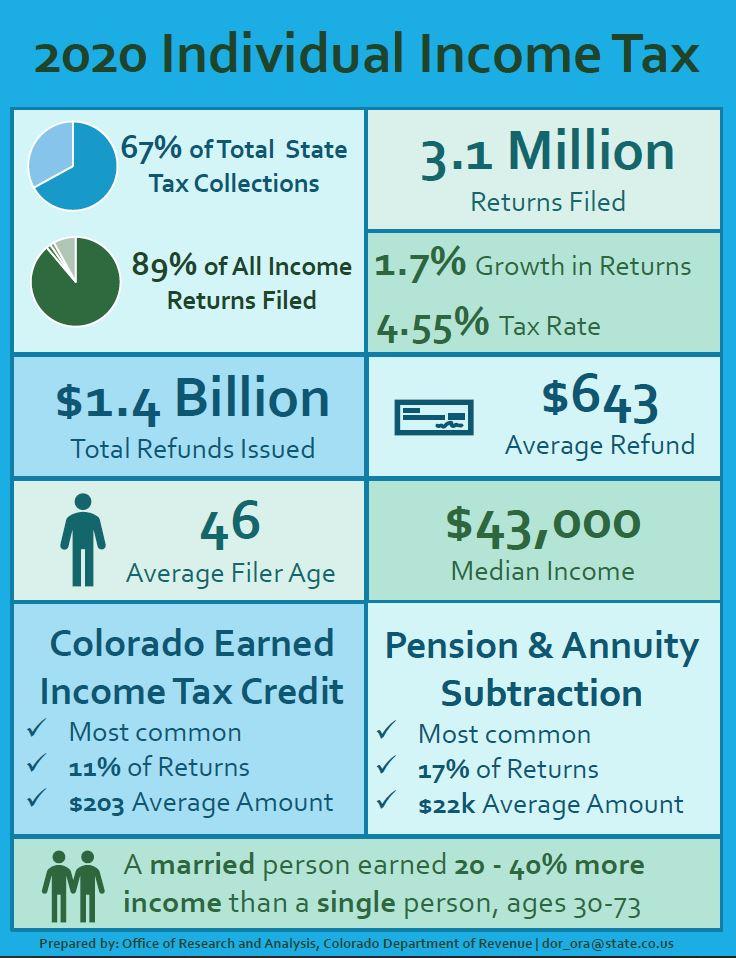
One of the most notable features of Colorado’s tax system is its flat income tax rate. Unlike many states that employ a progressive income tax system, where higher earners pay a greater percentage of their income in taxes, Colorado applies a single, consistent rate to all taxable income. This approach is often touted as a simpler and more equitable system by its proponents, as it means every dollar earned, regardless of the income bracket, is taxed at the same percentage. For individuals and families planning their budgets or evaluating the financial implications of moving to cities like Denver or Colorado Springs, this predictability can be a significant advantage. It allows for clearer financial forecasting and can be particularly appealing to those with higher incomes, as their marginal tax rate does not increase. The flat tax rate simplifies tax calculations and contributes to a perceived lower overall tax burden for many residents, influencing their discretionary spending and savings habits within the state.
Sales Tax: A Daily Consideration
Beyond income, sales tax represents another fundamental aspect of Colorado’s tax structure, impacting nearly every consumer transaction. While the state imposes a relatively modest base sales tax rate, the total sales tax rate can vary significantly depending on the specific city, county, and special districts where a purchase is made. This means that an item bought in downtown Boulder might carry a different sales tax burden than the same item purchased in a suburban area just outside Denver. For residents, this variability necessitates an awareness of local tax rates, especially for larger purchases or regular expenditures. For visitors, understanding these nuances can affect travel budgets and shopping decisions. The revenue generated from sales taxes is critical for funding local services and infrastructure, directly impacting the quality of life and the amenities available in different communities across Colorado.
Property Taxes and the Cost of Homeownership
For those considering planting roots in Colorado through homeownership, property taxes are an inescapable and significant financial consideration. Unlike income and sales taxes which are state-level, property taxes in Colorado are assessed, collected, and largely retained at the local level by counties, municipalities, and special districts. This decentralized approach means that property tax rates can vary widely, influenced by the local government’s budgetary needs, school districts, and other public services. While Colorado generally boasts lower residential property tax rates compared to many other states, the rapidly appreciating real estate values in popular areas like Aspen, Vail, or the Denver metropolitan area can still result in substantial annual tax bills. Understanding how property values are assessed, and how local mill levies are applied, is crucial for prospective homeowners to accurately gauge their long-term financial commitments and overall lifestyle expenses.
How Taxes Influence Cost of Living
The combination of income, sales, and property taxes, along with other miscellaneous levies, collectively defines the cost of living and the financial viability of a chosen lifestyle in Colorado. While the flat income tax and relatively low property tax rates can make Colorado appear financially attractive on paper, the high cost of housing in desirable areas, combined with varied sales tax rates, means that the overall expense of living can be substantial. For those contemplating a move or a long-term stay, a comprehensive evaluation of these tax implications alongside housing costs, transportation, and other living expenses is essential. The state’s fiscal policies aim to foster economic growth, which in turn can lead to higher wages, potentially offsetting some of the living costs. However, a nuanced understanding of how each tax component contributes to the overall financial picture is key to making informed lifestyle decisions in Colorado.
Navigating Colorado’s Income Tax System
The income tax system in Colorado is distinct due to its flat rate, which provides a level of predictability often appreciated by taxpayers. However, understanding who is required to pay, what deductions and credits are available, and the filing requirements is essential for accurate compliance and effective financial planning within the state’s lifestyle.
Who Pays Colorado Income Tax?
Generally, anyone who earns income while residing in Colorado is subject to its state income tax. This includes wages, salaries, business profits, rental income, and certain other forms of earnings. Non-residents who earn income from Colorado sources, such as selling property or conducting business within the state, may also be required to pay Colorado income tax, even if they don’t reside there full-time. This broad applicability means that from the seasonal worker in Vail to the tech professional in Denver, most individuals generating income in the state will encounter this tax. Understanding one’s residency status and the source of income is the first step in determining income tax obligations, a crucial aspect for anyone planning their financial lifestyle in the state.
Key Deductions and Credits
While Colorado maintains a flat tax rate, it does offer various deductions and credits that can reduce an individual’s taxable income, thereby lowering their overall tax liability. These provisions are designed to provide relief for certain expenses or circumstances, influencing the net financial impact on households. Common deductions often align with federal deductions, such as contributions to certain retirement accounts or health savings accounts. [Colorado](https://lifeoutofthebox.com/colorado]-specific credits might include those for childcare expenses, earned income, or energy-efficient home improvements, encouraging certain behaviors or supporting specific populations. For instance, the Child Care Expense Credit helps families manage the high costs of raising children, directly supporting family lifestyles. Keeping abreast of these available deductions and credits is vital for optimizing one’s tax position and maximizing disposable income in the state.
Filing Requirements for Individuals
Filing income taxes in Colorado typically mirrors the federal filing schedule, with an annual deadline in April. Most residents will file Form DR 0104, the Colorado Individual Income Tax Return. The process is straightforward, especially for those who also file federal taxes, as much of the information can be transferred. However, specific state-level adjustments or calculations related to unique Colorado provisions must be accounted for. Various methods are available for filing, including electronic filing through approved software or tax professionals, or mailing in paper forms. For those new to the state or those with complex financial situations, seeking guidance from a Colorado-licensed tax advisor can ensure compliance and help them understand the implications for their personal lifestyle budget.
The Nuances of Sales Tax in Colorado
Sales tax in Colorado is more intricate than the flat income tax, primarily due to the layered approach of state, county, and municipal levies. This complexity means that the sales tax experience can vary considerably depending on where you are in the state, directly impacting consumer spending and the pricing of goods and services.
State vs. Local Sales Tax Rates
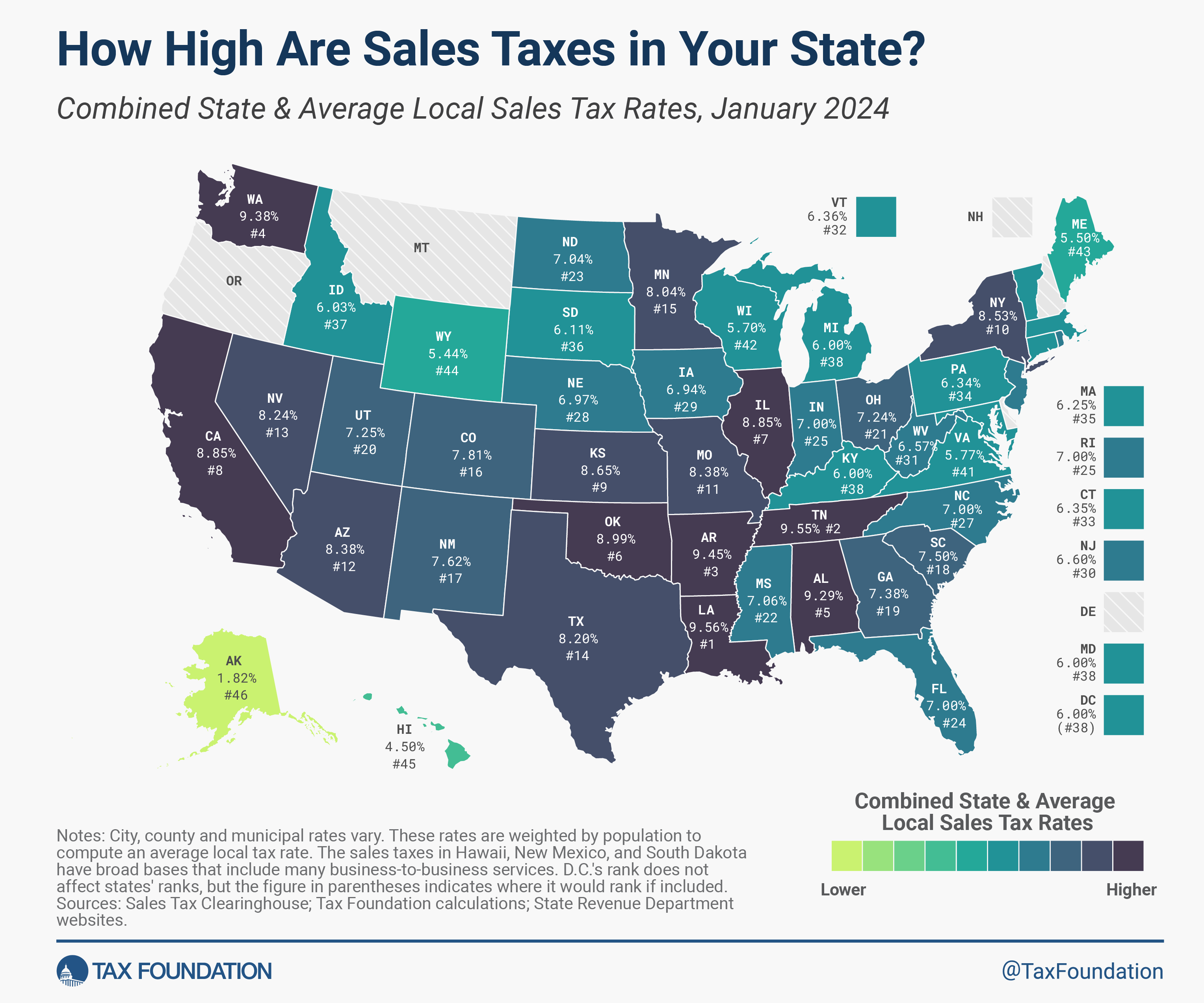
At the state level, Colorado imposes a relatively low sales tax rate. However, this base rate is just one part of the equation. Counties, cities, and various special districts (such as those funding transportation or cultural facilities) are authorized to levy their own additional sales taxes. This creates a patchwork of rates across the state. For example, the total sales tax in Denver will include the state rate, Denver County’s rate, the City of Denver’s rate, and potentially special district taxes. This combined rate can be significantly higher than the state-only rate. Residents of Colorado become accustomed to this variability, often knowing the specific rates in their local shopping areas. For visitors and new residents, being aware of these local distinctions is crucial for budgeting daily expenses and understanding the true cost of goods and services.
What Goods and Services Are Taxable?
Generally, sales tax in Colorado applies to the retail sale of tangible personal property. This includes most consumer goods, from electronics and clothing to home furnishings. However, there are notable exemptions that impact daily lifestyle. For instance, most services are not subject to sales tax, which is a significant departure from some other states where services like haircuts, legal advice, or even gym memberships might be taxed. Certain essential items, like prescription drugs and many food items purchased for home consumption, are also typically exempt from state sales tax, though local jurisdictions might apply specific taxes to groceries. Understanding these exemptions can help residents manage their household budgets more effectively and contributes to a lower overall cost of living for essentials.
Impact on Tourist Spending and Local Commerce
The tiered sales tax structure has a direct impact on both tourist spending and local commerce in Colorado. Popular tourist destinations like Aspen or Vail often have higher combined sales tax rates, which can slightly increase the cost of souvenirs, dining, and retail therapy for visitors. Conversely, the absence of sales tax on most services can be a draw for certain types of businesses and consumers. For local businesses, navigating the various sales tax rates and ensuring proper collection and remittance to multiple jurisdictions can be a complex administrative task. However, the revenue generated from these taxes is vital for funding local amenities, infrastructure projects, and tourism promotion efforts, which in turn enhance the quality of life for residents and the experience for visitors, fostering a vibrant Colorado lifestyle.
Property Taxes and Real Estate Lifestyle in Colorado
Property taxes are a cornerstone of local government funding in Colorado, directly influencing the real estate market and the financial landscape for homeowners. While the state’s overall property tax burden is often cited as being lower than the national average, the specific calculation and impact can vary significantly based on location and property value.
Assessment Rates and Mill Levies
In Colorado, property taxes are calculated based on a property’s actual value, as determined by the county assessor, and then multiplied by an assessment rate and a mill levy. The assessment rate, which is a percentage of the actual value, is set by the state legislature and differs for residential versus commercial properties. For residential properties, this rate is notably lower than for other property types, a policy designed to provide some relief to homeowners. The mill levy, on the other hand, is a local tax rate expressed in mills (one mill equals $1 for every $1,000 of assessed value). It is determined by each local taxing entity, such as counties, school districts, and special service districts (e.g., fire, water, parks). These local levies are crucial for funding the public services that contribute to the quality of life in a community. Consequently, a home in a highly serviced area like Boulder or Colorado Springs might have a higher mill levy than a property in a less developed rural area, directly impacting the annual tax bill.
Understanding Property Tax Bills
Receiving a property tax bill in Colorado can sometimes be a complex experience due to the multiple taxing authorities involved. A single bill will typically itemize the amounts allocated to the county, local school districts, and various special districts relevant to the property’s location. This transparency allows homeowners to see exactly which local services their tax dollars are supporting, from roads and libraries to fire protection and parks. For those managing a budget for their Colorado lifestyle, understanding these components is crucial. Property taxes are generally paid in arrears, either in a single installment or two halves, with deadlines usually in February and June. Many homeowners opt to have their property taxes escrowed through their mortgage payments, spreading the cost throughout the year for easier financial management.
Homestead Exemptions and Relief Programs
Colorado offers certain property tax relief programs, most notably the Senior Homestead Exemption. This program provides a partial exemption from property taxes for qualifying senior citizens and surviving spouses, allowing them to retain a portion of their home’s actual value from taxation. To qualify, individuals must be at least 65 years old (or the surviving spouse of a qualified senior), have owned their home for at least 10 consecutive years, and occupy it as their primary residence. This exemption can significantly reduce the property tax burden for eligible seniors, enabling them to maintain their lifestyle in their homes and communities, especially in areas with rising property values. There may also be other, more localized relief programs or deferral options, making it worthwhile for homeowners to investigate what assistance might be available in their specific county or city to ease the financial aspects of homeownership in Colorado.
Broader Tax Considerations and Economic Impact on Lifestyle
Beyond the primary taxes on income, sales, and property, Colorado’s tax ecosystem includes a range of other levies that, while perhaps less pervasive, contribute to the state’s revenue and indirectly influence the overall lifestyle and economic environment. Understanding these broader considerations helps complete the picture of Colorado’s fiscal landscape.
Other State-Level Taxes
Colorado also imposes specific excise taxes on certain goods and activities, often referred to as “sin taxes” or “user fees.” These include taxes on gasoline, tobacco products, and alcohol. Notably, Colorado was among the first states to legalize recreational marijuana, and it levies a significant excise tax and sales tax on cannabis products. The revenue from these specific taxes often funds particular initiatives, such as infrastructure projects (gas tax) or education and public health programs (cannabis taxes). For individuals, these taxes represent a direct cost on specific consumption habits. For example, a heavy smoker or frequent driver will feel the impact of these taxes more directly, influencing their discretionary spending and overall budget for their Colorado lifestyle.
Tax Revenue and Public Services
The collective revenue generated from all of [Colorado](https://lifeoutofthebox.com/colorado]’s state and local taxes is essential for funding the wide array of public services that underpin the quality of life in the state. This includes everything from the maintenance of state parks and public lands—which are integral to [Colorado](https://lifeoutofthebox.com/colorado]’s outdoor lifestyle—to the funding of schools, hospitals, public safety, and transportation infrastructure. A well-funded public sector ensures accessible education, efficient public services, and a robust infrastructure, all of which contribute to a higher standard of living and make Colorado an attractive place to live and work. The balance between tax collection and public service provision is a constant legislative discussion, directly influencing the resources available to support residents’ lifestyles.

The Overall Financial Picture of Living in Colorado
Ultimately, understanding what the Colorado state tax entails is about more than just numbers; it’s about comprehending the financial environment that shapes one’s lifestyle choices. While the state offers a generally favorable income tax structure with its flat rate and some of the nation’s lowest residential property tax rates, these advantages must be weighed against other factors, such as the high cost of housing in popular areas and the variable sales tax rates. For many, the vibrant job market, unparalleled access to outdoor recreation, and a generally progressive social environment make Colorado an exceptionally desirable place to live. By thoroughly examining the state’s tax obligations, individuals can better plan their budgets, make informed decisions about where to live, and ultimately determine if the Colorado lifestyle aligns with their financial goals and aspirations. The state’s tax policies are designed to maintain a healthy economy and provide essential public services, creating a unique financial landscape for all who choose to experience the Centennial State.
LifeOutOfTheBox is a participant in the Amazon Services LLC Associates Program, an affiliate advertising program designed to provide a means for sites to earn advertising fees by advertising and linking to Amazon.com. Amazon, the Amazon logo, AmazonSupply, and the AmazonSupply logo are trademarks of Amazon.com, Inc. or its affiliates. As an Amazon Associate we earn affiliate commissions from qualifying purchases.