
For any traveler embarking on an adventure to the scenic state of Colorado, understanding its time zone is a fundamental aspect of seamless trip planning. Colorado operates predominantly within the Mountain Time Zone, observing both Mountain Standard Time (MST) during the cooler months and Mountain Daylight Time (MDT) when Daylight Saving Time is in effect. This might seem like a minor detail, but its implications span everything from booking flights and making dinner reservations to coordinating outdoor excursions and communicating with contacts in different parts of the United States or abroad. A firm grasp of Colorado’s temporal rhythm ensures that your travel experience is not only enjoyable but also impeccably organized, allowing you to fully immerse yourself in the majestic landscapes and vibrant culture the state has to offer without missing a beat—or a sunrise hike.
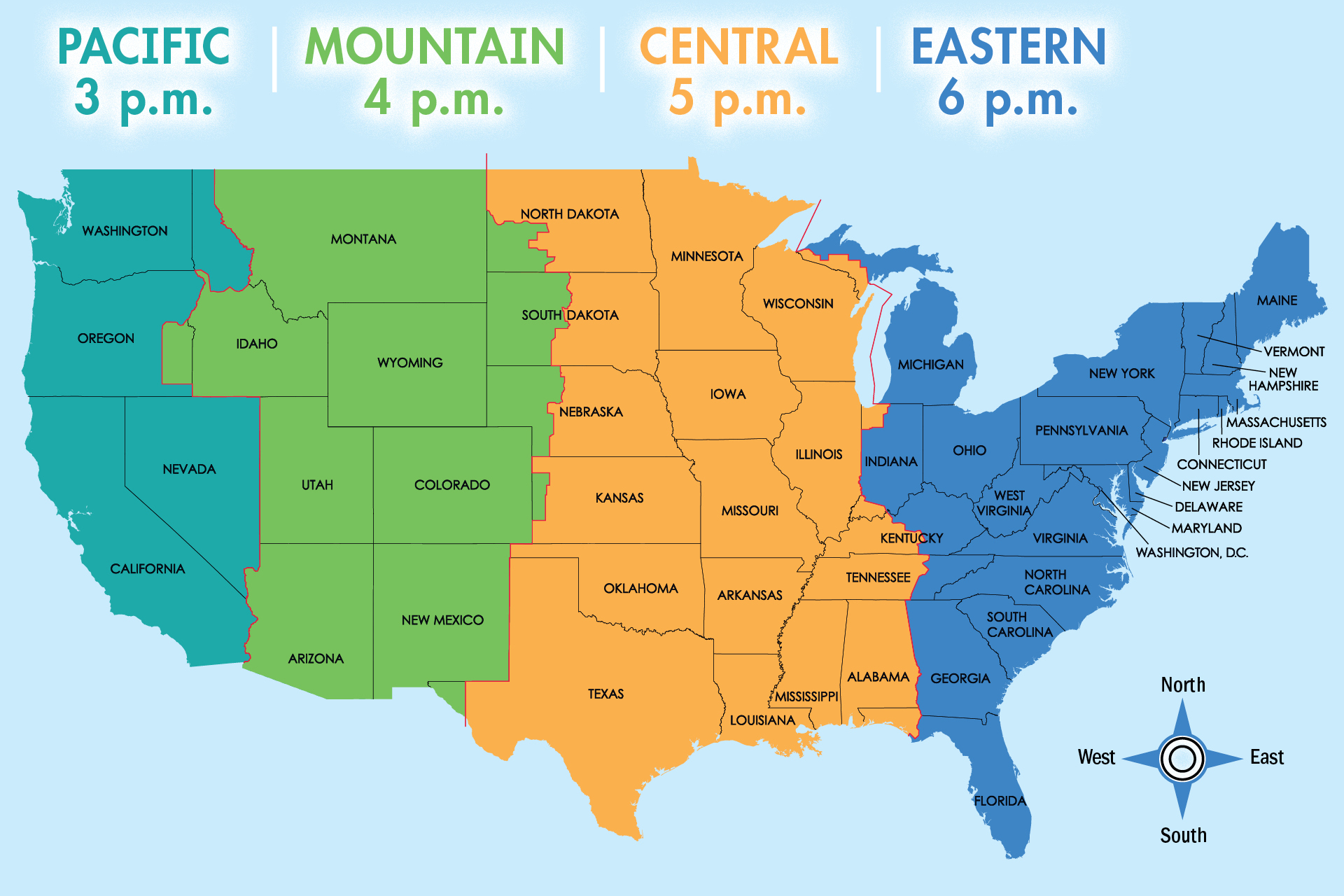
This guide will delve into the specifics of Colorado’s time zone, offering insights into how it works, how it impacts your travel itinerary, and practical advice for navigating any potential time differences. Whether you’re planning to hit the slopes in Aspen, explore the urban delights of Denver, or trek through Rocky Mountain National Park, a little foresight regarding the clock will go a long way in enhancing your Colorado journey.
Decoding Mountain Time: An Overview for Travelers
The Mountain Time Zone is one of the four primary time zones within the contiguous United States, characterized by its stunning natural geography. For visitors to Colorado, understanding this temporal framework is more than just knowing what time it is; it’s about setting expectations and planning effectively.
Mountain Standard Time (MST) Defined
Mountain Standard Time (MST) is generally observed from early November to mid-March. It is designated as UTC-7, meaning it is seven hours behind Coordinated Universal Time (UTC). For travelers arriving from time zones further east, this means “gaining” hours, which can be a welcome adjustment for those experiencing jet lag in reverse. For instance, if it’s 10:00 AM in the Eastern Time Zone (UTC-5), it would be 8:00 AM in Colorado during MST. Conversely, if you’re coming from the Pacific Time Zone (UTC-8), you’d “lose” an hour, pushing you further into your travel day. Colorado’s consistent use of MST during these months provides a stable baseline for all travel activities, from catching connecting flights at Denver International Airport to making reservations for dinner in Boulder. The relative uniformity across the entire state simplifies logistics, ensuring that once you’re in Colorado, all local clocks are in sync.
The Role of Daylight Saving Time (MDT)
When spring arrives, typically on the second Sunday in March, Colorado springs forward into Mountain Daylight Time (MDT). This means the clocks advance by one hour, shifting the time offset to UTC-6. The primary purpose of Daylight Saving Time is to make better use of daylight, providing more light in the evening hours at the expense of an hour in the morning. For travelers, this transition is crucial. If your trip spans this “spring forward” date, remember to adjust your watches and electronic devices accordingly. Failing to do so could lead to missed appointments, delayed departures, or simply being out of sync with local schedules. MDT typically lasts until the first Sunday in November, when clocks fall back to MST. The extended daylight hours during MDT are particularly advantageous for tourists, allowing for longer outdoor activities, more scenic drives, and later starts for evening events, which perfectly complements Colorado’s active, outdoor-centric lifestyle.
Why Colorado Adheres to Mountain Time
Colorado’s adherence to the Mountain Time Zone is primarily due to its geographical location. The time zones in the United States are broadly defined by lines of longitude, ensuring that noon generally occurs when the sun is at its highest point in the sky. Colorado falls squarely within the longitudinal range designated for Mountain Time. This zone stretches from the Canadian border south through the central United States and into Mexico, encompassing states like Arizona (which largely observes MST year-round without Daylight Saving Time), New Mexico, Utah, and parts of others. The choice of time zone is a practical one, designed to standardize daily schedules and facilitate commerce and communication across vast geographical areas. For travelers, this means that while Colorado’s stunning mountain ranges define its physical landscape, its position within the Mountain Time Zone defines its temporal landscape, providing a consistent framework for all who visit or reside there.
Planning Your Trip: Time Zone Implications for Colorado Visitors
The time zone isn’t just a label on a map; it’s a critical element in crafting a smooth and enjoyable travel itinerary. Disregarding it can lead to confusion and missed opportunities, especially in a state like Colorado, where many activities are time-sensitive.
Flights and Arrival Times
Your flight schedule is perhaps the most immediate and impactful area affected by time zones. When booking flights to Colorado, all arrival and departure times will typically be listed in local time. This means if you’re flying from New York City (ET) to Denver (MT), a 9:00 AM departure from New York might show an 11:00 AM arrival in Denver, even though the flight itself is closer to 3-4 hours. The apparent “gain” of time on arrival can be deceptive; always calculate the actual flight duration and the time difference to understand when you will truly arrive in Colorado relative to your home time. This is especially vital for coordinating airport pickups, hotel check-ins, or immediate post-arrival plans. Double-checking the time zone on your booking confirmations and flight trackers will prevent any last-minute surprises or delays in your travel plans.
Scheduling Activities and Reservations
Once you’ve landed and settled in, the Mountain Time Zone continues to dictate your daily rhythm. Many popular attractions, from timed entry at Rocky Mountain National Park to guided tours of the Garden of the Gods near Colorado Springs, operate on strict schedules. Restaurant reservations, ski lessons, white-water rafting trips, and concert tickets will all be aligned with local Colorado time. It’s imperative to set your devices to the correct time upon arrival to avoid missing these crucial bookings. Consider also that popular outdoor activities often begin early to maximize daylight, especially during MDT, or to avoid crowds. Being aware of the local time ensures you’re punctual and don’t miss out on the experiences you’ve meticulously planned.
Business and Communication Across Time Zones

For business travelers or those needing to stay connected with work, family, or friends during their Colorado trip, the time zone difference is a significant factor. If you’re coming from the Eastern Time Zone, Colorado will be two hours behind, meaning a 9:00 AM meeting in New York is 7:00 AM in Denver. Conversely, if you’re communicating with someone in the Pacific Time Zone, Colorado will be one hour ahead. Using world clock apps or dual-time watches can be incredibly helpful. Informing colleagues or family members of your time zone change can also prevent miscommunications and ensure that important calls or messages are exchanged at convenient times for all parties involved. This thoughtful consideration can maintain productivity for business and ease communication with loved ones, allowing you to fully enjoy your Colorado experience without digital distractions becoming a temporal headache.
Navigating Jet Lag and Time Adjustments
Traveling across time zones can sometimes lead to jet lag, a temporary sleep disorder that can affect your energy levels, mood, and overall well-being. While Colorado’s Mountain Time Zone might only be a one or two-hour shift for most domestic travelers, even minor adjustments can impact your initial days.
Pre-Trip Preparation for Time Changes
Proactive measures can significantly ease the transition into Colorado time. A few days before your trip, try to gradually adjust your sleep schedule. If you’re traveling west, aim to go to bed an hour or two later each night, and wake up later. If traveling east (though less common for reaching [Colorado](https://lifeoutofthebox.com/colorado] from within the contiguous United States), try to go to bed earlier and wake up earlier. On the day of travel, hydrate well, avoid excessive caffeine and alcohol, and try to get some rest on the plane if possible. Setting your watch to Colorado time as soon as you board your flight can also help your mind begin to adjust psychologically. These small steps can make a considerable difference in how quickly your body adapts to the new schedule.
On-Arrival Strategies for Acclimatization
Once you arrive in Colorado, immerse yourself in the local time as quickly as possible. This means eating meals at local times, engaging in outdoor activities, and exposing yourself to natural light, especially in the morning. Natural light helps regulate your body’s circadian rhythm, signaling to your brain when it’s daytime and when it’s time to sleep. Avoid taking long naps, which can confuse your body further. If you feel tired, opt for a short power nap of 20-30 minutes. Prioritize getting a good night’s sleep on your first night, even if it means going to bed earlier than usual. Staying active and exploring Colorado’s vibrant outdoors, such as a stroll through Washington Park in Denver or a gentle hike, can also help you adjust by keeping you alert and engaged with your new environment.
Maintaining Your Schedule While Exploring
Colorado offers an abundance of attractions and activities, from scaling Pikes Peak to exploring the historic streets of Durango. While it’s tempting to pack your schedule, maintaining a relatively consistent sleep-wake cycle throughout your trip will help prevent fatigue and ensure you can fully enjoy each day. Be mindful of how late-night activities might impact your ability to wake up for early morning excursions. Utilize smartphone alarms and calendar reminders to keep track of local times for all your planned events. Embrace the rhythm of [Colorado](https://lifeoutofthebox.com/colorado]’s Mountain Time Zone, allowing for sufficient rest between adventures. This balance will ensure you stay energized and ready to experience all the natural beauty and urban excitement Colorado has to offer.
Beyond the Clock: Colorado’s Unique Appeal
While understanding the Colorado time zone is a practical necessity, it’s merely the backdrop against which the state’s true allure unfolds. From bustling cities to serene wilderness, [Colorado](https://lifeoutofthebox.com/colorado] offers diverse experiences that make any temporal adjustment worthwhile.
Denver and Colorado Springs: Urban Adventures
Denver, the Mile High City, serves as the vibrant capital and a cultural hub within the Mountain Time Zone. Its downtown core, featuring attractions like the Denver Art Museum, Coors Field, and the historic Larimer Square, operates on a schedule that caters to both early risers and night owls. Colorado Springs, nestled at the foot of Pikes Peak, offers a blend of military history, natural beauty, and family-friendly attractions. Both cities provide excellent opportunities to enjoy urban life, fine dining, and entertainment, all managed efficiently within the Mountain Time Zone. Travelers will find ample opportunities to experience the local pace, whether it’s a morning coffee in a bustling Denver cafe or an afternoon exploring the United States Air Force Academy grounds.
Rocky Mountain National Park and Outdoor Experiences
For many, Colorado is synonymous with its breathtaking natural landscapes, and Rocky Mountain National Park is its crown jewel. Operating strictly on Mountain Time (MST/MDT), this park requires visitors to be mindful of opening hours, timed entry systems (especially during peak seasons), and the importance of starting hikes early to avoid afternoon thunderstorms or to catch the perfect sunrise. Beyond the national park, Colorado’s vast wilderness offers world-class skiing in Vail and Breckenridge, mountain biking in Moab (though Moab is in Utah, it’s a popular extension for Colorado visitors), and hot springs in Glenwood Springs. All these activities are meticulously scheduled according to the Mountain Time Zone, making punctuality a virtue for maximizing your adventure time. The natural light provided by Daylight Saving Time particularly extends the window for evening hikes and scenic drives.
Cultural Events and Local Timings
Colorado’s calendar is dotted with numerous festivals, concerts, and cultural events throughout the year. From the Telluride Film Festival to Denver’s annual Great American Beer Festival, these events are vibrant expressions of the state’s unique character. All schedules and performances adhere to local Mountain Time. Being well-adjusted to the time zone means you won’t miss the opening acts, parade starts, or critical workshops. Engaging with local culture at its scheduled time offers a deeper, more authentic travel experience. Before embarking on your trip, review event calendars and confirm timings, especially if your visit coincides with the “spring forward” or “fall back” transition of Daylight Saving Time, to ensure you catch every moment of Colorado’s rich cultural tapestry.
In conclusion, understanding “What Is The Colorado Time Zone?” is more than a trivial query; it’s a foundational piece of information for any discerning traveler. By grasping the nuances of Mountain Standard Time and Mountain Daylight Time, travelers can confidently plan their journeys, manage logistical challenges, mitigate the effects of time changes, and ultimately, immerse themselves fully in the wonders of [Colorado](https://lifeoutofthebox.com/colorado]. Armed with this knowledge, your visit to this magnificent state will undoubtedly be a well-timed and unforgettable adventure.
LifeOutOfTheBox is a participant in the Amazon Services LLC Associates Program, an affiliate advertising program designed to provide a means for sites to earn advertising fees by advertising and linking to Amazon.com. Amazon, the Amazon logo, AmazonSupply, and the AmazonSupply logo are trademarks of Amazon.com, Inc. or its affiliates. As an Amazon Associate we earn affiliate commissions from qualifying purchases.