
Alaska, the “Last Frontier,” beckons with its unparalleled natural beauty, vast wilderness, and a unique way of life. For many, the allure of rugged landscapes, abundant wildlife, and a sense of remoteness is a powerful draw. However, before packing your bags for this extraordinary state, a crucial consideration is the cost of living. Alaska presents a distinct economic landscape, shaped by its geography, infrastructure, and the sourcing of goods and services. Understanding these factors is paramount for anyone contemplating a move or an extended stay.
The Economic Landscape of Alaska
Alaska’s economy is significantly influenced by its remote location and the logistics involved in transporting goods. Unlike the contiguous United States, many items must be flown or shipped in, adding to their final cost for consumers. This is particularly true for perishable goods and consumer products.
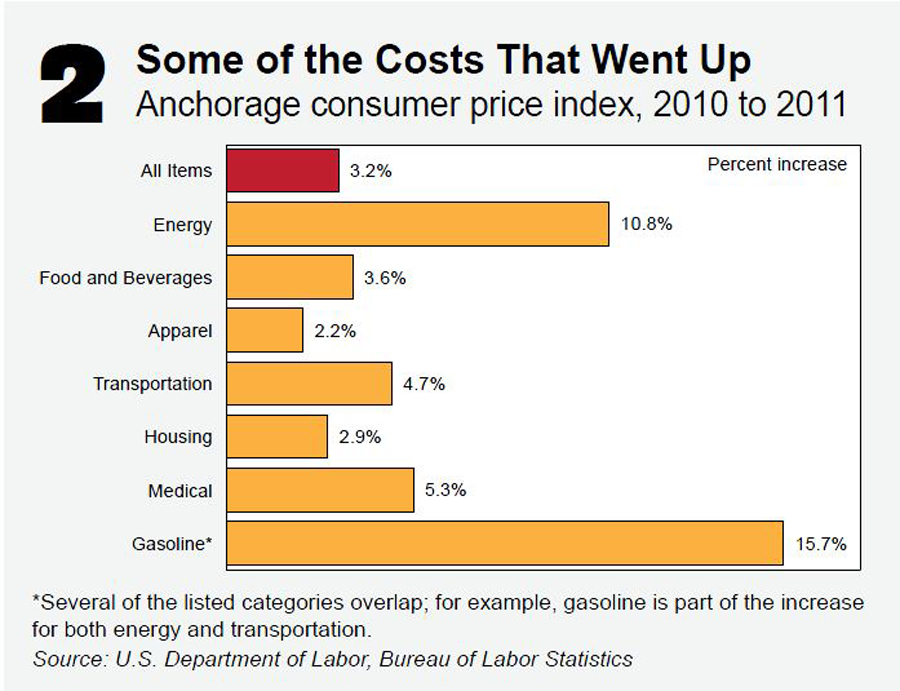
Transportation and Logistics
The sheer size of Alaska and its limited road network mean that air and sea transportation are vital for commerce. Cities like Anchorage and Fairbanks serve as major hubs, but even reaching smaller communities can involve considerable expense. This inherent challenge translates into higher prices for groceries, fuel, and many other daily necessities. The reliance on imported goods means that consumers often absorb the costs associated with long-distance freight and specialized transportation.
Impact of Oil and Gas Industry
Historically, the oil and gas industry has played a significant role in Alaska’s economy, influencing everything from state revenue to employment opportunities. While this industry provides substantial economic benefits through taxes and royalties, its cyclical nature can also create economic fluctuations. For residents, this can sometimes translate into periods of higher or lower disposable income, indirectly affecting purchasing power and the perceived cost of living.
Seasonal Economy and Employment
Many parts of Alaska experience a pronounced seasonal economy, with tourism and fishing being major contributors during the warmer months. This seasonality can impact employment opportunities and income stability, especially for those in seasonal industries. Understanding the employment landscape and potential for year-round work is an essential component of assessing the true cost of living and financial feasibility of residing in Alaska.
Key Cost of Living Components
When evaluating the cost of living in any location, certain categories consistently stand out. In Alaska, these categories often reflect the unique challenges and opportunities of living in a vast, remote, and resource-rich state.
Housing Costs
Housing expenses in Alaska can vary significantly depending on the location and type of dwelling. Major population centers like Anchorage, Juneau, and Fairbanks generally have higher housing costs compared to smaller, more remote communities. However, even in these larger cities, housing can sometimes be more affordable than in comparable cities in the contiguous United States, particularly when considering the cost per square foot in some instances.
Rent vs. Buying
The decision to rent or buy in Alaska involves weighing similar factors as elsewhere, but with an Alaskan twist. Rental markets in larger cities can be competitive, especially for desirable properties. Home prices can range from affordable options in smaller towns to substantial investments in prime locations. Properties in remote areas might be more affordable in terms of initial purchase price but can incur higher costs for maintenance, utilities, and transportation to and from the property. The availability of specific types of housing, such as modern apartments or single-family homes, also varies by region.
Utilities
Utility costs in Alaska can be a significant expense, primarily due to heating requirements in a cold climate and the logistics of energy production and distribution. Electricity rates can be higher than the national average, especially in areas not connected to the main power grid. Heating fuels, such as heating oil or natural gas, are essential for a substantial portion of the year. The cost of these fuels can fluctuate based on global energy prices and local distribution costs. Water and sewer services are also a factor, with costs varying by municipality. Internet and telecommunication services, while improving, can sometimes be more expensive and less reliable in more remote areas.
Groceries and Food
The cost of groceries in Alaska is a well-documented aspect of its high cost of living. Due to the extensive shipping required to bring food items into the state, prices for fresh produce, meats, dairy, and pantry staples are generally higher than in the Lower 48. This is particularly true for items that are not locally sourced.
Local Produce and Seafood
Alaska does have a robust agricultural sector for certain crops that can thrive in its climate, and its world-renowned seafood industry provides locally available and often more affordable protein options. However, the growing season is short, and the variety of locally grown produce can be limited compared to more temperate regions. For residents in smaller towns or villages, the reliance on shipped-in food items means that grocery bills can be a substantial part of the monthly budget.
Shopping Strategies
Many Alaskans develop smart shopping strategies to mitigate these costs. This includes shopping at larger chain supermarkets in the major cities, utilizing bulk purchasing options, and embracing seasonal eating when possible. For those living in remote areas, regular trips to larger supply centers or participating in community food-buying cooperatives can help reduce individual costs.

Transportation
Transportation costs in Alaska are a critical consideration, largely dictated by the vast distances and limited infrastructure. Owning and operating a vehicle is often a necessity, and the costs associated with it can be substantial.
Vehicle Ownership and Maintenance
The purchase price of vehicles can be higher due to shipping costs. Fuel prices are also a significant factor, often exceeding the national average. Moreover, the harsh winter conditions can lead to increased wear and tear on vehicles, necessitating more frequent maintenance and repairs. Tire replacement, especially for winter tires, is a common and necessary expense.
Air Travel
For many Alaskans, particularly those in rural areas, air travel is not a luxury but a necessity for essential travel, medical appointments, and sometimes even for obtaining specific goods. The cost of flights within Alaska can be very high, making it an expensive undertaking to travel between different regions of the state or to connect with the outside world. This significantly impacts the ability to visit family and friends outside of Alaska or to travel for leisure or business.
Healthcare
Healthcare costs in Alaska are influenced by factors similar to those affecting other goods and services: the cost of transporting medical supplies, the availability of specialists, and the logistics of providing healthcare services across vast distances.
Access to Services
Access to specialized medical care can be a challenge in some parts of Alaska, often requiring travel to larger centers like Anchorage or even to the contiguous United States. This travel, combined with the cost of medical services, can make healthcare a considerable expense for residents.
Insurance and Premiums
Health insurance premiums in Alaska can also be higher than in some other states. The prevalence of certain health conditions and the cost of delivering healthcare services contribute to these higher rates. Understanding local health insurance options and potential employer-sponsored plans is crucial for budgeting healthcare expenses.
Other Daily Expenses
Beyond the major categories, a variety of other daily expenses contribute to the overall cost of living in Alaska.
Clothing and Gear
Due to the extreme climate, residents often need to invest in specialized clothing and gear for warmth and protection. High-quality winter coats, insulated boots, waterproof outerwear, and thermal base layers are essential. While these are durable purchases, the initial investment can be significant.
Recreation and Entertainment
While Alaska offers unparalleled natural recreation opportunities like hiking, fishing, and wildlife viewing, organized entertainment and dining out can also carry a higher price tag. Movie tickets, restaurant meals, and other forms of entertainment may be more expensive due to the same logistical challenges that affect grocery prices. However, the abundance of free, natural attractions often compensates for these costs for many residents.
Comparing Alaska to Other Locations
When considering the cost of living, it’s essential to compare Alaska not just to the national average but also to other states and regions that share similar characteristics, such as remoteness or a reliance on imported goods. While some aspects of Alaskan living are undoubtedly more expensive, others can be surprisingly competitive, especially when considering the unique benefits the state offers.
The Trade-Offs: What You Get for Your Money
It’s important to acknowledge that the higher cost of living in Alaska is often balanced by intangible benefits. The stunning natural environment, the sense of community in many towns, the opportunities for outdoor adventure, and a lifestyle that prioritizes experiences over material possessions are significant draws. For many, the unique lifestyle and the incredible natural beauty of Alaska are well worth the increased financial outlay.

Strategies for Budgeting in Alaska
Successful budgeting in Alaska often involves a combination of proactive planning and embracing local advantages.
- Embrace the Outdoors: Prioritize free or low-cost recreational activities.
- Shop Smart: Utilize bulk buying, look for sales, and consider regional shopping centers.
- Plan for Travel: Budget for necessary travel, whether by air or by road.
- Consider Local Sourcing: Take advantage of locally caught seafood and produce when available.
- Energy Efficiency: Invest in energy-efficient appliances and home insulation to manage utility costs.
Ultimately, the cost of living in Alaska is a multifaceted issue. While certain expenses are higher due to its unique geography and logistical challenges, the rewards of living in this extraordinary state are often considered priceless. A thorough understanding of these financial considerations, coupled with a willingness to adapt and embrace the Alaskan way of life, is key to making a successful transition to the Last Frontier.
LifeOutOfTheBox is a participant in the Amazon Services LLC Associates Program, an affiliate advertising program designed to provide a means for sites to earn advertising fees by advertising and linking to Amazon.com. Amazon, the Amazon logo, AmazonSupply, and the AmazonSupply logo are trademarks of Amazon.com, Inc. or its affiliates. As an Amazon Associate we earn affiliate commissions from qualifying purchases.