
Navigating the financial landscape of a major metropolis like Chicago can feel daunting, especially for those planning a visit, a move, or simply curious about the economic realities of this vibrant city. Understanding the cost of living involves a comprehensive look at various expenditure categories, from housing and transportation to dining and entertainment. While Chicago offers a rich tapestry of experiences, its economic profile is shaped by a blend of affordability relative to other global cities and the inherent costs associated with urban living in the United States. This exploration aims to provide an insightful breakdown of what one can expect financially when engaging with the Windy City.
Housing Costs: The Biggest Variable
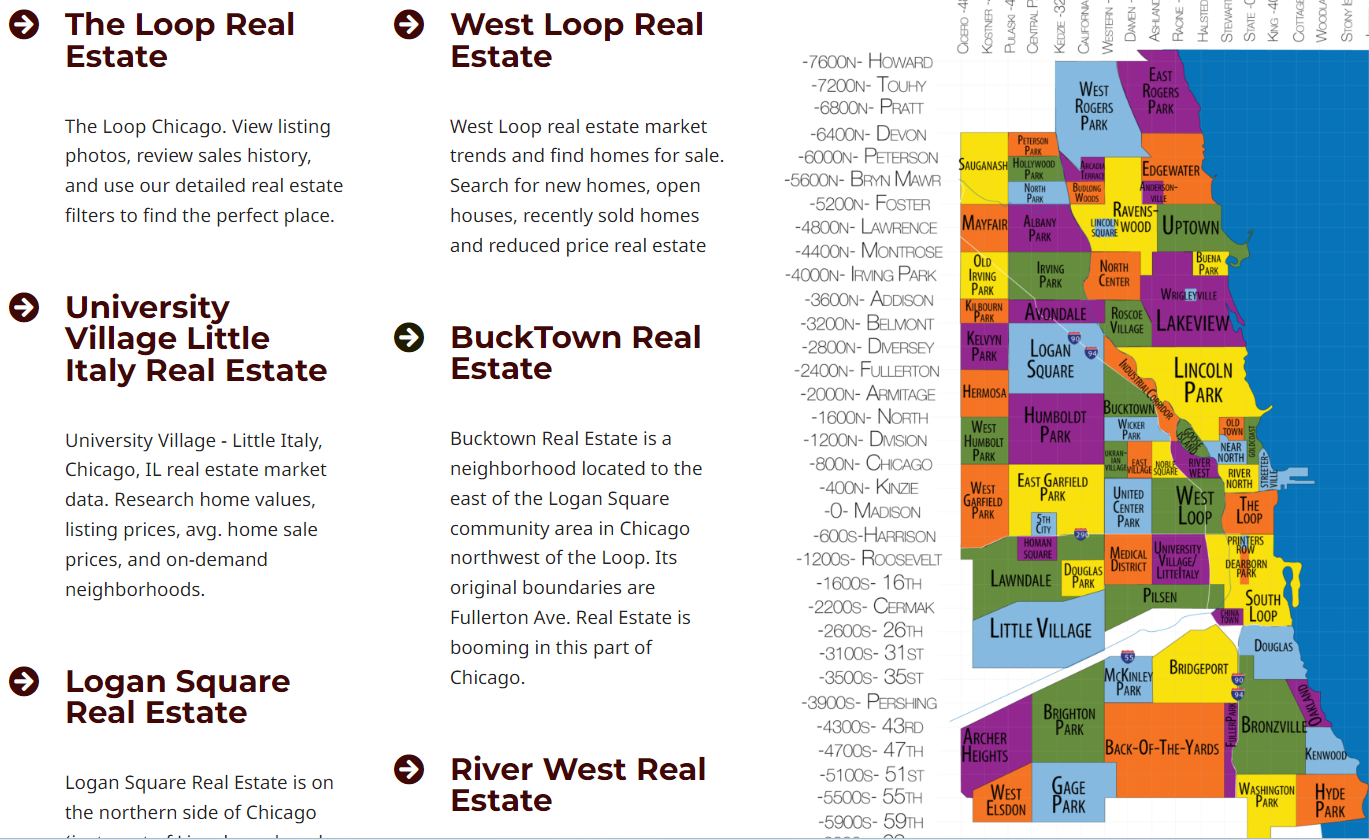
The most significant determinant of the cost of living in any city, and particularly in Chicago, is housing. Rental prices and homeownership expenses vary dramatically depending on the neighborhood, size of the dwelling, and proximity to popular attractions or business districts.
Rental Market Dynamics
For renters, Chicago presents a diverse market. Downtown areas like the Loop and Streeterville typically command the highest rents, reflecting their prime locations and access to amenities. A one-bedroom apartment in these central neighborhoods can range from $2,000 to $3,000 or more per month.
Venturing further out to neighborhoods like Lincoln Park, Lakeview, or Wicker Park, rents tend to decrease, though these are still desirable and can be quite pricey. Here, a one-bedroom might fall between $1,500 and $2,200.
For those seeking more budget-friendly options, consider neighborhoods further from the lakefront and downtown core, such as Pilsen, Bridgeport, or parts of the Far North Side. In these areas, rents for a one-bedroom could be in the $1,000 to $1,500 range. Two-bedroom apartments and larger family homes will naturally command higher prices across all neighborhoods.
Beyond rent, potential renters must also factor in security deposits, application fees, and sometimes broker fees, which can add a substantial upfront cost. Utilities (electricity, gas, water, internet) are also an additional monthly expense, typically ranging from $150 to $300 depending on usage and apartment size.
Homeownership Considerations
For individuals considering purchasing property in Chicago, the market is equally varied. Median home prices fluctuate based on market conditions and location. Areas like Lincoln Park and Old Town can feature million-dollar listings, while other neighborhoods offer more accessible price points. Property taxes are a significant ongoing cost for homeowners, varying by municipality and property value.
Daily Expenses: Food, Transportation, and Utilities
Beyond housing, everyday living costs in Chicago are shaped by the price of food, the efficiency of its public transit, and the cost of utilities.
Dining Out and Groceries
Chicago is renowned for its culinary scene, offering everything from world-class fine dining to beloved local institutions. A meal at a mid-range restaurant for two people can easily cost $70-$120, excluding drinks and tip. Casual dining or fast-casual options will be more budget-friendly, with meals often costing $15-$30 per person.
Grocery costs in Chicago are largely in line with national averages for major cities. A single person might spend $300-$500 per month on groceries, depending on dietary habits and shopping choices. Utilizing local farmers’ markets like those at Lincoln Park or Maxwell Street can offer fresh produce, though prices may sometimes be higher than at large supermarket chains.
Transportation: Navigating the City
One of Chicago’s strengths is its extensive public transportation system, operated by the Chicago Transit Authority (CTA). A single bus or train ride costs $2.50, with a day pass available for $5.00. For regular commuters, monthly passes offer significant savings, typically around $100 for unlimited rides. This makes relying solely on public transit a relatively affordable option, especially compared to the costs associated with owning and maintaining a car in a major city.
Car ownership in Chicago involves additional expenses such as parking permits (which can be costly and difficult to obtain in some areas), insurance, gas, and potential maintenance. Street parking is often metered or restricted, and garages can add hundreds of dollars per month to living expenses. For many residents, particularly those living in denser neighborhoods, a car is more of a luxury than a necessity.

Utility Costs
As mentioned in the housing section, utilities form a consistent monthly expenditure. Beyond electricity, gas, and water, residents also need to consider internet and potentially cable television. Internet services can range from $60 to $100+ per month, depending on the provider and speed. Bundled packages that include TV may offer savings but can also increase the overall monthly bill.
Lifestyle and Entertainment: Balancing Costs and Experiences
Chicago offers a wealth of activities and experiences, from world-class museums and theaters to vibrant nightlife and sporting events. The cost of these activities can significantly impact the overall budget.
Cultural Attractions and Entertainment
A visit to iconic institutions like the Art Institute of Chicago, the Field Museum, or the Museum of Science and Industry typically involves admission fees ranging from $20 to $40 per person, though many offer discounts for residents or free days. Purchasing a CityPASS can provide savings if you plan to visit multiple attractions.
Theater tickets for Broadway shows or performances at renowned venues like the Goodman Theatre can range from $50 to $200+. Catching a sporting event – whether it’s the Chicago Cubs at Wrigley Field, the Chicago Bears at Soldier Field, or the Chicago Bulls at the United Center – can also be a significant expense, with ticket prices varying widely based on the opponent and seating.
Live music venues, comedy clubs, and bars offer more affordable entertainment options. Many smaller venues have cover charges of $10-$30, while some bars offer free entry. Exploring Chicago’s diverse neighborhoods and enjoying free activities like walking along Navy Pier or relaxing in parks like Millennium Park can help to keep entertainment costs manageable.
Healthcare and Personal Care
Healthcare costs in Chicago, as in the rest of the U.S., are primarily determined by insurance plans and individual health needs. Premiums, deductibles, and co-pays can vary greatly. For personal care items, haircuts, gym memberships, and other services, prices are generally comparable to other major U.S. cities. A basic haircut might cost $30-$60, and gym memberships can range from $50 to $150+ per month.
Budgeting for Chicago: A Realistic Outlook
To provide a clearer picture, let’s consider some hypothetical monthly budget estimates for different living scenarios in Chicago. These figures are approximations and can fluctuate significantly.
Budget Traveler/Student
- Accommodation: Shared apartment or studio in an outer neighborhood ($1,000 – $1,500)
- Utilities: ($150 – $250)
- Groceries: ($300 – $400)
- Transportation: CTA Monthly Pass ($100)
- Entertainment/Social: ($200 – $300)
- Miscellaneous (personal care, small purchases): ($100 – $150)
- Total Estimated Monthly Cost: $1,850 – $2,700
Young Professional/Mid-Range Renter
- Accommodation: One-bedroom apartment in a desirable neighborhood ($1,800 – $2,500)
- Utilities: ($200 – $300)
- Groceries: ($400 – $500)
- Transportation: CTA Monthly Pass or occasional ride-sharing ($120 – $180)
- Dining Out/Entertainment: ($400 – $600)
- Personal Care/Miscellaneous: ($200 – $300)
- Total Estimated Monthly Cost: $3,120 – $4,380
Established Professional/Homeowner
- Accommodation: Mortgage payment or higher-end rental in a prime location ($2,500 – $4,500+) + property taxes/HOA fees
- Utilities: ($250 – $400)
- Groceries/Dining Out: ($600 – $1,000+)
- Transportation: Car ownership or increased ride-sharing/taxi use ($300 – $600+)
- Entertainment/Leisure: ($500 – $1,000+)
- Personal Care/Miscellaneous/Savings: ($500 – $1,000+)
- Total Estimated Monthly Cost: $4,650 – $8,500+ (excluding significant mortgage/property tax outlays)
It is crucial to remember that these are generalized estimates. The actual cost of living in Chicago will depend heavily on individual spending habits, lifestyle choices, and specific neighborhood selections. By carefully researching and planning, individuals can make informed decisions about how to best manage their finances while enjoying all that this dynamic city has to offer.
LifeOutOfTheBox is a participant in the Amazon Services LLC Associates Program, an affiliate advertising program designed to provide a means for sites to earn advertising fees by advertising and linking to Amazon.com. Amazon, the Amazon logo, AmazonSupply, and the AmazonSupply logo are trademarks of Amazon.com, Inc. or its affiliates. As an Amazon Associate we earn affiliate commissions from qualifying purchases.