
Hawaii, a paradise woven from volcanic islands, pristine beaches, and vibrant culture, consistently ranks as one of the most expensive places to live in the United States. While the allure of year-round sunshine, breathtaking natural beauty, and a laid-back island lifestyle is undeniable, prospective residents and long-term visitors must brace themselves for a significant financial commitment. Understanding the true cost of living in the Aloha State requires a deep dive into its unique economic landscape, where everything from a gallon of milk to a beachfront apartment comes with a premium price tag.
This article will explore the various facets that contribute to Hawaii’s high cost of living, providing a comprehensive overview for anyone contemplating a move, an extended stay, or simply curious about the economic realities behind the dream. We’ll break down key expenses, offer insights into different accommodation options, touch upon the vibrant tourism sector, and provide practical tips for navigating the islands’ unique financial challenges.
Understanding Hawaii’s Economic Landscape
The fundamental reason behind Hawaii’s elevated cost of living is its geographical isolation. Situated thousands of miles from the mainland United States, the islands rely heavily on imported goods, driving up prices across almost all sectors. This isn’t just about consumer goods; building materials, fuel, and even many food items must be shipped across the Pacific Ocean, adding substantial logistical costs that are ultimately passed on to residents and visitors alike.
Why is Hawaii So Expensive?
Beyond the challenges of import, several other factors contribute to the state’s high expenses. Land is a finite resource on an island, especially desirable plots near urban centers or scenic coastlines. This scarcity, coupled with high demand, inflates real estate values to astronomical levels. Environmental regulations and a strong commitment to preserving the islands’ unique ecosystems also contribute to construction costs and limit development, further intensifying the housing crunch. Furthermore, a robust tourism industry, while providing jobs and economic stimulus, also creates competition for resources and drives up demand for services, impacting local prices. The cost of labor is also higher to compensate for the elevated cost of living, creating a cyclical effect where higher wages chase higher prices.
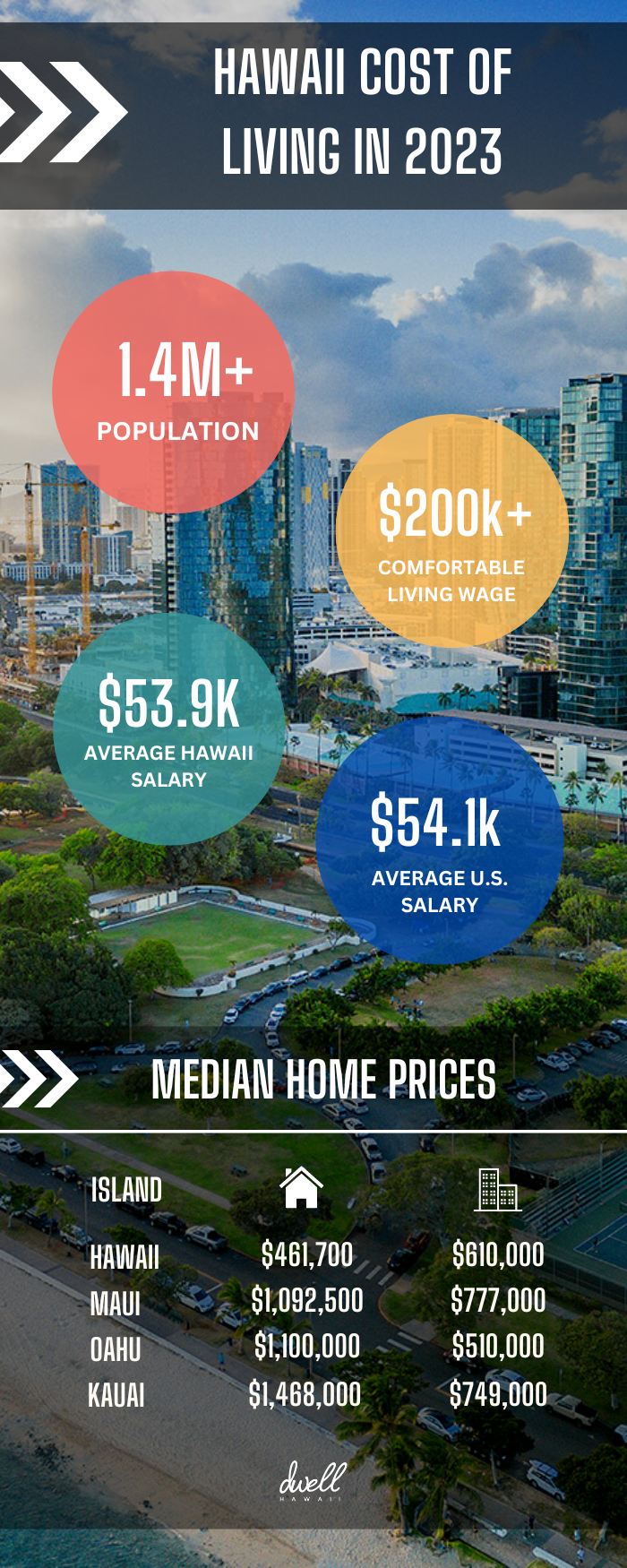
The state’s average household income, while appearing higher than the national average, often doesn’t keep pace with the disproportionately higher cost of goods and services. For instance, the average cost of groceries in Honolulu can be 60-70% higher than the national average, and housing costs often soar to more than double. This disparity highlights the financial tightrope many residents walk, making prudent financial planning essential.
Key Expenses: A Detailed Breakdown
To truly grasp the financial implications of living in Hawaii, it’s crucial to examine the core expenses that impact daily life. From where you lay your head to what you put on your plate, every category presents its own set of challenges and unique pricing.
Housing: The Largest Financial Burden
Without a doubt, housing is the single biggest expense in Hawaii, often consuming a significant portion of a household’s budget. Whether you’re looking to rent an apartment or purchase a home, prices consistently rank among the highest in the nation.
On Oahu, particularly in the metropolitan area of Honolulu and popular tourist hubs like Waikiki, median rents for a one-bedroom apartment can easily exceed $2,000 to $2,500 per month, with two-bedroom units often fetching upwards of $3,000-$4,000. Purchasing a home is even more daunting, with median single-family home prices on Oahu often hovering around $1 million or more. Even condominiums can command prices well over half a million dollars.
Other islands like Maui and Kauai also face similar housing challenges, especially in desirable areas. For instance, a long-term rental in Lahaina on Maui or Kapaa on Kauai can be comparable to, or even exceed, Honolulu prices, primarily due to limited inventory and high demand from both residents and the short-term vacation rental market. The Big Island (also known as Hawaii Island) offers slightly more affordable options in some areas, particularly away from the coastal resorts of Kailua-Kona or Hilo, but prices are still significantly higher than most mainland locales.
Those considering long-term stays should research different neighborhoods and islands carefully. While a luxury Four Seasons resort might be appealing for a vacation, securing an affordable long-term apartment requires diligence, early planning, and sometimes, a willingness to compromise on location or amenities.
Groceries and Dining: Freshness Comes at a Price
Eating in Hawaii is another area where costs quickly add up. Due to the reliance on imports, many staple grocery items can be shockingly expensive. Fresh produce, dairy products, and packaged goods typically cost 30-70% more than on the mainland. While local farmers’ markets offer some relief and access to incredibly fresh, unique produce like pineapples, papayas, and various tropical fruits, a full grocery cart will still hit your wallet harder.
Dining out, a beloved aspect of local culture and tourism, also comes with a premium. A casual meal at a local plate lunch spot might cost $15-$25 per person, while a mid-range restaurant can easily run $50-$100 per person, especially in tourist-heavy areas like Waikiki or Wailea. Luxury dining experiences at world-class resorts like the Grand Hyatt Kauai Resort & Spa or The Ritz-Carlton, Kapalua can easily exceed $100 per person without drinks. Savvy residents often learn to cook more at home, seek out local eateries, and take advantage of grocery store sales to mitigate these costs.
Transportation: Getting Around the Islands
For most residents, owning a car is a necessity, especially outside of Honolulu’s more robust public transportation system, TheBus. Car prices, while not as inflated as housing or groceries, still reflect shipping costs, and gas prices are consistently among the highest in the nation, often exceeding $5 per gallon. Vehicle registration, insurance, and maintenance also contribute to the overall transportation budget.

Inter-island travel is another unique expense for residents. While tourists often fly between islands as part of their Hawaii travel itineraries, locals also incur these costs for business, family visits, or leisure. Flights between Oahu, Maui, Kauai, and the Big Island can range from $70-$150 or more for a round trip, adding up quickly for frequent travelers. While there are no ferries connecting all the main islands for cars (except for a short passenger ferry between Maui and Lanai), these flight costs are an unavoidable part of island life.
Utilities and Healthcare: Essential Services
Utility costs in Hawaii are also considerably higher than the national average, primarily driven by electricity expenses. With little local fossil fuel production, electricity is largely generated by burning imported oil, making it very expensive. Air conditioning, a common comfort in the tropical climate, can significantly inflate electricity bills, which can easily range from $150 to $400+ per month depending on usage and home size. Water and sewer rates are also higher, though often less impactful than electricity. Internet and cable services are comparable to mainland prices but can still add $80-$150 to monthly expenses.
Healthcare costs are another area of concern. While the quality of care is generally high, especially in Honolulu, the cost of health insurance premiums, deductibles, and out-of-pocket expenses can be substantial. The state has a unique Prepaid Healthcare Act, which mandates employers to provide health insurance, but this also contributes to higher labor costs for businesses, potentially indirectly affecting consumer prices. Specialized medical care might require travel to the mainland, adding further expenses.
Navigating Lifestyle and Leisure Costs
Living in Hawaii isn’t just about survival; it’s about embracing the unique lifestyle and taking advantage of the incredible natural playground. However, even leisure activities and tourism experiences come with their own price tags.
Tourism and Entertainment: Experiences vs. Budget
Hawaii offers an unparalleled array of attractions and activities, from surfing lessons on Waikiki Beach to hiking up Diamond Head or exploring Hawaii Volcanoes National Park on the Big Island. Many natural wonders, like spending a day at Hanauma Bay or driving the scenic Road to Hana on Maui, can be relatively low-cost or free, providing excellent value for budget-conscious residents.
However, many popular tourist experiences like luaus, helicopter tours over the Na Pali Coast, deep-sea fishing charters, or tickets to attractions like the Polynesian Cultural Center can be quite expensive, ranging from $100 to several hundred dollars per person. Locals often discover more affordable ways to enjoy the islands, taking advantage of local discounts, exploring lesser-known spots, or engaging in free activities like beach days, hiking, and snorkeling. The key to enjoying Hawaii without breaking the bank lies in adopting a local mindset rather than a purely tourist one.
Accommodation Choices: Short-Term vs. Long-Term
The type of accommodation you choose dramatically impacts your overall cost. For short-term visits, options range from luxury hotels and resorts with amenities like those found at Aulani, A Disney Resort & Spa to more budget-friendly apartments or boutique hotels. Prices can vary wildly depending on the island, season, and specific property. Booking well in advance, especially during peak travel seasons, can sometimes secure better rates, and comparing prices across different booking platforms is always advisable.
For those planning a long-term stay, the focus shifts from nightly rates to monthly rent or mortgage payments. As discussed, these are substantial. Long-term villas or suites are rare and extremely expensive, making standard apartments or houses the primary options. Residents often look outside the main tourist zones for more affordable areas, even if it means a longer commute. Resources like local real estate agents specializing in long-term rentals or community online forums can be invaluable for finding suitable and relatively affordable living situations.
Strategies for Managing the Cost of Living in Hawaii
While the high cost of living is undeniable, many people successfully make Hawaii their home. It requires thoughtful planning, smart budgeting, and an adaptation to island-specific living strategies.
Smart Budgeting and Local Living
One of the most effective strategies is to adopt a “local” approach to daily life. This means:
- Cooking at Home: Minimizing dining out and cooking meals at home significantly reduces food expenses. Shopping at local farmers’ markets for produce and utilizing bulk stores can also help.
- Embracing Free Activities: Focus on the incredible natural beauty Hawaii offers. Beach days, hiking trails (like those to Mauna Kea‘s summit on Hawaii Island), snorkeling, and enjoying sunsets are all free and infinitely rewarding.
- Public Transportation/Biking: While not always feasible for everyone, utilizing public transport in urban areas or cycling can reduce fuel and car maintenance costs.
- Mindful Consumption: Be conscious of energy usage to keep utility bills down. Air conditioning, while tempting, can be a major cost driver.
- Local Discounts: Many businesses offer Kama’aina (local resident) discounts on attractions, restaurants, and services. Always ask!
- Community Engagement: Participate in local community events, potlucks, and gatherings, which often offer affordable or free entertainment and social opportunities.
Income Considerations: Earning to Match Expenses
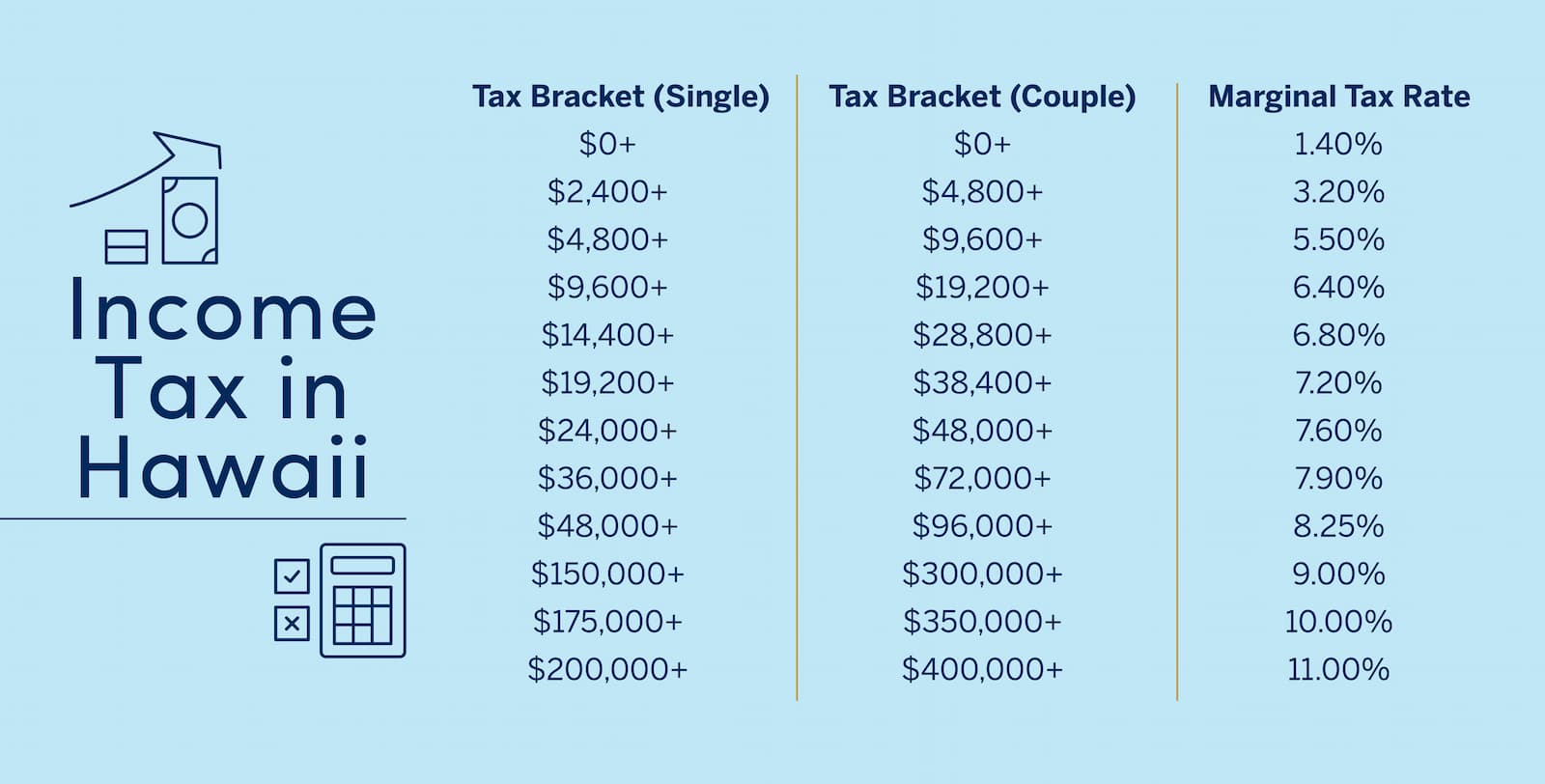
For those planning a move, securing employment with a salary that can comfortably cover Hawaii’s expenses is paramount. Salaries in some sectors, particularly tourism, hospitality, and specialized healthcare, can be competitive. However, wages in many other industries may not always align with the cost of living. It’s crucial to research the job market for your specific industry on the islands you are considering and understand the typical salary ranges. Remote work opportunities, if available, can offer greater flexibility and allow individuals to earn mainland salaries while enjoying the Hawaiian lifestyle, potentially making the financial equation more manageable. Some residents also choose to supplement their income through part-time work or entrepreneurship.
Is the High Cost Worth It?
Ultimately, the question of whether the high cost of living in Hawaii is “worth it” is deeply personal. For many, the unparalleled natural beauty, the unique local culture, the slower pace of life, and the close-knit community spirit are invaluable. The opportunity to live amidst stunning landmarks like Pearl Harbor National Memorial or the historic Iolani Palace, and to wake up to ocean views and a warm breeze, represents a quality of life unmatched elsewhere.
While the financial hurdles are significant, with careful planning, diligent budgeting, and an adaptation to a more local and resource-conscious lifestyle, many find a way to thrive in this Pacific paradise. It’s not just a destination; it’s a commitment to a unique way of life where the cost is high, but for those who embrace it, the rewards are often immeasurable.
LifeOutOfTheBox is a participant in the Amazon Services LLC Associates Program, an affiliate advertising program designed to provide a means for sites to earn advertising fees by advertising and linking to Amazon.com. Amazon, the Amazon logo, AmazonSupply, and the AmazonSupply logo are trademarks of Amazon.com, Inc. or its affiliates. As an Amazon Associate we earn affiliate commissions from qualifying purchases.