
The allure of Puerto Rico is undeniable: a vibrant Caribbean island brimming with rich history, stunning natural beauty, and a unique cultural tapestry. For many, the idea of escaping to this U.S. territory conjures images of sun-drenched beaches, lively music, and delectable cuisine. However, beyond the postcard-perfect scenery, a crucial question for potential residents and long-term visitors emerges: what is the actual cost of living in Puerto Rico? Understanding the financial landscape is paramount for anyone considering a move or an extended stay on this captivating island.
The cost of living in Puerto Rico can be a complex equation, influenced by a multitude of factors. While it often presents a more affordable alternative to many major mainland U.S. cities, it is not without its expenses. These costs vary significantly depending on lifestyle choices, the specific region of the island one chooses to inhabit, and personal spending habits. From housing and utilities to groceries and entertainment, a comprehensive breakdown is essential for realistic financial planning.
Housing Expenses: The Largest Slice of the Budget
Housing is typically the most significant expenditure for any resident, and Puerto Rico is no exception. The cost of accommodation can fluctuate dramatically based on location, size, amenities, and whether one opts for renting or buying.
Rental Market Realities
Renting is the more common and accessible option for those new to the island or seeking flexibility. In major urban centers like San Juan, particularly in popular neighborhoods such as Condado or Santurce, rental prices for apartments can range from approximately $900 to $2,000 per month for a one or two-bedroom unit. These figures can climb higher for luxury apartments or those with ocean views and premium amenities.
Outside of the capital city, in towns like Ponce or Mayagüez, rental costs tend to be more modest. A comparable apartment might fetch between $600 and $1,200 per month. For those seeking a more expansive living situation, like a house with a yard, prices can easily double or triple, especially in desirable areas. Rental agreements often require a security deposit equivalent to one or two months’ rent, and sometimes the first and last month’s rent upfront. It’s also worth noting that the availability of long-term rentals can sometimes be competitive, particularly in tourist-heavy zones where short-term vacation rentals are prevalent.
The Homeownership Dream
For those considering purchasing property, the market offers a range of options. The median home price in Puerto Rico is generally lower than in many parts of the continental United States. However, this is a broad average, and luxury properties in prime coastal locations, such as parts of Dorado, can command prices well into the millions.
In more suburban or rural areas, a modest three-bedroom home might cost between $150,000 and $300,000. Factors such as the condition of the property, its proximity to amenities, and the specific town or city will significantly influence the final price. Property taxes exist but are generally considered lower than in many U.S. states. Buyers should also factor in closing costs, potential renovation expenses if purchasing an older property, and mortgage interest if financing the purchase. The economic climate and fluctuating real estate trends on the island can also play a role in property values.
Utilities: A Consistent Monthly Outlay
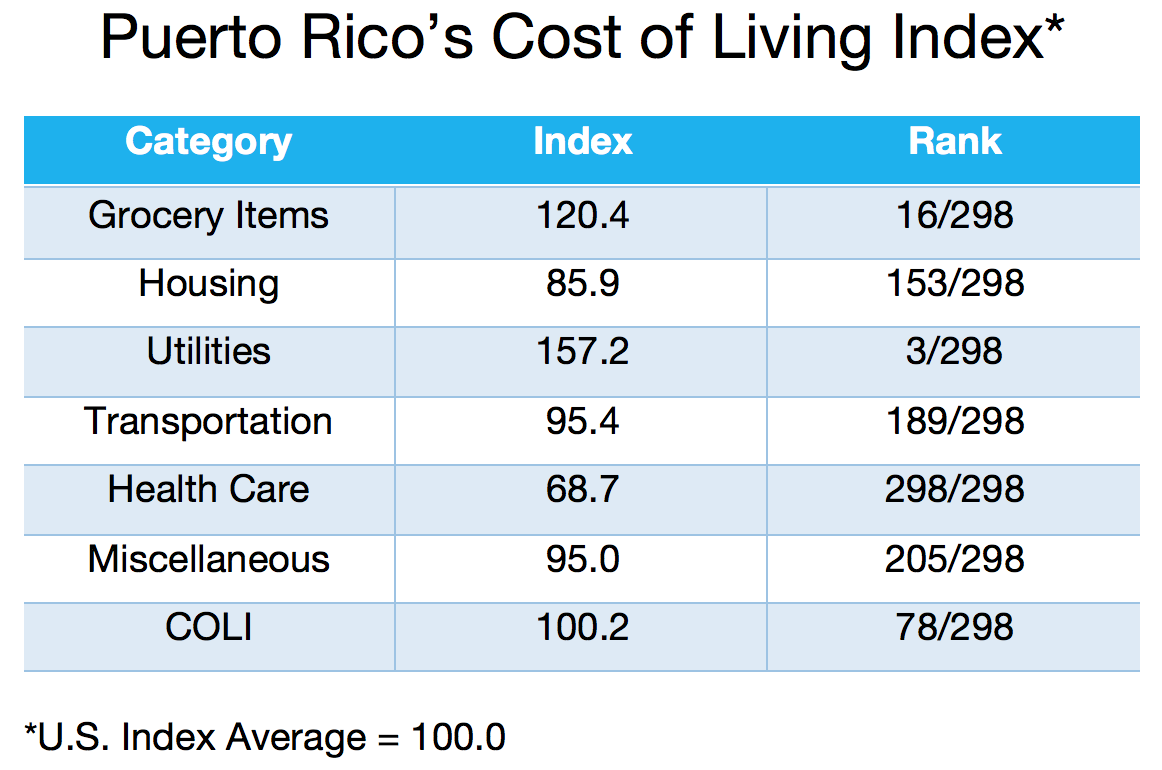
Utilities in Puerto Rico can be a notable part of the monthly budget. Electricity is often the most significant utility cost, especially given the tropical climate that necessitates frequent air conditioning use. Electricity rates can be higher than on the mainland, and monthly bills for a moderate-sized home can range from $150 to $400 or more, depending on consumption and the efficiency of appliances.
Water and sewage services are generally more affordable, typically costing between $30 and $70 per month. Internet and cable TV packages vary by provider and speed, but a reliable connection might cost between $60 and $100 monthly. Trash collection is usually included in local municipal fees or sometimes as part of the rent. Phone services, if not bundled with internet, can add another $30 to $60 per month. It’s advisable to inquire about average utility costs with current residents or property managers before committing to a rental or purchase.
Daily Living Expenses: Groceries, Transportation, and More
Beyond housing, the day-to-day costs of living in Puerto Rico encompass groceries, transportation, healthcare, and personal expenses.
Navigating the Grocery Aisles
The cost of groceries in Puerto Rico can be higher than in some parts of the continental U.S., largely due to the island’s reliance on imported goods for many staple items. However, the abundance of fresh, local produce offers an opportunity to keep food costs down.
A weekly grocery shop for a single person can range from $70 to $120, depending on dietary habits and brand preferences. For a family of four, this figure could easily be $200 to $350 per week. Imported goods, such as specific brands of cereals, dairy products, or meats, tend to be more expensive. Conversely, local fruits like mangoes, papayas, and plantains, along with vegetables like yuca and ñame, are readily available and affordable at local markets and supermarkets.
Dining out is a popular pastime, and the cost can vary widely. A casual meal at a local “chinchorro” or diner might cost $10 to $20 per person, while a meal at a mid-range restaurant could be $25 to $50 per person, excluding drinks. Fine dining establishments in areas like San Juan can rival prices found in major U.S. cities.
Transportation: Getting Around the Island
Transportation costs are a significant consideration, especially if you don’t plan on relying solely on public transport. Owning a car is often a necessity for convenience and accessing different parts of the island.
The cost of purchasing a vehicle in Puerto Rico is comparable to the mainland, though import duties might slightly increase prices for certain models. Car insurance rates can vary based on location, driving record, and coverage type. Fuel prices at the pump are generally similar to, or slightly higher than, those in the continental U.S.
For those opting out of car ownership, public transportation is available but can be limited, particularly outside of San Juan. The “La Lancha” ferry system connects some coastal towns, and there are public bus routes. However, these services may not be as frequent or comprehensive as mainland systems. Ride-sharing services like Uber and Lyft operate in major urban areas, offering an alternative for shorter trips. Taxis are also available but can be more expensive. For inter-city travel, rental cars or private shuttles are often the most practical options.
Healthcare and Insurance
As a U.S. territory, Puerto Rico operates under the U.S. healthcare system. U.S. citizens and legal residents are eligible for Medicare and Medicaid. However, the quality and accessibility of healthcare facilities can vary across the island, with the most advanced medical centers concentrated in San Juan and surrounding areas.
The cost of private health insurance can be substantial, similar to rates on the mainland, with monthly premiums varying based on age, coverage level, and provider. For those without employer-sponsored insurance, obtaining a policy is a crucial step. Out-of-pocket expenses for doctor’s visits, prescriptions, and procedures will depend on your insurance plan’s deductible and co-pays. It is essential to research healthcare options and costs thoroughly before relocating.
Discretionary Spending and Lifestyle Choices
Beyond essential needs, personal preferences and lifestyle choices heavily influence the overall cost of living. Puerto Rico offers a wide spectrum of activities, from free beach excursions to high-end entertainment.
Entertainment and Leisure
The island provides ample opportunities for leisure and entertainment. For nature enthusiasts, exploring national parks like the El Yunque National Forest, hiking trails, or visiting stunning beaches like those in Flamenco Beach involves minimal cost beyond transportation.
Cultural experiences, such as visiting historical sites like Old San Juan or attending local festivals and music events, can be budget-friendly. Entrance fees to museums or historical forts are generally reasonable.
However, as with any destination, luxury options exist. Upscale bars, exclusive beach clubs, and fine dining experiences can add up quickly. A night out with friends at a popular club in San Juan, including drinks, can easily cost $50 to $100 per person. For those who enjoy shopping, the island offers both local artisan crafts and high-end boutiques, with spending potential limited only by budget.
Personal Care and Miscellaneous Expenses
Personal care costs, such as haircuts, gym memberships, and other services, are generally on par with or slightly higher than many U.S. cities. A basic haircut might range from $20 to $40, while a gym membership could be $40 to $70 per month.
Miscellaneous expenses, including clothing, household items, and unforeseen costs, should also be factored in. The availability of goods can sometimes be limited, and certain specialized items might need to be ordered online, incurring shipping costs.
Economic Factors and Tax Incentives
Understanding the economic landscape and specific tax incentives can significantly impact the perceived cost of living and overall financial well-being in Puerto Rico.
The Impact of Economic Conditions
The economy of Puerto Rico has faced challenges in recent years, including natural disasters and debt restructuring. These factors can influence inflation, employment rates, and the availability of goods and services. While the island is working towards economic recovery and growth, it is essential to stay informed about current economic trends.
Tax Incentives for Relocation
For individuals and businesses looking to relocate, Puerto Rico offers attractive tax incentives under Acts 20 and 22 (now consolidated under Act 60). These acts can provide significant tax benefits, such as reduced corporate tax rates and capital gains tax exemptions for eligible individuals who establish residency. These incentives can substantially offset the cost of living by reducing an individual’s overall tax liability, making Puerto Rico an increasingly appealing destination for entrepreneurs, investors, and remote workers. However, qualifying for these benefits requires careful adherence to specific residency and operational requirements.
In conclusion, the cost of living in Puerto Rico is a multifaceted consideration. While it may not be as inexpensive as some popular budget destinations, it often presents a more affordable lifestyle than many mainland U.S. metropolitan areas, especially when considering the potential for tax savings and the value of embracing the island’s unique lifestyle. By carefully budgeting for housing, utilities, daily expenses, and factoring in personal lifestyle choices, individuals can gain a clear understanding of the financial commitment involved in making Puerto Rico their home.
LifeOutOfTheBox is a participant in the Amazon Services LLC Associates Program, an affiliate advertising program designed to provide a means for sites to earn advertising fees by advertising and linking to Amazon.com. Amazon, the Amazon logo, AmazonSupply, and the AmazonSupply logo are trademarks of Amazon.com, Inc. or its affiliates. As an Amazon Associate we earn affiliate commissions from qualifying purchases.