
The allure of the Lone Star State is undeniable. From its booming economy and diverse job markets to its rich cultural tapestry, vibrant cities, and breathtaking natural landscapes, Texas beckons millions of people, whether they are considering a permanent move or planning an unforgettable travel experience. However, a fundamental question often arises for anyone contemplating extended stays or relocation within this vast state: “What is the true cost of living in Texas?”
Understanding the financial landscape of Texas is crucial, not only for potential residents but also for travelers looking to budget their adventures, from luxurious resort stays to more budget-friendly exploration of the state’s numerous attractions. Unlike some perception, Texas is not a monolithic entity when it comes to expenses. Its sheer size and diversity mean that the cost of living can vary dramatically from one region or city to another. This comprehensive guide will deconstruct the various components that contribute to the overall cost of living in Texas, providing insights relevant to accommodation, travel, tourism, and lifestyle choices, ensuring you can plan your next chapter or adventure with confidence.
The Allure of the Lone Star State: An Economic Overview
Texas stands as a beacon of economic prosperity, driven by diverse industries ranging from energy, technology, and aerospace to agriculture and healthcare. This robust economic environment translates into ample job opportunities and a generally lower state income tax burden (as Texas has no state income tax), making it an attractive destination for those seeking career growth and financial flexibility. However, while the absence of state income tax is a significant draw, it’s essential to understand that other taxes, particularly property taxes, tend to be higher to compensate for it.
For travelers, the economic vibrancy of Texas also shapes the tourism sector, influencing everything from the development of world-class hotels and resorts to the affordability of local experiences. Whether you’re planning a family trip to San Antonio’s River Walk, a business stay in Dallas, or an adventurous journey through Big Bend National Park, understanding the underlying economic factors helps set expectations for your budget. The state’s commitment to growth and development means continuous investment in infrastructure, including transportation networks and tourist attractions, further enhancing the overall travel experience. Ultimately, the cost of living in Texas is a complex interplay of economic opportunity, regional differences, and personal lifestyle choices, all of which contribute to its unique appeal as both a place to call home and an extraordinary destination to explore.
Deconstructing Core Expenses: Housing, Utilities, and Daily Essentials
When evaluating the cost of living in any location, housing invariably takes the largest slice of the pie. In Texas, this is no exception, though the specifics can vary wildly. Beyond shelter, the day-to-day necessities like keeping the lights on and the pantry stocked form the bedrock of monthly expenditures.
The Housing Market: Renting vs. Buying Across Texas
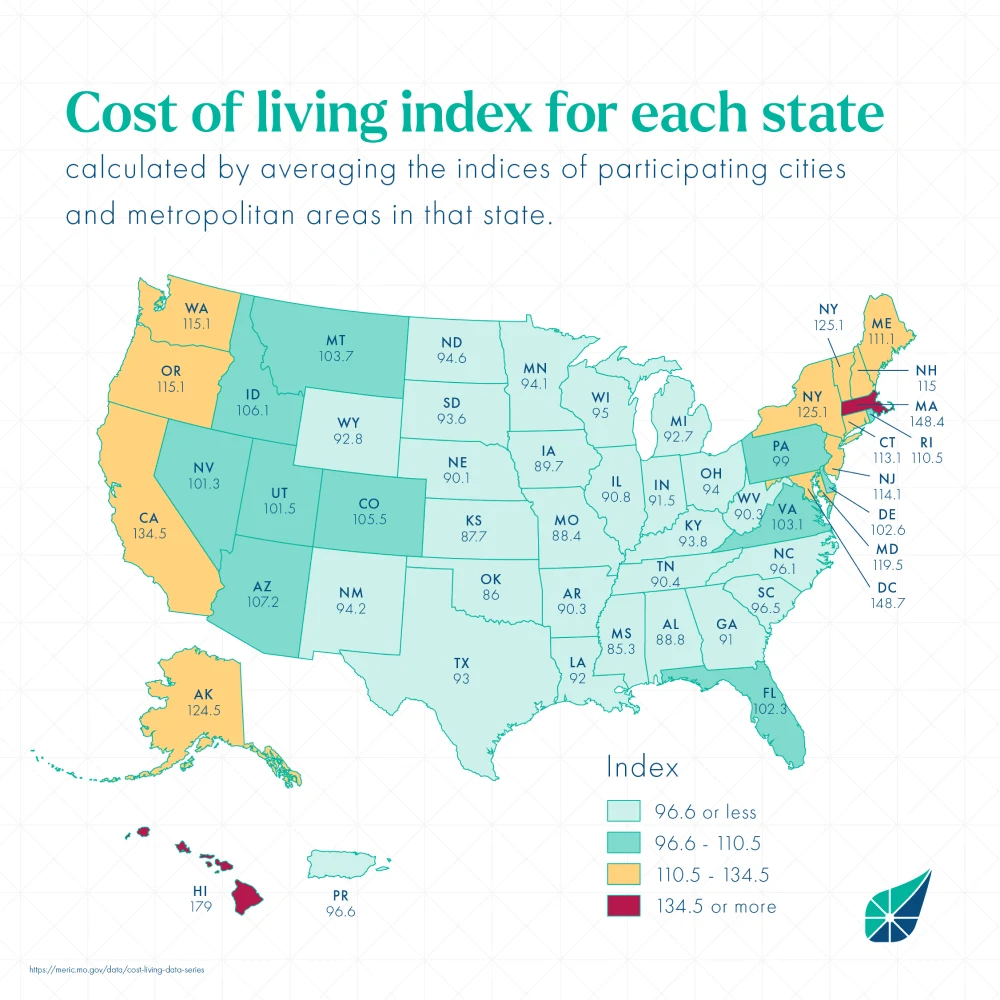
The Texas housing market is as diverse as its geography. Generally, housing costs in Texas are below the national average, making it an attractive option for many. However, this broad statement masks significant variations between its major metropolitan areas and smaller towns.
For those considering renting, a one-bedroom apartment in a major city like Austin might command anywhere from $1,500 to $2,000+ per month, largely due to its booming tech industry and high demand. In contrast, similar apartments in Houston or Dallas could range from $1,200 to $1,800, offering a slightly more accessible entry point. San Antonio typically presents even more budget-friendly options, with one-bedroom rents often falling between $1,000 and $1,500. Smaller cities and rural areas, of course, offer significantly lower rental costs, sometimes below $1,000 for a comfortable apartment. For those traveling or in transition, exploring long-term stay apartments or villas can offer a more home-like experience than traditional hotels, often with competitive rates for extended periods.
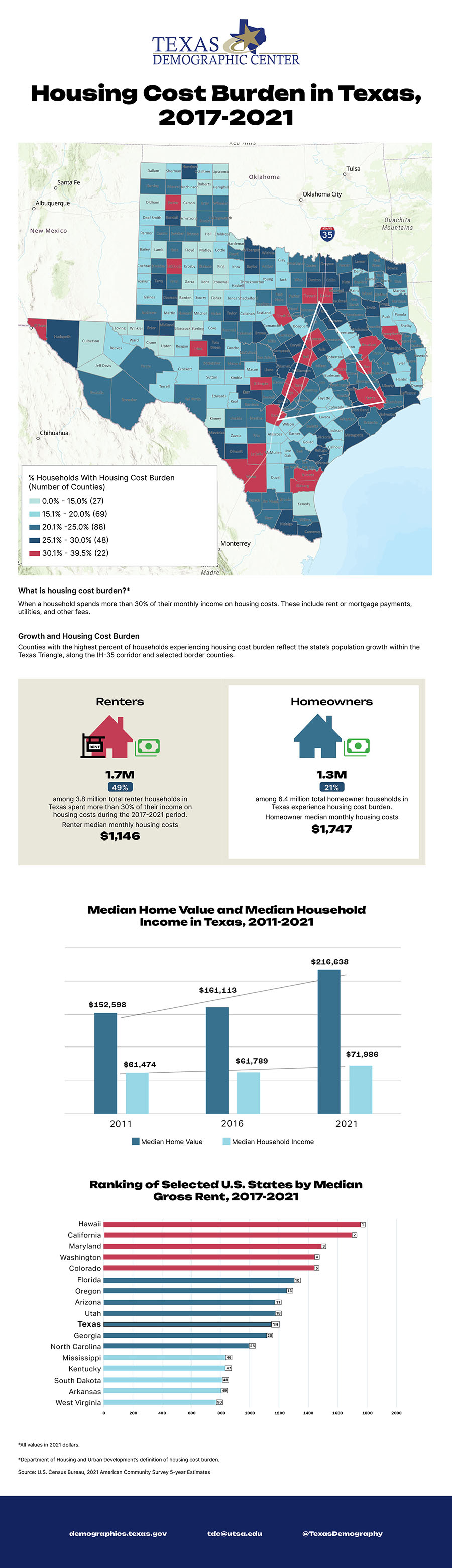
When it comes to buying a home, the median home price in Texas hovers around $350,000 to $400,000, which is still generally below the national median. Again, city-specific data tells a more nuanced story. Austin leads with median home prices often exceeding $500,000, pushing it towards the higher end of national averages. Dallas and Fort Worth typically see median prices in the $350,000 to $450,000 range, while Houston and San Antonio offer even more affordability, with median prices often between $300,000 and $400,000. These figures are crucial for anyone planning long-term accommodation, emphasizing the importance of location in real estate decisions across the state. Whether you’re looking for luxury suites in a metropolitan area or a quaint villa in the Texas Hill Country, understanding these regional price differences is paramount.
Utilities and Groceries: The Unavoidable Outlays
Beyond housing, utilities are a significant and non-negotiable part of the cost of living. Given the Texas climate, particularly the scorching summers, electricity costs can be substantial due to heavy air conditioning usage. An average monthly electric bill for a moderate-sized home can range from $150 to $300, depending on the season, home size, and energy efficiency. Water, sewer, and trash services typically add another $70-$120 per month. Internet services are competitively priced, usually falling between $60-$100 monthly, while natural gas, where applicable, might add $40-$80, especially in cooler months.
Groceries and food costs in Texas are generally on par with or slightly below the national average. A single person might spend $300-$450 per month on groceries, while a family of four could easily see this figure rise to $800-$1,200. The cost, of course, fluctuates based on dietary preferences, shopping habits, and whether one opts for organic produce or premium brands. Texas boasts a vibrant local food scene, with farmers’ markets providing fresh produce and opportunities to engage with local culture. Exploring these markets can not only save money but also offer a unique culinary experience for visitors and residents alike, delving into the authentic tastes of Texas cuisine, from famous BBQ joints to Tex-Mex eateries. These daily essentials, while seemingly small, accumulate over time and must be factored into any comprehensive cost of living assessment.
Navigating Texas: Transportation and Healthcare Costs
While housing and groceries are tangible daily expenses, the costs associated with getting around and staying healthy are equally critical to a holistic understanding of the cost of living in Texas.
Getting Around: Fueling Your Texas Adventures
Texas is, by and large, a car-centric state. Its vast distances and sprawling urban centers mean that owning a personal vehicle is often a necessity rather than a luxury for residents. This inherently makes transportation a significant monthly expense. Fuel costs are a primary consideration; while Texas often boasts gasoline prices slightly below the national average due to its proximity to oil refineries, heavy reliance on driving means these costs can still accumulate. An average driver might spend $150-$300 per month on gas alone, depending on commute distance and driving habits.
Car insurance is another considerable expense. Due to various factors including population density, traffic congestion in major cities, and accident rates, Texas car insurance premiums tend to be higher than the national average. Expect to pay anywhere from $150 to $250+ per month, influenced by your driving record, vehicle type, and specific location within the state. Add to this vehicle maintenance, potential parking fees in urban areas, and registration costs, and it’s clear that personal transportation requires a substantial budget allocation.
While major cities like Houston, Dallas, and Austin do offer some public transportation options, including bus systems and light rail, their coverage is generally less comprehensive than in older, more densely populated cities on the coasts. These systems are often suitable for commuting within central business districts or specific corridors but are less practical for widespread travel across the metropolitan areas or between cities. For travelers, this means planning road trips is often the most efficient way to explore Texas’s diverse destinations, from coastal attractions in Galveston to historical landmarks in San Antonio. Budgeting for car rentals or fuel for your own vehicle is an indispensable part of any Texas travel guide.
Healthcare Services: An Essential Consideration
Healthcare costs are a universal concern, and Texas is no exception. While the state’s healthcare system is robust, particularly in major medical hubs like the Texas Medical Center in Houston, the individual costs can vary widely based on insurance coverage, personal health needs, and lifestyle choices.
For those with employer-sponsored health insurance, monthly premiums and out-of-pocket expenses (deductibles, co-pays) will depend on the specific plan. For individuals or families purchasing insurance independently through the marketplace, premiums can range from several hundred dollars to over a thousand per month, depending on age, health status, and coverage level. A typical doctor’s visit might cost $100-$200 without insurance, or a co-pay of $20-$50 with insurance. Prescription medications also contribute to monthly outlays.
It’s challenging to provide a precise figure for healthcare in a general cost of living assessment due to its highly individualized nature. However, it’s a critical component that should be thoroughly researched and budgeted for, particularly for those relocating to Texas without pre-existing coverage. Understanding the local healthcare landscape is an essential tip for anyone making Texas their new home, ensuring access to quality care without unexpected financial burdens.
Lifestyle and Leisure: Experiencing the Best of Texas on Any Budget
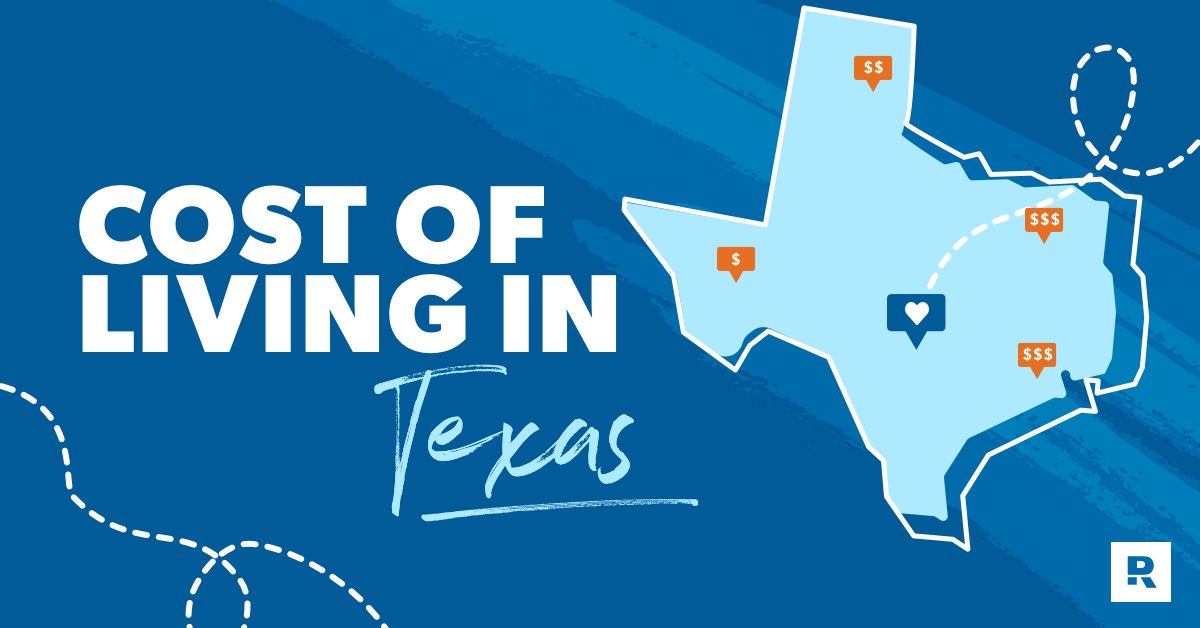
Beyond the necessities, a significant portion of the cost of living in Texas is dedicated to lifestyle and leisure activities. This is where the state truly shines, offering a vast array of experiences that cater to every interest and budget, making it an incredible destination for tourism and memorable trips.
Attractions, Entertainment, and Dining Out
Texas is rich in attractions, from historical sites to modern entertainment complexes. Many of its famous places offer free or low-cost admission. For instance, a visit to The Alamo in San Antonio is free, allowing visitors to delve into its profound history without an entry fee. Exploring the scenic San Antonio River Walk is also free, though boat tours and dining along its banks come with costs. Similarly, wandering through Houston’s various parks or enjoying public art installations in Dallas can be enjoyed at minimal expense.
However, many renowned landmarks do have admission fees. Visiting the Space Center Houston, for example, typically costs around $30 per adult. Entry to theme parks like Six Flags Over Texas or water parks in Grapevine can range from $50-$80+. Sports enthusiasts might spend $50-$200+ for tickets to a Dallas Cowboys game or a Houston Rockets match. Live music venues, particularly in Austin, can have cover charges from $10-$50 for popular acts.
Dining out is an integral part of the Texas experience, offering a spectrum from budget-friendly food trucks and casual Tex-Mex eateries to upscale fine dining establishments. A casual meal might cost $15-$25 per person, while a mid-range restaurant could be $30-$60 per person. High-end dining, especially in cities like Dallas and Houston, can easily exceed $100 per person. Exploring local culture through food is a highlight of Texas tourism, offering diverse cuisines that reflect the state’s rich heritage.
Tailoring Your Texas Lifestyle: Budget vs. Luxury
The beauty of living or traveling in Texas lies in its flexibility to accommodate various budgets. For budget-conscious travelers and residents, there are numerous ways to minimize expenses without sacrificing experiences. This might include:
- Accommodation: Opting for reputable budget hotels, long-term stay apartments, or even camping in one of Texas’s beautiful state parks.
- Food: Cooking at home, taking advantage of grocery store deals, exploring inexpensive food trucks, and enjoying picnic lunches at scenic spots.
- Activities: Focusing on free attractions, hiking trails, public beaches like those in Galveston or South Padre Island, and community events.
On the other hand, for those seeking a luxury lifestyle or travel experience, Texas offers an abundance of high-end options:
- Accommodation: Staying at lavish resorts, boutique hotels with premium amenities, or renting opulent villas in desirable locations.
- Dining: Indulging in award-winning fine dining restaurants, exclusive culinary tours, and private chef experiences.
- Experiences: Enjoying luxury travel packages, private guided tours of landmarks, exclusive shopping sprees, spa treatments, and premium seating at major entertainment events.
- Transportation: Utilizing ride-sharing services, luxury car rentals, or even private charters for business stays or special occasions.
Whether it’s family trips planned around theme parks and natural wonders or business stays requiring top-tier hotel suites and convenient amenities, Texas provides the infrastructure and diverse offerings to match any expectation, making careful planning and comparison of options crucial for optimizing the budget.
Regional Variations: A City-by-City Cost Breakdown
The sheer size and economic diversity of Texas mean that the “cost of living” is not a singular figure but rather a spectrum that shifts dramatically from one region to another. Understanding these variations is key for anyone considering relocation or extended travel.
Major Metropolises: Austin, Dallas, Houston, San Antonio
The four largest metropolitan areas in Texas each present a unique economic and lifestyle proposition:
-
Austin: Often dubbed the “Silicon Hills,” Austin is the most expensive city in Texas for both housing and overall cost of living. Fueled by a booming tech industry, a vibrant arts scene, and a desirable quality of life, housing prices here significantly surpass state averages. While salaries can be higher, particularly in tech, residents often face a higher cost for rent, home purchases, and certain leisure activities. It’s a prime destination for those seeking innovation and culture, but it comes with a premium.
-
Dallas and Fort Worth (DFW Metroplex): The Dallas-Fort Worth metroplex is a major business and finance hub. While more affordable than Austin, housing costs in Dallas are still above the state average, especially in desirable neighborhoods. Fort Worth, its neighbor, typically offers slightly more budget-friendly options while retaining access to the metroplex’s vast opportunities and attractions. Transportation costs are significant due to the sprawling nature of the cities. The DFW area offers a blend of urban sophistication and classic Texas charm, with a cost of living that is competitive for its size and economic power.
-
Houston: As the largest city in Texas and a global energy capital, Houston generally offers a surprisingly affordable cost of living relative to its size and economic opportunities. Housing, in particular, tends to be more accessible than in Austin or Dallas. The city boasts a world-class culinary scene, diverse cultural attractions like the Museum District, and significant job growth. Utility costs can be higher due to the hot, humid climate, but overall, Houston presents excellent value for a major American city.
-
San Antonio: Rich in history and culture, San Antonio consistently ranks as one of the most affordable major cities in Texas. Housing costs are significantly lower than in the other “Big Four,” making it an attractive option for families and retirees. While salaries might not reach the peaks seen in Austin’s tech sector, the lower cost of living often translates to greater purchasing power. Its historic landmarks like The Alamo and the famous River Walk make it a tourism hotspot, offering a culturally rich lifestyle at a more moderate price point.
Beyond the Big Four: Exploring Other Texas Destinations
Beyond these major urban centers, Texas offers a myriad of smaller cities and towns, each with its own cost of living profile and unique appeal, perfect for diverse travel experiences.
-
El Paso: Located on the western tip of Texas, El Paso consistently ranks among the most affordable cities in the state. Its unique bi-cultural heritage and stunning desert landscapes make it an interesting destination, with very reasonable housing and overall living expenses.
-
Corpus Christi and Galveston: These coastal cities offer a relaxed lifestyle with access to beaches and water activities. While tourism can influence short-term accommodation prices, the general cost of living for residents is typically more moderate than in the major inland cities. They are popular destinations for family trips and weekend getaways, offering plenty of activities like exploring the USS Lexington in Corpus Christi or the historic Pleasure Pier in Galveston.
-
South Padre Island: A resort town known for its beautiful beaches, South Padre Island experiences significant seasonal fluctuations. While short-term rentals and hotels can be pricey during peak seasons, off-season living or visiting can be more budget-friendly.
-
Texas Hill Country Towns: Quaint towns like Fredericksburg, Boerne, or Wimberley offer a different pace of life. While home prices can be elevated in highly desirable areas due to their charm and tourism appeal (especially for wine country and boutique accommodation), daily living expenses might be lower, and the lifestyle is often more relaxed. These areas are ideal for experiencing local culture, nature, and scenic drives.
Each of these destinations, from bustling metropolises to charming coastal towns, provides a distinct experience. When planning a move or a trip, considering these regional nuances is essential for an accurate understanding of the cost implications and how they align with desired travel and lifestyle experiences.
Conclusion
Texas is a state of immense opportunity and diverse experiences, offering something for everyone, whether they’re seeking a new home or an unforgettable travel adventure. The question, “What is the cost of living in Texas?”, ultimately has a multifaceted answer, deeply influenced by specific location choices and individual lifestyle preferences.
From the vibrant, higher-cost environment of Austin to the more budget-friendly historical charm of San Antonio, and from the expansive economic hubs of Dallas and Houston to the serene coastal communities and picturesque Hill Country towns, Texas offers a wide spectrum of living costs. While housing remains the most significant expense, diligent budgeting for utilities, transportation, groceries, and healthcare is crucial.
For those planning to relocate, the absence of a state income tax can provide a financial advantage, though higher property taxes in some areas necessitate careful consideration. For travelers, the state’s diverse offerings mean that both luxury travel and budget travel are entirely feasible, allowing visitors to explore its famous places, rich local culture, and stunning natural landmarks without breaking the bank, or by indulging in world-class amenities.
Ultimately, the true cost of living or experiencing Texas is about balancing your aspirations with your financial realities. By understanding the regional variations and making informed choices about accommodation, transportation, and leisure activities, anyone can effectively manage their budget and unlock the incredible experiences that the Lone Star State has to offer. Whether you dream of a long-term stay or a memorable vacation, Texas awaits, ready to be explored on your terms.