
Delving into the administrative structure of major global cities often uncovers fascinating insights, and the vibrant metropolis of San Francisco is no exception. For many visitors and even some residents, the question “What is the county for San Francisco?” yields a rather unique and distinctly American answer: San Francisco is its own county. Unlike most major cities in the United States that exist within a larger county framework, San Francisco operates as a consolidated city-county. This means that the city and county governments are merged into a single, unified entity, making it simultaneously a municipal corporation and one of the 58 counties in the state of California. This peculiar administrative setup simplifies governance, streamlines public services, and contributes to the distinct identity of a city celebrated worldwide for its stunning beauty, innovative spirit, and diverse culture.
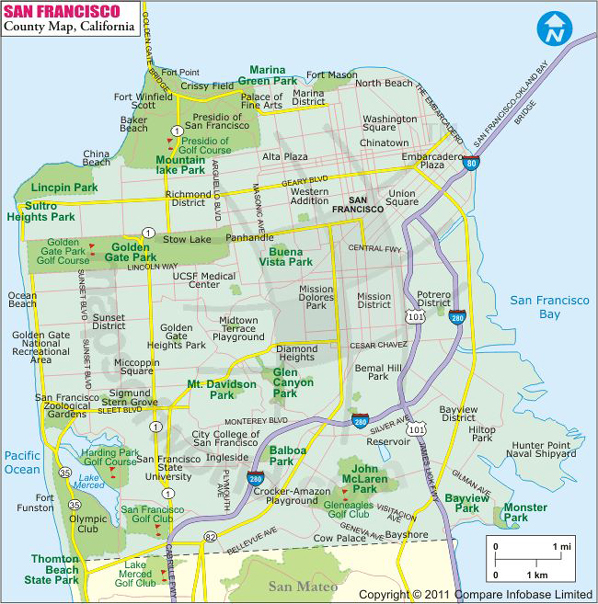
This unique consolidation has profound implications, not just for its political structure, but also for its urban development, the delivery of public services, and even the experience of those who travel to its iconic hills. Understanding this fundamental aspect of San Francisco helps to better appreciate its efficiency, its challenges, and its enduring allure as a destination where history, innovation, and natural beauty converge. From the soaring towers of its financial district to the charming Victorian homes nestled in its fog-kissed valleys, every facet of San Francisco is shaped by this dual identity, offering a seamless blend of metropolitan life and localized governance.
A City and a County: Understanding San Francisco’s Unique Governance
The concept of a consolidated city-county might seem unusual, but it’s a historically driven solution to various administrative and geographical challenges. For San Francisco, this structure has been in place for over a century, distinguishing it from other major urban centers that typically share county resources and responsibilities with surrounding towns and suburbs.
The Historical Roots of Consolidation
The origins of San Francisco’s consolidated city-county status trace back to the mid-19th century, a period of explosive growth and transformation for the region. Originally a small settlement named Yerba Buena by the Spanish, it was renamed San Francisco in 1847 following the Mexican-American War and California’s acquisition by the United States. The true catalyst for its rapid expansion was the California Gold Rush of 1849, which transformed it from a quiet port into a booming gateway for prospectors and entrepreneurs from around the globe. This influx of people and wealth brought both immense opportunity and significant administrative challenges.
The city and county of San Francisco were officially consolidated in 1856 through the “Consolidation Act.” Prior to this, the area experienced a period of chaotic governance, marked by a burgeoning population, increasing crime, and a lack of coherent public services. The Act sought to bring order to this rapid growth by merging the city government with the county government, thereby creating a single administrative body responsible for both municipal and county functions. This move was primarily driven by a desire for greater efficiency, improved service delivery, and a more streamlined approach to managing a rapidly expanding urban center. It allowed for unified planning, resource allocation, and a more effective response to the complex demands of a modern city. While similar consolidations have occurred in other U.S. cities like Philadelphia and Denver, San Francisco’s case remains one of the most prominent examples, reflecting a proactive approach to urban governance in a time of unprecedented change.
Practical Implications for Visitors and Residents
For residents, the consolidated structure means a single set of local laws and ordinances, a unified tax collection system, and a single set of elected officials, including a mayor who functions as both the city’s chief executive and the county’s top administrator. Departments such as police, fire, public health, and public works operate under this unified authority, leading to more cohesive policy implementation and service provision. This eliminates the bureaucratic overlap and jurisdictional disputes that can sometimes arise in areas with separate city and county administrations. The San Francisco City Hall, a magnificent Beaux-Arts structure, stands as the central hub for this consolidated government, housing all primary administrative offices.
For visitors, the impact is largely invisible but contributes to the seamless experience of navigating the city. Public transportation, parks, and other public services are all managed centrally, ensuring a consistent standard across the entire geographic area. There’s no confusion about which local government is responsible for a particular service or regulation; it’s all under the purview of the City and County of San Francisco. This streamlined approach indirectly enhances the tourism experience by ensuring well-maintained infrastructure, effective public safety, and a cohesive urban environment that is easy to explore and enjoy.
San Francisco as a Premier Travel Destination
Beyond its unique governance, San Francisco shines brightly as a premier travel destination, captivating millions of visitors each year with its iconic landmarks, diverse cultural tapestry, and breathtaking natural beauty. Its compact size, combined with its wealth of attractions, makes it an ideal city for exploration, offering a rich mosaic of experiences from the historic to the avant-garde.
Iconic Landmarks and Attractions
The allure of San Francisco is intrinsically linked to its globally recognized landmarks, each telling a piece of the city’s compelling story. The majestic Golden Gate Bridge stands as both an engineering marvel and a symbol of the city, offering unparalleled views of the Pacific Ocean and San Francisco Bay. Whether shrouded in its famous fog or gleaming under the California sun, a walk or bike ride across its span is an unforgettable experience, connecting visitors to the charming seaside town of Sausalito.
Just offshore, the enigmatic Alcatraz Island, once home to a notorious federal prison, beckons with its fascinating history and chilling tales. Tours of “The Rock” provide a poignant glimpse into the lives of its infamous inmates and guards, while also offering spectacular panoramic views back towards the city skyline.
No visit to San Francisco is complete without a stroll through Fisherman’s Wharf, a bustling hub of activity where sea lions bask at Pier 39, fresh seafood abounds, and street performers entertain crowds. From here, visitors can embark on bay cruises, visit the historic ships, or simply soak in the lively atmosphere. A short distance away, the famously crooked Lombard Street offers a playful challenge for drivers and an iconic photo opportunity for pedestrians navigating its eight hairpin turns.
The historic Cable Cars, a national historic landmark, provide both practical transportation and a quintessential San Francisco experience. Clinging to the side of a cable car as it ascends and descends the city’s steep hills is a thrilling way to explore the cityscape and reach popular destinations like Union Square and Ghirardelli Square.
For those seeking tranquility amidst urban bustle, the expansive Golden Gate Park offers a verdant oasis. Larger than New York City’s Central Park, it houses attractions like the California Academy of Sciences, the de Young Museum, a Japanese Tea Garden, and countless trails and gardens. Other notable landmarks include the intricate Palace of Fine Arts, the art deco Coit Tower offering 360-degree views, and the colorful Painted Ladies of Alamo Square, Victorian homes famous for their appearance in postcards and popular culture.
Diverse Neighborhoods and Local Culture
San Francisco’s soul truly comes alive in its distinct and vibrant neighborhoods, each possessing its own unique character, history, and cultural flavor. Exploring these districts offers a deeper dive into the city’s rich tapestry of local culture, food, and activities.
Chinatown, the oldest Chinatown in North America, is a sensory delight. Its bustling streets are filled with ornate gates, traditional markets, authentic restaurants, and vibrant community life. It’s a place to savor dim sum, discover unique souvenirs, and immerse oneself in a rich heritage.
The Mission District pulses with Latin American energy, celebrated for its stunning murals, historic Mission Dolores (the oldest building in San Francisco), and a vibrant culinary scene ranging from taquerias to upscale eateries. It’s a hub for art, music, and a thriving nightlife, reflecting its diverse population.

Stepping into Haight-Ashbury is like traveling back to the 1960s. The birthplace of the counterculture movement, this neighborhood still exudes a bohemian vibe with its vintage shops, psychedelic murals, and historic Victorian architecture. It’s a testament to the city’s free-spirited ethos.
North Beach, historically the Italian district and the heart of the Beat Generation, offers a taste of Europe with its charming cafes, authentic Italian restaurants, and historic bookstores like City Lights. It’s also home to the iconic Coit Tower and offers stunning views of the bay.
Other notable districts include the sophisticated Marina District with its bay views and upscale dining, the energetic Castro District, a historic center for LGBTQ+ activism and culture, and the Financial District, dominated by skyscrapers like the Transamerica Pyramid. Each neighborhood offers a distinct slice of San Francisco life, inviting visitors to explore, eat, and experience the local pulse.
Accommodation and Lifestyle in the Heart of the Bay
As a global hub for tourism, business, and innovation, San Francisco caters to an incredibly diverse range of travelers. From luxurious resorts perched atop Nob Hill to charming boutique hotels in the heart of bustling neighborhoods, the city offers an extensive array of accommodation options designed to suit every preference and budget. Coupled with its multifaceted lifestyle offerings, San Francisco promises an enriching experience for every visitor.
Finding Your Perfect Stay: Hotels and Beyond
The accommodation landscape in San Francisco is as varied as its topography. For those seeking opulence and unparalleled service, the city boasts a collection of world-class luxury hotels. Esteemed establishments like The Ritz-Carlton San Francisco and St. Regis San Francisco offer exquisite suites, gourmet dining, and top-tier amenities, perfect for indulgent getaways or high-profile business stays. These properties often feature spa services, concierge assistance, and prime locations near attractions like Union Square’s upscale shopping and theaters.
Beyond the five-star experience, San Francisco is rich with charming boutique hotels that reflect the city’s unique character. These often smaller, independently run establishments provide personalized service, distinctive decor, and a more intimate atmosphere, frequently found in neighborhoods like North Beach or near Golden Gate Park. For family trips, many hotels offer suites and family-friendly amenities, while serviced apartments and vacation rentals provide the comforts of home, complete with kitchens and multiple bedrooms, ideal for longer stays or larger groups. Booking platforms and direct hotel websites offer comprehensive reviews and comparison tools to help travelers find the perfect fit, whether it’s a budget-conscious hostel near the Tenderloin or a lavish resort overlooking the San Francisco Bay. Given the city’s popularity, especially during peak seasons and major events, securing accommodation well in advance is always recommended to ensure the best rates and availability.
Experiencing San Francisco Lifestyles
San Francisco offers a myriad of lifestyles for visitors to immerse themselves in, catering to every taste and budget. For those inclined towards luxury travel, the city delivers with its Michelin-starred restaurants, designer boutiques around Union Square, exclusive cultural events, and high-end nightlife. Yacht charters on the San Francisco Bay or private tours of the wine country north of the city can elevate any lavish itinerary.
Conversely, budget travel in San Francisco is equally rewarding. Many of the city’s best attractions, like walking across the Golden Gate Bridge, exploring Golden Gate Park, or marveling at the murals of the Mission District, are free. Public transportation (Muni and BART) provides affordable access to most areas, and a plethora of casual eateries and food trucks offer delicious, inexpensive meals. Hostels and budget-friendly hotels are also readily available.
Family trips to San Francisco are packed with engaging activities. Children will love the interactive exhibits at the Exploratorium, the aquatic wonders at the California Academy of Sciences, and the sea lions at Fisherman’s Wharf. The city’s numerous parks, including Presidio National Park with its sprawling green spaces and views, offer ample room for play and exploration.
For business stays, San Francisco is a prime location, serving as a gateway to Silicon Valley and a major convention city. Hotels cater to corporate travelers with business centers, meeting facilities, and convenient access to the Financial District and major tech companies. Networking opportunities abound in its vibrant entrepreneurial ecosystem.
Beyond these categories, San Francisco offers an active, outdoor lifestyle. The city’s hilly terrain is a paradise for walkers and hikers, with trails winding through Golden Gate Park, the Presidio, and along the coastline at Crissy Field. Biking is popular, especially across the Golden Gate Bridge to Sausalito. The culinary scene is a lifestyle in itself, from bustling farmers’ markets to innovative fine dining, reflecting the city’s commitment to fresh, locally sourced ingredients and diverse global flavors. Regardless of one’s interests, San Francisco provides a backdrop for a truly memorable lifestyle experience.
Planning Your San Francisco Journey
A successful trip to San Francisco involves thoughtful planning, from understanding its unique climate to navigating its efficient public transit system. Being prepared ensures you make the most of your time in this captivating city-county.
Best Time to Visit and Getting Around
San Francisco famously experiences a microclimate, meaning weather can vary dramatically from one neighborhood to another, and even within a single day. The common adage “the coldest winter I ever spent was a summer in San Francisco” holds true. Summers (June-August) are often cool, foggy, and breezy, particularly near the coast and the Golden Gate Bridge. The warmest and clearest weather typically occurs in late summer and early autumn (September-October), making these months a fantastic time to visit for outdoor activities and clearer views. Spring (April-May) also offers pleasant temperatures and fewer crowds. Winters (November-March) are generally mild but wet, with periods of heavy rain. Regardless of the season, packing layers is essential.
Getting around San Francisco is relatively easy, and driving is often discouraged due to challenging parking, steep hills, and dense traffic. The city boasts an excellent public transportation system managed by Muni, which includes buses, light rail (streetcars), and the iconic Cable Cars. For longer distances and connections to the East Bay cities like Oakland and Berkeley, the Bay Area Rapid Transit (BART) subway system is highly efficient. Ride-sharing services are widely available, and walking is a popular way to explore many neighborhoods. For arrivals and departures, San Francisco International Airport (SFO) is conveniently accessible via BART, offering quick connections to downtown.

Essential Tips for Tourists
To ensure a smooth and enjoyable San Francisco adventure, keep these essential tips in mind:
- Book in Advance: Especially for popular attractions like Alcatraz Island tours and highly-rated restaurants, booking tickets and reservations weeks or even months ahead of your visit is crucial. This also applies to accommodation, particularly during peak tourist seasons.
- Dress in Layers: Due to the city’s microclimates, it’s wise to carry a variety of clothing options. Even on a sunny day, the wind can pick up, or fog can roll in quickly, making a warm jacket or sweater indispensable.
- Wear Comfortable Shoes: San Francisco is a walking city, with many of its attractions best explored on foot. Be prepared for steep hills!
- Utilize Public Transit: Purchase a Clipper Card for seamless travel on Muni and BART. This is often more convenient and cost-effective than renting a car or relying solely on ride-shares.
- Stay Aware of Your Surroundings: Like any major city, exercise caution, especially in crowded tourist areas and at night. Keep valuables secure and be mindful of petty crime.
- Explore Beyond the Obvious: While iconic landmarks are a must-see, venture into diverse neighborhoods to truly experience San Francisco’s local culture, hidden gems, and culinary delights. Leverage local guides or independent research to find unique experiences.
- Embrace the Fog: Don’t be disheartened by the famous San Francisco fog. It’s an integral part of the city’s charm and often clears by midday, revealing stunning clear skies.
In conclusion, San Francisco’s unique status as a consolidated city-county is a testament to its historical development and forward-thinking governance. This administrative distinction creates a cohesive urban environment that efficiently manages its resources and services, contributing to its reputation as a well-run and livable city. For travelers, this translates into a seamless experience, allowing them to focus on the myriad of attractions, cultures, and lifestyles that define this iconic destination. From the architectural grandeur of the Golden Gate Bridge to the vibrant streets of Chinatown, San Francisco offers a journey filled with unforgettable moments, proving that this city-county is truly one-of-a-kind.
LifeOutOfTheBox is a participant in the Amazon Services LLC Associates Program, an affiliate advertising program designed to provide a means for sites to earn advertising fees by advertising and linking to Amazon.com. Amazon, the Amazon logo, AmazonSupply, and the AmazonSupply logo are trademarks of Amazon.com, Inc. or its affiliates. As an Amazon Associate we earn affiliate commissions from qualifying purchases.